Bernard Nicolas
Writing
Biography
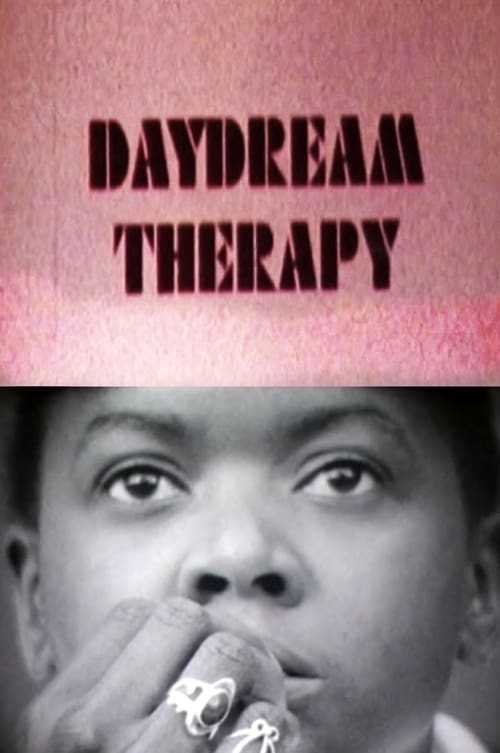
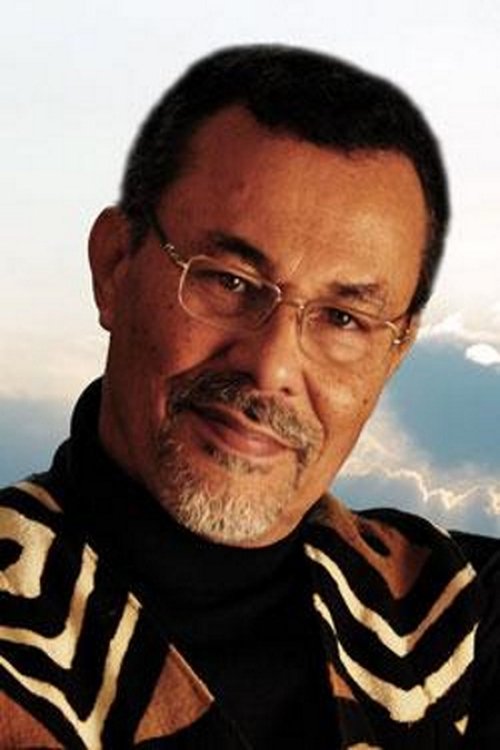
Bernard Nicolas has written and directed a number of films, including documentaries and short videos. Born in Port-au-Prince, he and his family fled from the political situation in Haiti and immigrated to San Pedro, California. The political upheaval he sensed as a student led Nicolas to become co-National Coordinator of the National Association of Black Students. He obtained his B.A. in Economics at UCLA, where he also earned an M.F.A. in Film and Television Production. His works include social issue documentaries such as Boat People and Breast Cancer: A Village Dialogue. The latter film was selected as a finalist for the Beacon Award from the Cable TV Public Affairs Association. Nicolas also wrote and directed Daydream Therapy (1977), a short film that earned him the Leigh Whipper Gold Award from the Philadelphia International Film Festival. In the early 1980s, Nicolas moved to Zimbabwe, where he worked in their production services department. In 1992, he founded Inter-Image Video, the first enterprise to commercially release African Cinema on home video in the U.S. He has also served various roles for numerous independent films. In addition to his contributions to film, he continues to pursue his interests in writing, photography and psychotherapy.