
Ewa Ewart
Directing
Biography
Journalist and award-winning filmmaker who specialises in ground-breaking and influential documentaries. She was born and raised in Poland, but she has spent most of her career based at the BBC TV in London, England. She has travelled and worked in many countries, producing and directing programmes ranging from investigations, political to social observational documentaries.
Known For
Until now, they have stood on the sidelines. They have not appeared before the cameras. They have not taken part in public discussion. It is mainly to them that the documentary film by the well-known journalist Ewa Ewart was devoted. It shows the face of the Smolensk catastrophe through the eyes of the victims' families. April 10, 2010 went down in the memory of Poles as a day of national drama. But for the characters in the film, it was the day of their greatest personal drama. Along with the presidential couple, their loved ones passed away in shocking circumstances. For most, the time passing since the Smolensk catastrophe does not bring relief. Ewa Ewart and her film crew accompany the families at various stages of their struggle with difficult emotions. The film is in the process of being made and will include sequences and stills that have not been used anywhere before.
W milczeniu
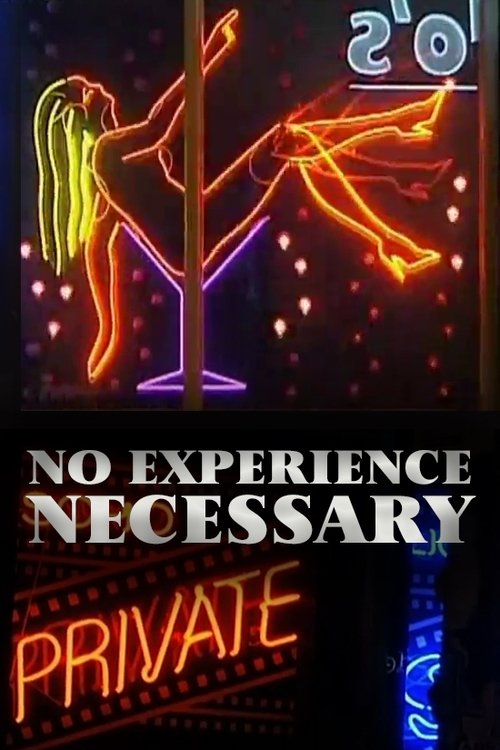
An estimated half a million women are being transported to Western Europe by sex traffickers every year. It's a multi-million pound business where, for the traffickers, the rewards are high and the risks are low. But, for the girls, the consequences are brutal and potentially dangerous. Following a route which begins in the former Soviet Republic of Latvia and leads to Denmark, Ireland and the UK, Sue Lloyd-Roberts uncovers a murky, cruel world in which employment agencies seduce young women with false promises, unscrupulous pimps abuse them and the police and judiciary turn a blind eye to this contemporary form of slavery.
No Experience Necessary
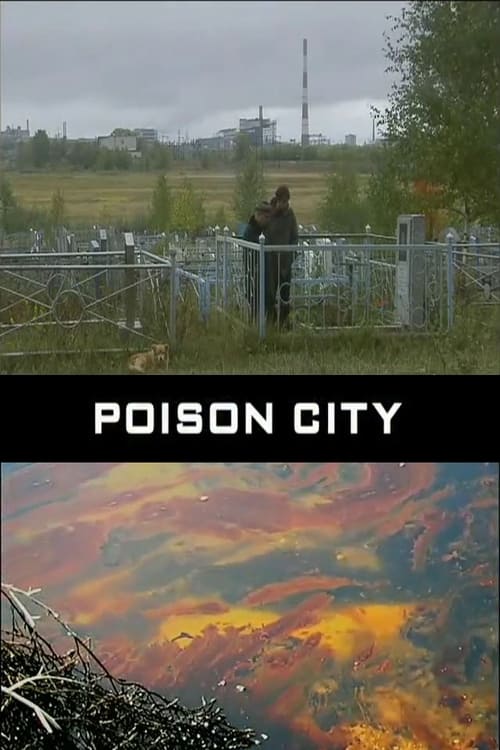
Dzerzhinsk, a Russian city 240 miles east of Moscow, is considered the most chemically polluted town on Earth. Factories producing industrial chemicals (and in Soviet times, chemical weapons) employ a quarter of the 300,000 residents in a city where life expectancy has fallen to 42-47 years, the death rate is 2.6 times higher than the birth rate, and the men are close to impotence. Reporter Tim Samuels recorded a series of in-depth interviews with the inhabitants of Dzerzhinsk for the Correspondent strand, revealing what life is like for the beleaguered populace.
Poison City
No description available.
ETA: Coming in from the Cold
No description available.
Bez retuszu
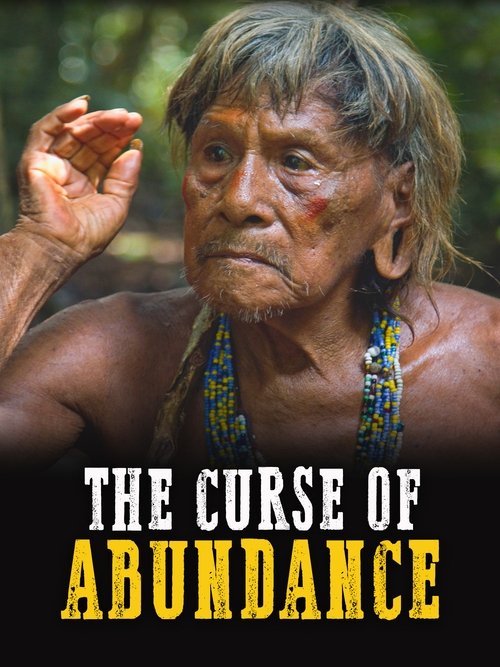
The Yasuni Park in Ecuador is a haven of biodiversity and home to indigenous tribes. It also holds a third of the country's oil reserves. Ecuador had agreed to keep the oil in the ground. But as powerful new interest groups emerge, the future of the Park, and the people who have called it home for thousands of years, come into question.
The Curse of Abundance
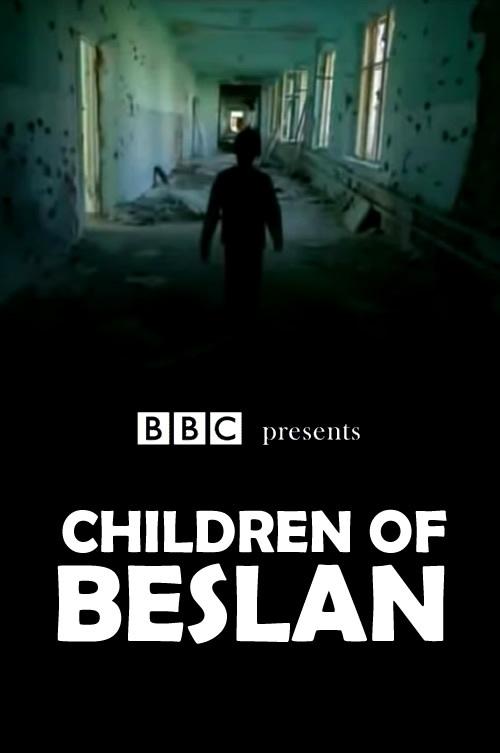
On September 1, 2004, a group of heavily armed rebel extremists stormed into School No. 1 in Beslan, Russia. For three days, more than a thousand children and adults were held hostage in a sweltering gymnasium, denied food and water, and forced to keep their hands over their heads. The harrowing siege ended on September 3 with a series of explosions and a hail of gunfire that killed some 350 people - half of them children. In this film, the youngest survivors of Beslan tell their story.
Children of Beslan
No description available.
Zdobyć miasto
No description available.
Do ostatniego oddechu
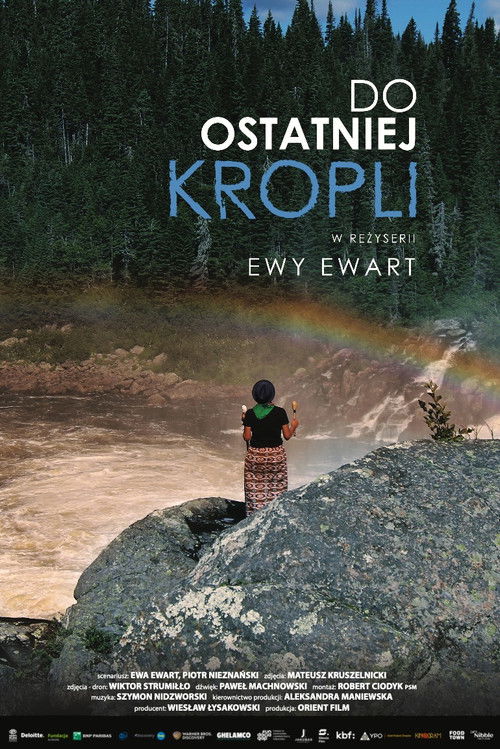
This beautifully-shot documentary exposes the global cost and consequences of the destruction of nature. Life-giving rivers have been especially badly hit. Shot on location in Canada, the Netherlands, Italy, Switzerland, Albania, and Poland, the film conveys a strong message about one of the greatest threats to human civilisation: the growing freshwater crisis.