FEEL IT.STREAM
José Régio

José Régio

Writing

Biography

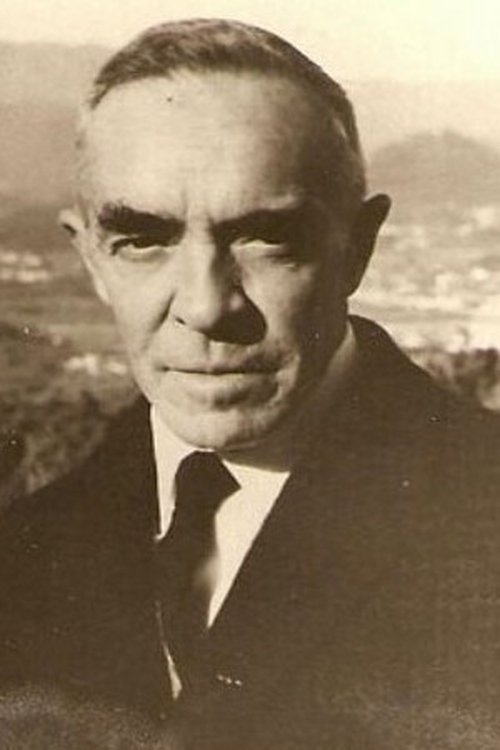
José Maria dos Reis Pereira, better known by the pen name José Regio, was a Portuguese writer who spent most of his life in Portalegre (1929 to 1962). He was the brother of Júlio Maria dos Reis Pereira, a painter and illustrator.
Known For

My Case
6.9

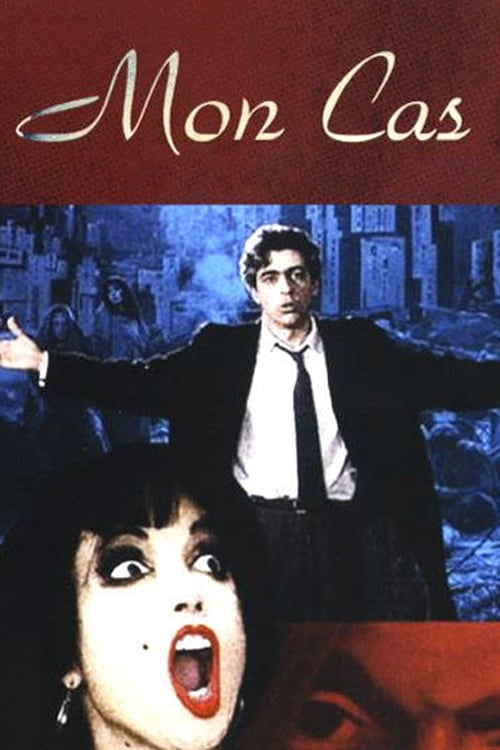
Manoel de Oliveira plays his film in three stages: the first part - a play, the second can be roughly defined as a silent film (with the behind the scenes read excerpts from Beckett works), but in the end the director brilliantly performs the same material of the avant-garde exercise. Surprisingly, a joke, repeated three times, each time everything sounds fresh and develops into an almost verbatim adaptation of the biblical "Book of Job" - a spectacular point in a parable about how hard to empathize with other people's misery, when you have your own.

My Case

1986
The Divine Comedy
6.6

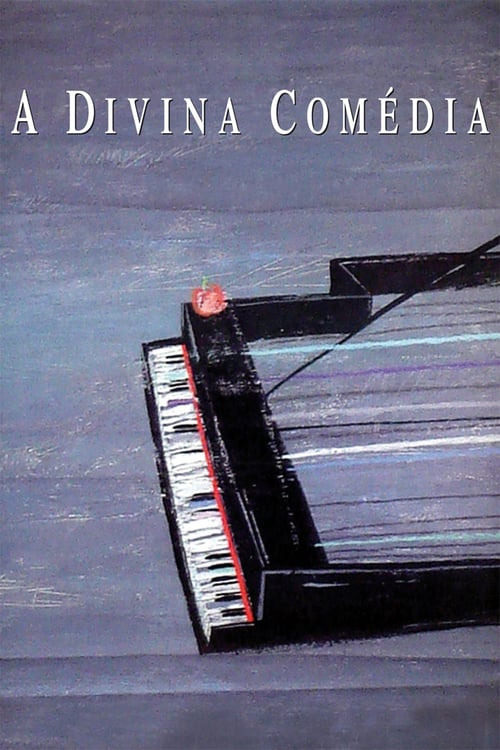
In a mental institution the patients see themselves as people like Jesus, Lazarus, Martha, Mary, Adam, Eve, Sonia, Raskolnikov, Aliosha e Ivan Karamasov, a Philosopher, a Profet, Santa Teresa d'Avila, reciting the Divine Comedy.

The Divine Comedy

1991
The Fifth Empire
6.5

Manoel de Oliveira directs José Régio's historical epic of religious and political power struggles. King Sebastião plans to make Portugal the world's Fifth Empire.

The Fifth Empire

2004
Benilde or the Virgin Mother
7.3

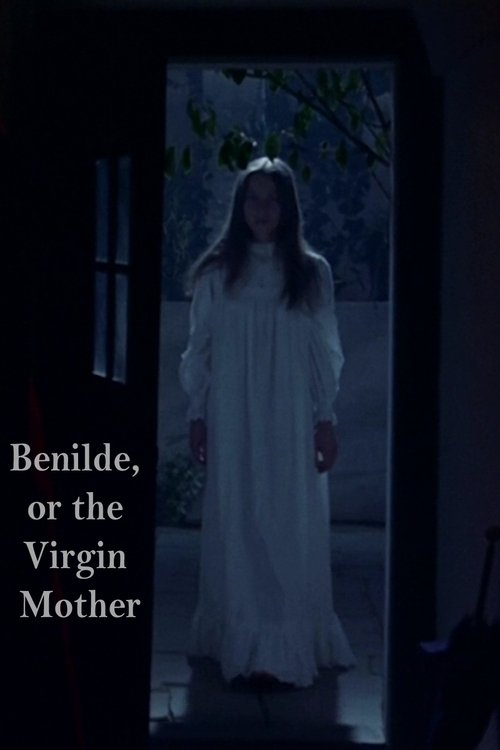
A young girl, Benilde, so protected by her religious family that she seemingly knows nothing about procreation, insists that her mysterious pregnancy is a miracle; however, her distressed bourgeois family decides that Benilde has lost her mind.

Benilde or the Virgin Mother

1975
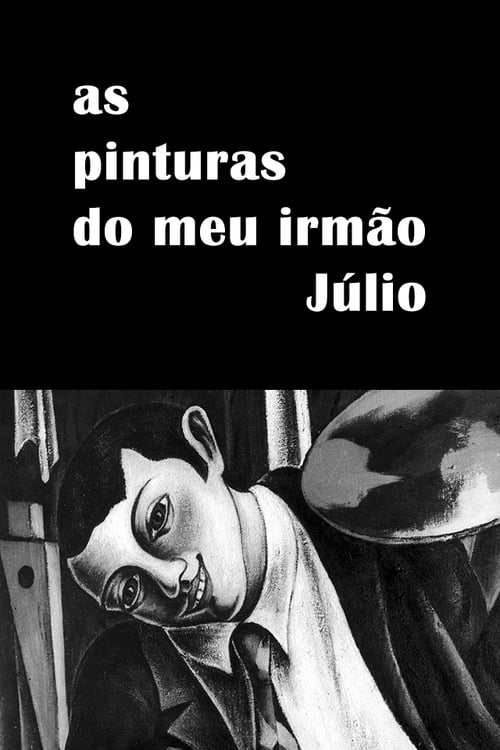
As Pinturas do Meu Irmão Júlio
6.2

The camera shows the vivid paintings by late Júlio Régio, with a narrative by his brother, while guitar tunes underline the mood and rhythm of the cinematography.

As Pinturas do Meu Irmão Júlio

1965
O Vestido Cor de Fogo
10.0

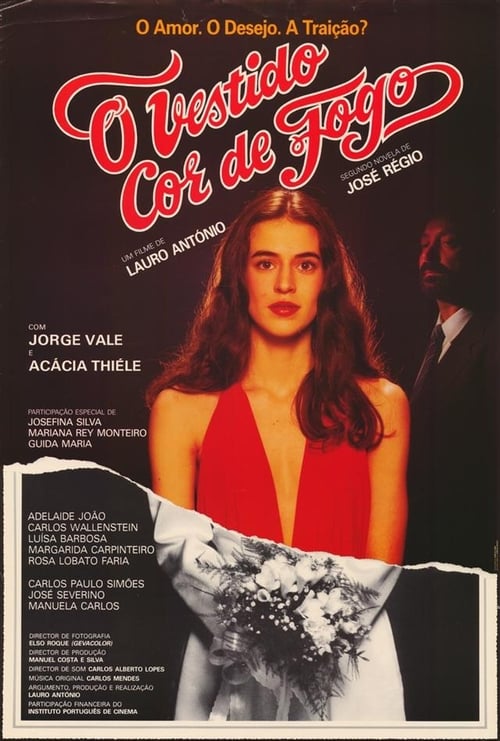
José Pereira, a young medical graduate, meets a young and ardent Maria Eugénia. The time is the eve of the Portuguese Revolution, on 24th April 1974 and only a short time elapses between courtship and marriage. The young pair are very much in love, but José begins to have doubts about the "honesty" of such intense feelings of love, feelings which are too intense (or hot) to him . If Maria Eugénia is like this with him, will she be the same with other men?In the meantime, the Revolution takes its course. José, who previously had been persecuted because of his opposition against the old regime, now feels "left behind" and frustrated.

O Vestido Cor de Fogo

1985
Romance de Vila do Conde
N/A

Manoel de Oliveira's homage to Vila do Conde, with a poem by José Régio. It was shot in 1965, but only completed in 2008.

Romance de Vila do Conde

2008
No image
N/A

Documentary by Manoel de Oliveira filmed in 1965 and exhibited in 2008 in the Venice Film Festival.

O Poeta Doido, o Vitral e a Santa Morta

2008
The Donkey-Eared Prince
7.0

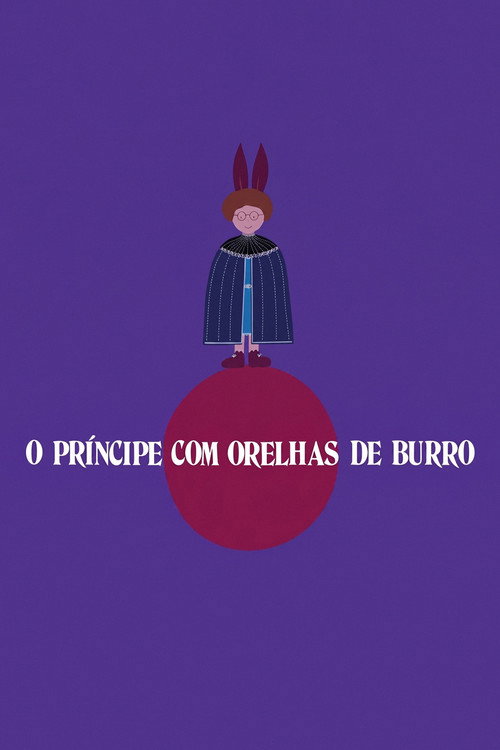
In the time of King Leonardo, a war and the plague that accompanied it depopulated Traslândia. Ignoring these tragic events, Queen Isménia, Princess Camila and lady-in-waiting Narcisa, coming from a distant kingdom, arrive in Traslândia, when the war approaches the end.

The Donkey-Eared Prince

1980