Directing
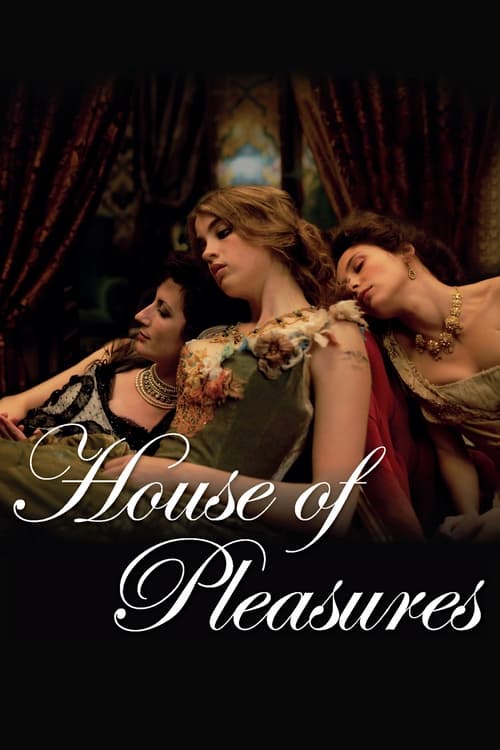
The dawn of the 20th century: L’Apollonide, a luxurious and traditional brothel in Paris, is living its last days. In this closed world, where some men fall in love and others become viciously harmful, the women share their secrets, their fears, their joys and their pains.
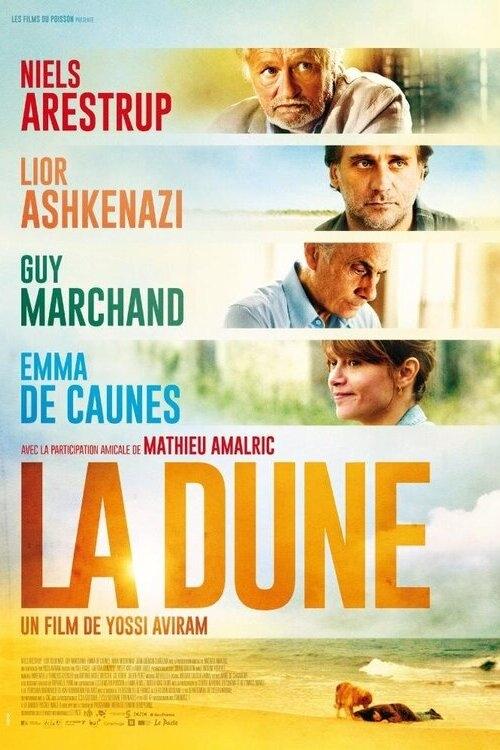
Jacob, an elderly man living in a luxurious villa near Geneva called Rosebud, has just changed his name for the third time and become a Swiss citizen. His granddaughter comes to visit to make a portrait of him. As she searches for a way to bring his story to life, Jacob abandons the project…
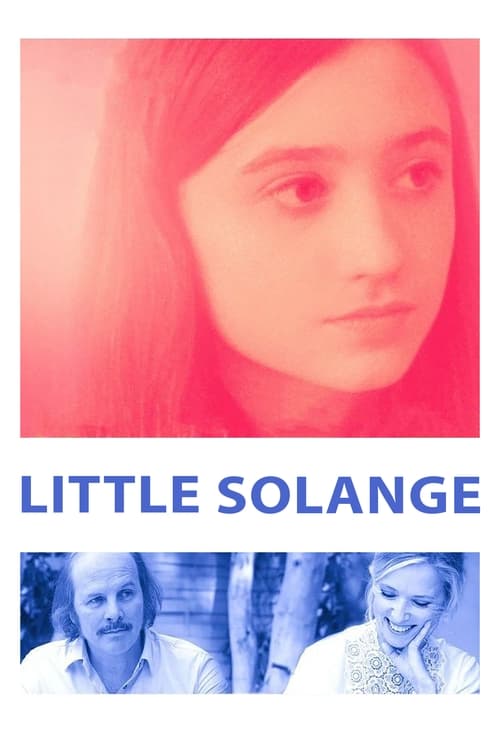
A sensitive 13-year-old watches her parents’ marriage unravel and struggles to keep her family together, clinging to the impossible hope that love will never end.
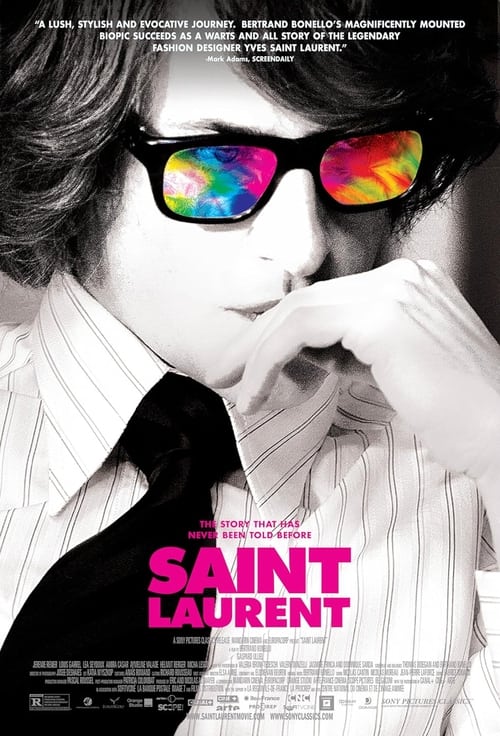
1967-1976. As one of history's greatest fashion designers entered a decade of freedom, neither came out of it in one piece.
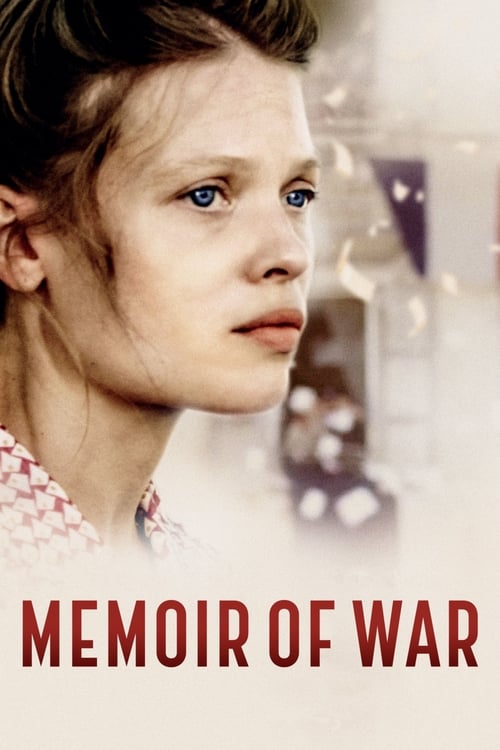
In the last days of the Nazi-occupied France, writer Marguerite Duras awaits the return of her husband, Robert Antelme, arrested for being a Resistance fighter and then deported, while she maintains a tense relationship with her ambiguous lover and a dangerous game with a French collaborationist. Even when the Liberation arrives, she must still endure the unbearable pain of waiting.
No description available.
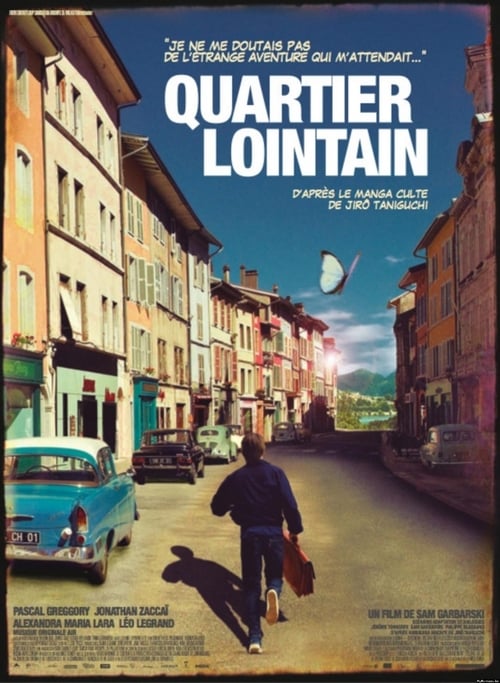
Thomas, a father in his fifties, returns by chance to the town where he grew up. He collapses and wakes up forty years earlier in the body of his teenage self. Thrown back into his past, Thomas will not only have to re-live his first love, but also try to understand the reasons for his father’s mysterious departure. Can you change the past by living it again?
Josephine goes from Brussels to Paris by foot. She follows the direction taken by the Thalys, the rapid train she usually takes for this journey. She stops along the way, depending on people who allow to her rest awhile.
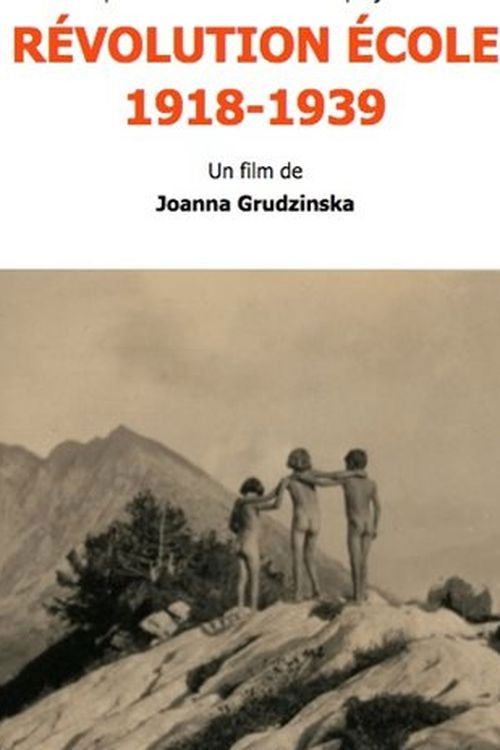
In a Europe traumatized by the First World War, educationalists point the finger of blame: the school, which produced “brave soldiers”. The task now is to build peace and develop a new education for a generation of children who, it is hoped, will never wage war again. How can we educate them without surveillance and punishment? How can we help them to emancipate themselves? To make children happy is to make them better adults, according to those who embarked on the adventure. Their names are Rudolf Steiner, Maria Montessori, Célestin Freinet, Alexander S. Neill, Ovide Decroly, Paul Geheeb or Janusz Korczak, each of them inventing educational methods. A Swiss pedagogue, Adolphe Ferrière, brought them together in the Ligue internationale de l'éducation nouvelle.
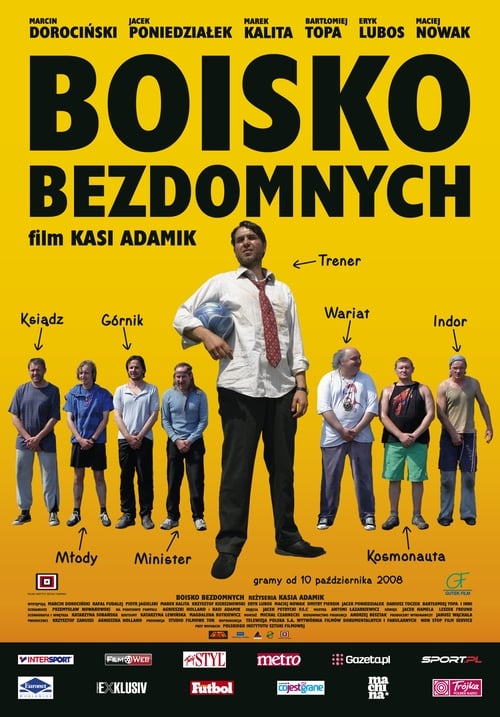
Under the leadership of an ex-footballer, a bunch of homeless men set up a football team and train hard to take part in the world championship.
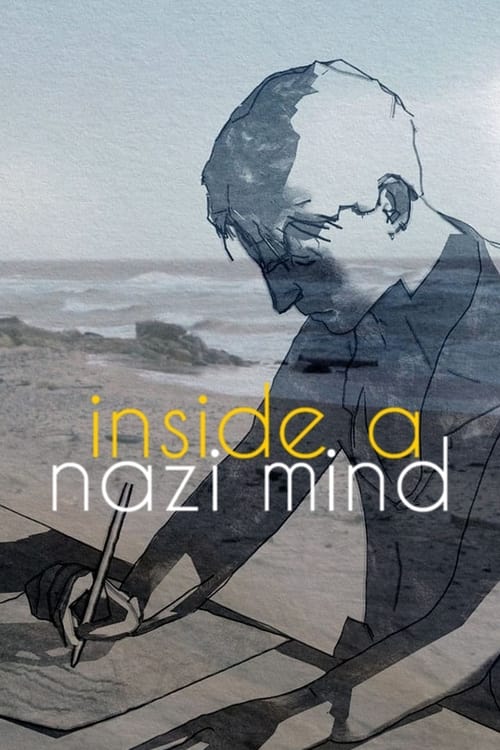
An analysis of The Kindly Ones, Jonathan Littell's controversial novel, published in 2006, which dissects the ruthless mechanisms of the Shoah from the detached point of view of Maximilian Aue, a high-ranking Nazi officer.
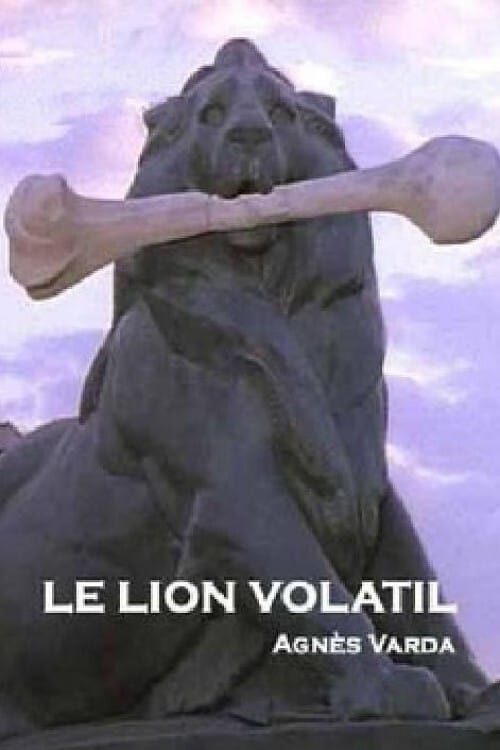
An adventure of three characters: Clarisse, a psychic’s apprentice, Lazare, who works at the Parisian catacombs, and the bronze statue of a lion at the Denfert-Rochereau (in the 14th arrondissement). Clarisse and Laraze meet daily, but one day Lazare disappears and the lion disappears as well!
Through the course of several accidents and chance encounters, Hanoch and Ruben will meet and each of them will have to face a page of his personal history, a page that they both need to turn for good.
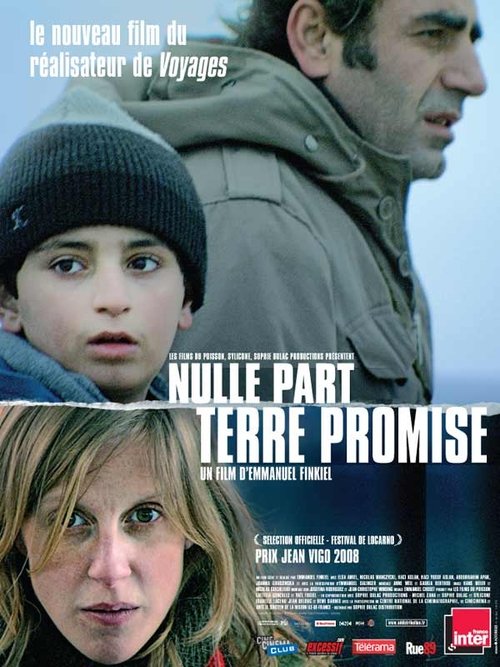
A group of Kurdish refugees tries to get to Great Britain. A female student travels through Europa. A young executive relocates a factory to Hungary.
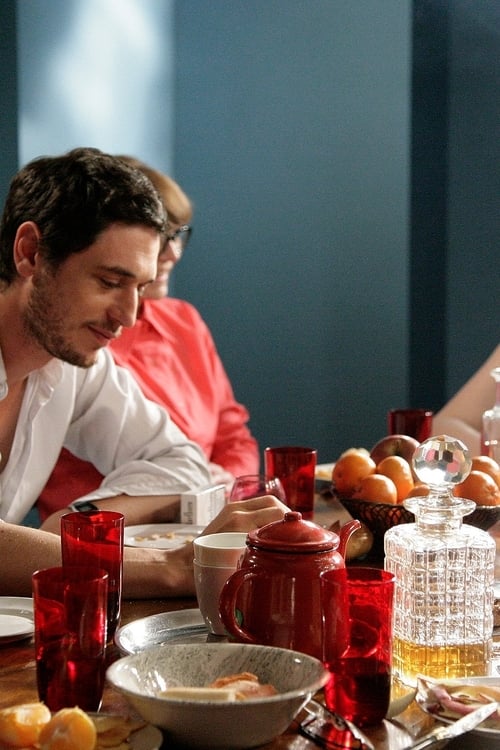
It is the end of a meal. Eight people are gathered around a big table. They evoke the memory of a lost friend. Through the stories of each about the absentee, the character traits, the haabits or the expressions, a portrait in hollow is outlined.
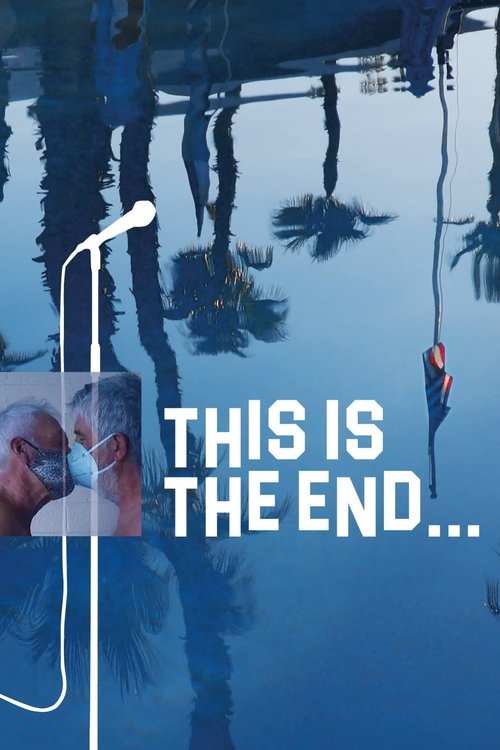
Road trips through Los Angeles, famous verses in the Poetry Lounge and love in times of the pandemic: Rendezvous with an old flame, fourty years later. After Jaurès (2012), Vincent Dieutre presents another tender autofictional piece in the Forum.
In 1941, Etty Hillesum, a young Jewish woman living in occupied Amsterdam, starts a psychoanalysis with Julius Spiers, a disciple of Jung specializing in feminine hysteria.
Gustave Folcher, a French farmer, wrote in his 1939 diary that the summer had been long and hot. He was not alone. Many other anonymous French men and women wrote of the beauty and warmth of those summer months and how threats of war were far from their minds. Through home movies, diaries and letters, One Last Summer describes the final weeks of peace in France and the mix of blindness, denial and prophetic clear-sightedness of those facing the war that was about to unfold.
Warsaw, Poland, end of the Seventies. Following the workers’ revolt against the rise of prices violently repressed by the communist power, a group of opponents create the KOR (Workers’ Defense Committee). Heir to the currents of opposition to the Communist regime since the end of World War II, sponsored by intellectual and moral personalities who had been standing up against social injustices since the Twenties, the KOR tries to break the information monopoly of the State and to set up an autonomous labor organization.The action of the KOR leads in 1980 to the birth of Solidarnosc, first independent trade union of Eastern Europe.Three members of the KOR remember and tell us the story of a victory against communist power in Europe.
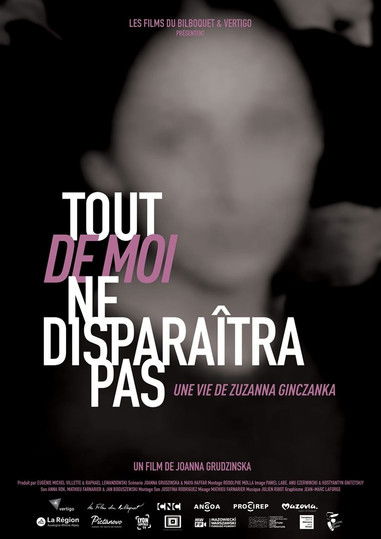
Reviving the traces, yellowed by time, of a life carefully filed away in archives; giving body to one of 20th century Poland’s most beautiful poetic voices; building a memorial and a vibrant tribute in the most rigorous and masterful documentary tradition… These are the promises kept by Not all of me will die. Zuzanna Ginczanka was shot in 1944, at the age of 27, just as she was gaining recognition in Polish literary circles.