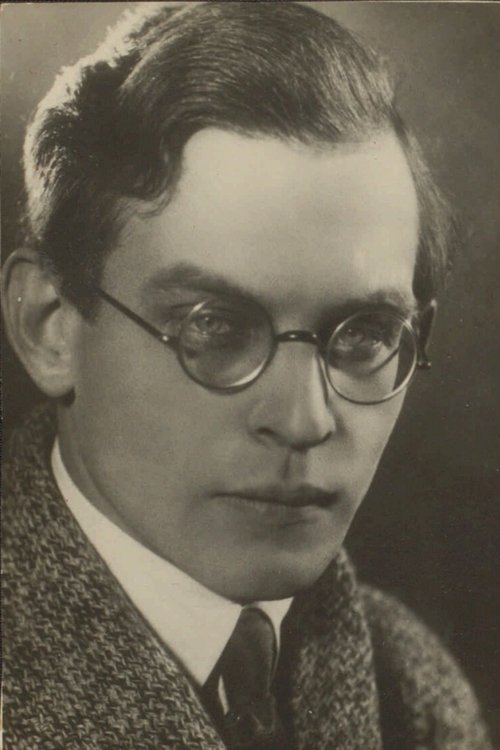
Andrey Moskvin
Camera
Known For

Set during the early part of his reign, Ivan faces betrayal from the aristocracy and even his closest friends as he seeks to unite the Russian people. Sergei Eisenstein's final film, this is the first part of a three-part biopic of Tsar Ivan IV of Russia, which was never completed due to the producer's dissatisfaction with Eisenstein's attempts to use forbidden experimental filming techniques and excessive cost overruns. The second part was completed but not released for a decade after Eisenstein's death and a change of heart in the USSR government toward his work; the third part was only in its earliest stage of filming when shooting was stopped altogether.
Ivan the Terrible, Part I
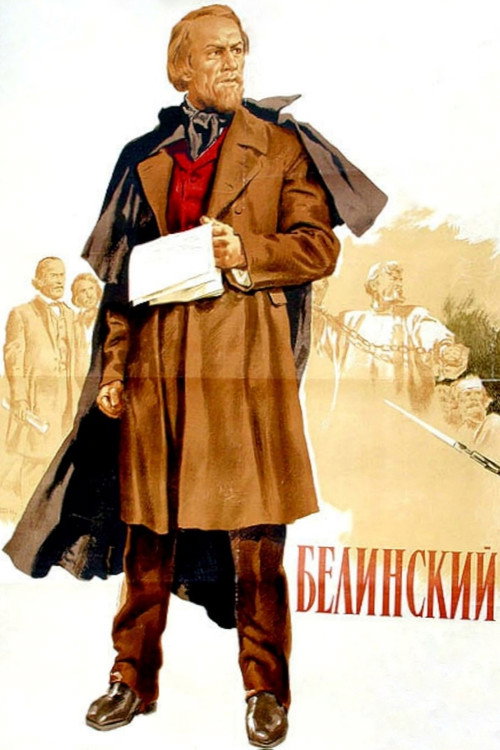
A biopic based on the life of Russian literary critic Vissarion Belinsky (1811–1848). The production of the film was completed in 1951, but it was not released until 1953, following the reshooting of various scenes demanded by Stalin.
Belinsky

This is the second part of a projected three-part epic biopic of Russian Czar Ivan Grozny, undertaken by Soviet film-maker Sergei Eisenstein at the behest of Josef Stalin. Production of the epic was stopped before the third part could be filmed, due to producer dissatisfaction with Eisenstein's introducing forbidden experimental filming techniques into the material, more evident in this part than the first part. As it was, this second part was banned from showings until after the deaths of both Eisenstein and Stalin, and a change of attitude by the subsequent heads of the Soviet government. In this part, as Ivan the Terrible attempts to consolidate his power by establishing a personal army, his political rivals, the Russian boyars, plot to assassinate him.
Ivan the Terrible, Part II: The Boyars' Plot
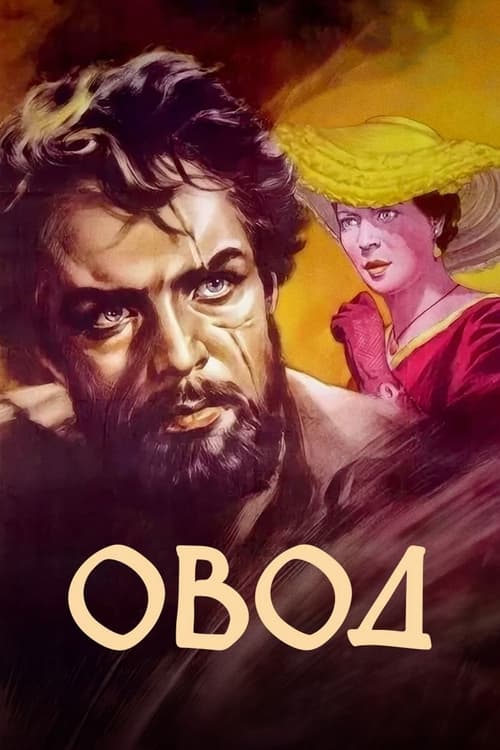
Italy, XIX century. The country is occupied by Austrian troops, the resistance movement is actively developing. Student Arthur Burton is involved in the activities of the underground organization “Young Italy”, envies its leader, Giovanni Bolla, and is jealous of his bride Gemma. He talks about this at a confession to a priest, as a result of which gendarmes take revolutionaries under arrest...
The Gadfly
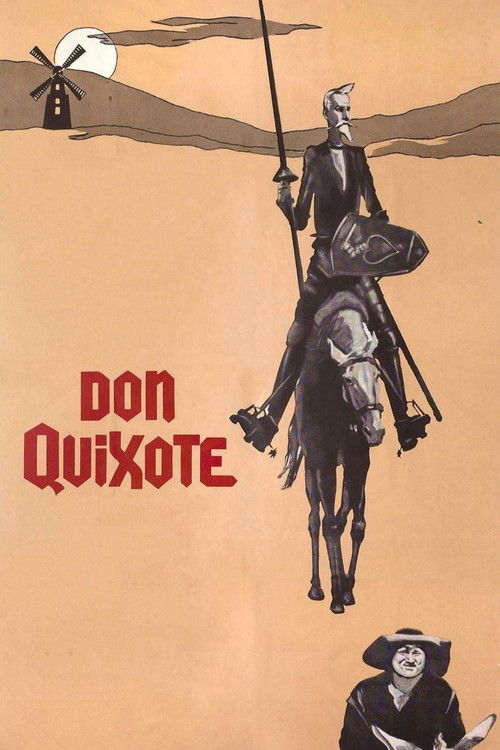
Senor Quexana has read so many books on chivalry that he believes that he is the knight Don Quixote de la Mancha. So Don Quixote sets off on his horse, accompanied by his squire Sancho Panza on a mule, to perform valiant deeds. They mistakenly save the Lady Altisidora who is so amused that she invites them to visit the Duke to provide some merriment at court. Among other deeds, Don Quixote frees some prisoners, who then turn upon him, and Don Quixote attacks a windmill that he imagines is a monstrous wizard.
Don Quixote
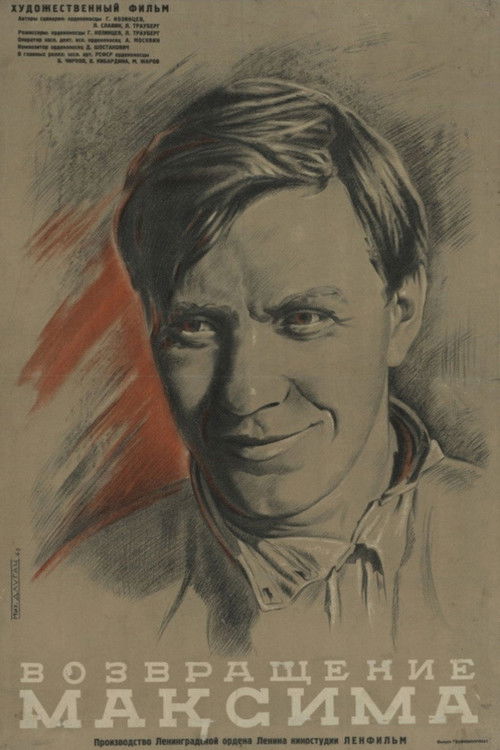
The second part of trilogy about the life of a young factory worker, Maxim. In July 1914, the Bolsheviks and Mensehviks compete for representation of the working-class in the Duma. Maksim, who just returned from exile, calls the workers to strike as a protest against the firing of six of their colleagues. The traitor Platon Dymba assaults Maksim, wounding him severely. When the strike unfolds the workers demonstrate by the thousands, the news of the outbreak of World War I suddenly arrives. Maksim gets drafted.
The Return of Maxim
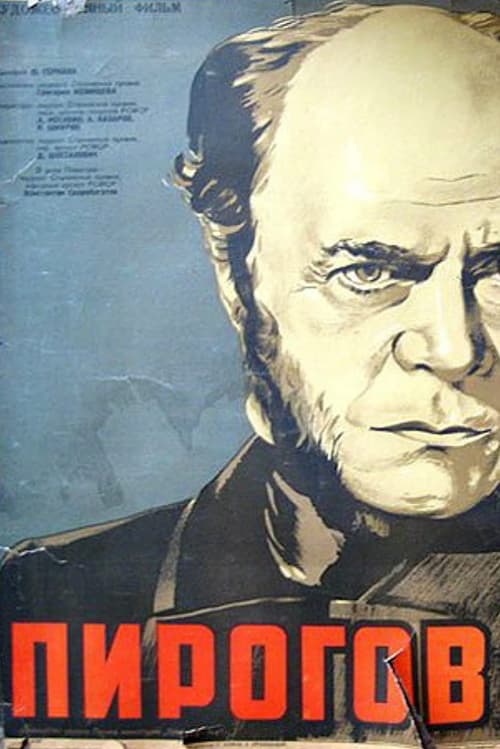
A biopic based on the life of Russian scientist and doctor Nikolai Ivanovich Pirogov (1810-1881), famous for being the founder of field surgery.
Pirogov
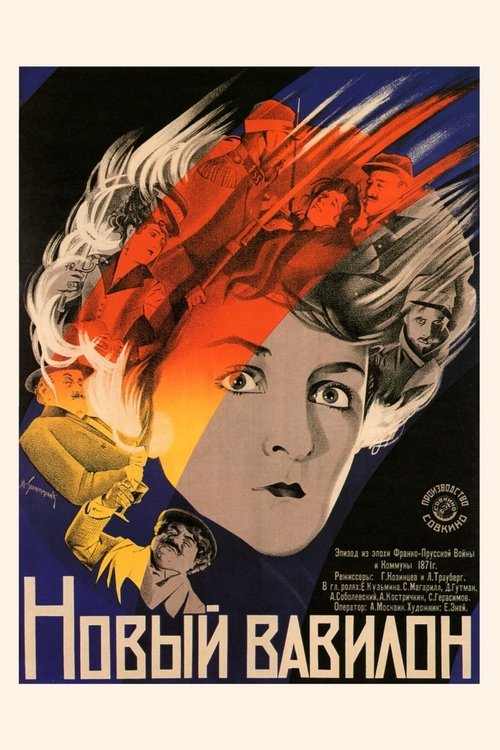
In the short-lived Commune of Paris, a conscripted soldier falls in love with a Communard saleswoman. As the army cracks down on the revolutionaries, the soldier is forced to fight against the Commune, and the pair's love is put to the test.
The New Babylon
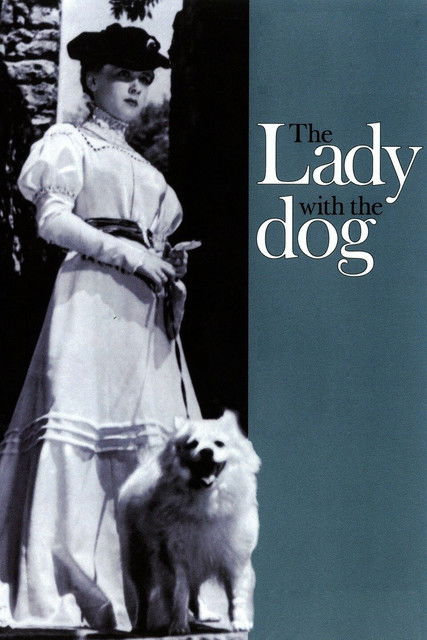
On holiday in Yalta, Muscovite banker Dimitri Gurov contrives to meet a young woman who walks her dog. She’s Anna Sergeyevna, trapped in a loveless marriage to a lackey. He’s unhappy in an arranged marriage. With neither spouse at hand, Dimitri and Anna begin an affair. After a short time, she returns to Saratov, he to Moscow, believing it’s good-by forever. All winter he is miserable, enervated, distracted by tristesse. In desperation, he contrives to go to Saratov, surprising her at a concert. Fearing discovery in her home town, she promises to come to Moscow. Will they cast aside reputation to live together, or will theirs be an affair of infrequent encounters in hotel rooms?
Lady with the Dog
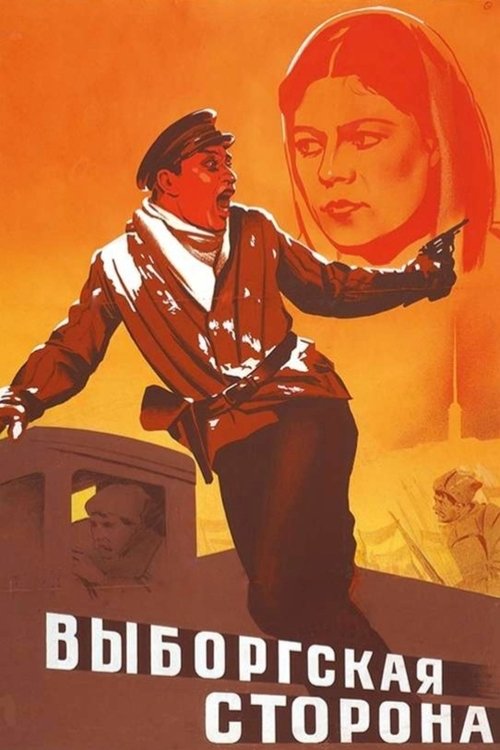
The final part of trilogy about the life of a young factory worker, Maxim. Following the Russian Revolution, Maksim is appointed state commissar in charge of the national bank. With great efforts, he learns the complexies of the banking trade and begins to fight off sabotaging underlings. Dymba, now a violent enemy of the Republic, tries to rob a wine store but is arrested with Maksim's help. Maksim also exposes a conspiracy of a group of tsarist officers who prepare an attempt against Lenin. He then joins the Red Army in its fight against the German occupation.
The Vyborg Side
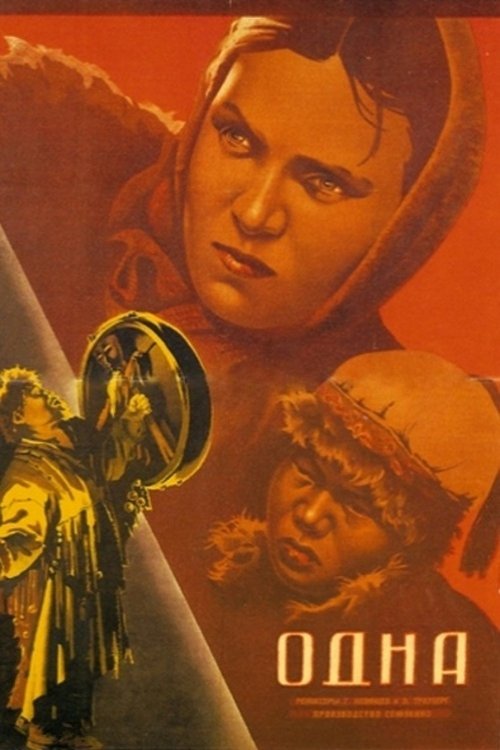
A young teacher is sent to a remote province, separating her from her lover, and sets about the difficult task of building a school there.
Alone
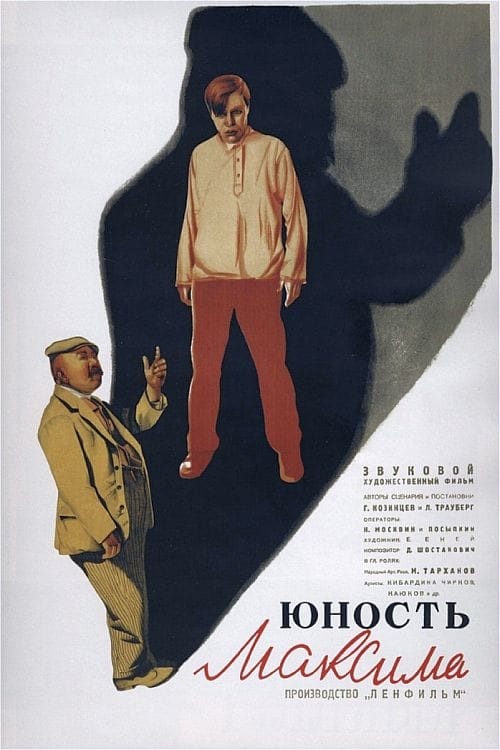
A 1935 USA trade-paper reviewer called it... "an impressive and technically outstanding historical drama dealing with czarist terrorism and revolutionary boiling in the days of 1907. Picture is one of the Soviet prize winners and has particular merits in realistic performance, photography and movement, plus some musical touches in way of folk songs." Written by Les Adams
The Youth of Maxim
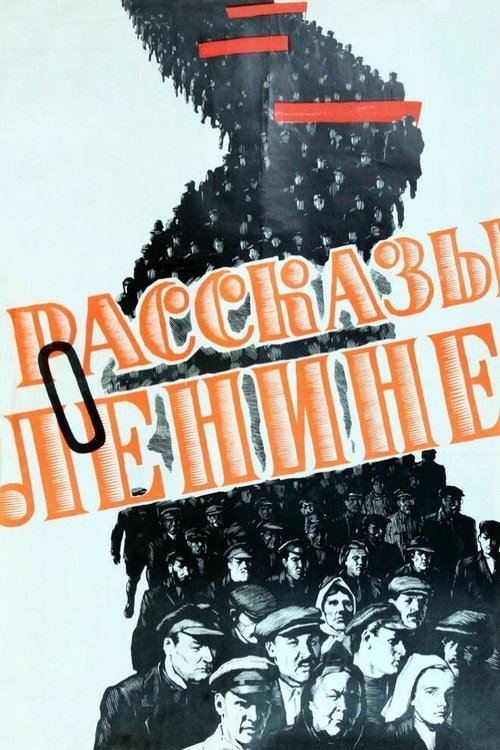
Two stories ("The feat of the soldier Mukhin", "The Last Autumn"). The events of one concern 1917, when Lenin had to hide in Finland, the second takes place in 1923-1924 during the last months of his life in Gorki.
Stories About Lenin
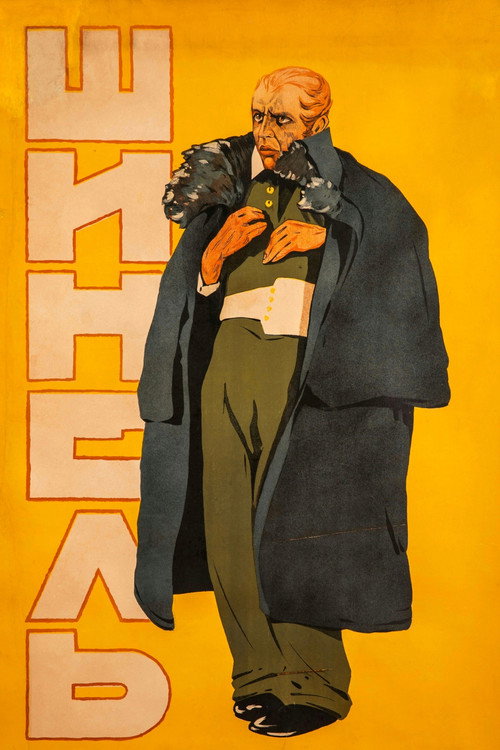
Soviet film based on Nikolai Gogol stories "Nevsky Prospekt" and "The Overcoat".
The Overcoat

A 1945 Soviet war film which, along with the second part of Eisenstein's Ivan the Terrible was harshly criticized by Andrei Zhdanov and banned. A version of the film, released in 1956 during the Khrushchev Thaw, was disowned by director Grigori Kozintsev because the reediting was done without his participation.
Simple People
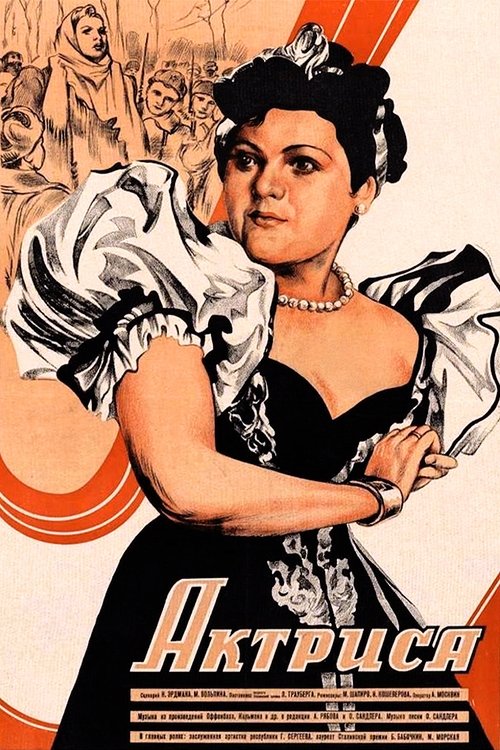
Zoya Vladimirovna Strelnikova, a famous operetta actress, quits the theater and gets a nanny in a military hospital. There she meets the wounded major Peter Nikolayevich Markov.
Actress
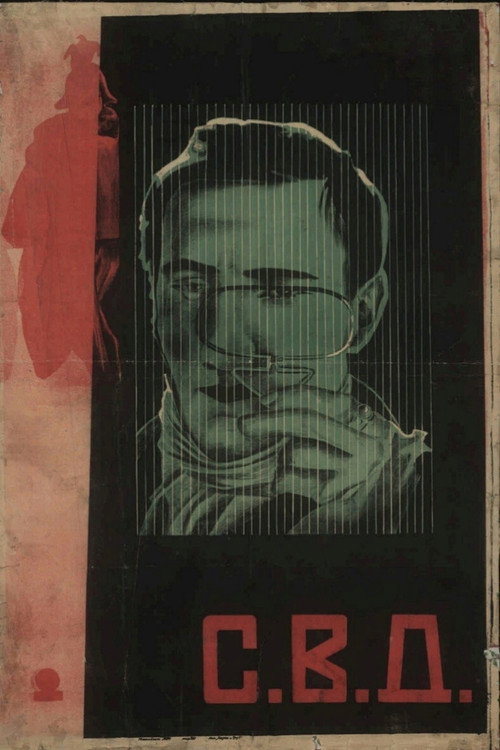
The film tells about the Decembrists’ revolt in the south of Russia. Right before the Decembrist Revolt 1825 a chevalier of fortune decides that it's time for a game. But on whom to make a bet? He asks the cards. But he's not the only one who makes the choice.
The Club of the Big Deed
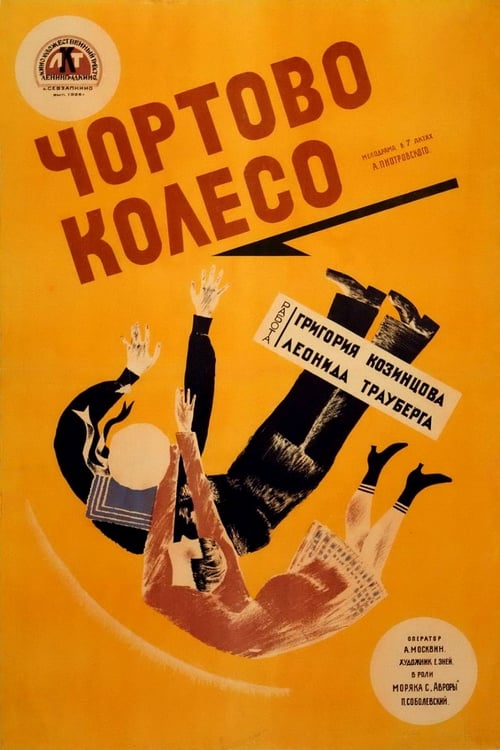
Typically of the heady days of early Soviet cinema, this is constructed according to the fast, sharp editing principles advocated by Eisenstein, complete with symbolic inserts; but in terms of subject matter, it's much less explicitly political than most movies emerging from Russia in the '20s. Chronicling a young sailor's descent into a murky, treacherous underworld of pimps and thieves, after having encountered a Louise Brooks lookalike at a fairground and missed his departing boat, it's a lively moral fable that delights in vivid visual effects and quirky characterisations. If the plot occasionally reveals gaping holes, and the tacked-on ending urging the clearance of the Leningrad slums seems to be rather gratuitous, there's enough going on to keep one attentive and amused.
The Devil's Wheel
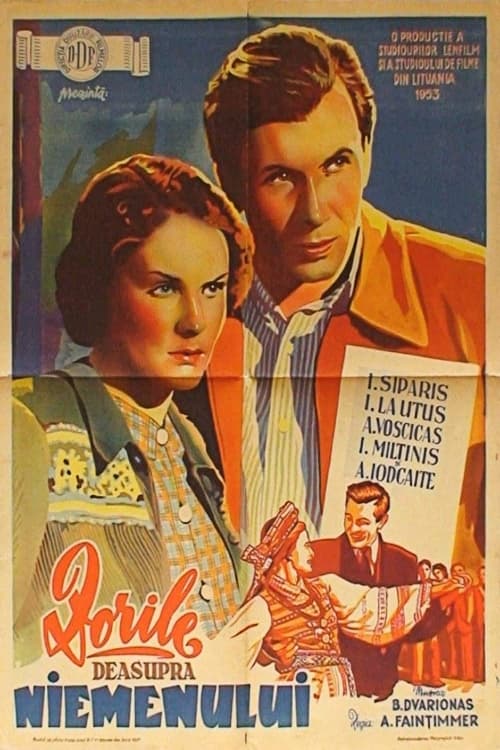
The rise of a Lithuanian collective farm in the post-war years and the struggle against the remnants of the past in people's minds.
Sunrise Over the Neman
No description available.