Paul Smaczny
Production
Biography
Paul Smaczny is a German-based documentary film-maker and a producer of concert and opera recordings. His latest work is the award-winning Knowledge is the Beginning, about the West-Eastern Divan orchestra.
Known For

No description available.
Arnold Schönberg - Der rastlose Visionär

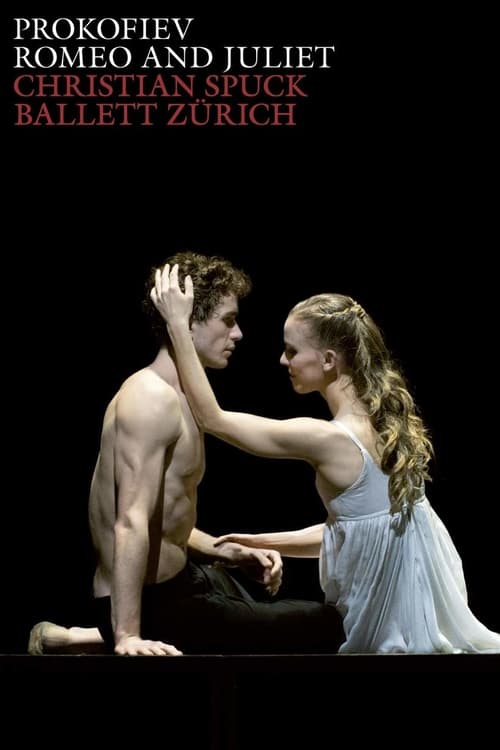
Shakespeare’s play “Romeo and Juliet” has inspired generations of artists to adaptations like scarcely any other work. In his colorful, passionate music, the Russian composer Sergei Prokofiev brilliantly captured the clash of love and hatred, and the proximity of tenderness and violence. Inspired by Prokofiev’s vivid music and the timeless quality of Shakespeare’s tragedy, choreographer Christian Spuck and the Ballett Zürich narrate the most famous love story in world literature using strong images that are full of enthralling theatricality and touching emotion. Michail Jurowski, a true Prokofiev expert, is at the rostrum of the Philharmonia Zürich. Recorded live at Opernhaus Zürich June 2019.
Prokofiev: Romeo and Juliet

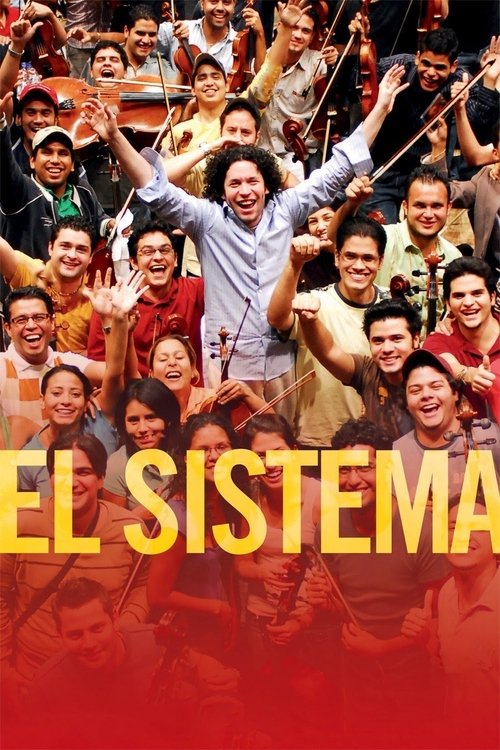
El Sistema is a network of childrens and youth orchestras, music centres and workshops in Venezuela, in which more than 250,000 children and young people are currently learning to play an instrument. It was set up over thirty years ago by José Antonio Abreu, who was driven by the utopian vision of a better future. In the dangerous and poverty-stricken shanty towns of Caracas, Abreu lifts children out of poverty through music, changing both people and structures. The film El Sistema shows how Abreus astonishing ideas have led the way out of the vicious circle of poverty - and how the power of music has been able to change the lives of hundreds of thousands of young people.
El Sistema

He is the most performed contemporary composer in the world. And yet he rarely ventures out in public, prefers to keep quiet about his music, feels at home in the forests of Estonia and generates therewith - perhaps involuntarily - the impression of a recluse, which is attributed to him again and again: Arvo Part. In The Lost Paradise, we follow him over a period of one year in his native Estonia, to Japan and the Vatican. The documentary is framed by the stage production of Adam's Passion, a music theater piece based on the Biblical story of the fall of Adam featuring three key works by Arvo Part. The world-renowned director Robert Wilson has brought this work to the stage in a former submarine factory in Tallinn. Tracing their creative process, the film offers rare and personal insights into the worlds of two of the most fascinating personalities in the international arts and music scene.
The Lost Paradise

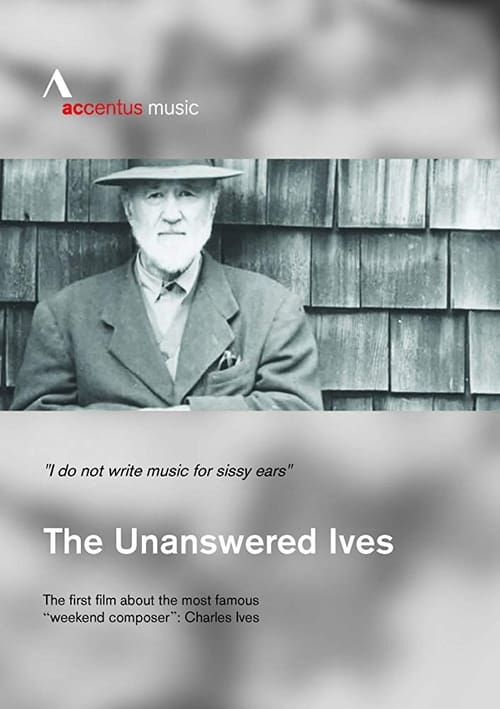
The Unanswered Ives is the first film about Charles Ives (1874-1954), an American modernist composer, one of the first American composers of international renown. The 60-minute documentary sheds light on Ives' life and work in all its facets and inconsistencies. American singer and composer Frank Zappa included Charles Ives in a list of influences that he presented in the liner notes of his debut album Freak Out! (1966). Ives continues to influence contemporary composers, arrangers and musicians. Planet Arts Records released Mists: Charles Ives for Jazz Orchestra. Ives befriended and encouraged a young Elliott Carter. In addition, Phil Lesh, bassist of the Grateful Dead, has described Ives as one of his two musical heroes.
The Unanswered Ives - Wunderkind. Wall-Street-Gigant. Klangpionier
Music is not "just" music. It can have immense power in good or evil. This documentary by Maria Stodtmeier and Isa Willinger highlights interesting and very current themes about the links between music and politics.
Music and Power

Clara Schumann led an almost cinematic life as the daughter of a strict and ambitious father, as an internationally extremely successful pianist, as the wife of a famous composer and as the mother of seven children.
Leidenschaft und Pflicht und Liebe - Die drei Leben der Clara Schumann

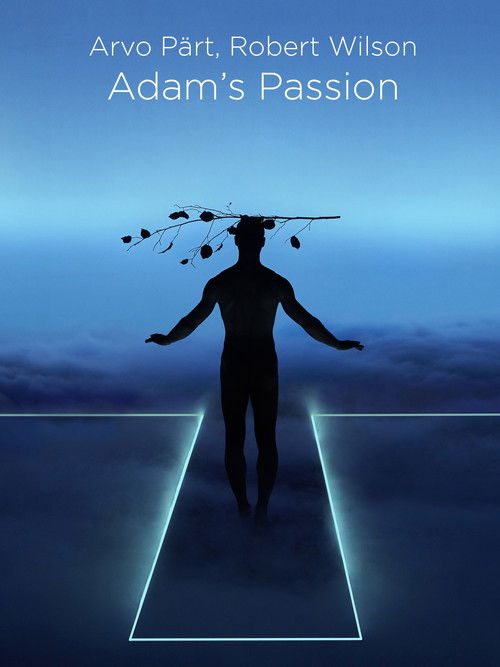
Adam’s Passion is the moving first collaboration between two “masters of slow motion who harmonize perfectly with each other” (Frankfurter Allgemeine Zeitung). In the spectacular setting of a former submarine factory, American director and universal artist Robert Wilson creates a poetic visual world in which the mystical musical language of the Estonian composer Arvo Pärt can cast its meditative spell. Three of Pärt’s major works – Adam’s Lament, Tabula rasa, and Miserere, as well as Sequentia, a new work composed especially for this production – are brought together here using light, space, and movement to create a tightly-woven Gesamtkunstwerk in which the artistic visions of these two great artists mirror each other.
Adam's Passion

Barbara Hannigan is a renowned soprano and exceptionally talented artist and musician from Canada, who recently has begun an international career as conductor. Making its North American premiere, Taking Risks shows Hannigan preparing to conduct her first opera, Stravinsky’s masterpiece The Rake’s Progress. From auditions to opening night, we follow the journey of a dedicated, passionate, and perceptive woman, taking a behind-the-scenes look at her creative process, with many moments of excitement and magic.
Barbara Hannigan - Ein Opernstar auf neuen Wegen

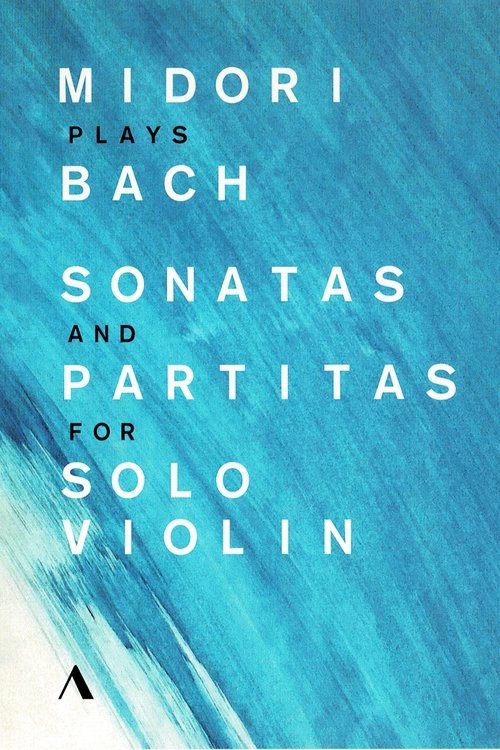
Midori, in her search for authenticity,visits the places where Bach's compositions originated. Exploring the castle of Köthen, where Bach wrote the Sonatas and Partitas for Solo Violin,she fills the historical rooms with the sound of these masterpieces. Music and space merge exclusively in the acoustic offered by the location, which supports the breathtaking polyphonyand the detailed richness of the works as well as the technical brilliance and perfectionof Midori's subtly shaped performance. recorded at the Castle Köthen, August 2016
Midori Plays Bach. Sonatas And Partitas For Solo Violin

Live performance from Oper Leipzig, 26 November 2005.
Un Ballo in Maschera

No description available.
Mozart - Berliner Philharmoniker - Radek Baborák - Daniel Barenboim

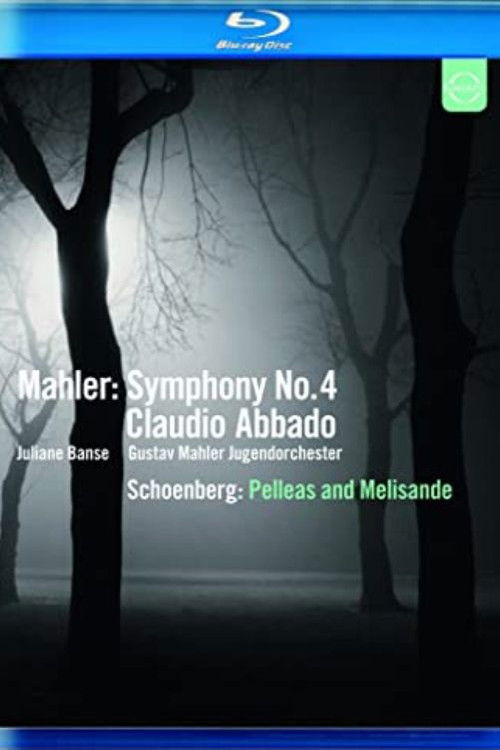
Gustav Mahler's fourth symphony and Pelleas et Melisande by Arnold Schoenberg performed by the Gustav Mahler Jugendorchester, conducted by Claudio Abbado. Soprano Juliane Banse is featured on the Mahler symphony
Mahler: Symphony No. 4 / Schoenberg: Pelleas and Melisande

If Daniel Barenboim is not the world's greatest living classical musician he is certainly the most versatile. In a career spanning more than 50 years, his name is attached to many of the celebrated recordings of opera, symphony, small ensemble and piano solo. With the later half of his career marked by distinction at the podium, one may forget that he is still an accomplished concert pianist. Here we are treated to both talents as Barenboim conducts the Staatskapelle Berlin and plays all five of Beethoven's piano concerti. From the accompanying booklet we find that Barenboim first recorded these works in 1967 at the age of 24 under Otto Klemperer. Now he is revisiting them 40 years later on the occasion of his 65th birthday.
Daniel Barenboim: Beethoven - Piano Concertos 1-5

When a woman steps onto the conductor's podium, she is always one of the first: the first to lead a world-class orchestra, the first to conduct the closing night of London's Proms, the first to win the German Conductor Prize. It seems as though the world of orchestral conducting might finally be ready to change its attitudes toward female conductors.
Maestras: The Long Journey of Women to the Podium

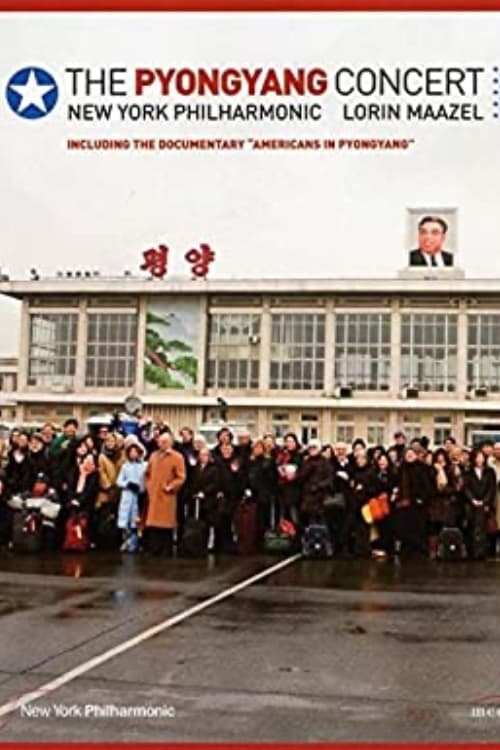
In summer 2007 the New York Philharmonic received an invitation that was unprecedented in the orchestra's history. North Korea, the world's most isolated and secluded country and technically at war with the United States, invited the orchestra to play in the capital of Pyongyang. Just a few months later, two hundred orchestra members and more than one hundred journalists disembarked from a chartered plane at Pyongyang's deserted airport. They were about to experience a historic moment, the first-ever performance by an American orchestra in the Democratic People's Republic of Korea.
Americans in Pyongyang

The Berlin Philharmonic Orchestra’s annual summer concert at the Waldbühne in Berlin is legendary. The Millennium concert, recorded live on 25 June 2000, gathered more than 22.000 people in one of the most appealing outdoor amphitheaters in Europe for one of the most popular classical music concerts in the world. Kent Nagano named his program of popular and rather unusual music from the 20th century “Rhythm and Dance”. It turned out to be an inspiring combination of classical pieces, show tunes, pops, and Far Eastern music, all brought together in a tasty musical stew and rightly labelled as one of the most exciting programmes ever performed at the Waldbühne. It featured Gershwin classics with an outstanding performance by the American mezzo soprano Susan Graham, music by Ravel and the soundtrack to the successful Chinese film “Farewell My Concubine.”
A Night Of Rhythm & Dance (Waldbühne 2000)

Mariss Jansons conducts the Berliner Philharmoniker in the 2001 edition of the Europakonzert, filmed live at the Hagia Eirene in Istanbul on 1 May 2001. The program features Haydn’s Symphony No. 24 in G Major “Surprise” Mozart’s Concerto No. 2 in D Major for Flute and Orchestra, Emmanuel Pahud soloist Berlioz’s Symphonie fantastique, Op. 14.
Europakonzert 2001 from Istanbul

Knowledge is the Beginning is the story of the West-Eastern Divan Orchestra, where young Arabs and Jews perform and live side by side. It is a film about what music can do; the way it can transcend cultural barriers, bring people together, defeat prejudice and overcome religious and political differences. It also demonstrates the problems that crop up occasionally and how music can help people from different points of view find common ground. For Daniel Barenboim, founder of the ensemble, the orchestra is a symbol for what could be achieved in the Middle East.
Knowledge Is the Beginning

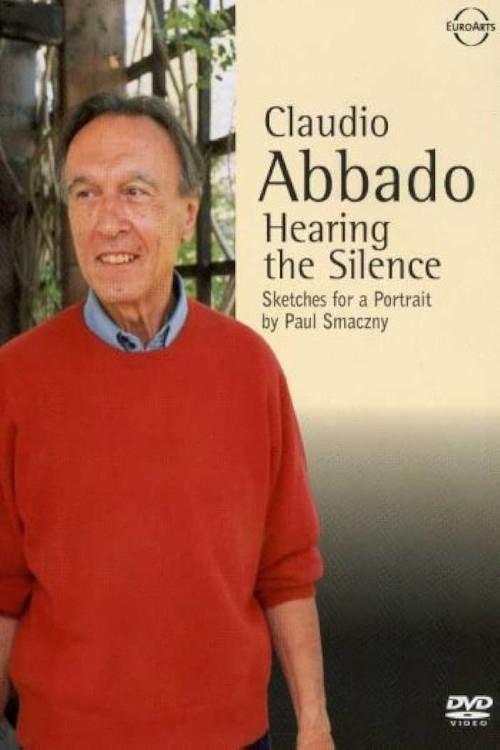
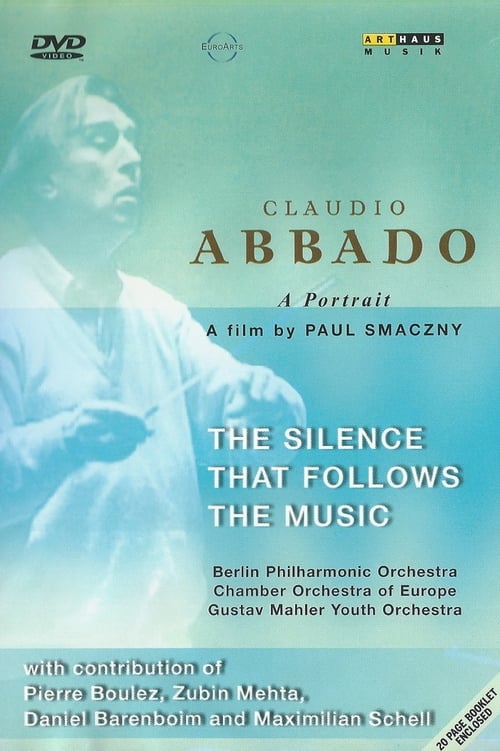
Shot over a two-year period observing Abbado: a) Rossini, Overture to 'll Barbiere di Siviglia' b) Schubert, Symphony no. 2 B-Major, D. 125 c) Arnold Schonberg, Kammersinfonie no. 1 E-Major op. 9 (Filmed in Venice, Gran Teatro La Fenice, in February 1995, Chamber Orchestra of Europe). a) Richard Strauss, Elektra (Deborah Polaski, Karita Mattila, Marjana Lipovsek, Ferrucio Furlanetto) b) Beethoven, Symphony no 6 F-Major, op. 68, 'Pastorale' (Filmed in the Festspielhaus Salzburg on the occasion of the Easter Festival, April 1995, Berlin Philharmonic). a) Beethoven, Concerto for piano and orchestra no. 3 C-MINOR, OP. 37 (Maria Joao Pires) b) Bruckner, Symphony no. 9 D-Minor (Filmed in Paris, Cite de la Musique, in August 1995, Gustav Mahler Youth Orchestra).