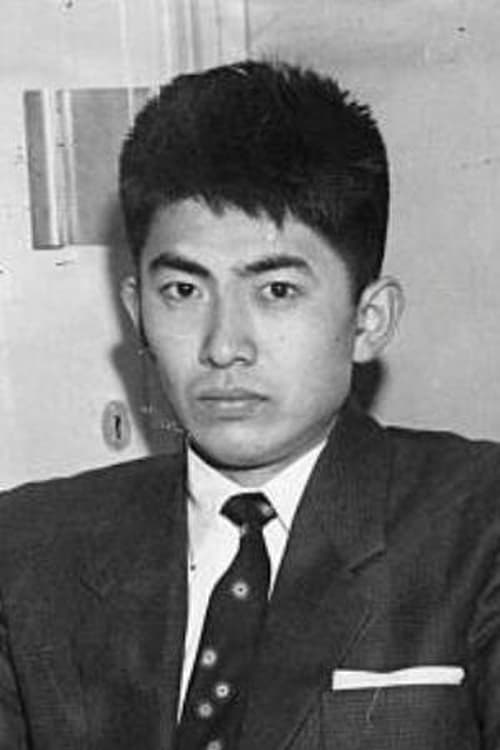
Shintarō Ishihara
Writing
Known For
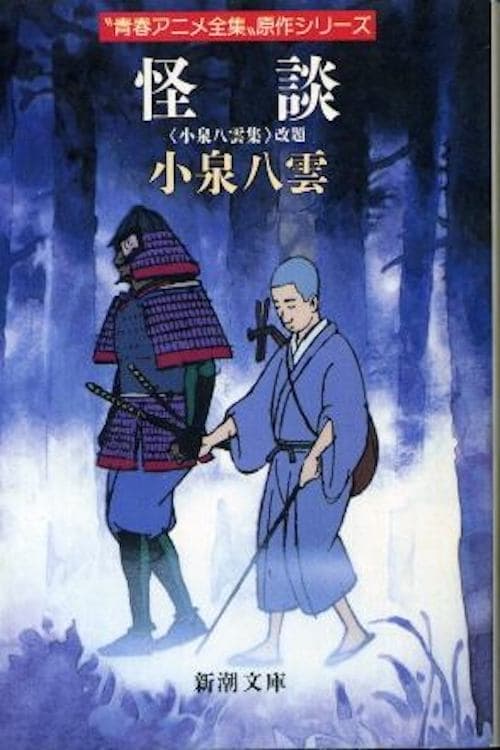
A brilliant collection of beautifully animated episodes based on selected masterpieces of Japanese modern literature. The aim of this series is to appeal to the viewer at large and to give him or her some idea of the variety and individuality which Japanese literature has developed over the last hundred years. The authors range from Higuchi Ichiyou (Takekurabe), Mori Ougai (The Dancing Girl) and Natsume Souseki (Botchan) to Kawabata Yasunari (The Izu Dancer), Nobel laureate of 1968, and Mishima Yukio (The Sound of Waves).
Animated Classics of Japanese Literature
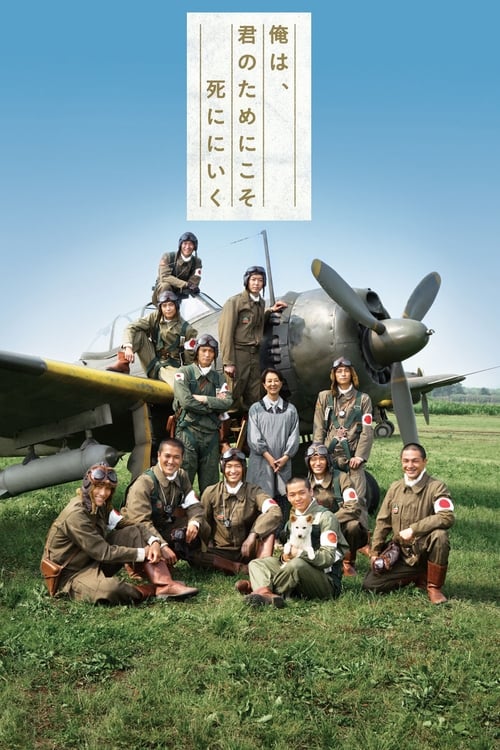
In 1943, as Japan's WWII effort falters, a vice-admiral proposes training squadrons of "volunteer" flyers to crash their armed planes into Allied warships. Yarn follows the lives of kamikaze pilots, as remembered by an aging Kyushu restaurateur who cherishes their memory. Honoring the dead and multiple military anthems may stir the soul of some Japanese, but elsewhere auds will make a one-way trip for exits. Battle scenes are well-executed and script delivers some memorable scenes, but overall competent helming and thesping are powerless over writer-cum-Tokyo governor Shintaro Ishiara's repetitive storytelling. A post-war postscript adds considerable length to an already over-extended narrative. Tech credits are good quality.
For Those We Love
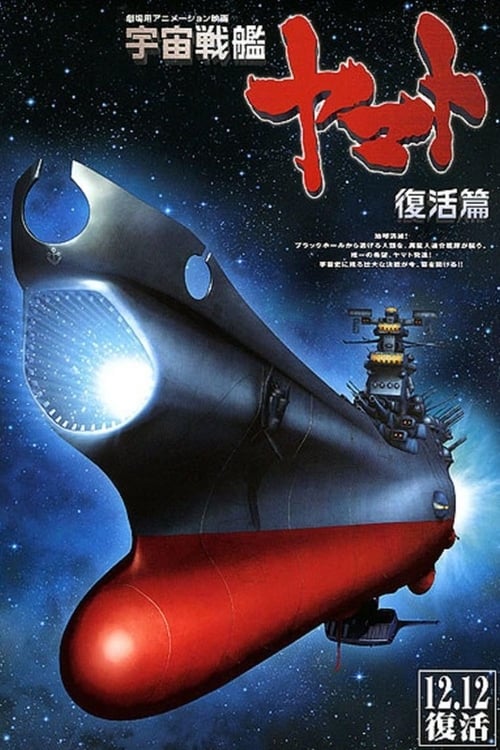
In the year 2220 A.D., the Earth Federation launches a plan to evacuate Earth when discovering that a travelling black hole capable of destroying anything in its path is on course towards the solar system. As the people on Earth prepare to relocate to planet Amare, whose ruler offers refuge, the tyrants known as the "S.U.S. Empire" attack the first Earth evacuation fleet. After learning that his wife Capt. Yuki Mori-Kodai disappeared in the battle and that legendary space battleship Yamato has been fully rebuilt, Susumu Kodai accepts command of the ship as he intends to not only help humanity once again, but also find Yuki in the hope of helping his relationship with his daughter Miyuki, who puts the blame on him for her mother's disappearance. But in order to fullfil the mission, the Yamato must go through battles against the SUS Empire, who intend to spoil humanity's hopes of finding a new place to live in and turn Earth into energy for their own selfish needs.
Space Battleship Yamato Resurrection

Two brothers compete for the amorous favors of a young woman during a seaside summer of gambling, boating, and drinking.
Crazed Fruit

A gangster gets released from prison and has to cope with the recent shifts of power between the gangs, while taking care of a thrill-seeking young woman, who got in bad company while gambling.
Pale Flower

A female reporter is fired for writing about police corruption; to make money while hiding from the press, she posts a bounty upon herself.
Hole in One

Udaka is a new, post-war city where corruption has already taken hold. A persistent district attorney wants to arrest and convict Katsumata, a laughing, self-confident thug. The D.A. gets an anonymous letter about the suicide five years' before of a city council member. Evidence about the case leads the D.A. to Tachibana, struggling to go straight after involvement with the mob and a prison sentence for killing the man responsible for the rape and suicide of his fiancée. One of Tachibana's friends is Keiko, the daughter of the dead councilman and the ward of another powerful official. How do these stories connect?
Rusty Knife

A former boxer gets involved with a club hostess trying to escape the clutches of her gangster employer.
I Am Waiting

Years of warfare end in a Japan unified under the Tokugawa shogunate, and samurai spy Sasuke Sarutobi, tired of conflict, longs for peace. When a high-ranking spy named Tatewaki Koriyama defects from the shogun to a rival clan, however, the world of swordsmen is thrown into turmoil. After Sasuke is unwittingly drawn into the conflict, he tracks Tatewaki, while a mysterious, white-hooded figure seems to hunt them both. By tale’s end, no one is who they seemed to be, and the truth is far more personal than anyone suspected. Director Masahiro Shinoda’s Samurai Spy, filled with clan intrigue, ninja spies, and multiple double crosses, marks a bold stylistic departure from swordplay film convention.
Samurai Spy
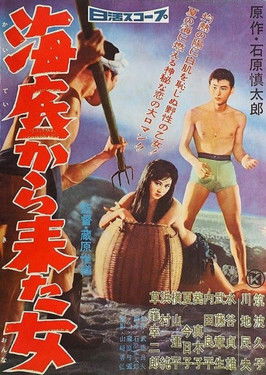
While in vacation in a sea side house, a young man fall in love with a beautiful woman who pretends to live by herself in the sea. The fishermen of a nearby village think she is a monster, the female of a shark killed many years before, responsible for many disappearances.
Woman from the Sea
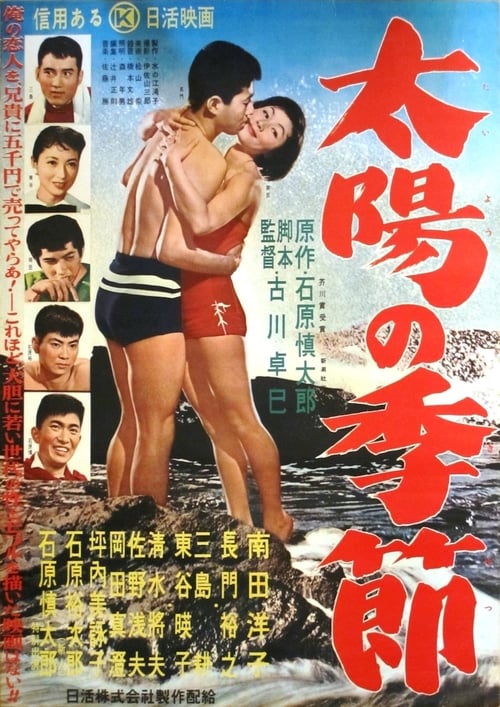
The film tells the story of a group of high school boxing team members who spend their days drinking, sailing and chasing girls, and who more often than not spend their nights getting into brawls. In particular, it focuses upon Tatsuya, a sullen young man, who falls in love with Eiko, a proud upper-class girl.
Season of the Sun

Love at Twenty unites five directors from five different countries to present their different perspectives on what love really is at the age of 20. The episodes are united with the score of Georges Delerue and still photos of Henri Cartier-Bresson.
Love at Twenty
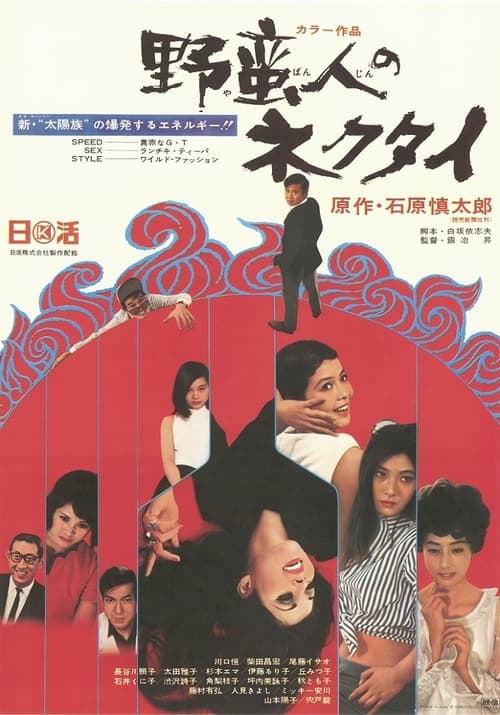
Motozo Imamura, a.k.a. Gen, grew up in an upper-class family, but he never went to school and spent his days playing around. One day, he walked into an orgy of male-female sexual misconduct, and when he dropped off Roze, whom he had met there, he saw her sister, Kaoru, forgetting her impurity. One day, he went to an orgy where he met Roze, and he could not forget the purity of her older sister, Kaoru. A few days later, Gen went to the party again and was mistaken for the boss's brother.
Yabanjin no Nekutai

Seeking revenge against the guard who tormented him, a young man returns to the island where he was imprisoned in reform school. But his plans for vengeance are disturbed when he encounters a strange and beautiful young woman.
Captive's Island
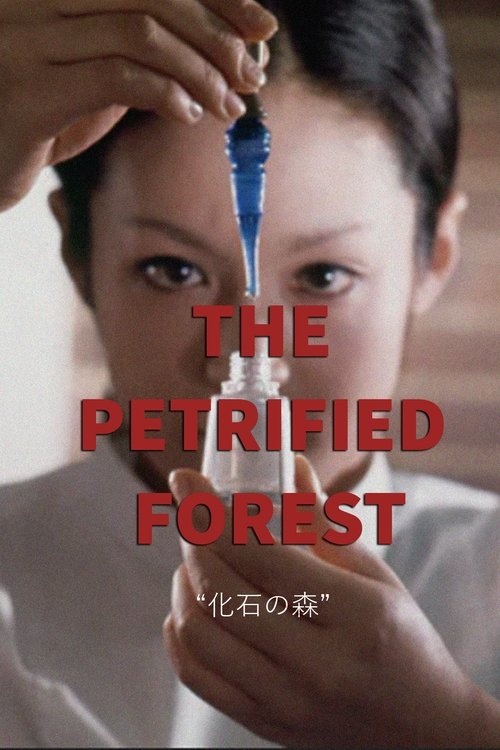
Follows a young med student's relationships with two women: a dangerous affair with a childhood friend and his mother's struggle to rebuild their estranged relationship.
The Petrified Forest

College students come up with a scam to rob a gambling house. When it comes time to collect, the money isn't there, leading the young men into even more serious crime.
The Perfect Game
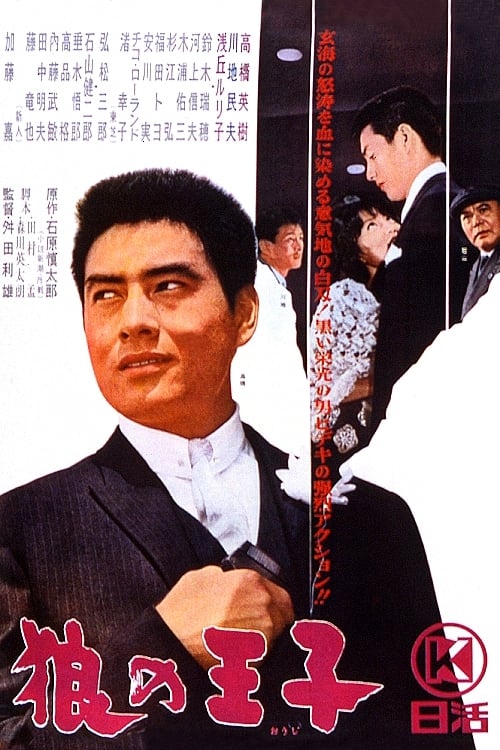
As the post-war turmoil continued, Take, the boss of the waifs, stole the money of US soldiers and lived with friends. They were like children of wolves. By chance, they were found by and became a members of a yakuza family. Five years later, Take dominated the port town as a young boss.
Prince of Wolves
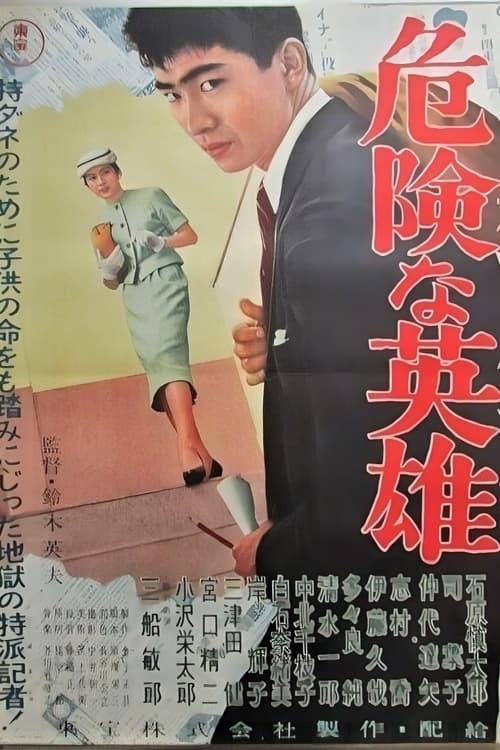
A film by Hideo Suzuki.
A Dangerous Hero
Takeshi, bound to be an outlaw youth, boards at the home of his female schoolmate who works at the family restaurant in devil-may-care Akasaka.
Tree of Youth

Shimada is a student of U College. When the college's baseball team wins the day, he and his friend Ito drug two girls they met at the game.