FEEL IT.STREAM
Francis Lederer

Francis Lederer

Acting

Biography

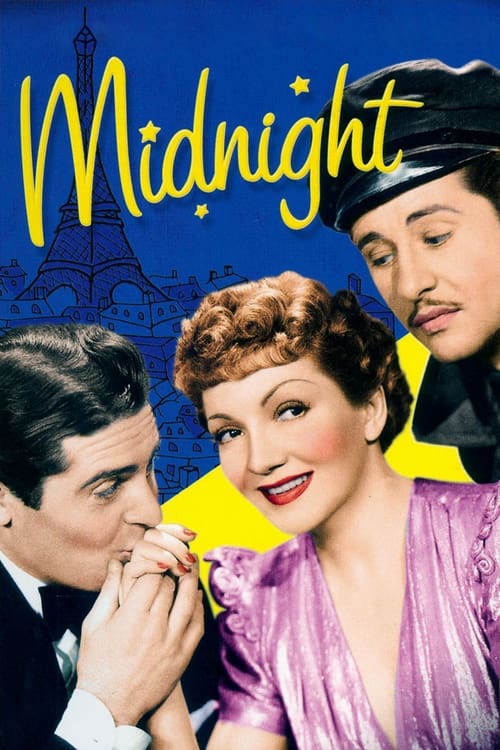
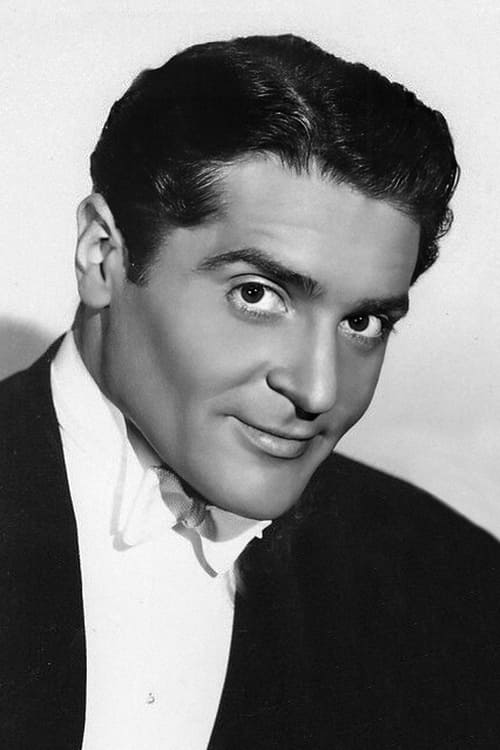
From Wikipedia, the free encyclopedia. Francis Lederer (November 6, 1899 – May 25, 2000) was a Czech-born film and stage actor with a successful career, first in Europe, then in the United States. His original name was František Lederer. Lederer's first American movies were Man of Two Worlds (1934), Romance in Manhattan (1934), with Ginger Rogers, The Gay Deception (1935), with Frances Dee, and One Rainy Afternoon (1936). He was cast as the lead with Katharine Hepburn in the 1935 film Break of Hearts, but the producers replaced him with Charles Boyer. It was Irving Thalberg's plan to make Lederer "the biggest star in Hollywood" but the death of Thalberg ended this possibility. Although he continued to play leads occasionally – notably when he was a playboy in Mitchell Leisen's Midnight with Claudette Colbert and John Barrymore in 1939 – in the late 1930s Lederer began to expand his character parts, even playing villains. Edward G. Robinson praised Lederer's performance as a German American Bundist in Confessions of a Nazi Spy in 1939, and he earned plaudits for his portrayal of a fascist in The Man I Married (1940) with Joan Bennett. He also played Count Dracula for The Return of Dracula in 1958. Throughout his career, Lederer, who studied with Elia Kazan at the Actors Studio in New York City, continued to take stage acting seriously, and he performed often both in New York and elsewhere. He appeared in stage productions of Golden Boy (1937), Seventh Heaven (1939), No Time for Comedy (1939), in which he replaced Laurence Olivier, The Play's the Thing (1942), A Doll's House (1944), Arms and the Man (1950), The Sleeping Prince (1956) and The Diary of Anne Frank (1958). Although he took a break from making films in 1941, in order to concentrate on his stage work, he returned to the silver screen in 1944, appearing in Voice in the Wind and The Bridge of San Luis Rey, and in films such as Jean Renoir's The Diary of a Chambermaid (1946) and Million Dollar Weekend (1948). He took another break from Hollywood in 1950, after making Surrender (1950), and returned in 1956 with Lisbon and the light comedy The Ambassador's Daughter. His final film appearance was in Terror Is a Man in 1959. During the 1950s, he served as honorary mayor of Canoga Park. He would continue to make television appearances for the next 10 years in such shows as Sally, The Untouchables, Ben Casey, Blue Light, Mission: Impossible and That Girl. His final television appearance occurred in a 1971 episode of Rod Serling's Night Gallery called "The Devil Is Not Mocked". In it, he reprised his role as Dracula from The Return of Dracula.
Known For

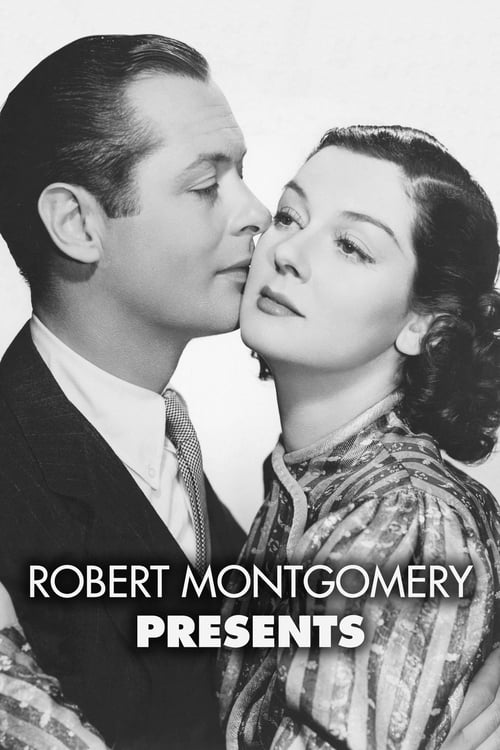
Robert Montgomery Presents
6.0

Robert Montgomery Presents is an American dramatic television series which was produced by NBC from January 30, 1950 until June 24, 1957. The live show had several sponsors during its seven-year run, and the title was altered to feature the sponsor, usually Lucky Strike cigarettes, for example, Robert Montgomery Presents Your Lucky Strike Theater, ....The Johnson's Wax Program, and so on.

Robert Montgomery Presents

1950
Mission: Impossible
7.6

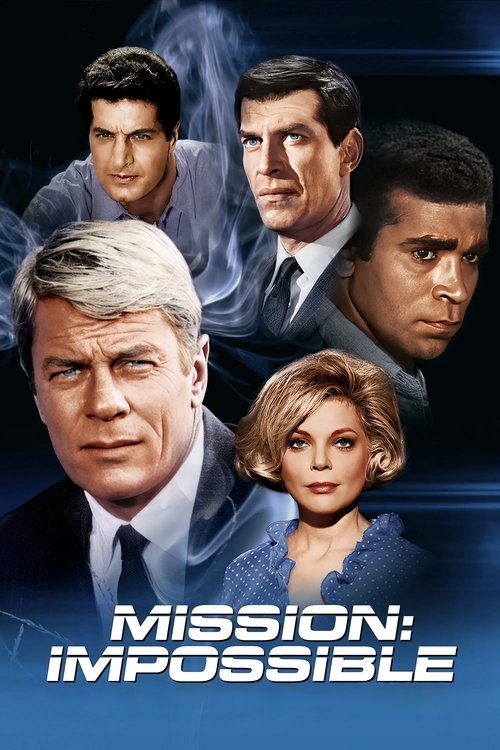
Mission: Impossible is an American television series that was created and initially produced by Bruce Geller. It chronicles the missions of a team of secret government agents known as the Impossible Missions Force. In the first season, the team is led by Dan Briggs, played by Steven Hill; Jim Phelps, played by Peter Graves, takes charge for the remaining seasons. A hallmark of the series shows Briggs or Phelps receiving his instructions on a recording that then self-destructs, followed by the theme music composed by Lalo Schifrin. The series aired on the CBS network from September 1966 to March 1973, then returned to television for two seasons on ABC, from 1988 to 1990, retaining only Graves in the cast. It later inspired a popular series of theatrical motion pictures starring Tom Cruise, beginning in 1996.

Mission: Impossible

1966
Matinee Theater
5.3

Matinee Theater is an American anthology series that aired on NBC during the Golden Age of Television, from 1955 to 1958. The series, which ran daily in the afternoon, was frequently live. It was produced by Albert McCleery, Darrell Ross, George Cahan and Frank Price with executive producer George Lowther. McCleery had previously produced the live series Cameo Theatre which introduced to television the concept of theater-in-the-round, TV plays staged with minimal sets. Jim Buckley of the Pewter Plough Playhouse recalled: When Al McCleery got back to the States, he originated a most ambitious theatrical TV series for NBC called Matinee Theater: to televise five different stage plays per week live, airing around noon in order to promote color TV to the American housewife as she labored over her ironing. Al was the producer. He hired five directors and five art directors. Richard Bennett, one of our first early presidents of the Pewter Plough Corporation, was one of the directors and I was one of the art directors and, as soon as we were through televising one play, we had lunch and then met to plan next week’s show. That was over 50 years ago, and I’m trying to think; I believe the TV art director is his own set decorator —yes, of course! It had to be, since one of McCleery’s chief claims to favor with the producers was his elimination of the setting per se and simply decorating the scene with a minimum of props. It took a bit of ingenuity.

Matinee Theater

1955
The Philco Television Playhouse
6.6

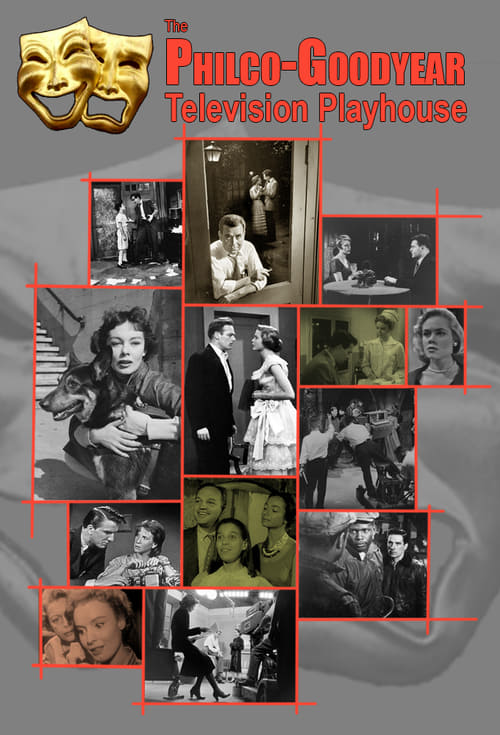
The Philco Television Playhouse is an American anthology series that was broadcast live on NBC from 1948 to 1955. Produced by Fred Coe, the series was sponsored by Philco. It was one of the most respected dramatic shows of the Golden Age of Television, winning a 1954 Peabody Award and receiving eight Emmy nominations between 1951 and 1956.

The Philco Television Playhouse

1948
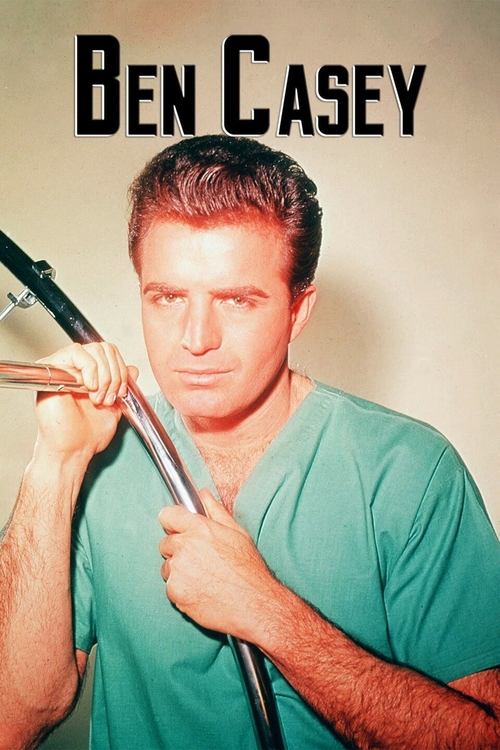
Ben Casey
5.9

No description available.

Ben Casey

1961
Studio One
5.4

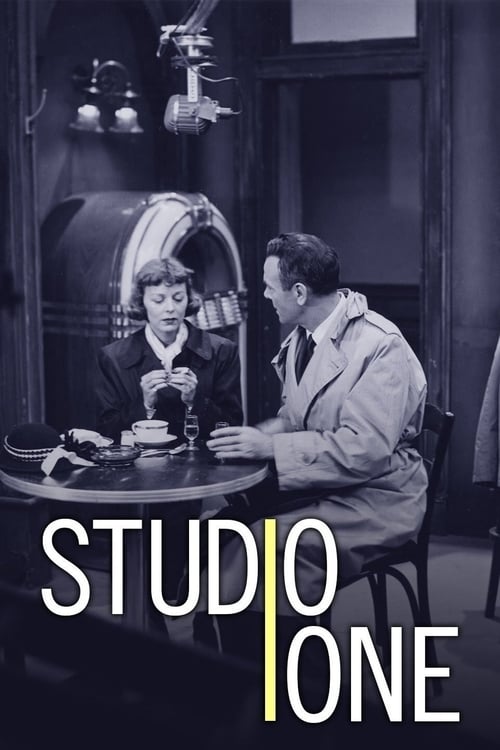
An American radio–television anthology series, created in 1947 by Canadian director Fletcher Markle, who came to CBS from the CBC. Studio One, presented by Westinghouse, was one of the first of the anthology TV programs. The episodes were often abridged remakes of movies from years gone by and many future well-known television and movie actors appeared in the productions.

Studio One

1948
Night Gallery
7.8

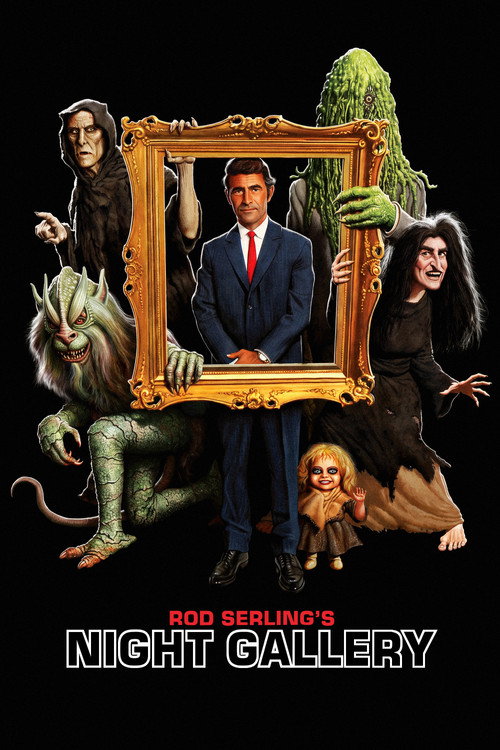
Rod Serling narrates an anthology of fantasy, horror and sci-fi stories from a set resembling a macabre museum. A chilling work of art serves as the connective link between the stories.

Night Gallery

1970
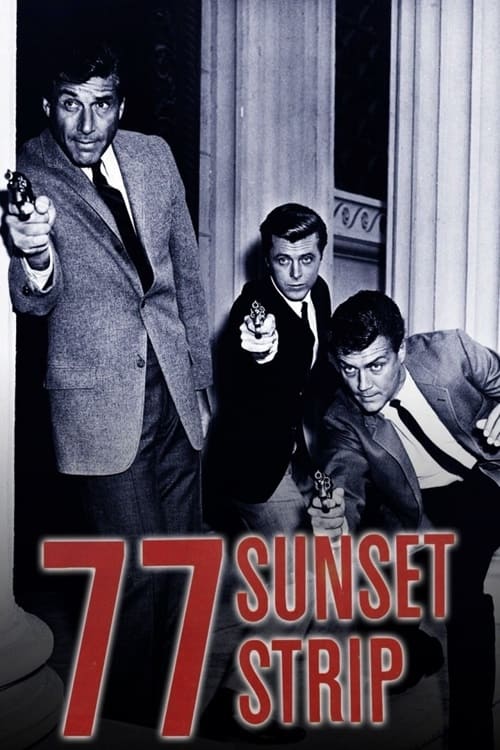
77 Sunset Strip
7.1

Stu Bailey and Jeff Spencer are the wisecracking, womanizing private-detective heroes of this Warner Brothers drama. They work out of an office located at 77 Sunset Strip in Los Angeles, California, right next door to a snazzy restaurant where Kookie works as a valet. The finger-snapping, slang-talking Kookie occasionally helps Stu and Jeff with their cases, and eventually becomes a full-fledged member of the detective agency. Rex Randolph and J.R. Hale also join the firm, and Suzanne is their leggy secretary.

77 Sunset Strip

1958
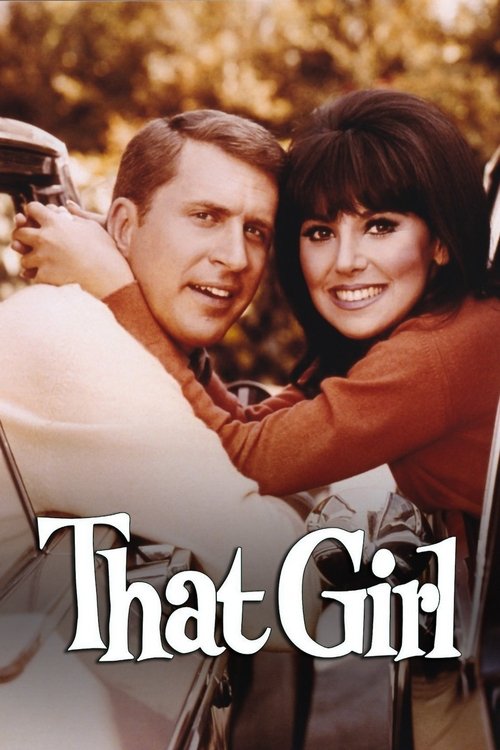
That Girl
6.2

That Girl is an American sitcom that ran on ABC from 1966 to 1971. It stars Marlo Thomas as the title character Ann Marie, an aspiring actress, who moves from her hometown of Brewster, New York to try to make it big in New York City. Ann has to take a number of offbeat "temp" jobs to support herself in between her various auditions and bit parts. Ted Bessell played her boyfriend Donald Hollinger, a writer for Newsview Magazine; Lew Parker and Rosemary DeCamp played Lew Marie and Helen Marie, her concerned parents. Bernie Kopell, Ruth Buzzi and Reva Rose played Ann and Donald's friends. That Girl was developed by writers Bill Persky and Sam Denoff, who had served as head writers on The Dick Van Dyke Show earlier in the 1960s.

That Girl

1966
Kraft Suspense Theatre
6.5

No description available.

Kraft Suspense Theatre

1963
No image
6.7

Lux Video Theatre is an American anthology series that was produced from 1950 until 1959. The series presented both comedy and drama in original teleplays, as well as abridged adaptations of films and plays.

Lux Video Theatre

1950
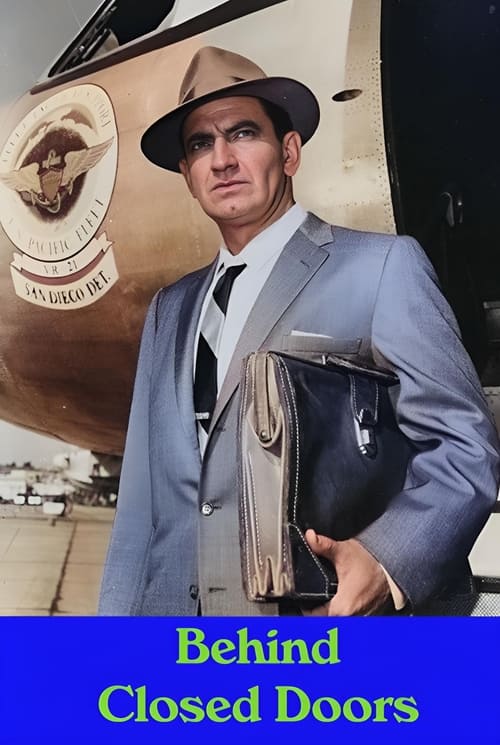
Behind Closed Doors
8.0

Behind Closed Doors is an American drama series set during the Cold War hosted by and occasionally starring Bruce Gordon in the role of Commander Matson. The series, which aired on NBC from October 2, 1958, to April 9, 1959, focuses, among other themes, on how the former Soviet Union stole American missile secrets and proposes steps to prevent further espionage. Behind Closed Doors is based on the files and experiences of Rear Admiral Ellis M. Zacharias, who offers comments at the end of each segment. Behind Closed Doors, a Screen Gems production, replaced Jackie Cooper's sitcom The People's Choice, followed the NBC quiz show, Twenty-One, and preceded the The Tennessee Ernie Ford Show. Its competition was The Pat Boone Chevy Show on ABC and Dick Powell's Zane Grey Theater western anthology series on CBS.

Behind Closed Doors

1958
Blue Light
7.0

A U.S. double agent in WWII Germany infiltrates Nazi councils while evading Allied intelligence (publicly, he was a foreign correspondent who had renounced his American citizenship). Three episodes of the series were stitched together into the 1966 theatrical movie 'I Deal in Danger.'

Blue Light

1966
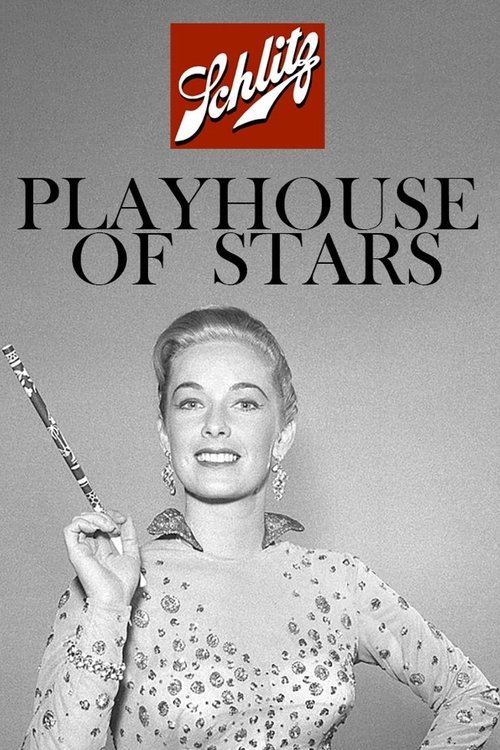
Schlitz Playhouse of Stars
7.2

Schlitz Playhouse of Stars is an anthology series that was telecast from 1951 until 1959 on CBS. Offering both comedies and drama, the series was sponsored by the Joseph Schlitz Brewing Company. The title was shortened to Schlitz Playhouse, beginning with the fall 1957 season.

Schlitz Playhouse of Stars

1951
Film Emigration from Nazi Germany
9.0

Based on extensive interviews, shot on 16mm in a series of static long takes, Filmemigration aus Nazideutschland, is one of the most fascinating examples of "Film history on film" ever produced. Straschek devoted years to researching the topic and accumulating both film and non-film materials. Apart from some radio features and articles, however, this 290-minute TV programme remains the only published trace of Straschek's lifelong work on the emigration of film personnel. He had intended to publish a three-volume book, encompassing all available data about 3,000 emigrants originating from the centre and peripheries of film production, but the book never materialised.

Film Emigration from Nazi Germany

1975
Lisbon
6.4

For Capt. Robert John Evans, smuggling black-market goods is nothing out of the ordinary. But one day he's hired by Aristides Mavros for a more involved assignment -- sneaking an imprisoned American out of communist-controlled territory. The job seems challenging enough, but when he meets the prisoner's sultry wife, Sylvia, he realizes his mission comes with a startling catch: Not only must he rescue this man, he must bring him back from the dead.

Lisbon

1956
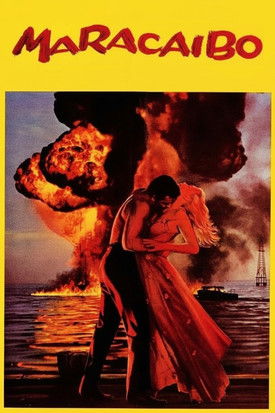
Maracaibo
6.5

A firefighter is sent to Venezuela to battle a blazing oil well but still finds time for romance.

Maracaibo

1958
Pandora's Box
7.5

The rise and inevitable fall of an amoral but naive young woman whose insouciant eroticism inspires lust and violence in those around her.

Pandora's Box

1929
Surrender
4.8

Violet Barton, a femme-fatale goal-setter, fascinates men and readily returns their affection to obtain the wealth she desires, even to the point of bigamy. She has an affair with gambler Gregg Delaney but marries his best friend, Johnny Hale, when she discovers Hale is the richest man in Texas. This loses her the respect of her sister, Janet, who loves Hale, and Delaney, who loves Violet. Meanwhile, town sheriff Bill Howard is working hard to get Delaney to confess to a murder.

Surrender

1950
The Diary of a Chambermaid
6.2

Celestine, the chamber-maid, has a new job in the country, at the Lanlaires. She has decided to use her beauty to seduce a wealthy man, but Mr. Lanlaire is not a right choice: the house is firmly controlled by Madame Lanlaire, helped by the strange valet Joseph. Then she tries the neighbour, former officer Mauger. This seems to work. But soon the son of the Lanlaires comes back. He is young, attractive and does not share his mother's antirepublican opinions. So Celestine's beauty attracts Captain Mauger, young Georges Lanlaire, and Joseph. Three men, from three different social classes, with three different conceptions of life. Will Celestine be able to convince Georges of her sincerity?

The Diary of a Chambermaid

1946