Acting
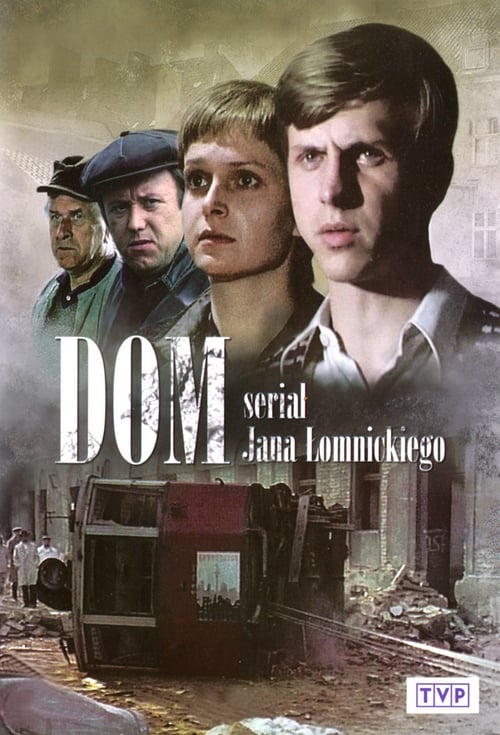
The story of the residents of a tenement house on Złota Street in Warsaw from 1945 to 1980.
A series about the adventures of a Polish secret agent, Hans Kloss, who acts as a double agent in the Abwehr during Second World War in occupied Poland.
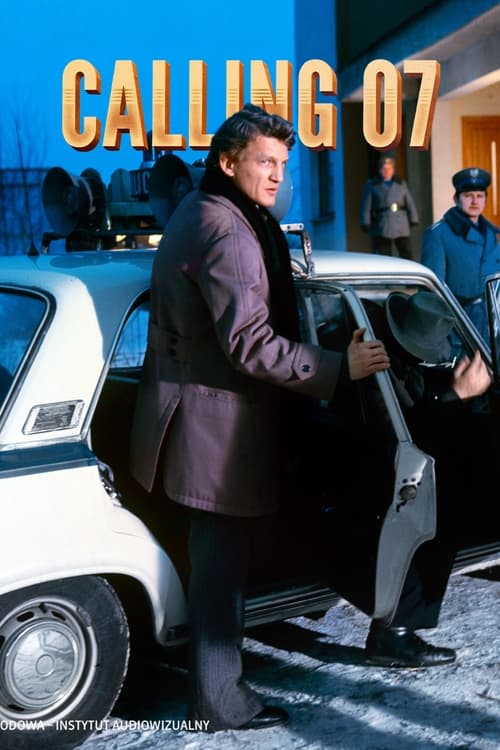
The series centres around the investigations of Police Lieutenant Sławomir Borewicz. Each episode features a different case being solved by Borewicz.
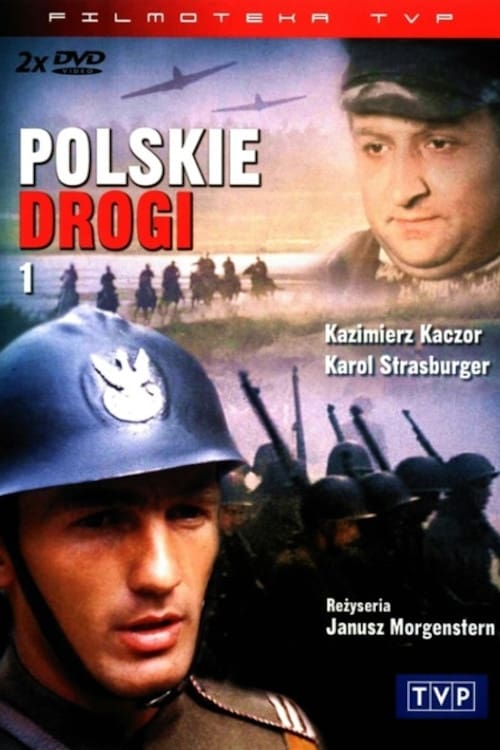
An epic, multi-threaded story about the fate of Poles during World War II. "Czas pogardy" was shown primarily from the perspective of two main characters - Lieutenant Władysław Niwiński and Leon Kuraś - a petty crook, but not without heroic traits. The authors of the series sought to show, in particular, everyday life under Nazi occupation in Poland.
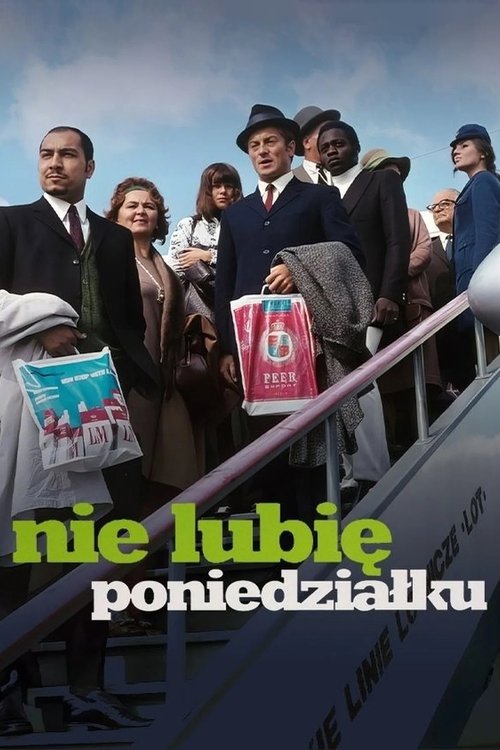
An acute case of Mondayitis in Warsaw. Interwoven stories of a few inhabitants of Warsaw, including one very unlucky Italian on a governmental mission and a charitable Polish American.
No description available.
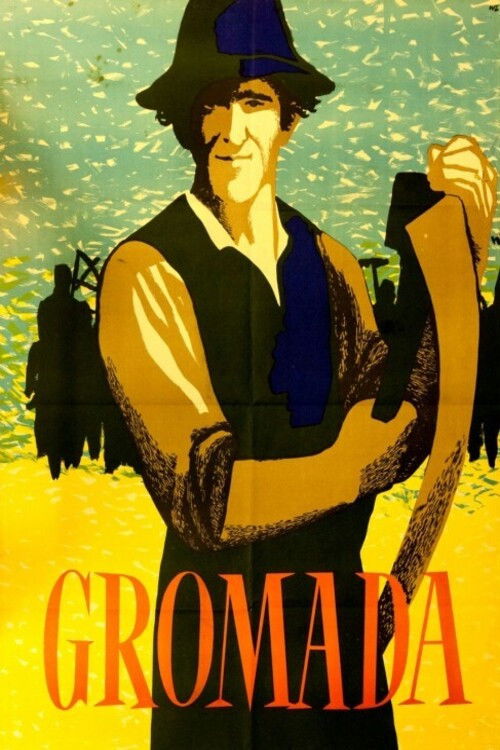
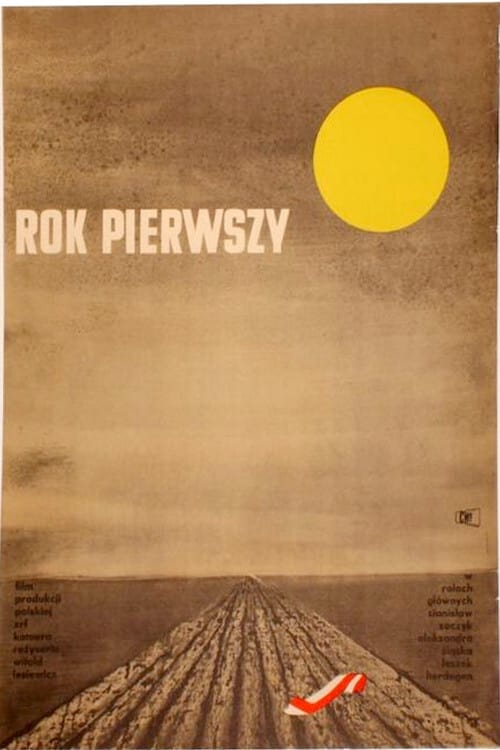
The struggle between poor villagers, who are eager to build a co-operative mill and a cultural centre, and the village wealthy men - the miller and the kulaks - who are desperate to stop the farmers.
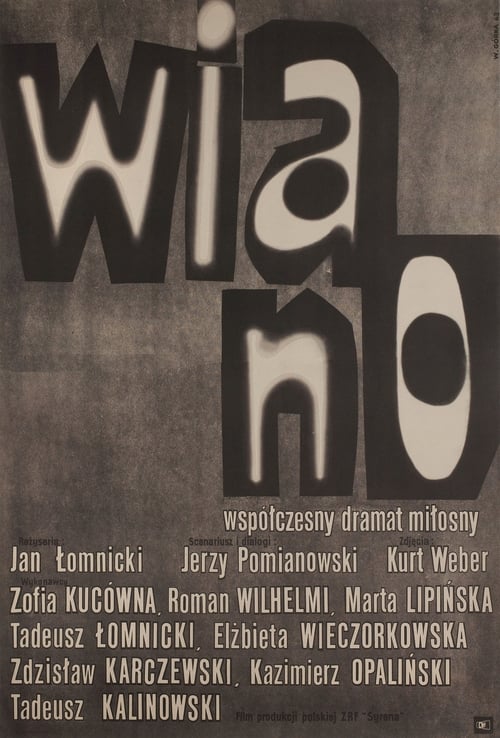
Wacław Urbin joins an exclusive club, learning the secrets of its members.
A promising but hot-headed young. boxer studies with a kind, knowing manager, grooming him for the Olympics.
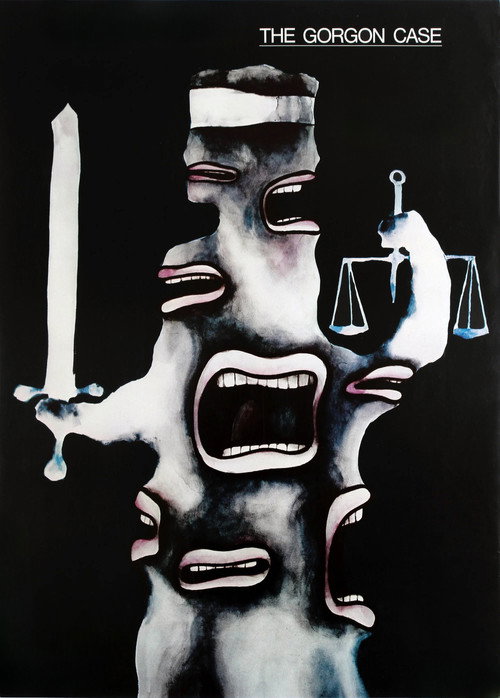
In 1931, just before the New Year, in a house of architect Henryk Zaremba scream rips the night. The daughter of Zaremba is found killed in her bedroom, obviously killed with a pickaxe. The police arrives and starts the investigation. Rita Gorgonova, the governess of the girl and also lover of Zaremba becomes the main suspect.
Two-part biopic about General Karol Świerczewski, living embodiment of the party line, and the group of party members from his hometown fighting the fascist forces towards the socialist state of affairs.
A peasant girl is abandoned by her fiancé after she has talked her father into giving her his land as a dowry.
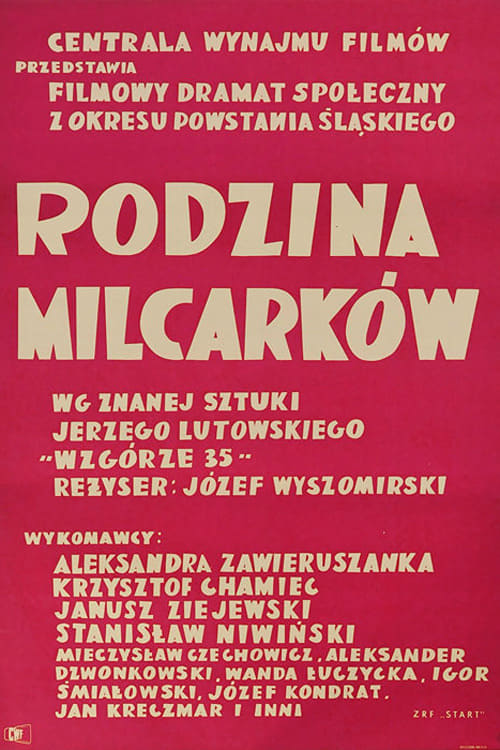
The fate of a working-class family during the third Silesian Uprising.
A journalist investigates a mysterious murder in the countryside.
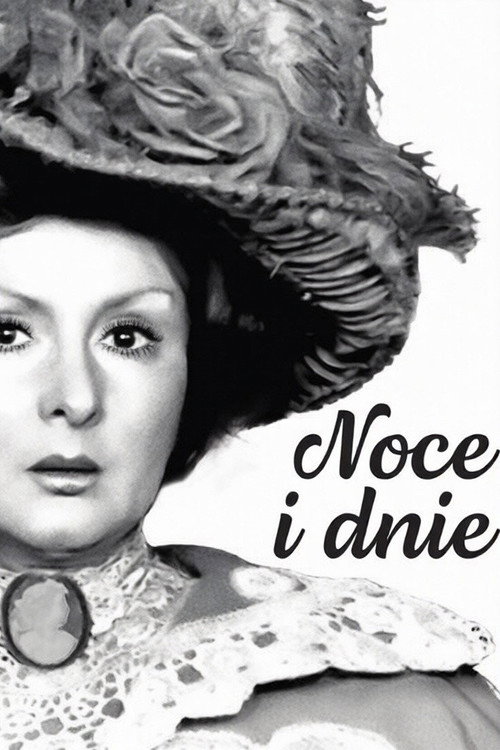
A family saga of Barbara Ostrzeńska-Niechcic and Bogumił Niechcic against the backdrop of the January Uprising of 1863 and World War I. The film is a rather straightforward and faithful adaptation of a novel by Maria Dabrowska with the same title. The plot is woven around the changing fortunes of a noble (upper-class) Niechcic family in the pre-WWI Poland. There are two main crossing threads: a social history one and an existential one.
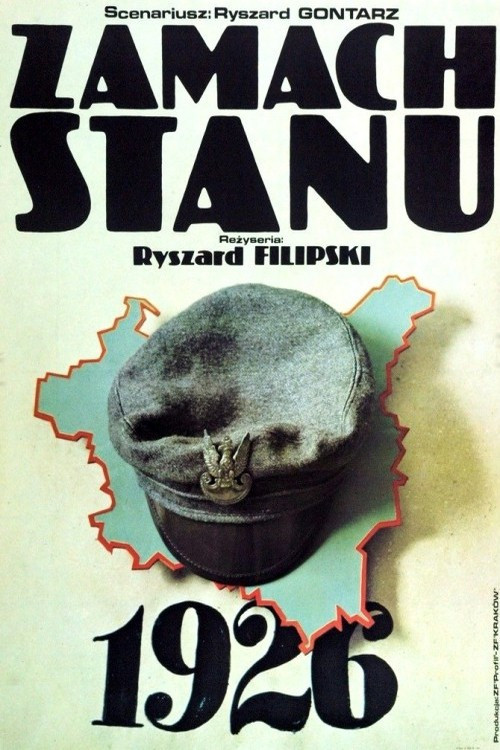
Fall 1925. Six hundred officers demonstrate in front of Józef Piłsudski’s country house in Sulejówek, demanding the Marshal’s return to active political life. May 1926—a government crisis; Wincenty Witos forms a new government. Piłsudski’s move sparks clashes between supporters and opponents of the ousted government. Piłsudski appoints Kazimierz Bartel as prime minister. The beginning of the “moral reform.” Ignacy Mościcki becomes president. Summer 1930. A joint platform of opponents to the Sanacja government is formed. “Centrolew” is established.
Świętokrzyskie Mountains, 1944. A People's Army unit receives orders to transport a party delegate outside the front line, while heavy fighting is going on between the Germans and resistance fighters in the region.
1944. Communist militiaman take a post in a little town in the east of Poland. He has to stand against his own men that are not happy with new authorities.
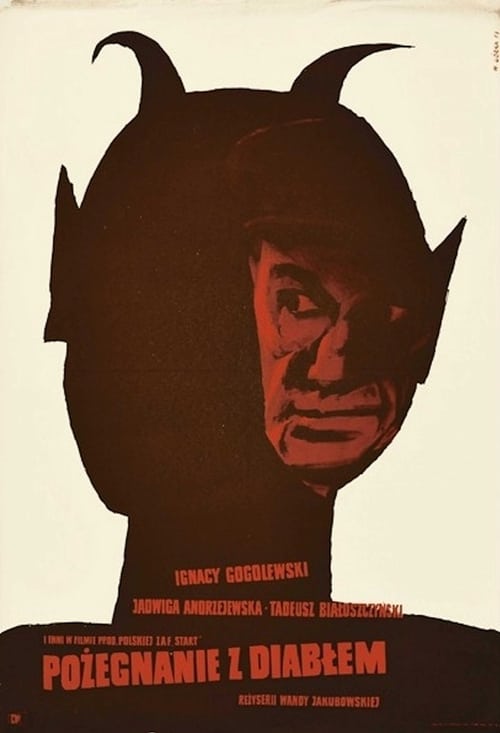
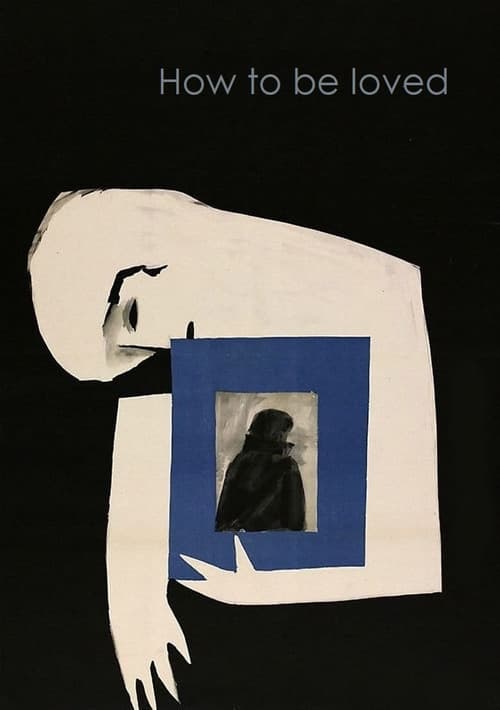
An actress travels from Warsaw to Paris and during the trip reflects on the last few years of her life. It goes back to the German occupation and her hiding of a fellow actor who has supposedly killed a collaborator.