Frederick Ashton
Crew
Biography
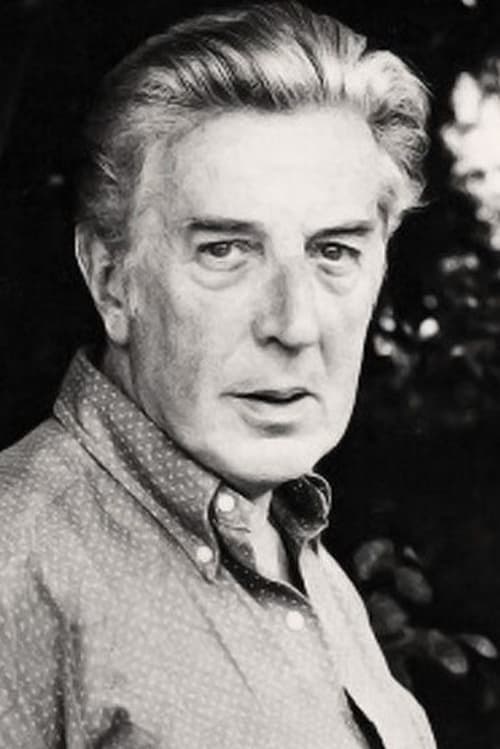
From Wikipedia, the free encyclopedia. Sir Frederick William Mallandaine Ashton OM, CH, CBE (17 September 1904 – 18 October 1988) was a leading international dancer and choreographer. He is most noted as the founder choreographer of The Royal Ballet in London, but also worked as a director and choreographer of opera, film and theatre revues. Description above from the Wikipedia article Frederick Ashton, licensed under CC-BY-SA, full list of contributors on Wikipedia
Known For

Passengers on an ocean liner recall their greatest loves.
The Story of Three Loves

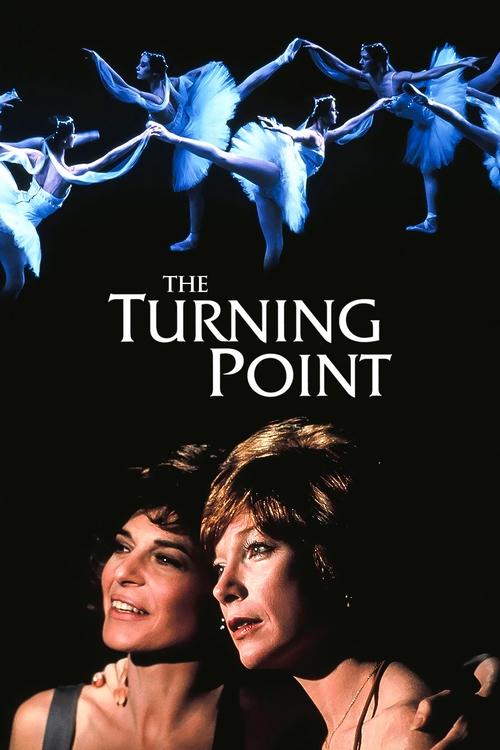
As young dancers, they were best friends and fierce rivals. Deedee left the stage for marriage and motherhood, while Emma would become an international ballet icon. But when Deedee's teenage daughter is invited to join Emma's dance company and begins an affair with a young Russian star, the two women are forced to confront the choices they've made, the resentments they've hidden and the emotional truths they must face at the turning point.
The Turning Point

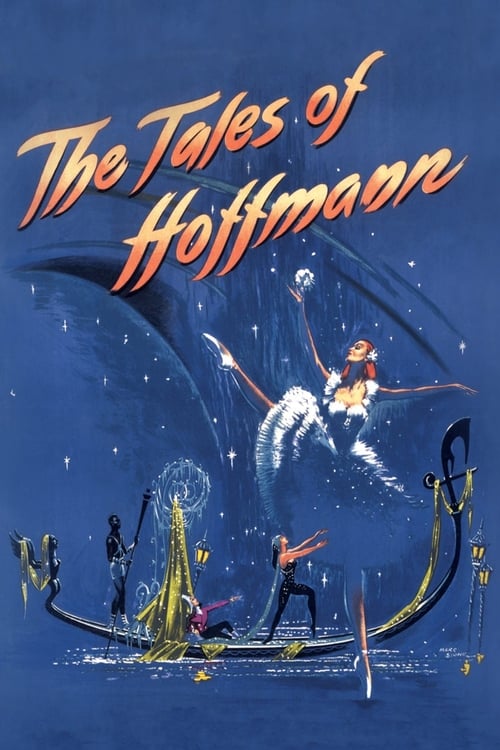
A melancholy poet reflects on three women he loved and lost in the past: a mechanical performing doll, a Venetian courtesan, and the consumptive daughter of a celebrated composer.
The Tales of Hoffmann

Stuck at home and put to work by her spoiled Step-Sisters, Cinderella’s life is dreary and dull. Everything changes when she helps a mysterious woman out... With a little bit of magic, she is transported into an ethereal new world – one where fairies bring the gifts of the seasons, where pumpkins turn into carriages, and where true love awaits.
Royal Ballet & Opera 2025/26: Cinderella

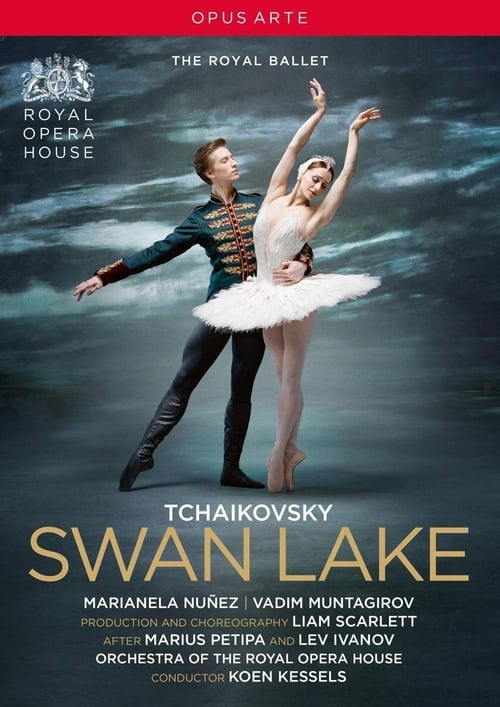
Prince Siegfried is celebrating his coming of age. The Queen Mother informs him that, the following day, during the grand ball held to mark his birthday, he must choose a future wife. Displeased at not being able to choose her out of love, he goes into the forest during the night. It is then that he spots a flock of swans. He raises his crossbow, prepares to shoot, but stops immediately: before him stands a beautiful woman dressed in white swan feathers, followed by twelve other women dressed in the same way, four of whom are known as the ‘little swans’. ‘Swan Lake’ is a ballet by Pyotr Ilyich Tchaikovsky, comprising 4 acts and 4 scenes, or 3 acts and 4 scenes. The staging is based on a libretto by Vladimir Begichev and Vasili Geltser. The story is an ancient German legend recounting the tale of the beautiful Princess Odette, transformed into a swan by the curse of the evil sorcerer Rothbart. Recorded live at the Royal Opera House, Covent Garden, on 17 March 2015.
Tchaikovsky: Swan Lake

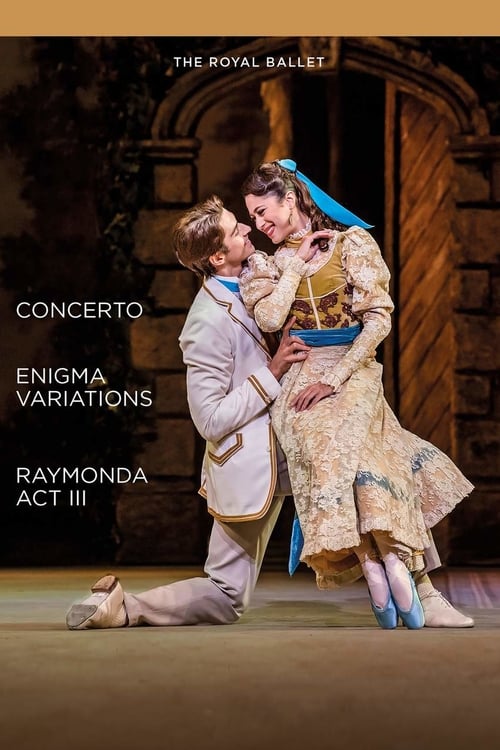
From The Royal Ballet’s classical origins in the works of Petipa, to the home-grown choreographers who put British ballet on the world stage, this mixed programme highlights the versatility of the Company. Petipa’s Raymonda Act III is Russian classical ballet summarized in one act, full of sparkle and precise technique, while Ashton’s Enigma Variations is quintessentially British in every way – from its score by Elgar and period designs by Julia Trevelyan Oman, to Ashton’s signature style, the essence of British ballet. Concerto, MacMillan’s fusion of classical technique with a contemporary mind, completes a programme that shows the breadth of the Company’s heritage.
Concerto / Enigma Variations / Raymonda Act III (Royal Ballet)

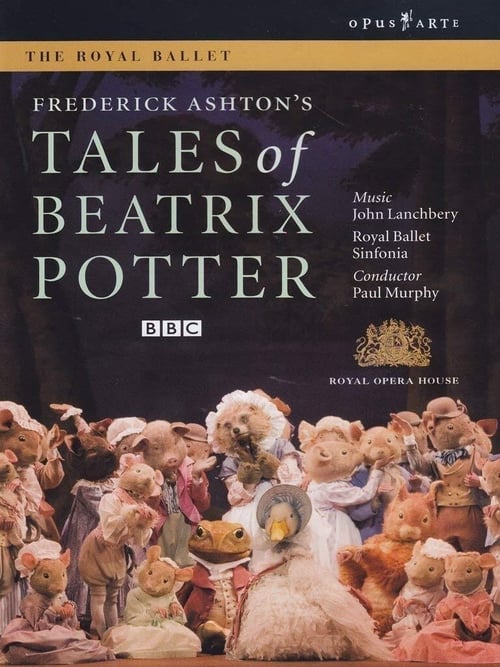
The Tales of Beatrix Potter is a 1992 ballet adapted for stage by Anthony Dowell from the 1971 film The Tales of Beatrix Potter that was choreographed by Frederick Ashton that in turn was based on the children's books by Beatrix Potter.
Frederick Ashton's Tales of Beatrix Potter

The Sleeping Beauty unites Petipa's demanding but enchanting choreography with Tchaikovsky's wonderful score in one of the best-loved of all classical ballets. This recording of Anthony Dowell's 1994 production for The Royal Ballet, with designs by Maria Björnson, features an outstanding cast led by Viviana Durante as a radiant Princess Aurora. She is partnered by Zoltán Solymosi as Prince Florimund and Anthony Dowell himself is a glitteringly elegant embodiment of evil as the wicked fairy Carabosse. The Royal Ballet, exceptional as ever, is accompanied by the Orchestra of the Royal Opera House, deftly conducted by Barry Wordsworth.
The Sleeping Beauty

The Dream: Frederick Ashton’s delightful interpretation of Shakespeare’s A Midsummer Night’s Dream is a classic of The Royal Ballet’s repertory. Symphonic Variations: Ashton was inspired to create a ballet on the four seasons – but as he began to choreograph he refined and purified until the ballet shook off its original meaning, emerging as an abstract celebration of movement and physicality. Marguerite and Armand: Marguerite, a Parisian courtesan, lies on her deathbed. She recalls her tragic love affair with Armand in a series of feverish flashbacks.
The ROH Live: The Dream / Symphonic Variations / Marguerite and Armand

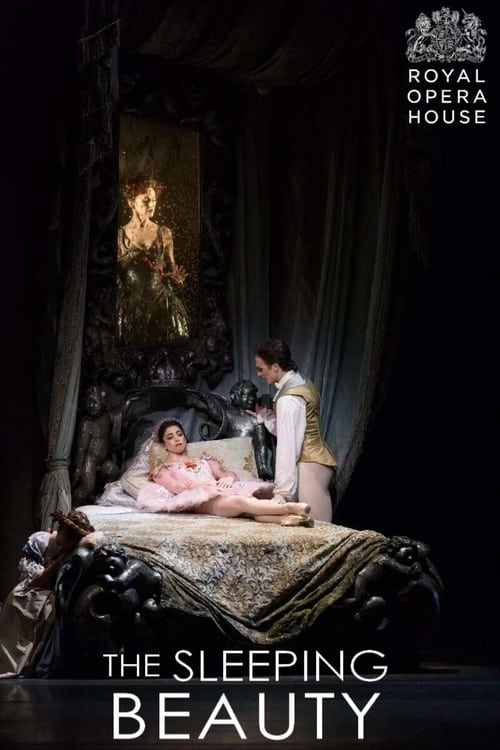
The wicked fairy Carabosse is furious she wasn’t invited to Princess Aurora’s christening. She gives the baby a spindle, saying that one day the Princess will prick her finger on it and die. The Lilac Fairy makes her own christening gift a softening of Carabosse’s curse: Aurora will not die, but will fall into a deep sleep, which only a prince’s kiss will break. The masterful 19th-century choreography of Marius Petipa is combined with sections created for The Royal Ballet by Frederick Ashton, Anthony Dowell and Christopher Wheeldon. Recorded live as part of the Royal Opera House Live Cinema Season 2019/20 with encore screenings broadcast online during the #OurHousetoYourHouse programme.
Royal Opera House: The Sleeping Beauty

Frederick Ashton's La Fille mal gardée (The Wayward Daughter) is one of the choreographer's most joyous and colourful creations. Inspired by his love for the Suffolk countryside, the ballet is set on a farm and tells a story of love between Lise, the daughter of Widow Simone, and Colas, a young farmer. It contains some of Ashton's most stunning choreography, most strikingly in the series of energetic pas de deux that express the youthful passion of the young lovers, performed here by Natalia Osipova and Steven McRae. The ballet is laced with exuberant good humour, and elements of national folk dance, from dancing chickens and a maypole dance to a Lancashire clog dance for Widow Simone, performed by Philip Mosley.
La Fille Mal Gardée (The Royal Ballet)

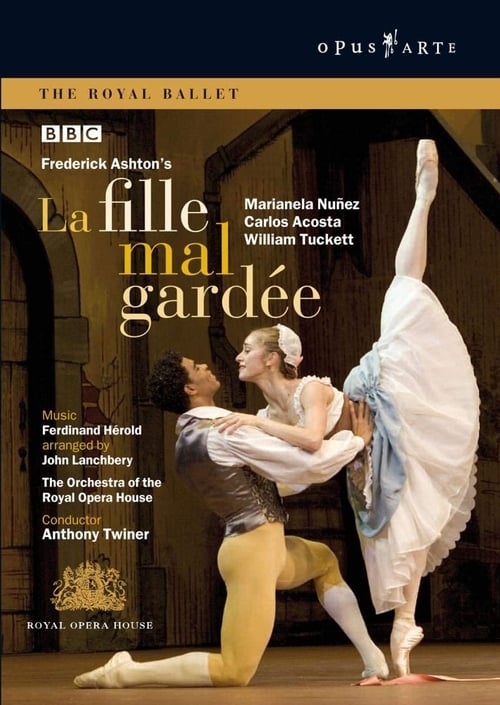
Ever since its triumphant premiere in 1960, Frederick Ashton's La Fille mal gardee has been treasured as one of his happiest creations - his artistic tribute to nature, and an expression of his feelings for his beloved Suffolk countryside. Marianela Nunez and Carlos Acosta perfectly portray the young lovers Lise and Colas, determined to thwart the plans of Widow Simone to marry off her wayward daughter to Alain, the simple son of wealthy Farmer Thomas. Osbert Lancaster's colourful, picture-book designs, along with Ferdinand Herold's tuneful score, arranged by John Lanchbery, provide the perfect setting for Ashton's blissfully bucolic ballet, complete with haywain, pony, maypole and ribbons, a cockrel and his chickens and, of course, the famous clog dance, here wonderfully led by William Tuckett as the irascible but lovable Widow Simone.
La Fille mal gardée

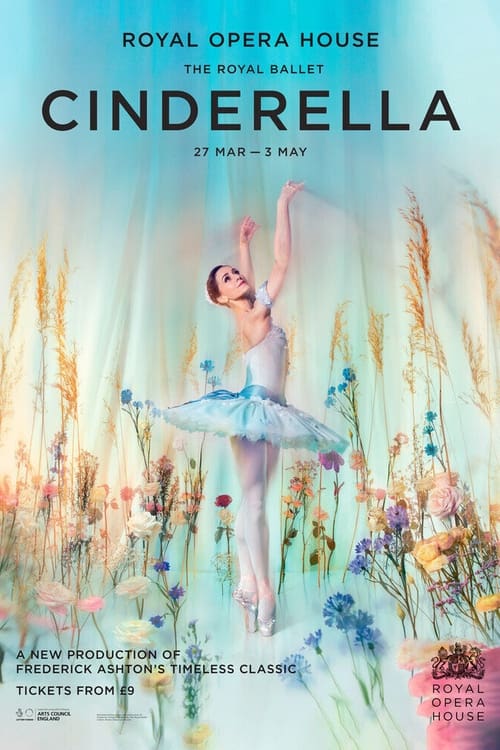
Royal Ballet Founder Choreographer Frederick Ashton’s Cinderella celebrates its 75th anniversary this Season. The ballet’s opening night in 1948, featuring Moira Shearer and Michael Somes in the lead roles, was received rapturously. After over a decade away from the Royal Opera House stage, Ashton’s timeless reworking of Charles Perrault’s famous rags-to-riches story returns, showcasing the choreographer’s deft musicality and the beauty of Prokofiev’s transcendent score. A creative team steeped in the magic of theatre, film, dance and opera brings new atmosphere to Cinderella’s ethereal world of fairy godmothers and pumpkin carriages, handsome princes and finding true love.
The Royal Ballet: Cinderella

The Sleeping Beauty holds a special place in The Royal Ballet’s repertory. It was the ballet with which the Company reopened the Royal Opera House in 1946 after World War II, its first production at its new home in Covent Garden. Margot Fonteyn danced the role of the beautiful Princess Aurora in the first performance, with Robert Helpmann as Prince Florimund. Sixty years later, in 2006, the original 1946 staging was revived by then Director of The Royal Ballet Monica Mason and Christopher Newton, returning Oliver Messel’s wonderful designs and glittering costumes to the stage.
The Sleeping Beauty

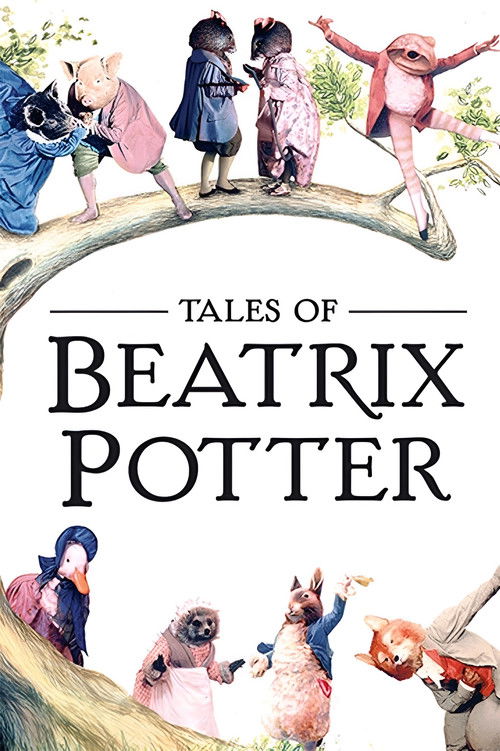
The Royal Ballet Company brings Squirrel Nutkin, Tom Thumb, Hunca Munca, Jemima Puddle-Duck, Jeremy Fisher, Pigling Bland, and Pigwig to the screen doing pirouettes and pas de deux in this filmed ballet production directed by Reginald Mills. The film more properly belongs, however, to choreographer Frederick Ashmore, composer John Lanchbery, and costume designer Rostislav Douboujinsky. This literal adaptation concerns the shy Beatrix Potter and how, when all of the toy animals in her room come to life, she emerges from her shell and begins to enjoy life. Sequences include a rowdy dance with Tom Thumb and Hunca Munca destroying a collection of plaster food, a midnight pas de deux between Pigling Bland and Pigwig, and a corps de ballet of dancing mice.
Tales of Beatrix Potter

The Sleeping Beauty holds a very special place in The Royal Ballet’s heart and history. It was the first performance given by the Company when the Royal Opera House reopened at Covent Garden in 1946 after World War II. In 2006, this original staging was revived and has been delighting audiences ever since. Frederick Ashton famously cited the pure classicism of Marius Petipa’s 19th-century ballet as a private lesson in the atmospheric art and craft of choreography. Be swept away by Tchaikovsky’s ravishing music and Oliver Messel’s sumptuous designs with this true gem from the classical ballet repertory.
The Royal Ballet: The Sleeping Beauty

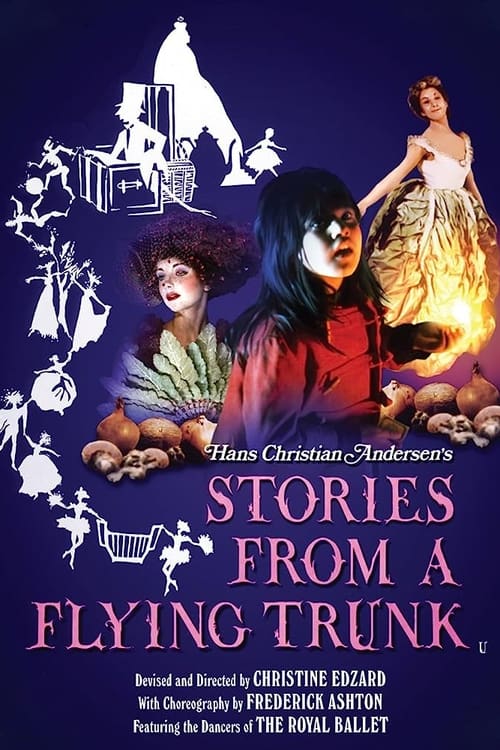
A magical blend of choreography, stop-motion and live action, Stories from a Flying Trunk captures the enchantment of three classic stories from Hans Christian Andersen. Conceived, written and directed by Oscar nominated Christine Edzard and featuring the dancers of the Royal Ballet, choreographed by Frederick Ashton. The Kitchen contains household objects which come to life and hold an animated conversation. The Little Match Girl updates Andersen's heart-rending tale to London's East End in the late seventies. Little Ida is an inspired celebration of dance featuring members of the Royal Ballet.
Stories from a Flying Trunk

Stuck at home and put to work by her spoiled Step-Sisters, Cinderella’s life is dreary and dull. Everything changes when she helps a mysterious woman out...
Royal Ballet & Opera 2024/25: Cinderella

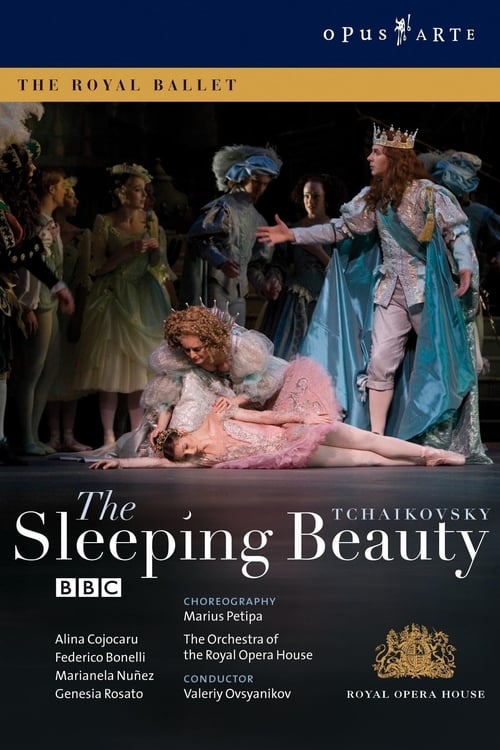
Tchaikovsky's The Sleeping Beauty is one of the best loved of classical ballets, combining in a single work all the enchantment and virtuosity that ballet has to offer. The royal court, the panoramic journey of the Prince to the overgrown castle, and the great celebratory dances of the happy ending (in which other famous fairy-tale figures appear) are all brought to life by the luscious designs of this celebrated production, created in 1946 for The Royal Ballet. The inspired performances of its revival for the 75th anniversary of the Company in 2006, together with a magnificent High Definition recording, make this a superb tribute to The Royal Ballet's unique style and visual splendour.
The Sleeping Beauty

Swan Lake: The Royal Ballet