Acting
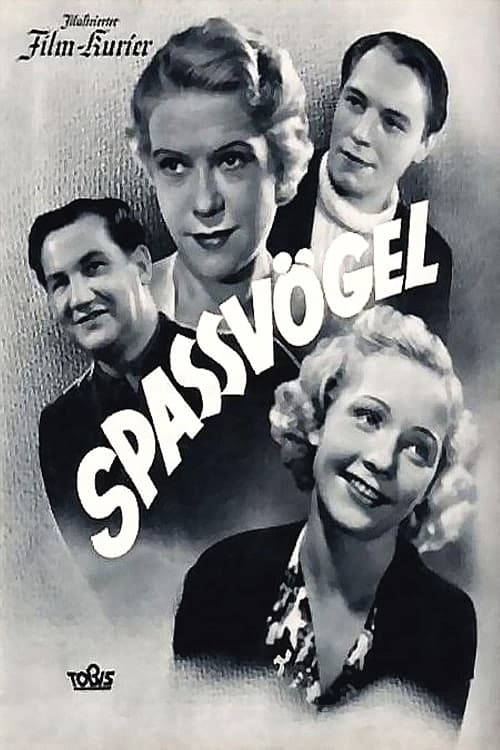
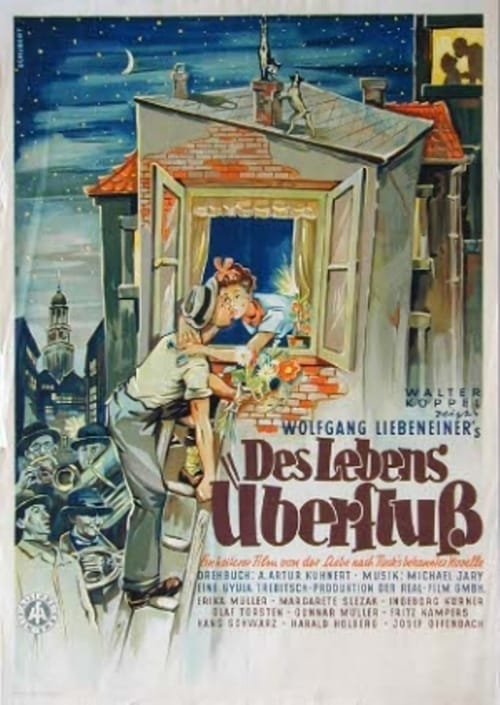
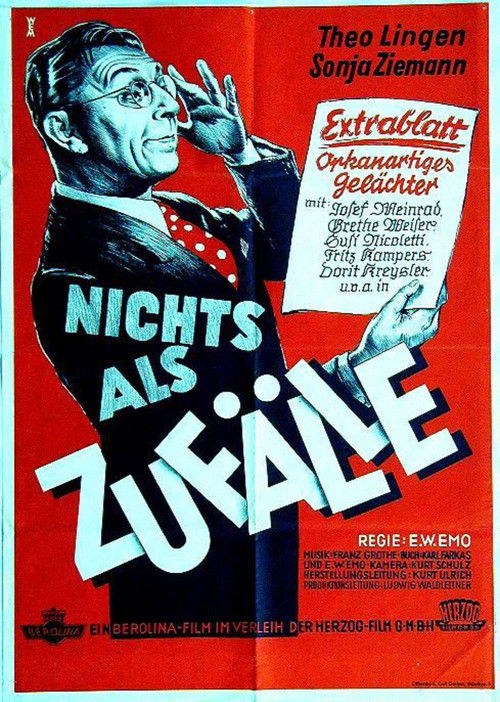
Mayor Eberhorn is known as a womanizer to everyone in the village. Katchen, his wife, is constantly trying to convert him to a proper way of life … but in vain. When one morning, Casanova finds a stroller with a clever slogan referencing his affairs at his front door, Eberborn seeks revenge. Top suspects for the prank? The “Spassvogel”: seven friends led by the former sailor Hannes Strobel.
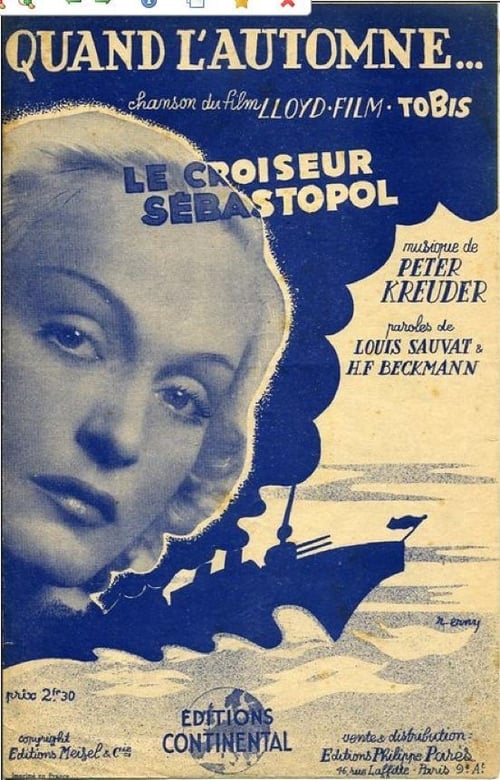
Russia, 1917. Revolution is in the air. The Sevastopol anchors In Saint Petersburg. The sailors are thirsty for women and celebration. The ship becomes a dancehall. Bloodbath, pillage and kidnapping follows. A Nazi/Germany propaganda film.
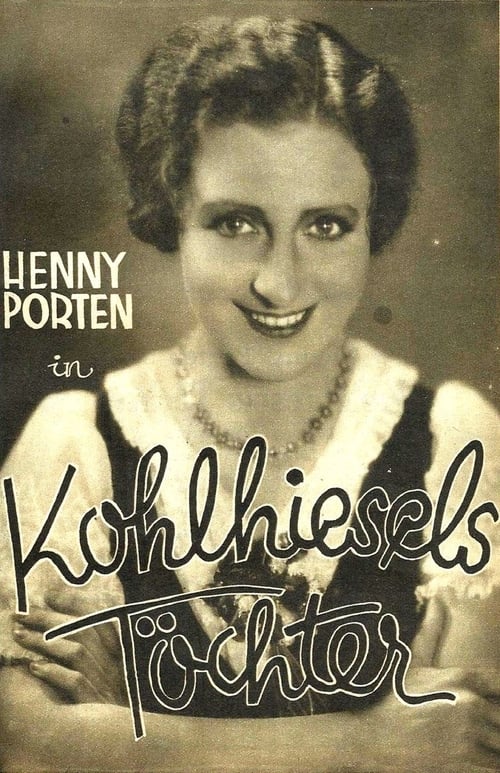
Remake of an Ernst Lubitsch silent comedy about a farm boy who is fond of two sisters, one of whom is beautiful, the other, not so much.
No description available.
Tea Time in the Ackerstrasse is a 1926 German silent drama film directed by Paul L. Stein and starring Reinhold Schünzel, Mary Nolan and Fritz Kampers. The film's sets were designed by Otto Erdmann and Hans Sohnle.
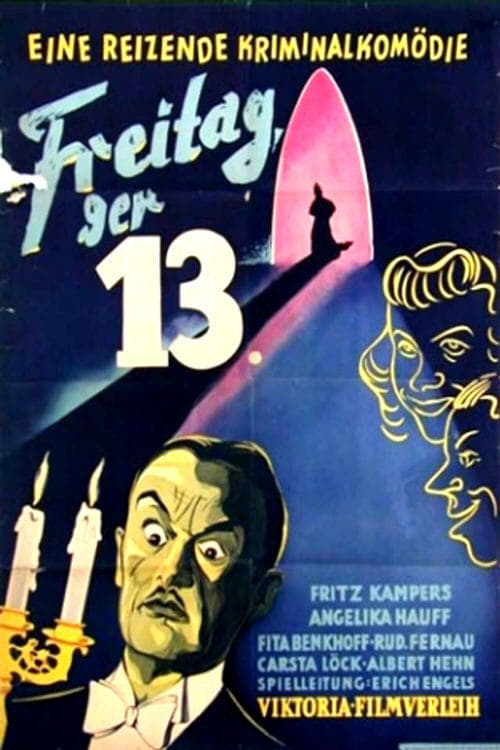
Mr. Rapp was close to selling Rauhenegg Castle when suddenly some young men turn up claiming that the place is haunted. The seller wants to prove the opposite and invites the men to spend a night in the building themselves.
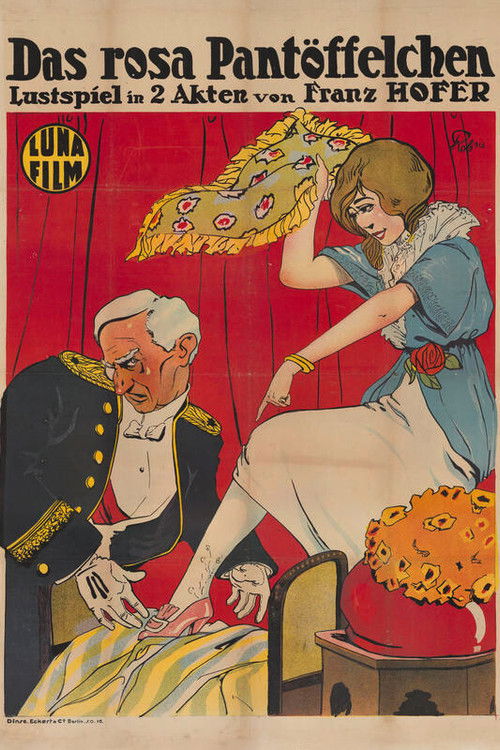
Directed by Franz Hofer.
A detective inspector dismantles a smuggling organization by infiltrating the gang. Not a particularly exciting crime film.
Two young students, a man and a woman, rent the same appartment without knowing it. They have to arrange with their upcoming feelings, strange neighbours and poverty.
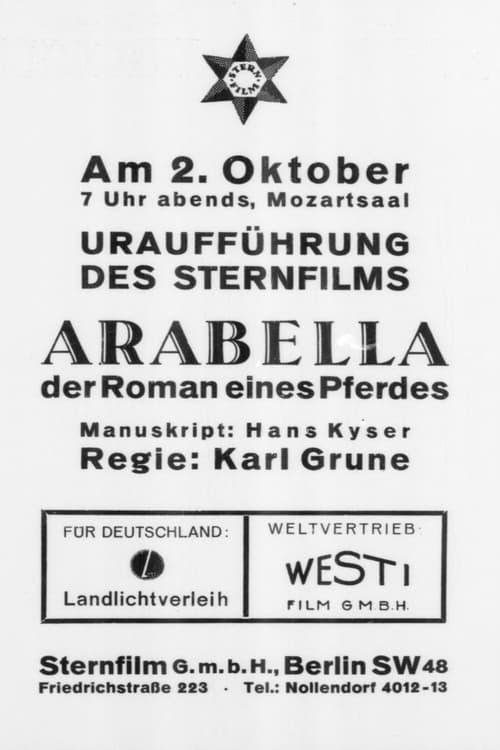
A foal runs away from its native pasture, falls into a swamp and is rescued by the circus dancer Arabella. The stud owner, a young gentleman rider, names the animal after its rescuer Arabella. Arabella then becomes a celebrated racehorse, and when the circus performer and the gentleman rider meet again, they fall in love.
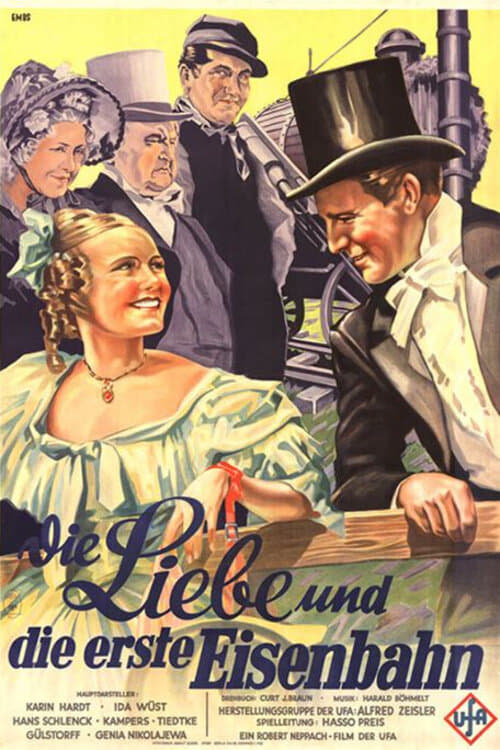
'Love and the First Railway' is what this movie's title would mean in English. This is one of those films that depicts fictional characters participating in an historic incident. The actual first railway was built in England, of course. But according to this movie, the first railway (in Germany, at least) was built from Berlin to Potsdam, in 1838. I haven't the faintest idea if that's correct, but the people who made this movie do seem to take a great deal of interest in historical accuracy, so I'll take their word for it. Anyway, a title at the beginning establishes that this movie is set in 1838.
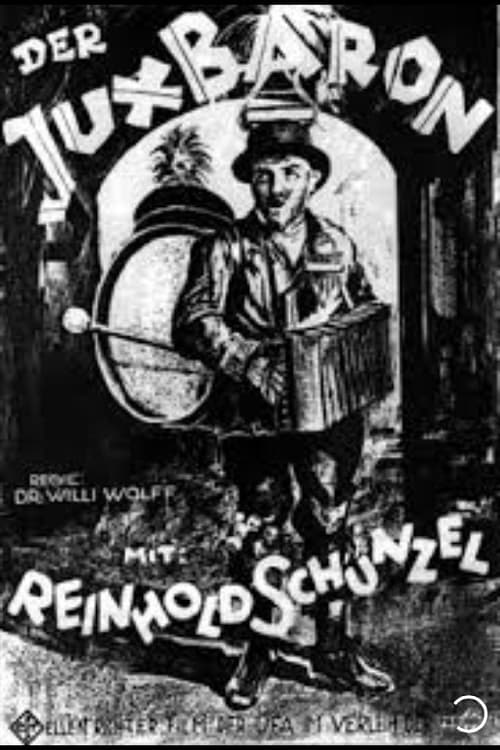
The film follows the comic (mis)adventures of a poor street musician, who is roped into posing as an eccentric nobleman. He and his antics are rapturously received by the members of a bourgeois family desperate to mingle with the aristocracy. The daughter of the family takes a fancy to the baron (in reality, merely a “joke baron”), assuming him to be immensely wealthy.
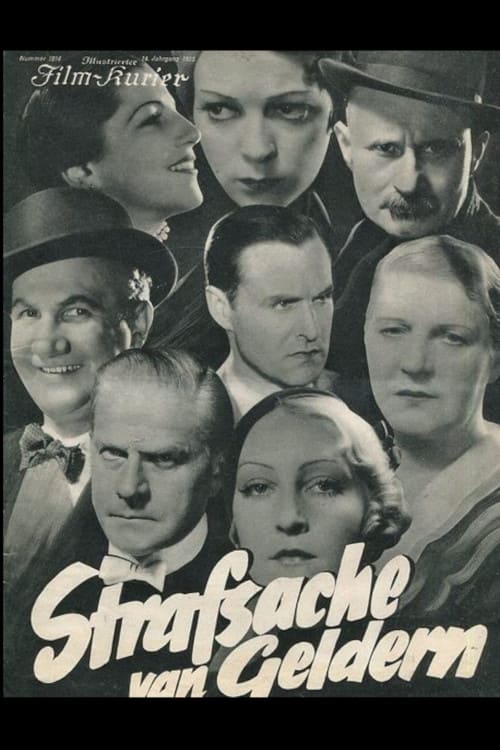
Paulus van Geldern is a lawyer who has made a name for himself as a criminal defense attorney, but is notoriously short of funds due to his unbridled passion for gambling. His gambling causes problems with his marriage to Martha who is thriving.
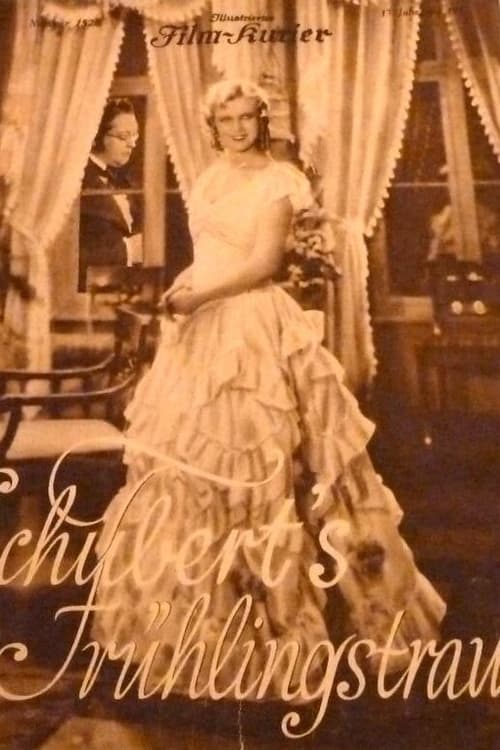
An episode in the life of the Austrian composer Franz Schubert, who wrote the most beautiful love songs, but whose love life was very unhappy: The timid, myopic and rather portly Schubert falls for the beautiful, blond Countess Maria Esterhazy and has impossibly unrealistic fantasies about the two of them as she only admires him for his music. When he’s fired from his position as a teacher in the parish school, the village innkeeper Therese, who secretly has the hots for Schubert, gets him an engagement at a concert in Palace Esterhazy.
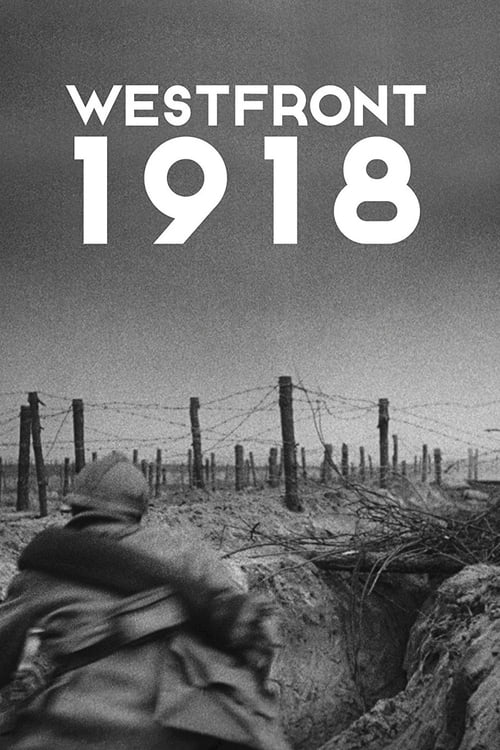
A group of German infantrymen of the First World War live out their lives in the trenches of France. They find brief entertainment and relief in a village behind the lines, but primarily terror fills their lives as the attacks on and from the French army ebb and flow. One of the men, Karl, goes home on leave only to discover the degradation forced on his family by wartime poverty. He returns to the lines in time to face an enormous attack by French tanks.