FEEL IT.STREAM
Antonín Kachlík

Antonín Kachlík

Directing

Biography

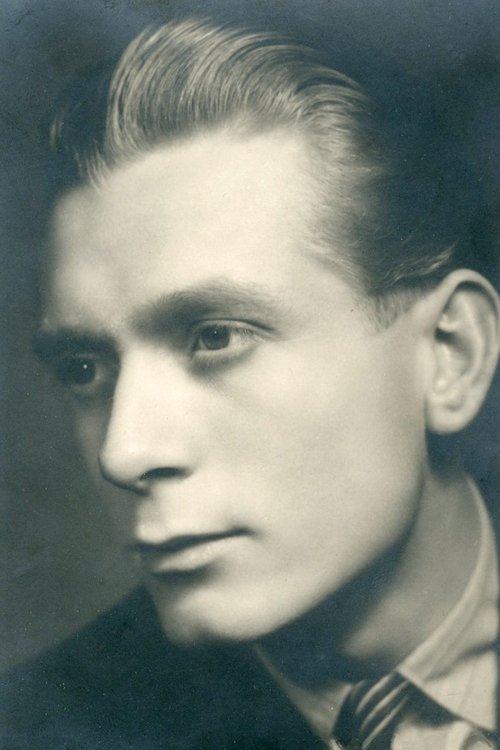
Antonín Kachlík (26 February 1923 – 20 April 2022) was a Czech film director and screenwriter. He directed 21 films between 1948 and 1987. In 1973, he was a member of the jury at the 8th Moscow International Film Festival. Kachlík was born in Rozdělov [cs], Czechoslovakia (now Kladno-Rozdělov). He grew up in Malá Dobrá until 1931, when his family relocated to Prague. He attended the Prague-Karlín trade academy. During World War II, Kachlík joined an underground resistance movement where he printed and distributed leftist leaflets, and after graduating from school in 1942, he was forced into working for Germany as a member of the fire brigades in the Ruhr area. Here, he helped the Germans clean up debris after the Allied Forces' nightly air raids. After World War II, he attended the College of Political and Social Sciences, before applying for an education at the Film Academy (FAMU) in 1946. He ended up graduating from the Film Academy in 1950. After graduating, Kachlík went to Zlín to work as a dramaturge in the Workers’ Theatre, before joining the military in 1952, and serving until 1954.
Known For

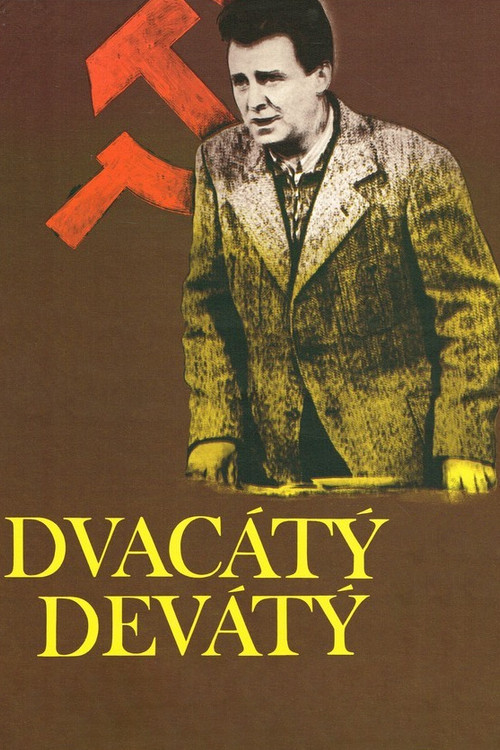
Dvacátý devátý
6.0

In the era of normalisation, a number of (pseudo)historical films were made, even described as reconstructions, which glorified the world-building mission of the Communist Party and attributed to it exclusively humanitarian intentions ("Days of Betrayal", "Sokolovo", "Liberation of Prague", "The Victorious People"). In 1929, when its fifth congress met, Klement Gottwald, who had taken the line of the Russian Bolsheviks, took over the leadership of the Communists...

Dvacátý devátý

1975
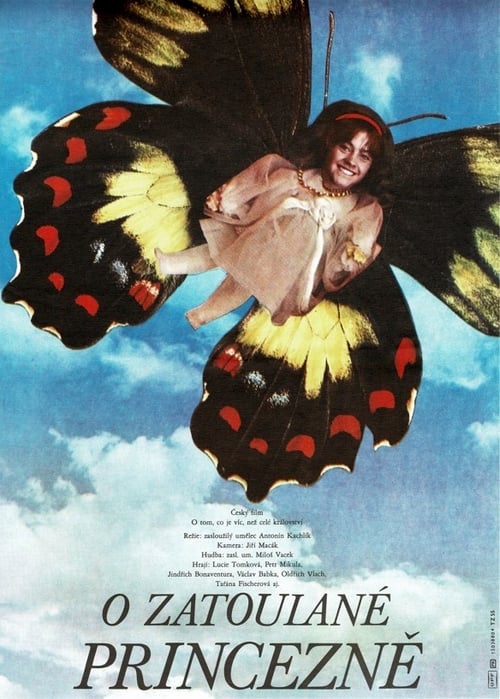
On a Wayward Princess
6.2

Princess Julia doesn't want to marry an old prince Hubert so she runs away from home. She meets two old magicians and join the circus, where she meets lovely Franta Kuldan and evil devil performer.

On a Wayward Princess

1987
Náš dědek Josef
6.5

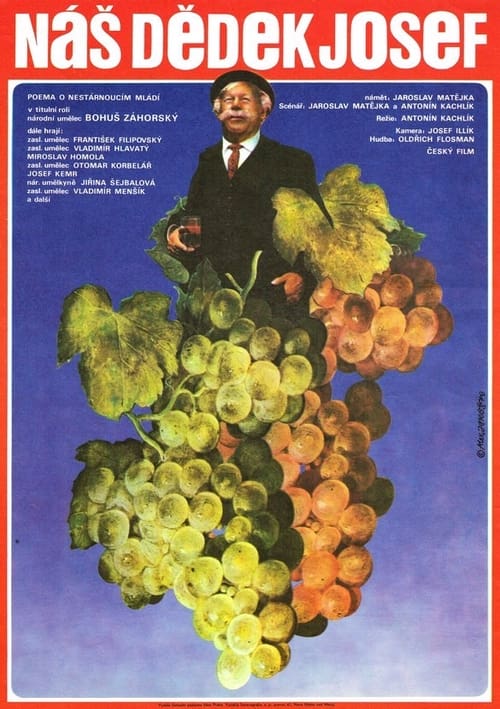
Set in a 1950s Moravian wine village, an elderly Josef, guided by his quirky life philosophy and humor, recalls key moments from his past. Across nine seasonal vignettes filled with local folklore and customs, he and his fellow elders remain fully engaged in the joys and trials of village life.

Náš dědek Josef

1977
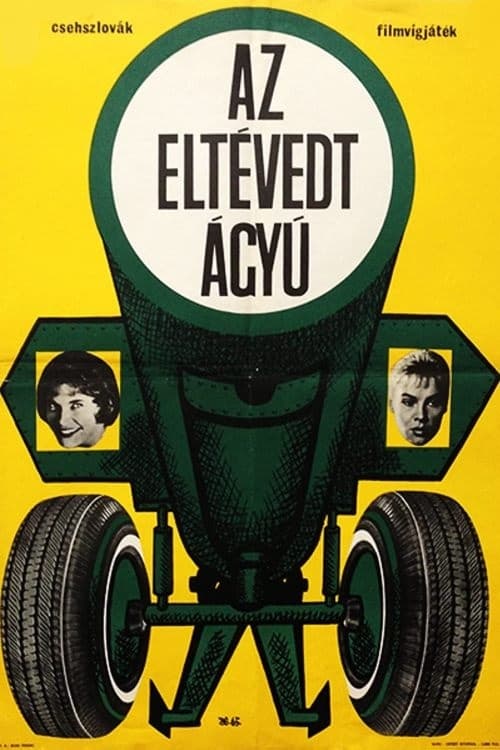
Zatoulané dělo
7.0

A lone military unit carrying a cannon is stopped while moving from the training area by a gamekeeper who is in extreme distress because his son is seriously ill and needs acute medical attention. The lieutenant hesitates for a moment whether to help or move on...

Zatoulané dělo

1959
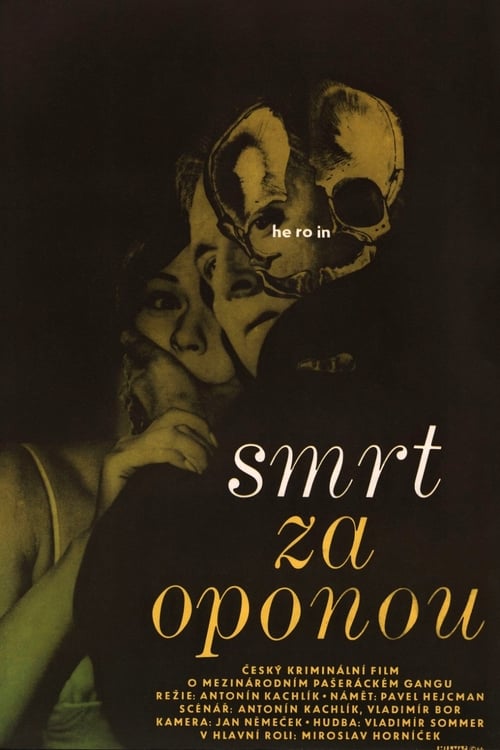
Death Behind a Curtain
7.0

Members of an organised group smuggling heroin from France to Italy send a new shipment of the drug via Sweden, the GDR and Czechoslovakia. A new ballet is about to premiere at the Fibich Theatre in Prague. However, the situation is complicated by a horrific event: prima ballerina Milada Havlová is found dead in her dressing room. The autopsy and the first analyses reveal that she died of a heroin overdose. Captain Chrástek is in charge of the investigation and believes that it is not an accident but murder. An investigation unfolds that reveals not only the strained relationships between the members of the ballet company, but above all an international criminal network...

Death Behind a Curtain

1967
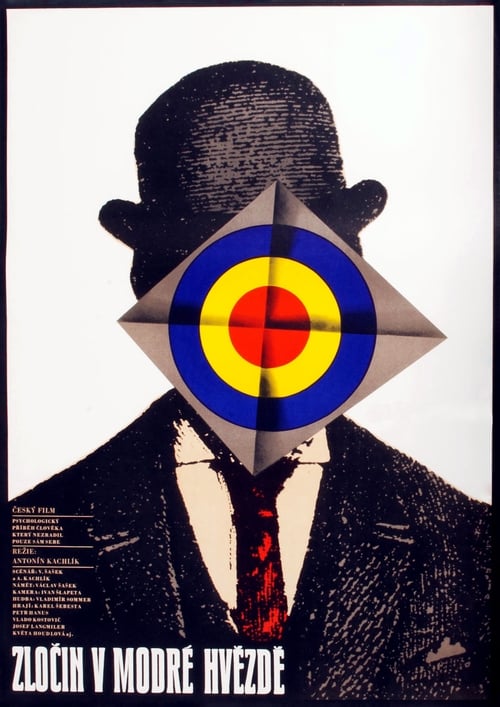
Zločin v Modré hvězdě
8.5

It is 1920, political unrest is growing in Prague and the Social Democrats are about to betray their historic mission by prioritising their own selfish interests instead of those of the working class. An extortionist scandal falls on the Social Democratic deputy Jandák, forcing him to renounce his convictions. Under these circumstances, the seriously ill Hungarian revolutionary Kerekes, who had to flee his homeland, is hiding in Prague...

Zločin v Modré hvězdě

1974
Pršelo jim štěstí
8.0

Office worker Věra has a big day ahead of her, full of preparations, as her wedding to her boyfriend Zdeněk is coming up. During this time, she has had time to think since morning, and even a small action, a look at a photo or a specific word, can revive memories of what preceded this day in her mind. Immersed in herself, she returns to her relationship with Zdeněk, reflects on her family and her colleagues from the tractor factory where she met Zdeněk. However, these fragments do not evoke a feeling of happiness in her, but rather doubts and bitterness. However, she still hopes that today is the beginning of a new life for her, that everything that was said by her beloved and others will pass away today.

Pršelo jim štěstí

1964
Bylo nás deset
3.7

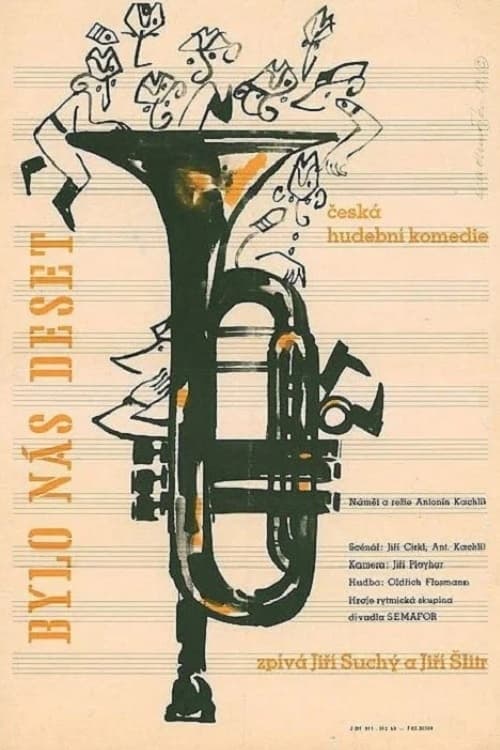
At the beginning, the newly arrived soldiers form a musical theatre troupe to escape the humiliation of the older ones. They vow that they will be good to the next recruits. But it turns out that nothing can be done without strictness and that greed is not some kind of deviant perversion. In this comedy you will find not only great musical numbers, but also a lot of gags from the military environment. It is also the first film in which the famous semaphore duo Suchý and Šlitr appeared.

Bylo nás deset

1963
No image
10.0

A 4-year-old girl cries, lost in the city. A Soviet soldier on a ferry takes her in and takes her to her home village.

Vltava po válce

1949
Florenc 13,30
5.9

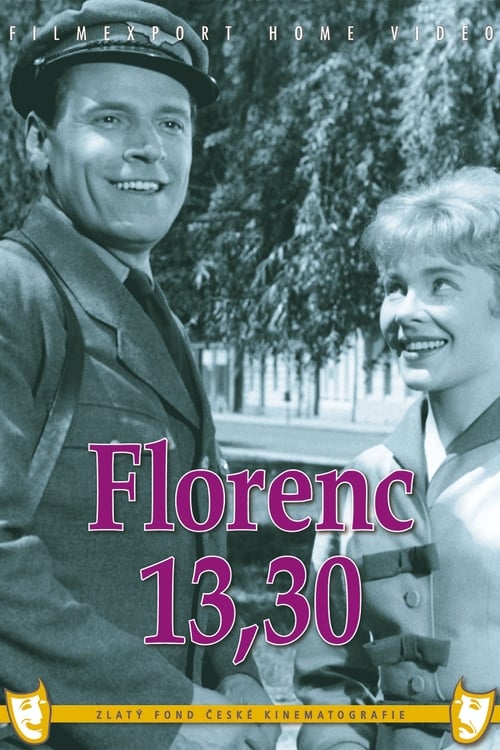
The plot of the film follows a bus ride on the Prague - Karlovy Vary route and the actions of the people on it. A diverse group of people with various interests, professions and personalities gathered on the bus. Their encounter in the close environment of the bus gave the opportunity to create a whole series of good humorous situations. The ride on the express bus is a symbolic example of the contemporary life of our society, in which, just like when riding a bus, it is necessary to suppress many private interests and selfish qualities in order to successfully reach the destination.

Florenc 13,30

1957
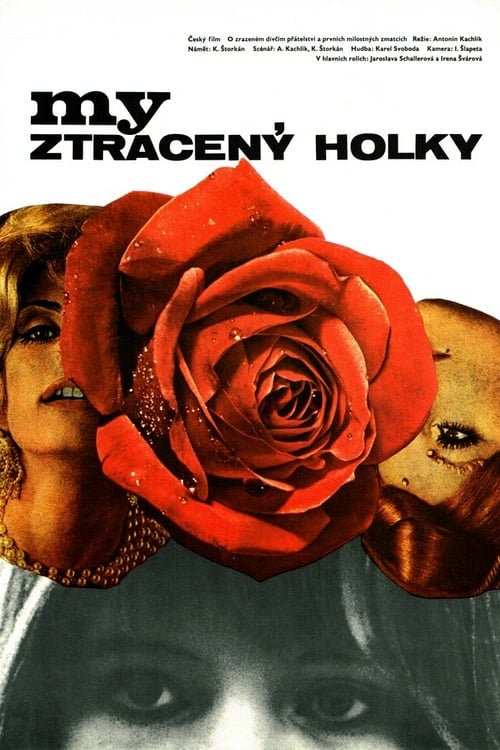
We, the Lost Girls
9.0

Zofie and Dominika, two girls of very different temperaments, become friends during hop-picking volunteer work in the summer. Zofie (Jaroslava Schallerová) is serious to the point of reticence and she is delighted with her friendship with Dominika. For the self-assured and superficial Dominika (Irena Svárová) the whole thing is just a momentary whim. When she leaves the work camp before everybody else, she doesn't even say goodbye to Zofie. The two girls meet again after the holidays as first-year students at medical school, and become close again during the nursing techniques class.

We, the Lost Girls

1972
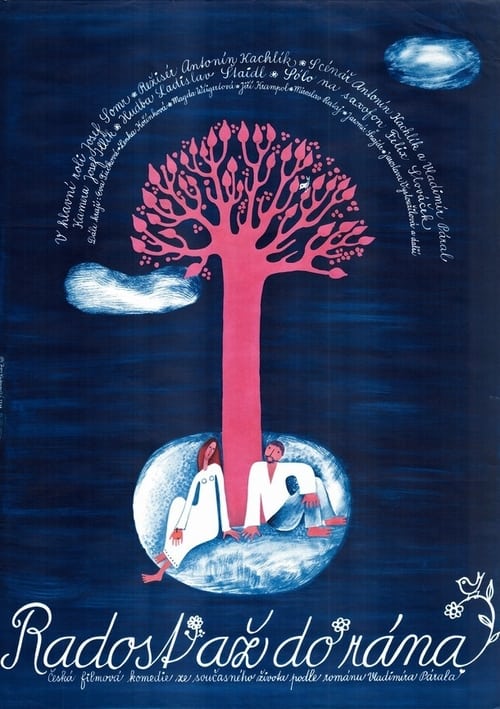
Radost až do rána
7.0

A psychological story about dissatisfied individuals who despise the stereotypes of others, but create their own. Kazan, a vagabond through life, and Viola, who always settles for the ideal, form a disparate pair who eventually find the one.

Radost až do rána

1979
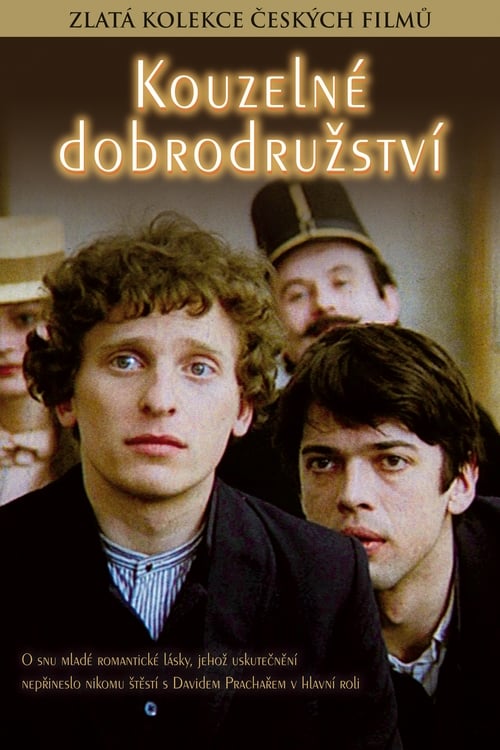
Kouzelné dobrodružství
4.7

The story of the friendship between František and Gustav, which fades over the years, as well as the memory of a magical, almost dreamlike experience...

Kouzelné dobrodružství

1983
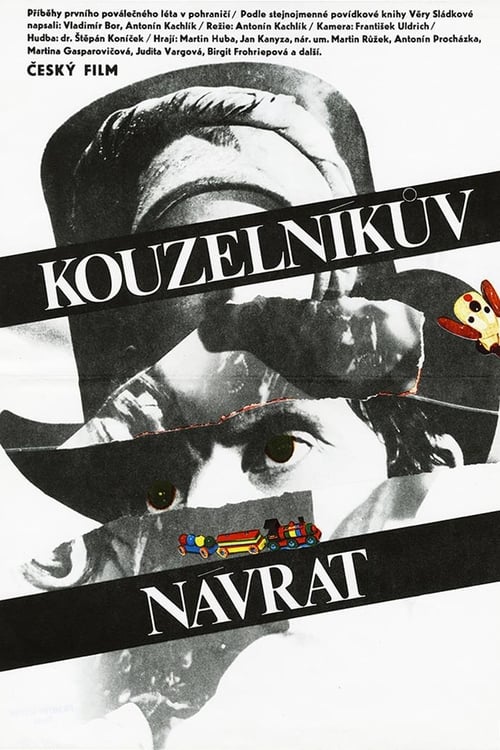
Kouzelníkův návrat
9.0

Although the title would suggest it, this film has nothing to do with fairy tales at all: it takes place in the North Moravian border region just after the end of the Second War. It presents a fragmented mosaic of the fates of many people, returnees and immigrants, who tried to start a new life and believed in a happier tomorrow. Although the director Antonín Kachlík tried to give the story a certain credibility, he submits to the ideological demands of the 1980s. North Moravian borderlands in the first post-war year: a disparate and fragmented sequence of episodes depicts the individual fates of returnees and new immigrants. Another title that perhaps did not even need to be created.

Kouzelníkův návrat

1985
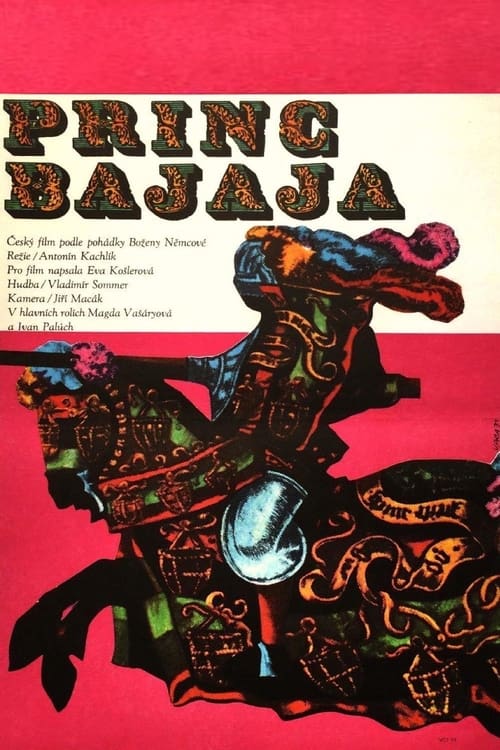
Prince Bajaja
6.2

The hero of this popular fairy tale is a young prince who, after the death of his parents, goes out into the world. During his travels he meets a magical talking horse and falls in love with the beautiful princess Slavna. On the advice of his horse, he binds one eye and pretends to be dumb and enters into service as the castle gardener.

Prince Bajaja

1971
No image
N/A

No description available.

Adieu, mládí

1986
No image
10.0

A psychological study of the life of a woman, a working mother of two young children. The film captures a small slice of her life, just one day, during which the heroine takes stock of what she has experienced so far and what she has succeeded or failed in. And it's not an optimistic one, as she searches in vain for a clue: her marriage has failed and her affair with a married man does not offer a bright future...

Třiatřicet stříbrných křepelek

1965
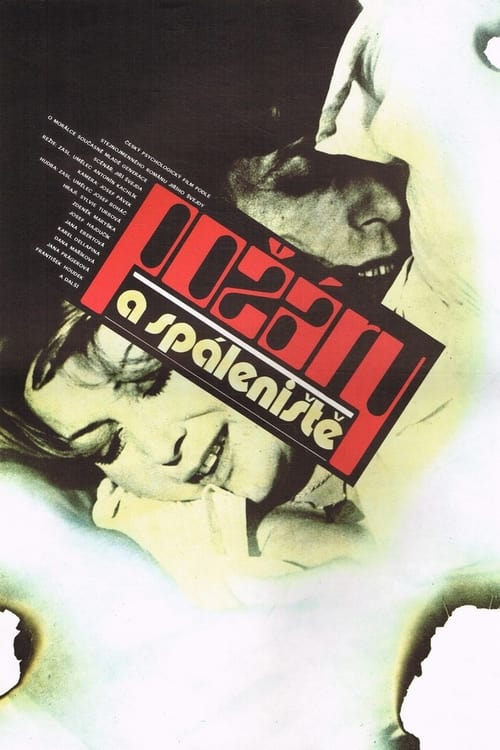
Požáry a spáleniště
9.0

Antonín Kachlík wanted to make committed films about the moral dilemmas of the working class, but in the era of normalisation, he could only proclaim how faltering individuals would eventually come to the desired thinking. This is also true of the adaptation of Jiří Švejda's book about the wavering career of a young brickmaking technologist - the simplistic drawing of characters and plots, the posterishly lifeless language and the textbook discussion of social ills are all objectionable; the ideal becomes the code of the socialist builder.

Požáry a spáleniště

1981
I, Mournful God
5.0

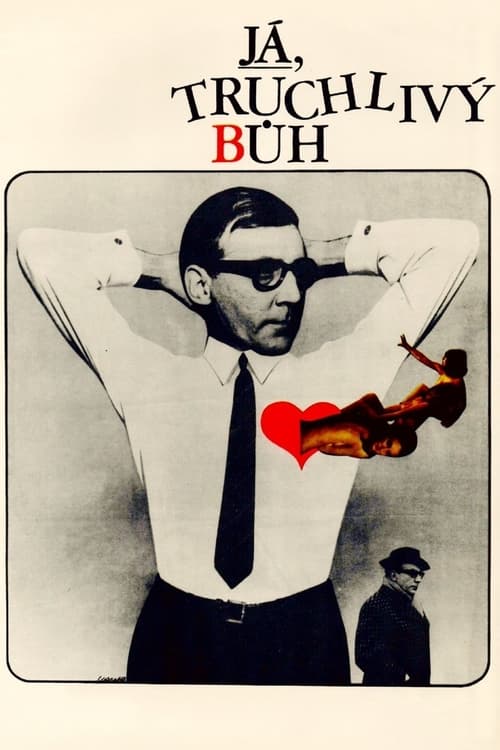
Adolf, the irresistible seducer of women, is fond of Janicka, a novice opera singer. The girl, however, prefers famous men and Adolf thus does not have a single chance with her. One day in a hospital, he meets a Greek partisan named Apostolek who impresses him with his spontaneity and ease in solving all problems, especially those with women. Adolf has an idea for a revenge. He makes Apostolek familiar with social manners, dresses him after the latest fashion and introduces him to Janicka as a Greek conductor. Janicka instantly falls in love with the made-up composer and Apostolek does no better.

I, Mournful God

1969
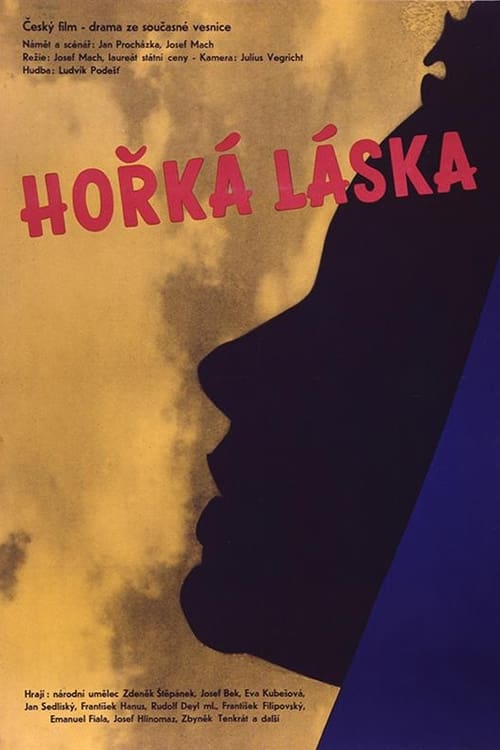
Bitter Love
8.0

The elder son of the farmer Marunáč dies of a work accident. His wife and younger brother fall in love and try to break free from their despotic father.

Bitter Love

1958