Writing
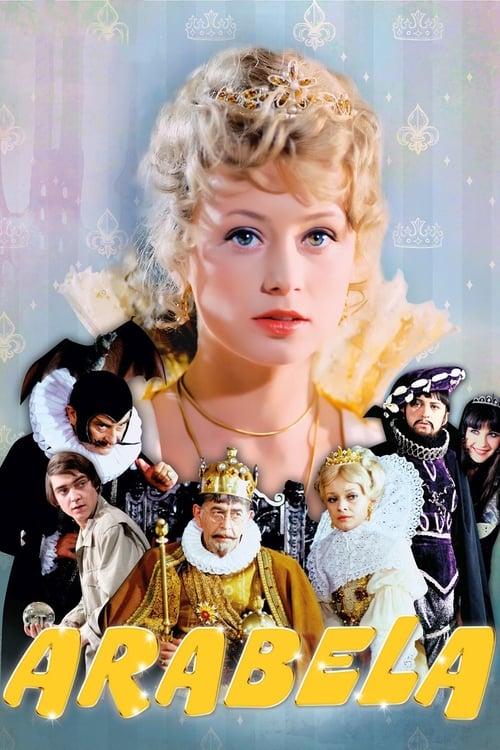
Arabela was a children's television series produced in Czechoslovakia which aired from 1979 to 1981. The series has 13 episodes and is in the Czech language.
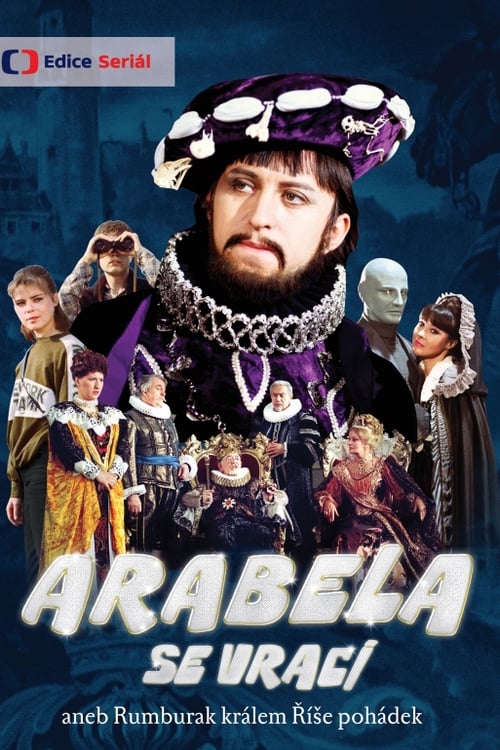
A lot has happened since the magic bell last rang. Arabela and Petr have been together for 10 years and are still waiting in vain for a child. Honzík and Mařenka have become university students, studying folklore, i.e. fairy tales. The realm of fairy tales is seriously threatened. The giant Balibul is banished from the land of giants for being a vegetarian and settles near the kingdom to learn how to eat people. Every day he demands a new victim. Bystrozraký escapes from prison to avoid becoming his victim and seizes the magic cloak. He flies into the world of humans.
No description available.
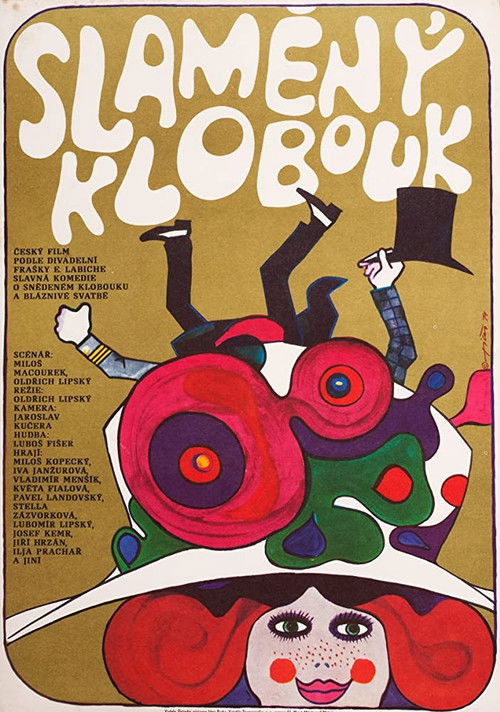
Slacker Maurice Fadinar wasted his whole inheritance and the only way out of this situation, as it seems, to marry Helen Nonankur - daughter of a wealthy farmer. At the last meeting with his mistress in a nearby forest Fadinar's horse eats straw hat which belongs to a married lady, spending time in the company of young and hot Lieutenant Emil. Emil literally puts a knife to Maurice throat - or the lady will get back the exact same hat immediately, or he will arrange such a scandal that no wedding will not happen ...
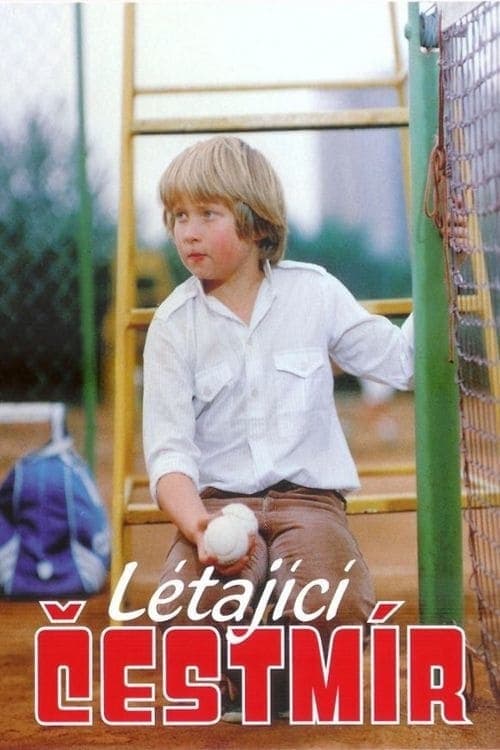
Young boy Cestmir finds a magic rock which allows him to bring the seeds of the flowers which allow flying from Blue Planet...
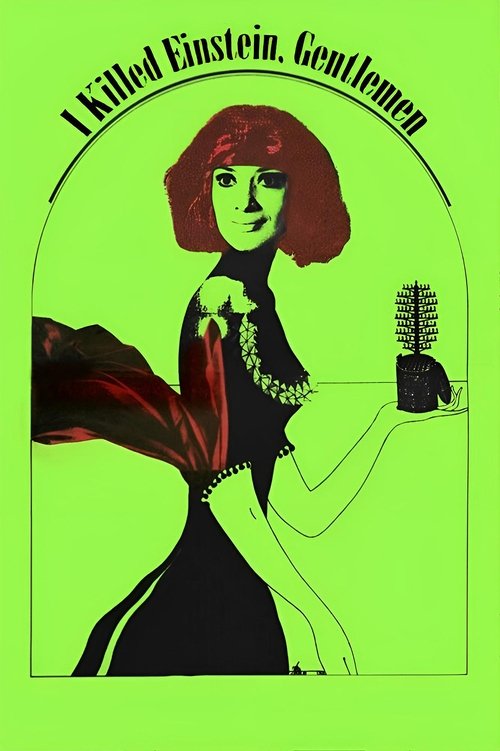
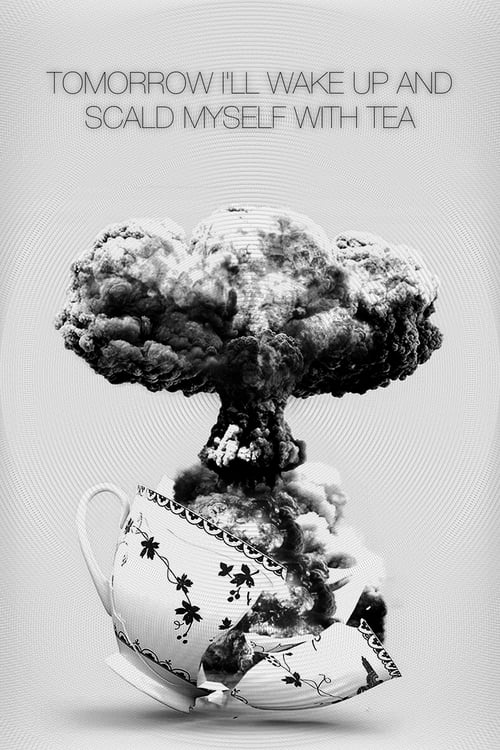
This futuristic science fiction comedy features an atomic bomb blast that causes women to grow beards and lose the ability to have children. A summit meeting is held at the United Nations, with the proposed solution of building a time machine. The decision is made to travel back in time and murder Einstein, with the hopeful result being that without the noted mathematician's research there will be no atomic bombs.
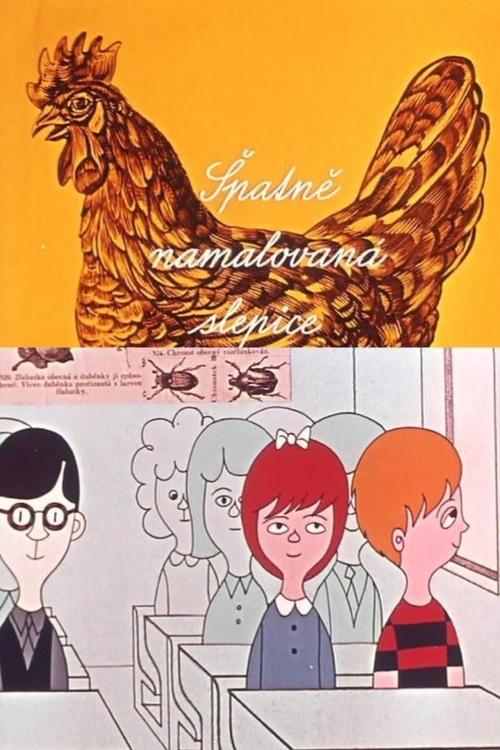
At school the dunce draws a Picasso style chicken on the black board. The chicken comes to life, runs away, and finds itself in the teacher's garden. The teacher thinks he has discovered a new species and christens it with his own name.
A dark comedy about a murder and its consequences presented in a backwards manner, where death is actually a rebirth. The film starts with an "execution" of the main protagonist and goes back to explore his previous actions and motivations.
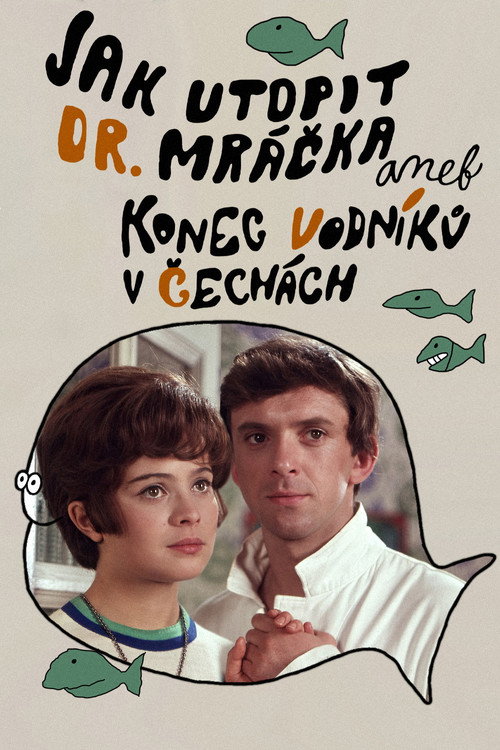
There are still water spirits among us. One group lives in Prague, led by Mr. Wassermann, who is using his wife's family as a servants. All they need is their old house near the river. But the house is to be demolished. They have to stop it. And the only way is to drown Dr. Mrácek, who is responsible for the demolition. But he falls in love with Wassermann's niece Jana. He changes to fish, is mistaken for water spirit from Germany, is drowned and revived again. The other problem is the flour with ears... and so on...
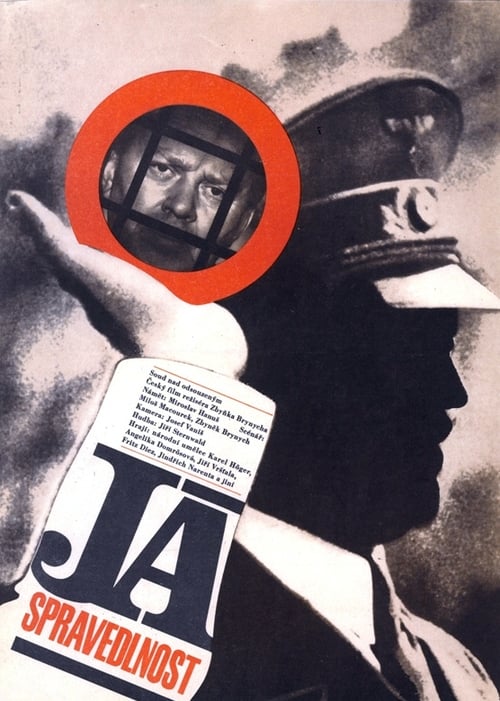
At the year 1946, the time of the Nuremberg Process. One of the main actors of the Second World War, who reportedly committed suicide, Adolf Hitler is, however, missing. The Czech doctor Herman (Karel Höger) is kidnapped from Prague and driven to the sanatorium of Professor Rolf Harting (Jirí Vrstála). The sanatorium is a disguised military stronghold, most probably occupied by a Nazi garrison, with prison cells and an execution chamber in the basement. At night, Herman is taken to a patient in whom he, to his horror, recognizes Hitler (Fritz Diez).
A short stories about two brothers whose parents own a car shop.
A humorous modern fairy-tale about boys who woke up a mammoth in a school biology room and experienced a lot of adventures with it. After numerous events in which they discover the worst part of their act the boys eventually find out that going to school is quite nice.
Former Nazi Klaus Abard survives to the 1990s by taking anti-ageing pills. He plans to use a time travel trip to return to Germany in 1944 and present Hitler with a hydrogen bomb, so that he can win the war. Unfortunately the pilot, woman-chasing Karel Bures, dies on the morning of the trip and his earnest twin brother Jan impersonates him, without knowing about the plot.
A teenage witch, frozen in time as a punishment for 300 years, finds herself in a modern world.
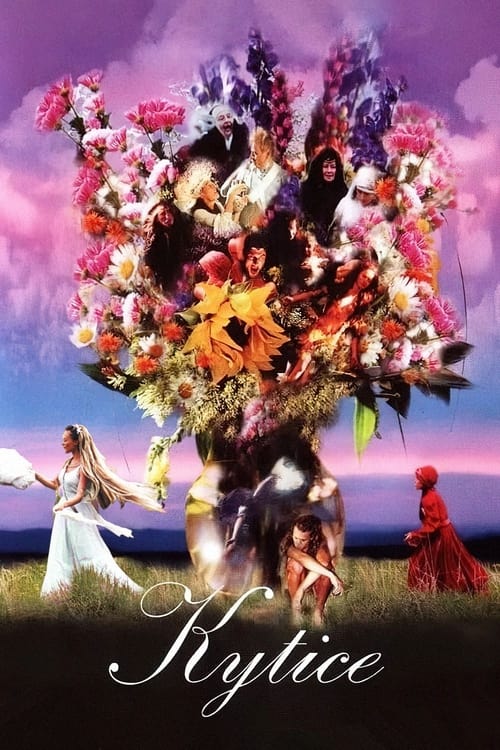
Seven seemingly unconnected fairy tales - glued together only by folklore, mood, color and light - make up this Czech collection of visual poetry. The original piece of literature, written by Karel Jaromír Erben in 1853, contained twelve tales.
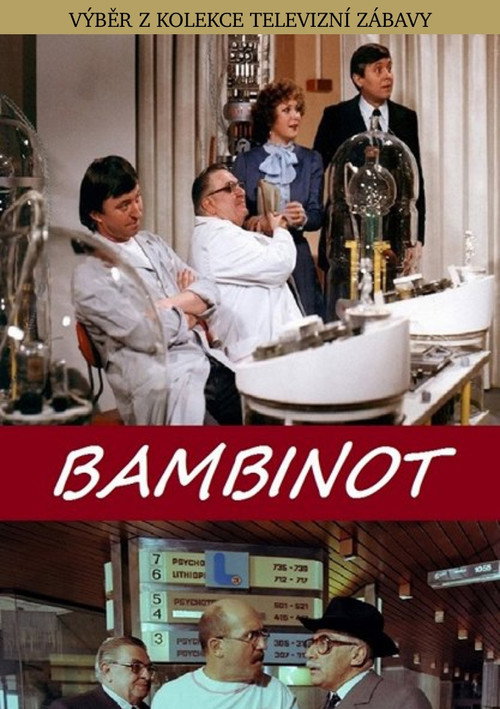
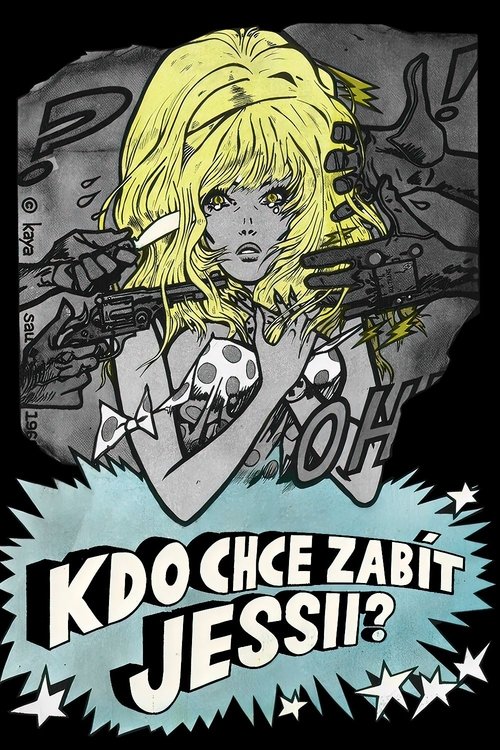
In this zany Czechoslovakian comedy, a scientist invents a machine that projects a sleeping person's dream on a screen; disaster soon follows when the machine malfunctions and the cartoon-like dream characters become very real!