Helen Badgley
Acting
Biography
By the time she was just 3 years old she was appearing in her first film, Brother Bob's Baby in 1911. In 1912 she appeared in eleven films, and in 1913, that number increased to twenty two. At age six she lost her two front teeth and "retired" until new ones could appear. She never went back. She ended up with 103 credits to her name earning her the title "Thanhouser Kidlet" after the movie studio Thanhouser located in New York City which burned down. Her father was Gerald Badgely, expert mechanic and electrician at the studio where he perfected the Vista moving picture recorder.
Known For

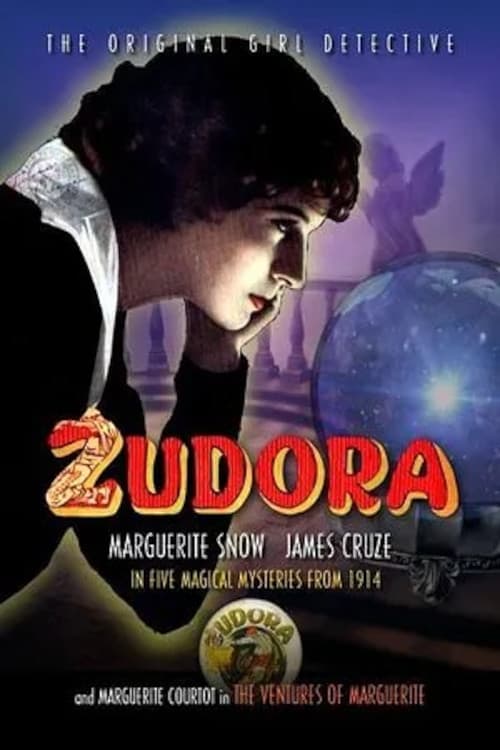
Zudora, not knowing she's an heiress to a $20 million fortune, lives with her uncle, a mystic and detective, who covets her inheritance. She wants to marry John Storm but her uncle is against it. However, the uncle makes a bargain; if Zudora can solve the next twenty mysteries brought to him, she can marry as she chooses. Episodes 1,2 and 8, plus another unidentified chapter, survive. The rest is believed to be lost.
Zudora
Comte Paul De Valreas is attracted to Frou Frou, the frivolous wife of Henri De Sartorys and the indifferent mother of their young son Georges. Paul persuades Frou Frou to bring her somber sister Louise, who secretly loves Henri, into the household, thus freeing her from any domestic duties.
Frou Frou
A short adaption of the novel by Charles Dickens.
Little Dorrit
John Rapley, head of Associated Baking Companies, executes a commercial coup that raises the price of bread to 6 cents a loaf. The price increase has a devastating effect on Mary Quinn, a Valencian factory girl who supports her younger brother Joel and sister Norah. Because of the higher cost, Mary can no longer afford to buy as much bread as she previously could for her family, impacting her ability to provide for them.
The Six-Cent Loaf
Born in a prospector's camp, orphaned by a flood and taken care of by relatives to whom she was unwelcome, Mercy grew up dodging blows and curses with equal dexterity and indifferent success.
Mercy on a Crutch

Forester and Maywood, two wealthy neighbor planters, volunteered their services to defend their country when the war of the Revolution broke out. Forester was made colonel of his regiment, while Maywood became a captain. The men mortgaged their plantations and gave the benefits to the government, which was hard pressed for funds. Colonel Forester was mortally wounded at the battle of Cowpens, but before he passed away, Captain Maywood promised that he would care for Forester's motherless little girl.
The Forest Rose

No description available.
A Rag, a Bone and a Hank of Hair

Little Helen, Mayor Southwick's child, straying away from an automobile party, gets lost in the woods. She comes to the house where the her father's political rival holds his secret conferences, and he orders his housekeeper to keep guard over the child while he motors to the city. His plan is to hold the child until her father has signed the bills he wants passed.
The Barrier of Flames

Blind Eleanor is cared for by her father's friend and eventual lover, Burton Lester, who arranges a sight-restoring operation. Upon recovering her sight, Eleanor discovers Burton is married, leading her to seek independence by completing her father's art and becoming a renowned artist in New York. After a misunderstanding involving a lost necklace and Burton's kindness to a friend, Eleanor reconciles with Burton and they become engaged.
When Love Was Blind

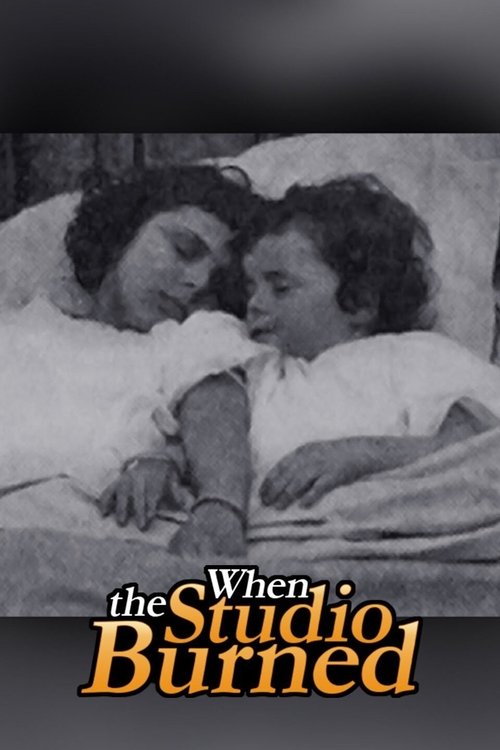
A recreation of the Thanhouser Studio fire of 13 January 1913, it includes the rescue of a small child from the flaming building.
When the Studio Burned

A lonely little girl is befriended by Shep, a neighbor's collie. The girl meets an untimely death, leaving Shep behind.
A Dog's Love

The Thanhouser Co. has reissued a number of its surviving films on video. FIRES OF YOUTH existed at around 52 minutes in its original release. A shortened version running just over 31 minutes has survived at the George Eastman House and has now been released by Thanhouser. Jeanne Eagels does well as the neglected young daughter in a factory town. She appears in 22 scenes and delivers a sensitive performance.
The Fires of Youth
The story's hero, a reformer in politics, has been accused and convicted of "padding the registration lists," but on procured evidence and on a frame-up, made by the ring leader's heeler, William Russell. He is sent to prison and the story works out to his coming home, a cleared and rehabilitated man, on Christmas Eve.
The Repeater

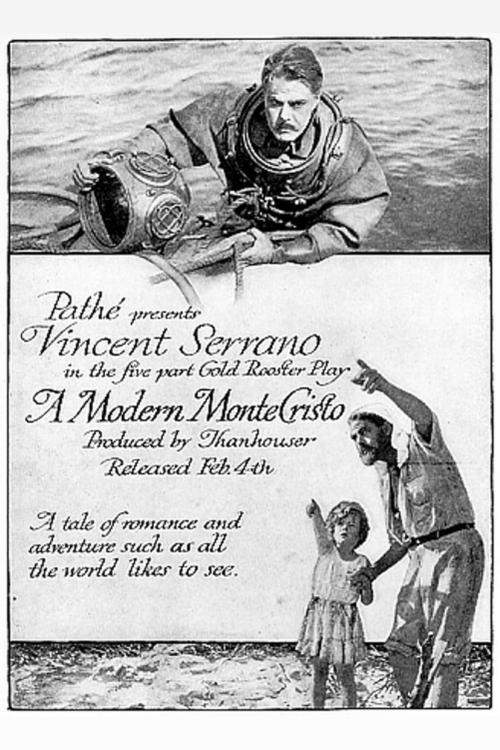
This adaptation of the Alexandre Dumas story tells of a man, living in the present day, who returns home incognito and wealthy after having been a sailor for years and living on a desert island surrounded by water filled with pearl-oysters. He revenges himself on his enemy, who had unjustly accused him of a crime he did not commit.
A Modern Monte Cristo
The film's heroine is a dancer of world-wide reputation who, in the days of her struggle, has offended the story's villain.
The Dancer

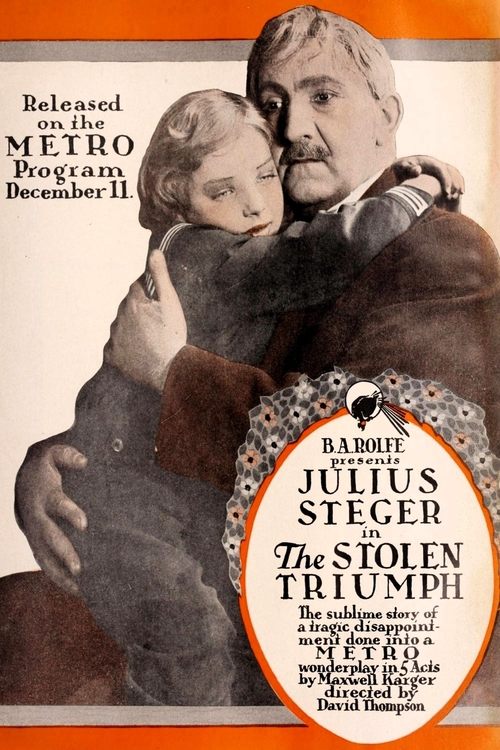
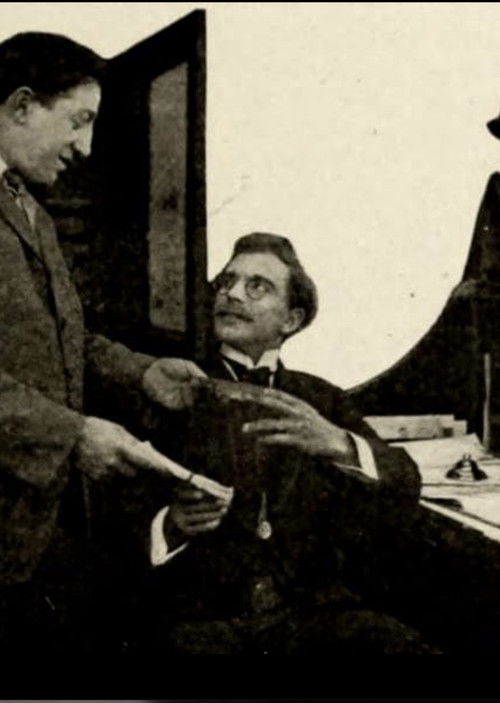
Edwin Rowley is a talented but uncommercial playwright. Stephen Hunt is a successful theatrical manager. Rowley finishes a brilliant play and sends it to Hunt for production. Recognizing it as a masterpiece, Hunt puts his own name on the play and produces it, achieving fame as a playwright. Upon discovery of the theft the shock is too much for Rowley’s wife, who dies. Rowley, devastated, loses his sanity and disappears. Hunt decides to adopt Rowley's orphaned son and raises him as his own. Years later, Rowley, wandering aimlessly, sees a poster advertising his play with his own name on it. This sight brings him back to his senses. Rowley and Hunt are reconciled, and Rowley finally receives public recognition and enjoys his success as the true author of the play.
The Stolen Triumph

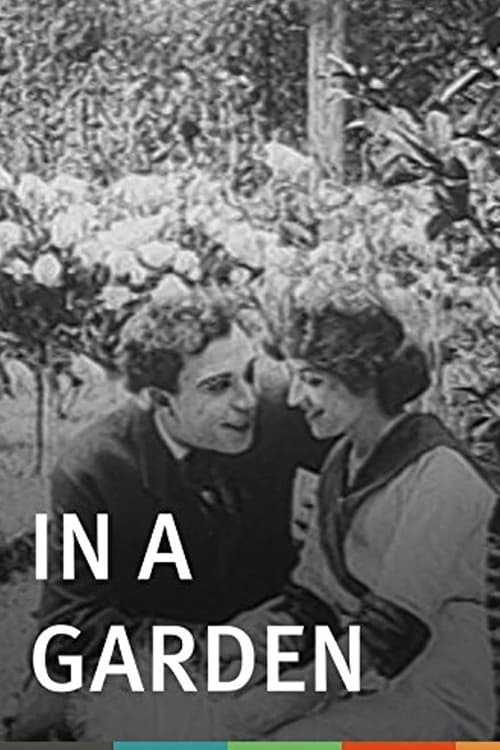
Over the years, an old gardener observes a romance develop between a young boy and girl. 20 years after they break up over a misunderstanding, the old man is instrumental in bringing them back together again.
In a Garden

A neglected mother is tempted to stray, but she is saved by her baby's voice, whom she hears talking on the telephone.
My Baby's Voice

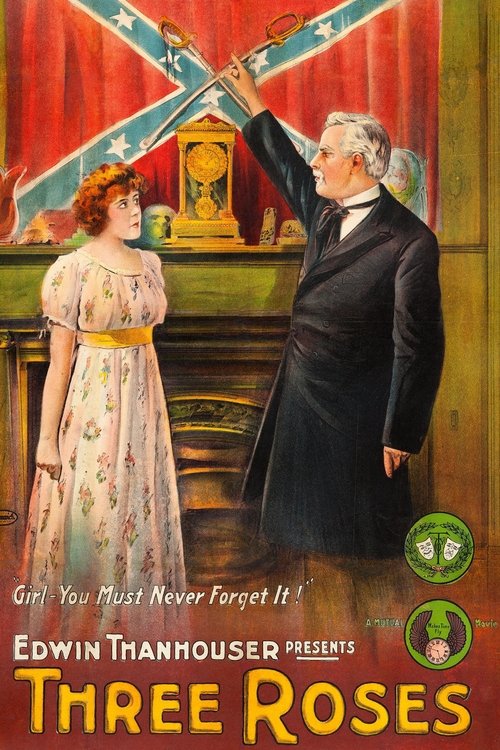
The Colonel, for many years, has lived in the past, reverencing the lost cause of the Confederacy and hating all Northerners. When his daughter, Rose, named for her mother, falls in love with a New England youth, he haughtily refuses his consent. Rose and John Hewins run away and are married.
The Three Roses
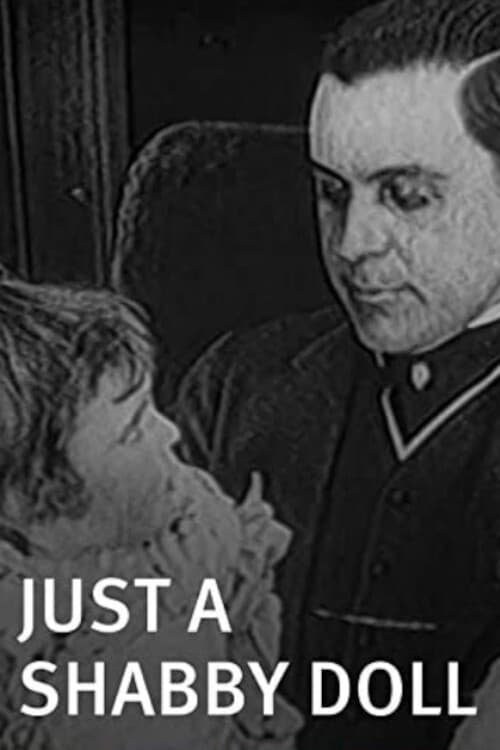
Her parents said she was a darling. The long-suffering servants thought otherwise. From the time that she could first crawl and talk she had had her own way. Her nurse did not like her. The little girl never obeyed, but always argued and protested. She smashed her toys and tore her clothes, and screamed so her sick mother took a turn for the worse. Her parents, however, were satisfied she would outgrow her unpleasant habits, and sure enough she did. One evening the nurse rushed into her room, attracted by the cries of the child. She had tumbled out of bed, but strange to say was not peevish. She apologized to the nurse for causing any trouble and altogether was so sweet that the nurse was convinced the child was seriously ill. Her father questioned her and the little one told him of the remarkable conduct of her newest and biggest doll.