Acting
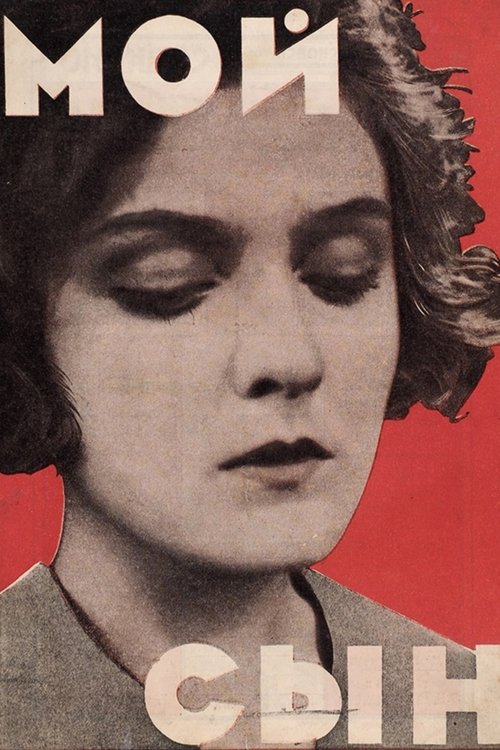
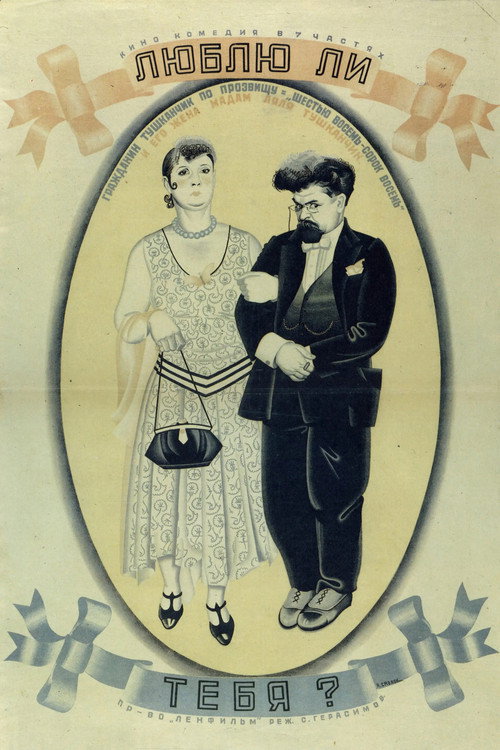
A man discovers that he's not the father of his wife's baby.
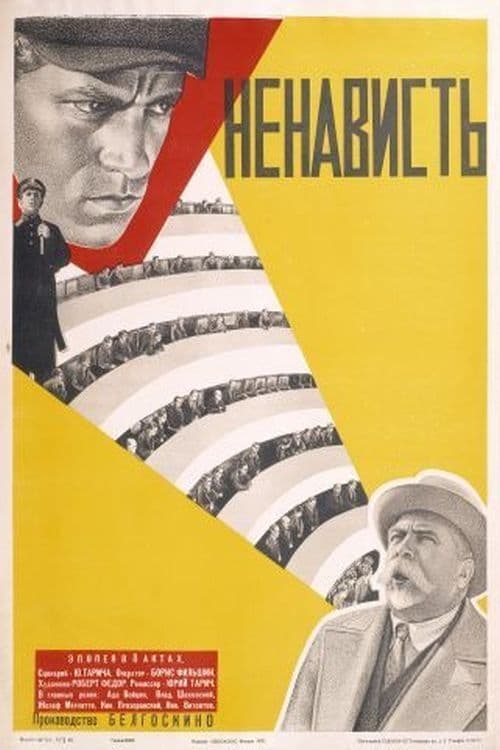
The end of the 1920s. Polish Diet a bill discusses the War Ministry to increase the production of weapons and oil for the needs of the army. Occur violent clashes between right-wing forces and the Communist faction, opposed the war with the USSR. The leader of the Social Democrats Staszewski asks to project that a heavy burden will fall on the budget for improvements to the commission. At this time, in oilfield Bohuslav strike, caused by hard labor working conditions, starvation wages and anti-Soviet policy of the government.
Set during the early part of his reign, Ivan faces betrayal from the aristocracy and even his closest friends as he seeks to unite the Russian people. Sergei Eisenstein's final film, this is the first part of a three-part biopic of Tsar Ivan IV of Russia, which was never completed due to the producer's dissatisfaction with Eisenstein's attempts to use forbidden experimental filming techniques and excessive cost overruns. The second part was completed but not released for a decade after Eisenstein's death and a change of heart in the USSR government toward his work; the third part was only in its earliest stage of filming when shooting was stopped altogether.
No description available.
During World War 1 a Russian soldier serves in Russian Expeditionary Force in France where he is chosen for his marksmanship and trained as a skilled sniper. After the Russian revolution the soldier returns home while his commander fights against the Soviet Russia. In 1930 the former soldier works on a factory and also he is the instructor in shooting club. Once the town that is near the Soviet border is attacked by foreign troops (the hostile state isn't named but the uniform of the soldiers resembles Finnish). The character meets againt with his former commander who serves in invading forces.
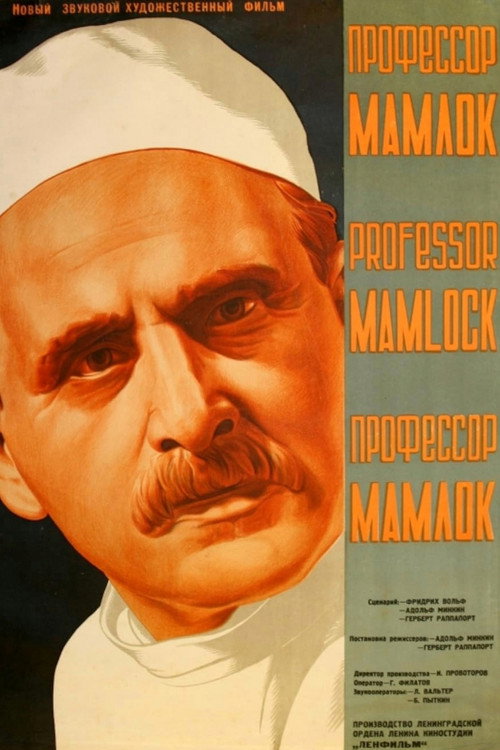
Based on a play by a German-Jewish exile in Moscow, Friedrich Wolf, and directed by an Austrian-Jewish exile in Moscow, Herbert Rappaport, the film tells with the story of an apolitical humanitarian Jewish doctor and his politically-aware, fascism-resisting son, an intern, as their lives become entangled with the Nazis’ rise to power in 1930s Germany, where they live and practice. Things come to a head when the Nazi organization takes control of their hospital, and place a rabid antisemitic physician in charge over Mamlock and his staff.
Early released peasant Grigoriy Lopukh, who was convicted of horse theft, is sent to his native village to start a new, honest life. Entering one of the villages, he learns that in his native lands, as well as throughout the country, individual farms have given way to collective farms. This message does not please Lopukh: he still dreams of a "free life" as a sole proprietor.
Story of the conflict between old art forms such as ballet and the revolution and the need for creating new, proletarian forms of art. First feature by Sergey and Georgiy Vasiliyev, partially lost.
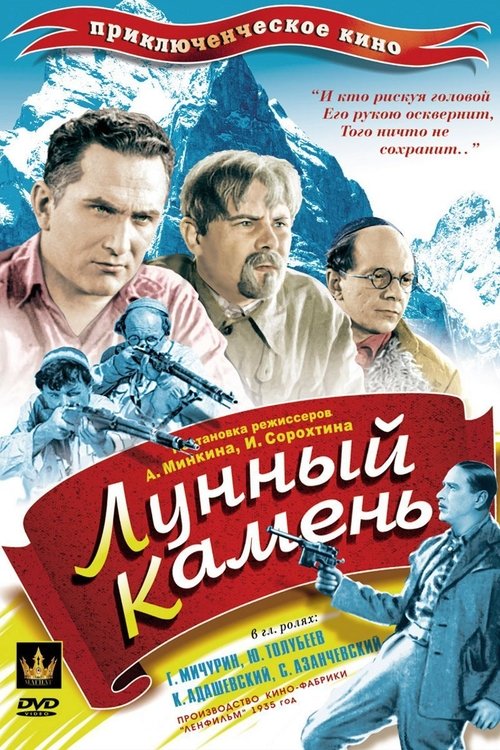
Geological expedition is looking for a rare element in Pamir mountains.
Director Frederick Ermler’s last silent feature and the last of four collaborations with actor Fiodor Nikitin. Nikitin plays an officer who spends a decade after the Great War as a shell-shocked amnesiac, until a glimpse of a woman through a train window sparks the return of his memory. He makes his way back to St. Petersburg, now Leningrad, a man out of time who struggles to make sense of the new society brought about by the revolution.
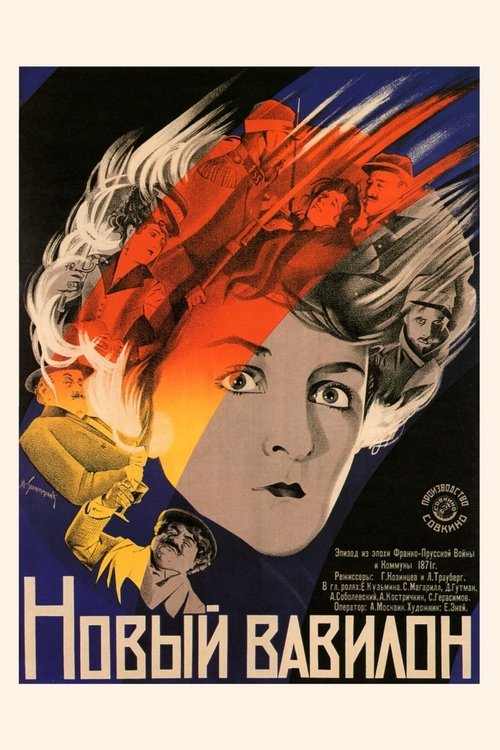
In the short-lived Commune of Paris, a conscripted soldier falls in love with a Communard saleswoman. As the army cracks down on the revolutionaries, the soldier is forced to fight against the Commune, and the pair's love is put to the test.
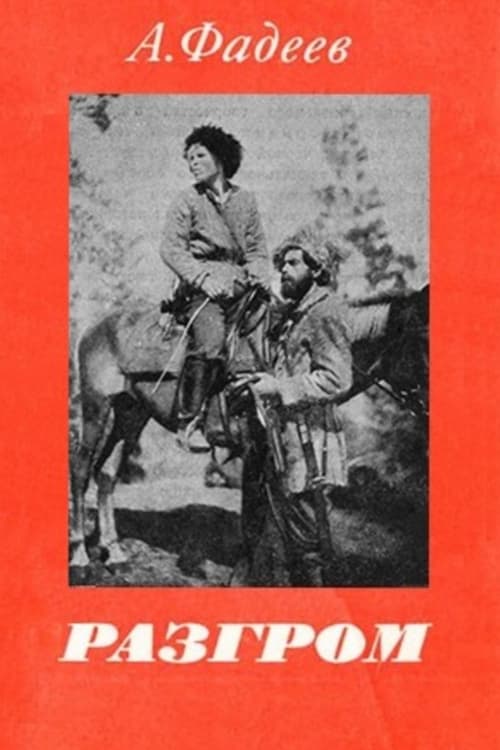
In 1921. With the help of Japanese interventionists, the White Guards defeat a Shaldyba partisan detachment. The remnants of the defeated detachment pour into Levinson's detachment. Partisan intelligence soon finds that the Japanese has surrounded the detachment. To save the main forces from defeat, Levinson decides to break through the chains of enemies.
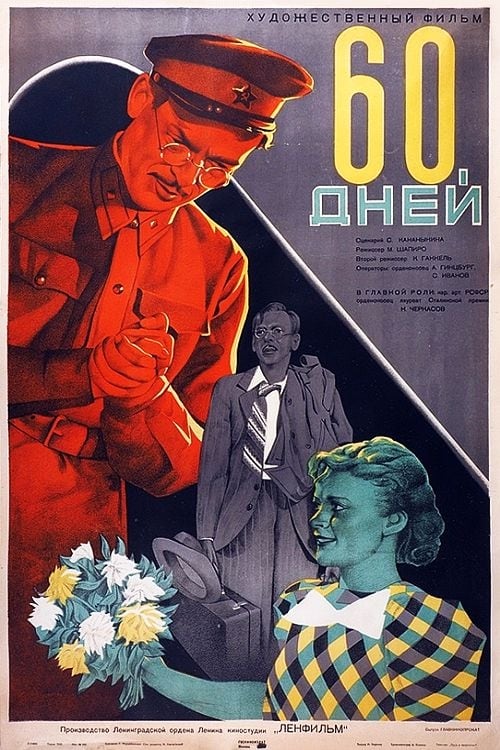
Adventures of the medicine professor during reserve duty.
Lost film.
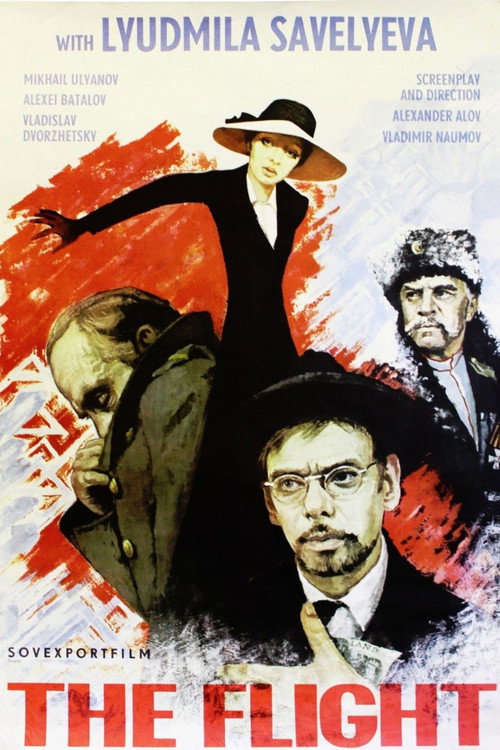
The film is about a group of people who in other times wouldn't have anything in common, some of them innocent bystanders, some moral criminals. But nothing is straightforward and simple. From Russia "the flight" continues to Constantinople, to Paris, back to Russia. Some of them have understood that they can't live outside Russia and go back maybe to be happy, maybe not, some go back to face sure death for their crimes, some don't go back and know that are going to miss homeland forever, some are comfortably well off (are they?) in exile.
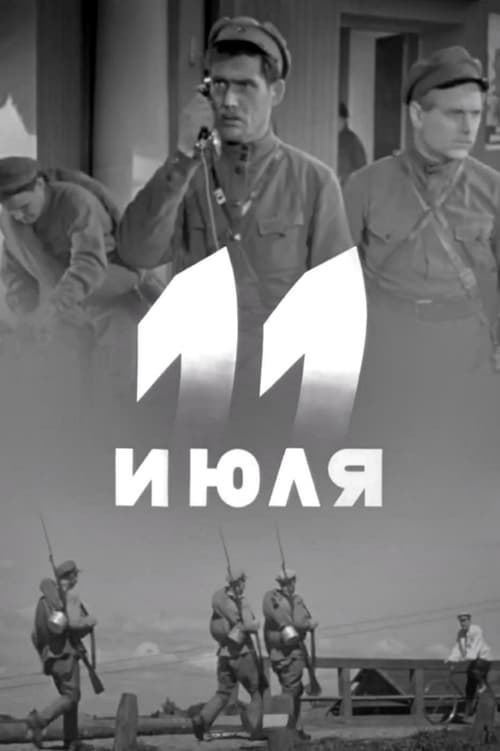
Civil war. Polish interventionists approach Berezina. The Red Army temporarily leaves Belarusian lands. Partisan detachments are organized, one of which is led by Bolshevik Stepan. His brother, who is in collusion with Polish spy Kapusta, is also in this detachment. With Kapusta's help, Polish lancers who have appeared in the village reach the partisan camp and capture the headquarters. Yanko manages to warn the headquarters about the movement of the White Poles, and the partisans are forced to retreat through impassable swamps. They manage to escape and join the Red Army, which occupies Minsk on July 11.
A symbolical telling of the history of the Belarusian people, their centuries-old struggle for liberation.
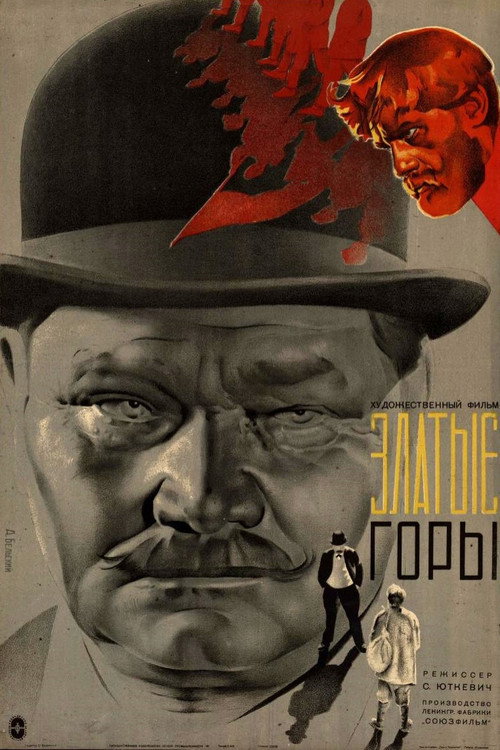
Pyotr, backward lad from poor village, comes to town desperate for work. He's hired as replacement ("scab") worker at big metallurgical factory, which is in the throes of a strike organized by the Bolsheviks (communists). Deceitful industrialist's son involves naive young man in an attempt to murder Bolshevik leader.
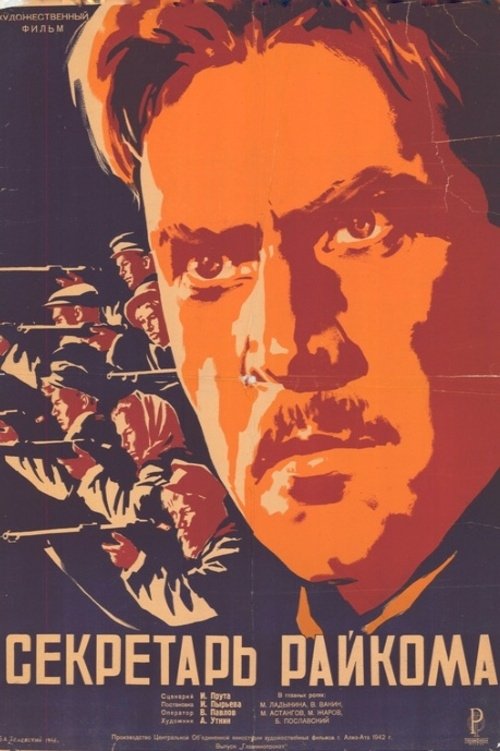
A story about a Secretary of the Communist Party District Committee who is leading partisans in their fight with the Nazis during WWII.
A comedy about the life of a young married couple—Soviet students. Film has not survived.