Acting
No description available.
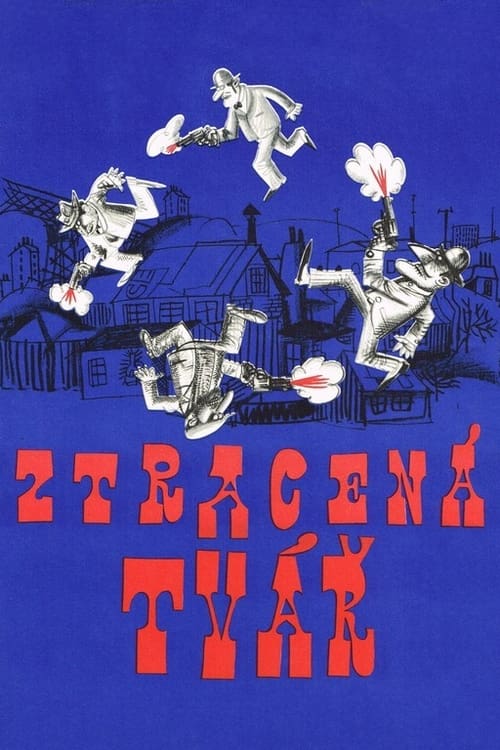
It is the 1930s. Physician Bartos devotedly attends poor patients in the city suburbs, at the same time researching the possibilities of regeneration of human tissues after transplantation. His former colleague Rosen, now working as an assistant at the private clinic of surgeon Kirchenbruch, considers the research a mere utopia. The disappointed Bartos, trying to verify his theories, therefore accepts the outrageous proposal of Marion, owner of a brothel - to surgically replace the face of her lover, the wanted thief Cutter, with the face of murdered Father Hopsasa. Bartos is well paid but his successful operation remains a secret.
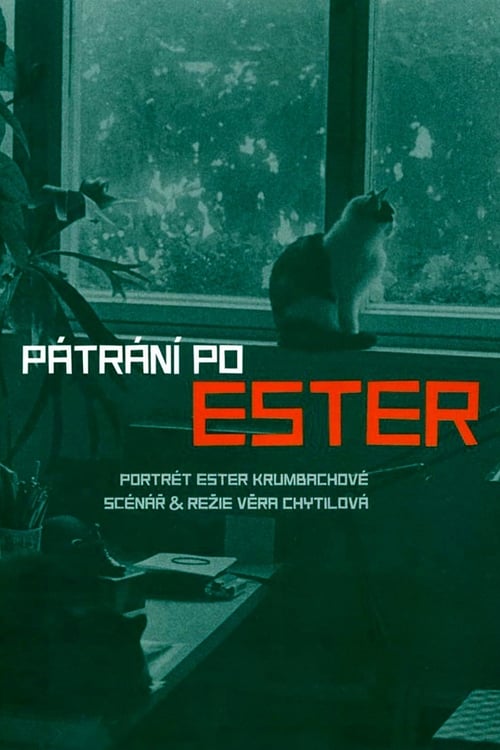
Ester Krumbachová - a costume designer, screenwriter, director; one of the boldest personalities of the Czech New Wave. She worked in theatre, she was a writer and an illustrator. She co-created films such as O slavnosti a hostech (1966), Sedmikrásky (1966), Vsichni dobrí rodáci (1969), Pension pro svobodné pány (1968), Valerie a týden divu (1970), Slamený klobouk (1972) and many others. In the 1960s, she was a 'pivot' of the art scene in Prague, attracting artists who were on the threshold of their career, just setting out to find their own form of self-realization. Those who underwent her tutelage remember her forever. Director Vera Chytilová talks to those who knew Ester Krumbachová, who worked with her, befriended her, loved her. She sets off on a search that is to end by answering the question: Who was Ester?
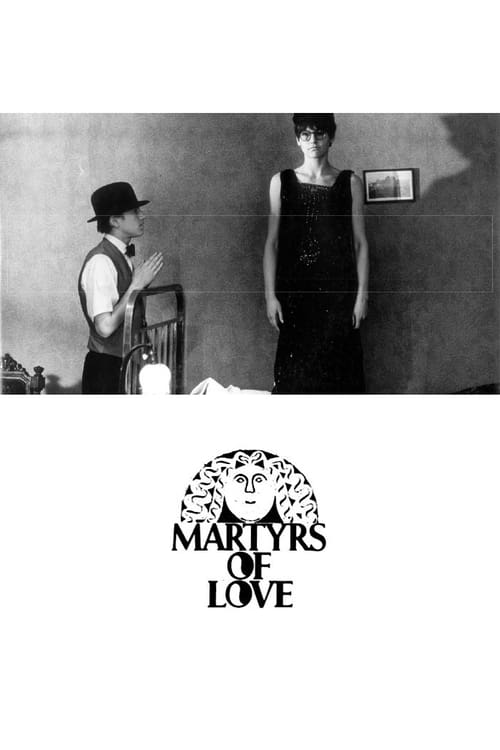
Three loosely-connected tales that represent different aspects of love: temptation, dreams, and adventure.
In a Prague shop, an assistant has been carrying on an affair with the dishonest, married manager. An emotionally repressed auditor with domestic problems of his own uncovers serious stock discrepancies. A test of loyalties and a questioning of values concludes in tragedy.
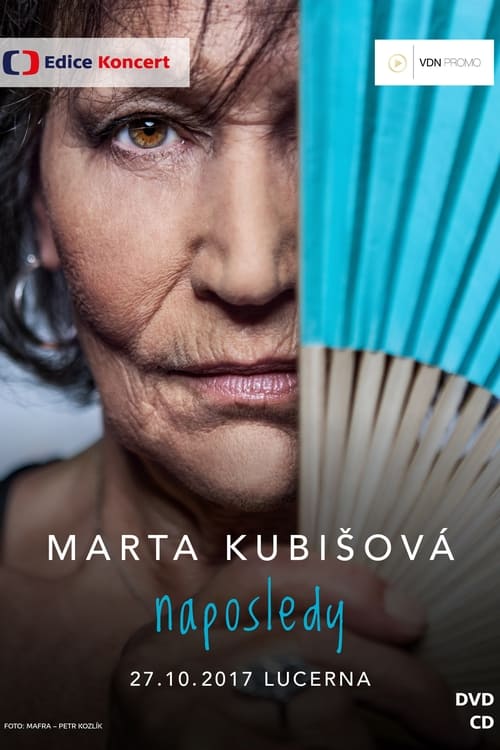
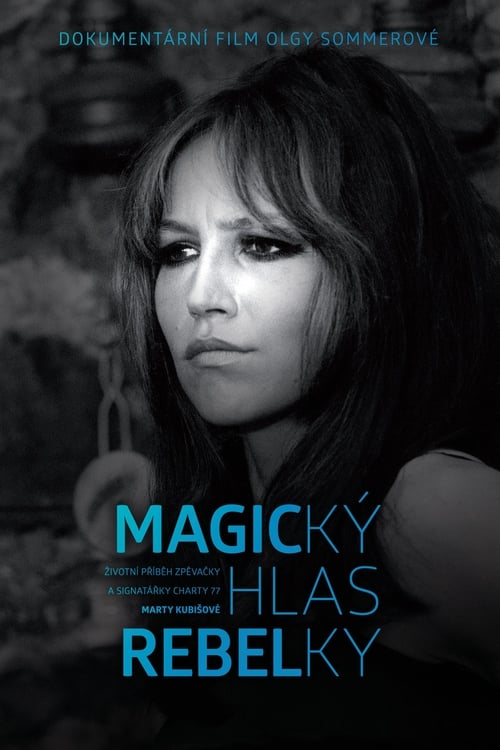
'The Magic Voice of a Rebel' portrays the story of the Czech singer Marta Kubisová, who without never intending it, became a symbol of freedom for all generations in the newly free Czhecoslovakia in 1989. It is Marta herself who tells us her life story and how the Soviet invasion in Czechoslvakia in 1968 changed her life. Because of her deep involvement in the Prague Spring movement, she went from being the most popular singer in the country to being banned and suffering a sudden removal from the public scene by the new authorities imposed from Moscow. She refused to escape to exile and together with other banned intelectuals and artists became a disident instead. Blacklisted and persecuted by the secret police, she also suffered the betrayal of beloved people who were collaborating with the regime.
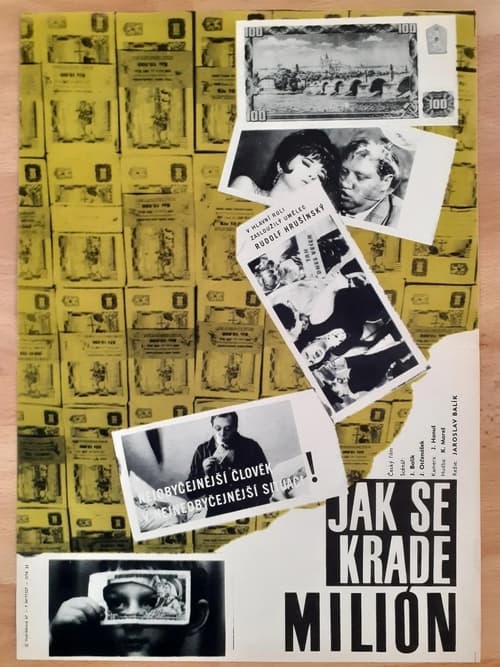
The exemplary accountant Antonín Safránek lives his orderly life as a citizen of a small town. His wife Eliska brings up their three children and desperately tries to get by on her husband's low salary every month. At the same time, she sadly watches the luxurious life of their neighbor and other people like him who have no qualms about improving their standard of living by cheating. One day, the infallible Safránek makes a mistake in the cash clearance and there are nine one-hundred Crown bills left in the safe. An unexpected company control carried out the next day passes without problems and the account is closed. The temptation is too strong. The insufficient control enables Safránek to gradually steal one million Crowns.
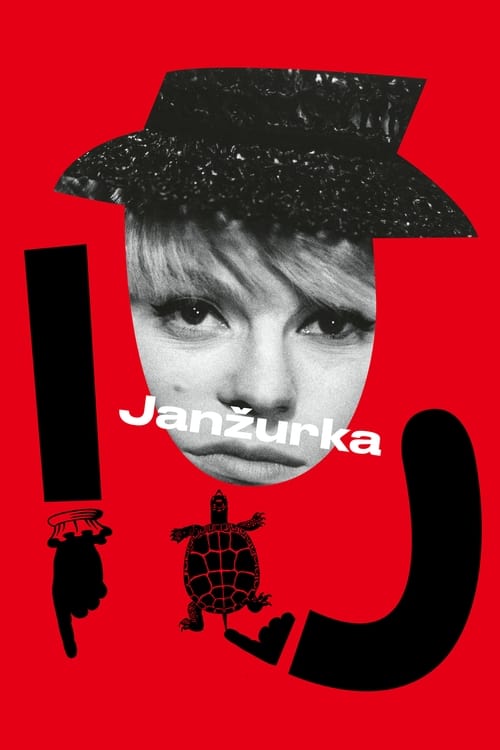
Theodora Remundová’s documentary portrait looks at Iva Janžurová’s dramatic and comedic roles in both film and theater, as well as the roles she has played in her family and in social and political life. The director (Janžurová’s daughter) has created a film filled with the truthfulness, sincerity, and capacity for self-reflection of a woman who has devoted her life to acting. The use of clearly staged scenes is combined with an openly acknowledged effort to avoid the kinds of clichés usually found in biographical documentaries to create an organic whole that provides an overview of Janžurová’s pivotal roles while also sharing highly personal and intimate moments from her life. Vít Kořínek (kviff.com)