Camera
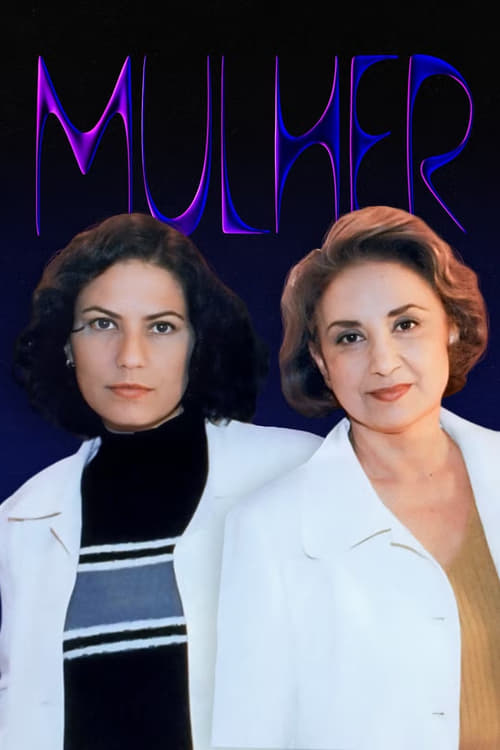
The whole story develops from the doctor Martha, who has worked for 40 years, always at the same clinic in Rio de Janeiro. She knows Cris and realizes that she has found a successor. Then begins the friendship of the two, who try to practice their profession with the utmost ethics, despite the owner of the clinic, who is always trying to say, save.
No description available.
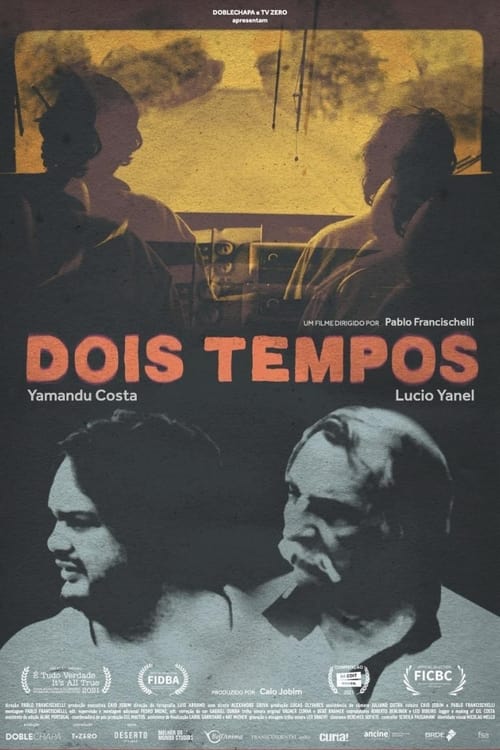
Thirty-five years after their first meeting, which would change their lives, Argentine guitarist Lucio Yanel and his Brazilian pupil Yamandu Costa reunited to redo, on a trip, the paths that originally led Yanel to the interior of Rio Grande do Sul. Aboard a motor home, with his guitars and memories, master and disciple cross the border of Brazil towards Corrientes, the Argentine's homeland, reflecting on the transformations brought about by the inexorable passage of time.
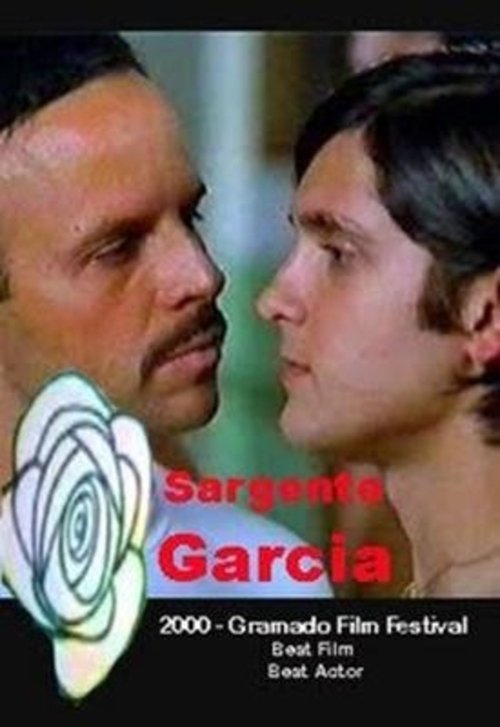
Based on a story by the same name by Caio Fernando Abreu, it tells the encounter of a young man and a sergeant in the 1970s.
The documentary shows the 450 years of the rich history of the city of Rio de Janeiro and its profound transformations, using archive images, 3D simulations and testimonials.
Abrindo o Armário dives into the process of liberation and conquests of the gay movement in Brazil. Through interviews, archival images and artistic performances, the film shows how homosexuals from different generations faced resistance, conquered spaces and fought for the right to construct a political, social and collective identity.
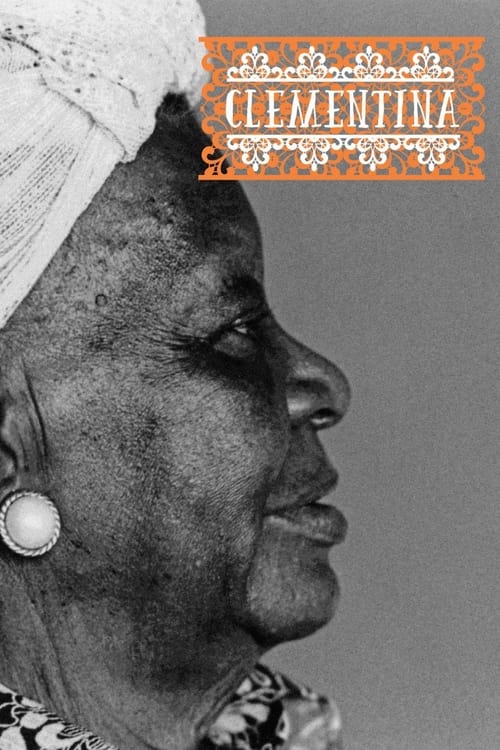
A film about the universe of Clementina de Jesus, singer revealed at the age of 63 as one of the greatest voices in the history of Samba.
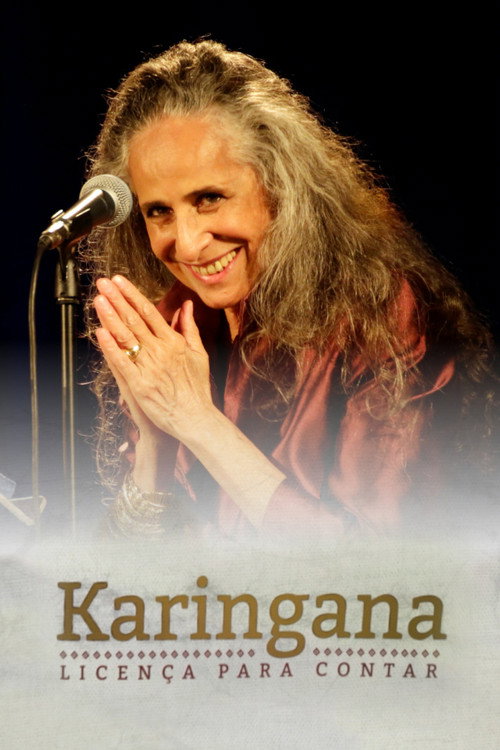
Maria Bethânia takes her poetic narrative to Mozambique for the first time. The interpreter presents excerpts of works connected by different forms of expression in the Portuguese language. With testimonies from Mia Couto, José Agualusa and several Mozambican and Angolan writers and literary critics, the documentary shows the development of literature in these countries, delving on its importance during the anti-colonial resistance, the connection with native languages, the oral traditions and the influence of Brazilian writers.
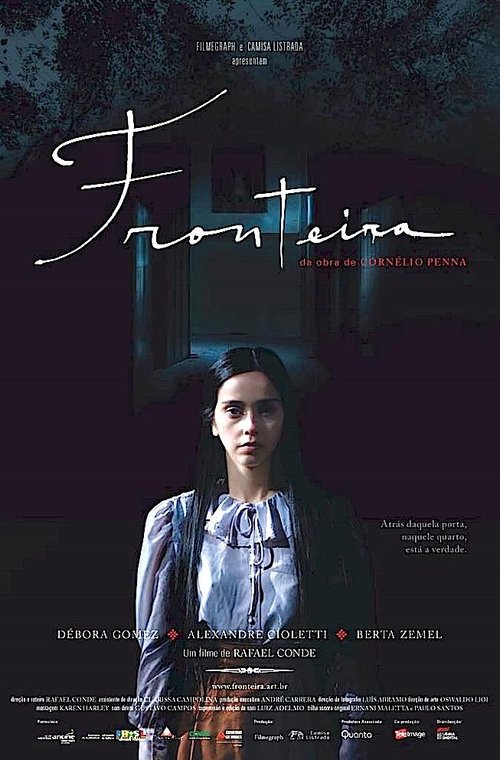
Threshold narrates a story of love and mystery which takes place in an old house inhabited by the young Maria, whose fame as a saint extends well beyond the mountains of the interior of Brazil. The arrival of two new characters has a disturbing affect on Maria: a traveler, for whom "Holy Maria" develops an intense passion, and Aunt Emiliana, an elderly lady determined to prepare for the great miracle.
On Alberto's birthday, his daughter Zezé gets engaged. But the party turns sour when he decides to expose his pain and regrets.
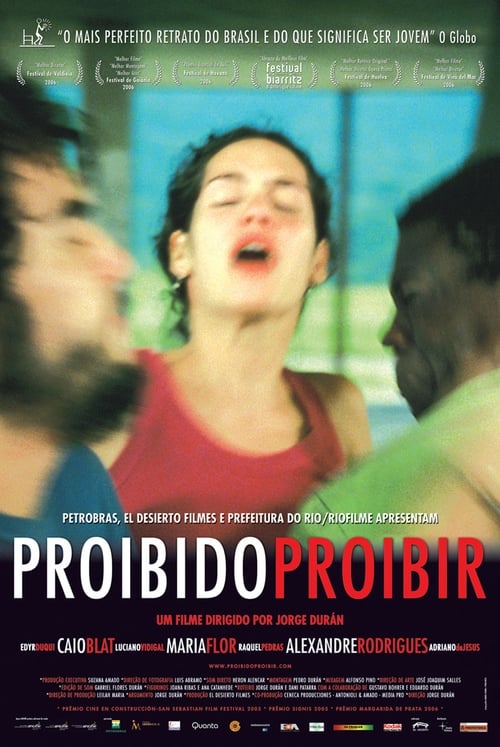
Three young Brazilian try to help a terminally ill woman who lives in the slums of Rio de Janeiro. Their youthful idealism is shattered with the cruel reality of police brutality.
Jacqueline Rocha Côrtes is a 55 year old Brazilian transsexual woman who has been living with AIDS for the past 21 years. As a Human Rights activist and a militant for HIV-positive people, Jacque has had her life marked by struggles and achievements, including her role as a representative of the Brazilian government at the United Nations. Now married and a mother of two, Jacque lives in a small town, leading her life dedicated to motherhood and family. By tracking her daily reality and revisiting her story, the film addresses the diversity and shows the numerous challenges that have been disrupted by this extraordinary character, raising awareness on prejudice, homolesbotransphobia and gender identity.
In Rio de Janeiro, over many days, the director Maria Ramos witnesses and films the judgment of several teenagers accused of stealing, trafficking and murdering. Underage youths are protected by the Brazilian laws and their faces can not be exposed; therefore, they are replaced by teenagers from poor communities.
The reunion of a couple and their recollections of a broken love.
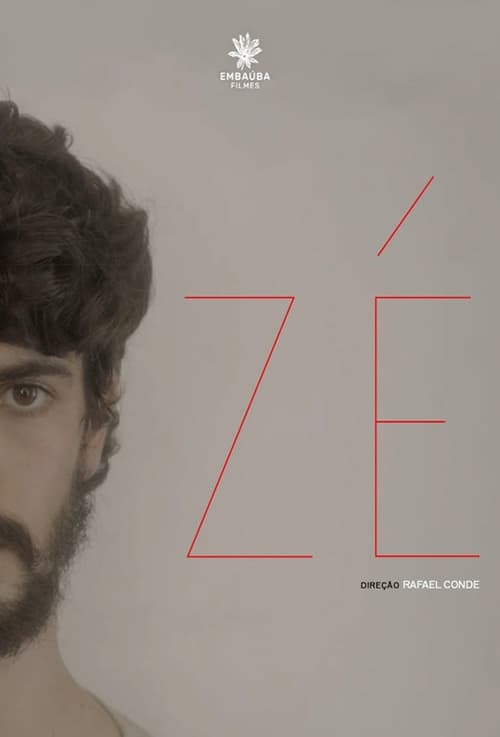
Brazil 1970. Zé walks away from his upper-middle-class life and joins the resistance against the military regime. Together with his partner Bete, he abandons public life to fight the system, while also raising two kids. Based on the life of José Carlos Novais da Mata-Machado who died under torture at the age of 27, falsely accused of betraying his companions.
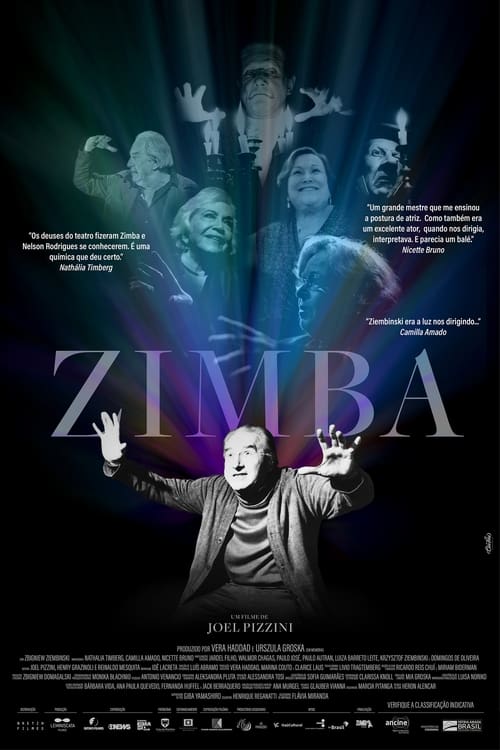
The trajectory and artistic imagery of actor and director Zbigniew Ziembinski (1908-1978), precursor of modern theater in Latin America and master of generations of Brazilian actors. The polyphonic montage builds on vast unpublished material, covering half a century of performances, teletheaters and interviews by Zimba, as he was known – before and after fleeing Poland, on the eve of the invasion of Warsaw – and recreates fragments of Wedding Dress , a play by Nelson Rodrigues which the Polish-Brazilian director won a revolutionary montage in 1943.
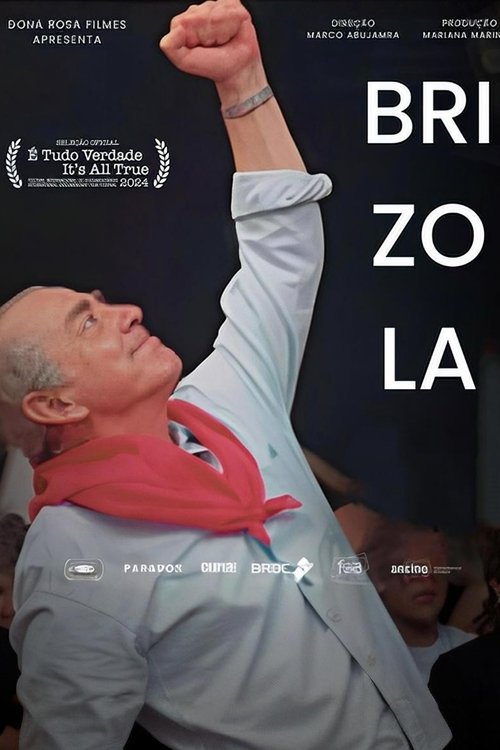
A reflection on the construction of the Brazilian political class, from Getúlio Vargas until the beginning of the 21st century. To the historical facts is added a cunning and ambitious Brizola, but above all passionate about the Brazilian people.