FEEL IT.STREAM
Amie Siegel

Amie Siegel

Directing

Biography

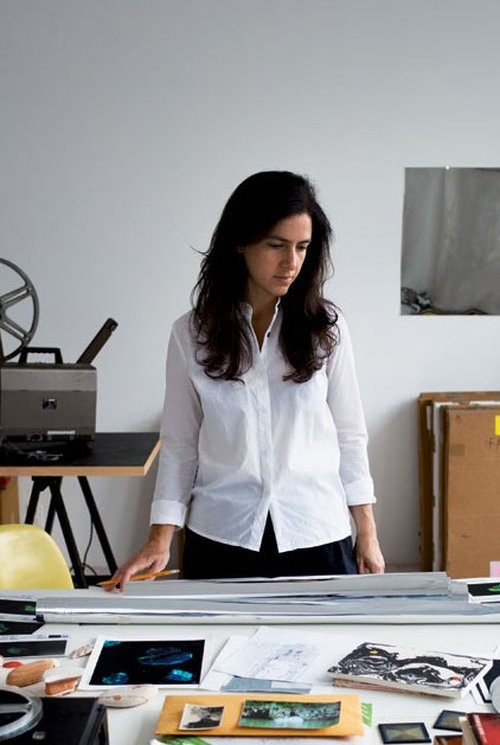
Amie Siegel is an artist based in New York. Current solo exhibitions include Double Negative, Museum Villa Stuck, Munich; Imitation of Life, Temple Bar Gallery, Dublin and Part 2. Ricochet, Kunstmuseum Stuttgart. This spring her work was featured on Vdrome and is currently included in the 2016 Glasgow International, Scotland; Fade in: INT. Art Gallery- Day, Swiss Institute, New York; Beyond 2 Degrees, Museum of Contemporary Art, Santa Barbara, California and The Future is a Do-Over, Dunedin Public Art Gallery, New Zealand. Recent solo exhibitions include The Metropolitan Museum of Art, New York and the MAK, Vienna. She has participated in group exhibitions at the Whitney Museum of American Art, NY; MAXXI Museum, Rome; KW Institute for Contemporary Art, Berlin; Walker Art Center, MN; CCA Wattis, San Francisco; MoMA/PS1, Queens and the Hayward Gallery, London. Her films have been shown widely including at the Cannes, Berlin, Toronto and New York Film Festivals, MoMA, New York and The National Gallery of Art, Washington, D.C. Siegel has been a fellow of the DAAD Berliner-Künstlerprogramm, the Guggenheim Foundation, a recipient of the 2010 ICA Boston’s Foster Prize, a 2012 Sundance Institute award and 2014 Berlin Film Festival award as well as a 2015 Creative Capital Grantee.
Known For

No image
10.0

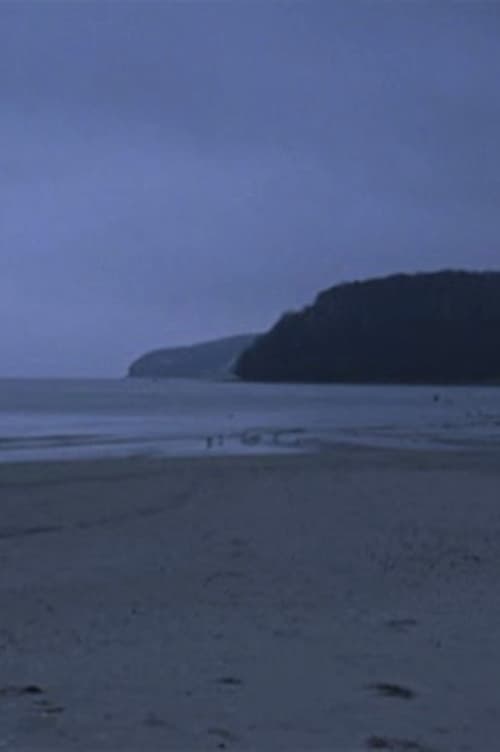
Two 16mm films simultaneously project images of Le Corbusier’s iconic white Villa Savoye outside Paris, and its doppelgänger, a black copy located in Canberra, Australia. Each film has been printed on 16mm stock as a negative image, or polarity print, thus reversing light and dark. The Antipodean black Villa Savoye is, in fact, an ethnographic institute, dedicated now to the digital duplication of its extensive collections of anthropological films, photographs, slides and sound recordings, as Siegel reveals in a high definition colour video. The work enacts the infinite loop of recorded artefacts—the urgency to document and record “vanishing” rituals and cultural practices becomes instead the contemporary archival impulse to copy vanishing media formats to digital. These concatenated elements extend the artist’s engagement with architecture as a foil, enacting and revealing across constellation-like works, layered sociological and aesthetic concerns.

Double Negative

2016Movie
Provenance
5.0

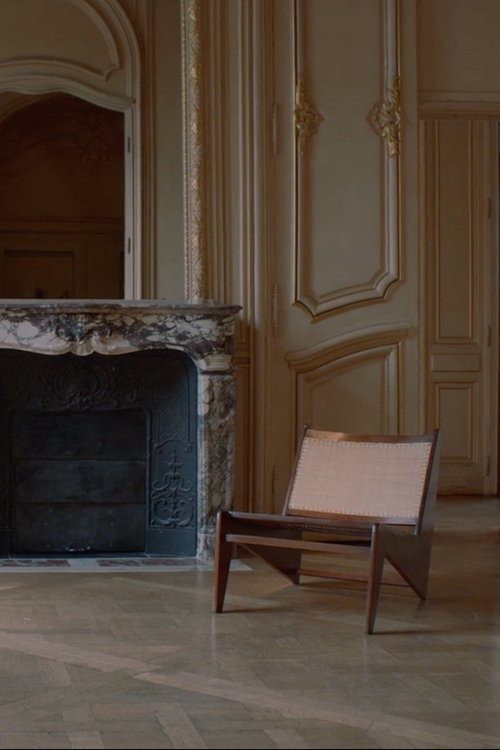
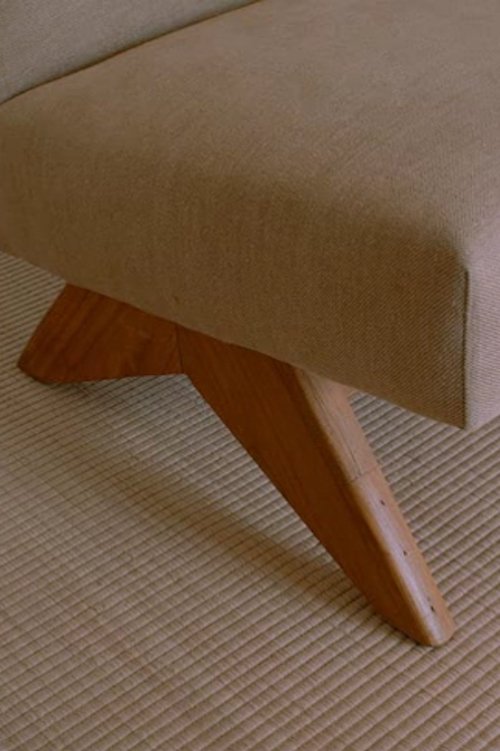
A film work of cinematic scale, Provenance traces in reverse the global trade in furniture from the Indian city of Chandigarh. Conceived in the 1950s by architects Le Corbusier and Pierre Jeanneret, Chandigarh’s controversial modernist architecture includes original pieces of furniture—tables, chairs, settees, desks—created specifically for the building’s interiors. Recently these pieces have appeared at auction houses around the world, commanding record prices. Starting with the Chandigarh furniture in the present, the film begins in New York apartments, London townhouses, Belgian villas and Paris salons of avid collectors. From there, it moves backwards to the furniture’s sale at auction, preview exhibitions, and photography for auction catalogues, to restoration, cargo shipping containers, and Indian ports — ending finally in Chandigarh, a city in a state of entropy.

Provenance

2013Movie
No image
10.0

Fetish unfolds at London’s Freud Museum, depicting the yearly nighttime cleaning of the psychoanalyst’s personal collection of archeological statues and artifacts. Exposing the unseen procedural activities of the museum, the material and exquisitely mundane qualities of these objects are disclosed. The leading protagonists–analyst, patient (and tourist visitor)—are present only in the objects’ endless accumulation of dust and its painstaking, methodical removal. The artist’s rendering of the ritual cleaning allows for a reverse gaze at Freud’s personal collection and furniture—alternately tender, projective and voyeuristic, as the conservator’s brush sweeps the delicate surfaces of each object, or pulls back fabric upon fabric to reveal a couch’s hidden structure. Through subtle parallels, these objects, processes, and the intimate empathy their simultaneous systems each suggest, are both mirrored and revealed.

Fetish

2016Movie