Acting
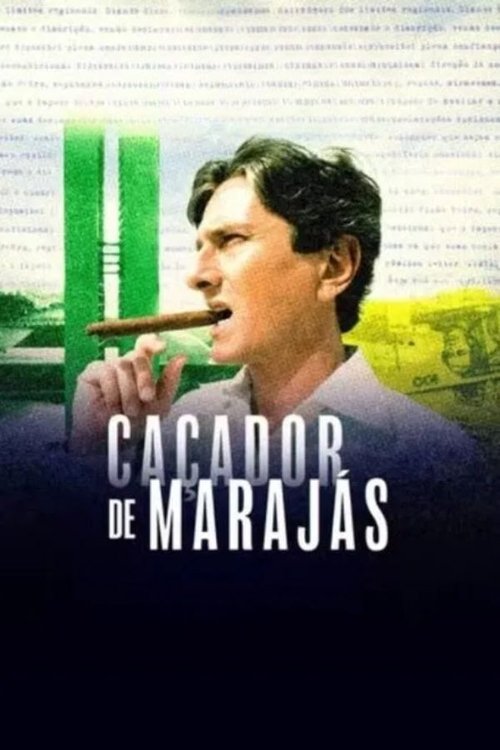
The rise and fall of Fernando Collor de Mello, Brazil's youngest president and the first president in the Americas to be impeached.
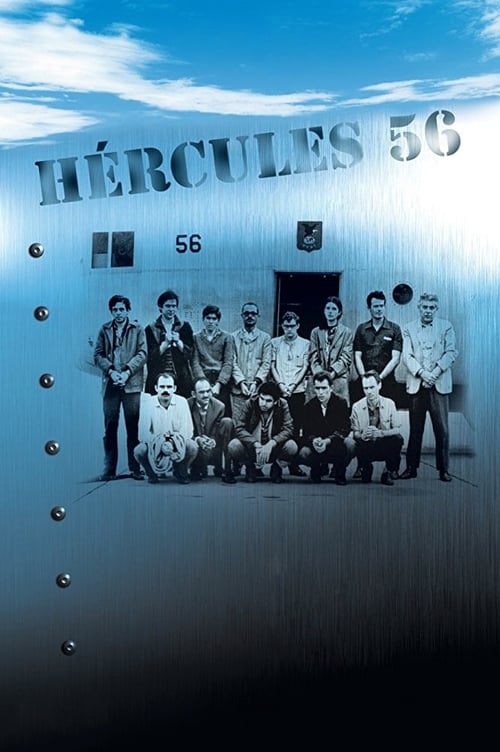
Documentary featuring contemporary interviews with 5 of the revolutionary activists who kidnapped US ambassador Charles Embrick in August 1969 in Rio de Janeiro and some of the political prisoners who were freed from prison in exchange of the ambassador's liberty and flown out of Brazil to Mexico in an army cargo airplane "Hércules 56".
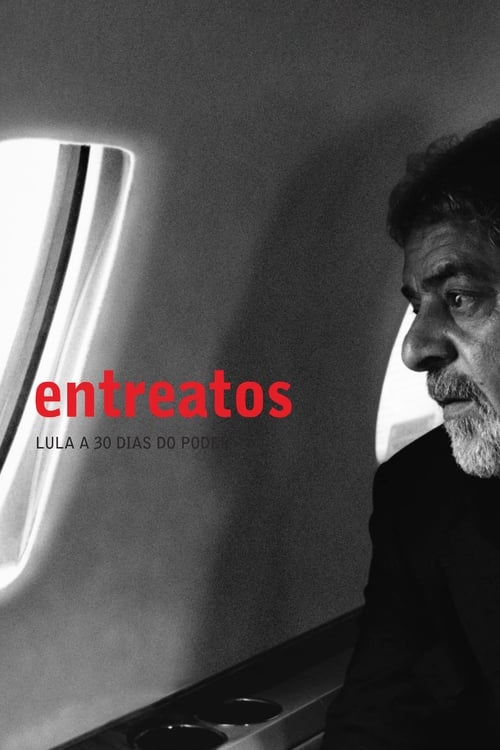
Intermissions follows Lula during the hectic election campaign for the presidency in 2002. Lula gave filmmaker João Moreira Salles and his crew complete access, and the result is an intimate documentary of what went on behind the scenes. Sometimes, Lula is afraid that he will lose his freedom as president. Combined with Lula's candor, the film's observational style provides some very special insight into one of Brazil's most popular leaders.
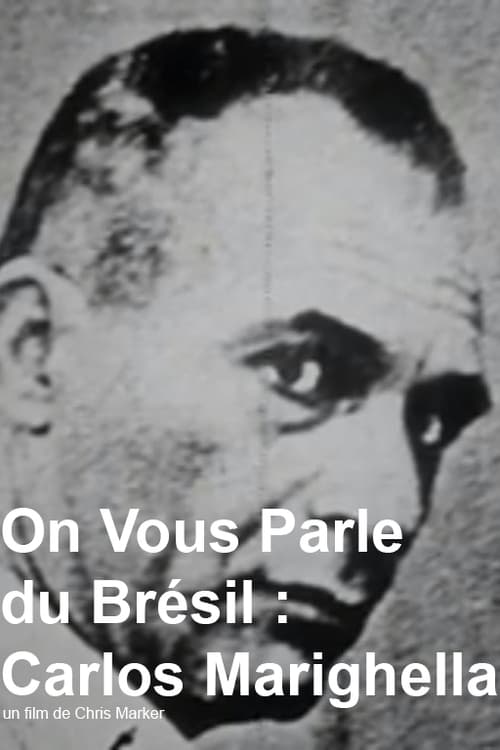
Made shortly after the death of Brazilian revolutionary Carlos Marighella, this documentary reconstructs his life and political struggle through interviews with friends and comrades. It examines his role in the resistance against Brazil’s military dictatorship and his death in a 1969 police ambush.
We question the most unquestionable period in our history. The result was an international investigation with part of secret attempts, discovery of Soviet documents and a lot of investigation by the Brazilian media. It was all under our eyes.
No description available.
In 1979, while Brazil was going through the troubled moment of the Amnesty Law, Glauber Rocha directed the program Abertura for TV Tupi, in which he interrogated a contradictory and boiling Brazil head-on, full of utopias but always under the weight of secular wounds.
The clandestine congress of the National Union of Students, held in October 1968, resulted in the collective arrest and registration of 700 students who opposed the dictatorship.
The Cruspian Experience is a documentary made in June 1986 about CRUSP, the University of São Paulo’s student housing complex, from its occupation by students fighting for housing in 1963. The CRUSP portrayed in the film was an important center of political resistance to the military dictatorship during the 1960s and 1970s, as well as a space for diverse forms of community life and experimentation in the 1980s. The documentary features accounts by José Dirceu, then a student and later a prominent Brazilian politician who went on to serve as a minister during Lula’s government and was subsequently convicted and imprisoned on corruption charges. The documentary was directed by Nilson Queiróz Couto and received the “Prêmio Estímulo” (Incentive Award) from the São Paulo State Secretariat of Culture.