
Lee Hangjun
Directing
Biography
Born in 1977, Hangjun Lee is a filmmaker and curator who also works as a program director at EXiS festival in Seoul. His works are based on multi-projection and optical sound, focused on projector improvisation since the mid 2000s, collaborating with Ryu Hankil, Martin Tétreault, Jérôme Noetinger, Will Guthrie, Alan Corutis. His films have been shown at various venues, including the Issue Project Room(NY, USA), South Bank Centre & Cafe OTO (London, UK), BOZAR (Brussels, Belgium) and Netmage10 (Bologna, Italy) and have been distributed by Light Cone in Paris (France). He also has curated screening and live media programs such as Cinematic Divergence (2013) and Mujanhyang (2014) for the National Museum of Contemporary Arts in Seoul and Embeddedness: Artist Films and Videos from Korea 1960’s to Now (2015) for the Tate Modern in London. He has contributed to several contemporary arts magazines in China, Taiwan and South Korea, and has participated in artist residency programs at LIFT (Toronto), No.w.here (London), MTK (Grenoble) , SeMA (Seoul Museum of Arts) Nanji Residency (Seoul) and MIRE (Nantes), ARKO Art Center C-Lab (Arco Art Center, Seoul) etc. Since 2006 he has been working on an audiovisual research project, “Expanded Celluloid, Extended Phonograph” in collaboration with Hong Chulki, a noise improviser. Their collaboration stimulated critical investigations into the performativity of practices in the darkroom, the screening room, the private recording/ practicing studio, and the public performance spaces utilized for the improvising musician.
Known For

Adopting mainly hand contact printing with photographic enlarger, «Metaphysics of sound» started from September of 2006 and completed in July of 2007. With a 35mm soundtrack image, I made a hand-drawn soundtrack on the 16mm film strip. The sounds were made either by directly contact printing the 35mm sound tracks or collaging the scratch images. According to pattern of sound on the 20% blank of 16mm film strip (normally used as space for optical recording), I edited whole image and made structure of film. Hence the margin is a where image is sound, and vice versa. Later, I studied the sound patterns which varied according to the kinds of images used or the concentration of the image, and made various attempts at rearranging the structure of the sound with the image.
Metaphysics of Sound
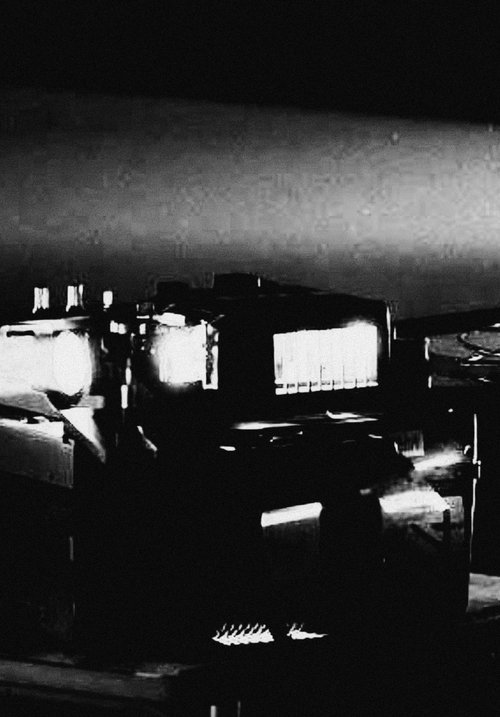
Throughout the history of cinema, we always see the countdown leader and hear the beep sound just before the start of a film. In this 16mm multi-projection performance, we hear sound and emotional residues from narrative cinema such as laughters, clapping, and cheering. The projectors become the protagonists in this performance, facing the audience.
The Projectors
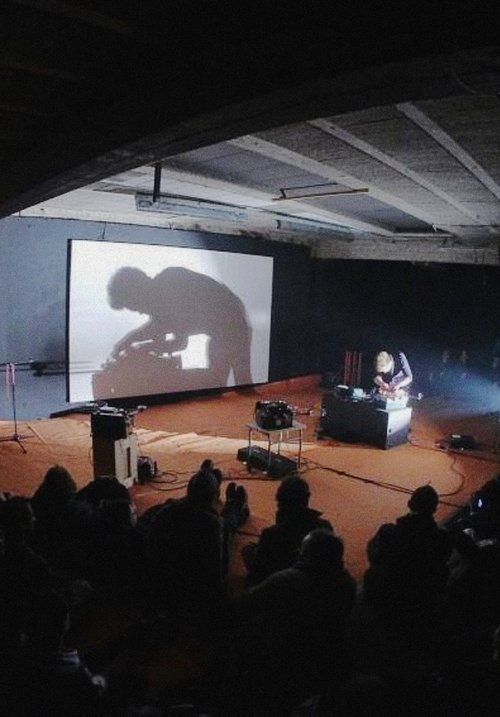
Film Walk is perhaps the one plus ultra of this branch of projection performance, treating the projector literally as an instrument. In this work, which has varied in form across several years,Lee threads 16mm film through only the sound head of a projector tuned on its side, bypassing the projector’s gate. This film is double-perf, meaning a second row of sprocket holes runs along the side of the strip where that soundtrack would normally be. As these pass over the sound head, they produce an electronic purr, or, when amplified enough, an unpleasant metallic grinding comparable to the sound of a buzz saw. Lee pulls the film through the projector by hand, yanking it roughly through the sound head. The variations in speed that result from Lee’s manual movement of the filmstrip cause abrupt changes in the frequency and timbre of the sprocket sound. (Jonathan Walley, Cinema Expanded)
Film Walk
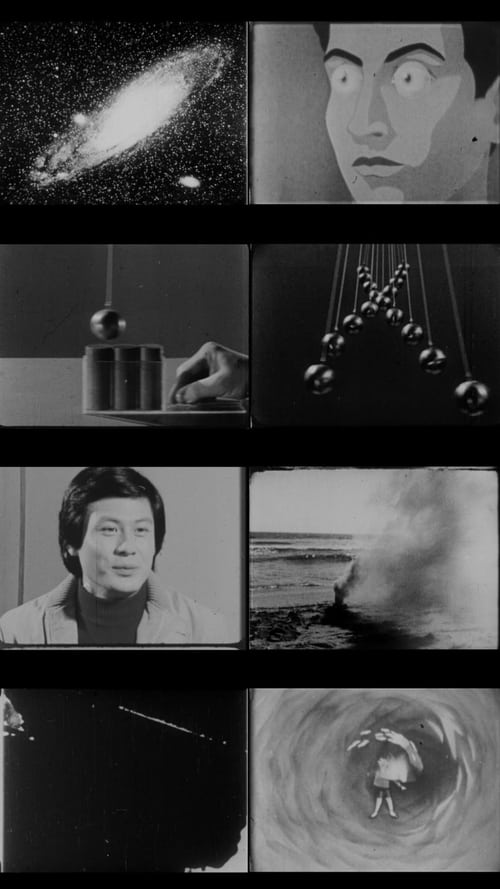
Why Does the Wind Blow has been reconstituted from instructional 16mm films collected by the director from film archives. It presents a sensational experience through the juxtaposition of visualized movement of physical objects and the cinematic creation of time.
Why Does the Wind Blow

SCREENING VERSION 16mm triple projection, “After Psycho Shower”, which deconstructs the famous shower-murder scene from Hitchcock’s “Psycho”, frame by frame, and concludes in melting and burning of film itself after the obsessive repetition of it, aiming at renewal of the cultural memory of this well-known images into audio-visual ‘experience’. The soundtrack of this expanded ‘horror’ cinema performance consists of noise music, which unconsciously ambushes the audience. “After Psycho Shower” is the piece that (dis)unites the relation between sound and image in horror cinema, previously severed by digitalization of the both, in an indeterminate and contingent way of improvised audio-visual performance.
After Psycho Shower
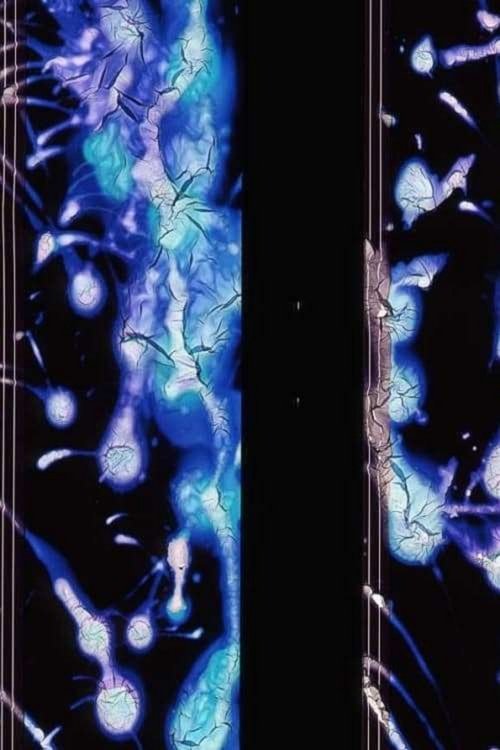
It is in the spirit of an experience and experiment that Hang Jun Lee's «The Cracked Share» must be viewed. Seized in moments of visual detachment during periods of emotional contact, these images are oxidized residues of fixed light and chemical elements of transformed from living organisms. No plastic expression can ever be more than a residue of the experience and yet, the residue is the recognition of the experience, loss permeates the work and yet somehow the experience endures, recalling the event more or less clearly, like the undisturbed ashes of an object consumed by flames. The recognition of this object, so little representative and so fragile, speaks to us of this artist's isolation. «The Cracked Share» is quite wonderfully dense and visceral in nature ...
The Cracked Share

Phantom vertiginous audiovisual performance work addresses the Yeosu-Suncheon Rebellion (1948), one of South Korea’s dark historical traumas whose immediate aftermath (the number of casualties overall is estimated to reach 10,000) and long-term repercussions in effectively establishing the ‘red scare’ or anti-communism proved vital, or rather, lethal to many lives as well as the egalitarian imaginary in post-war South Korea. The fact that the portrait photographs in the film are not those of actual victims but of people taken later in the same area –which Lee got hold of from a local photo studio– further complicates the question of “recognition”. One is thus tempted to suggest that Phantom paradoxically serves to forget these faces, along with the historical trauma of the massacre, in seeking to remember them. (Yung-Bin Kwak, Fireworks and Massacre in Grey (Spasmodic) Room)
Phantom Schoolgirl Army
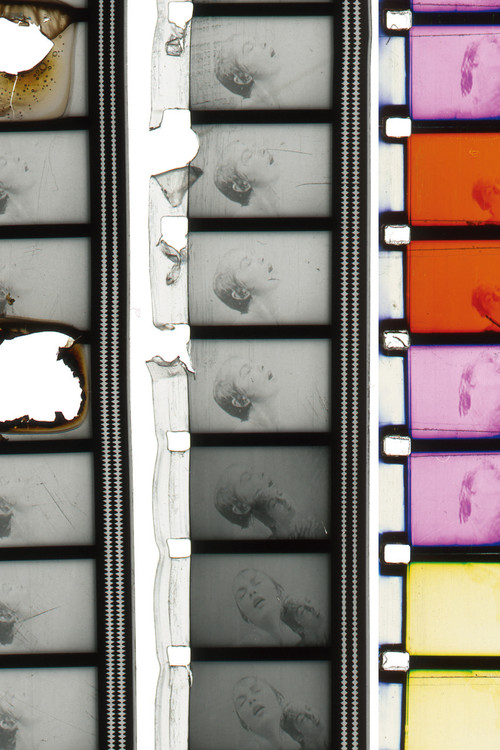
PERFORMANCE VERSION 16mm multi-projection performance, “After Psycho Shower”, which deconstructs the famous shower-murder scene from Hitchcock’s “Psycho”, frame by frame, and concludes in melting and burning of film itself after the obsessive repetition of it, aiming at renewal of the cultural memory of this well-known images into audio-visual ‘experience’. The soundtrack of this expanded ‘horror’ cinema performance consists of noise music, which unconsciously ambushes the audience. “After Psycho Shower” is the piece that (dis)unites the relation between sound and image in horror cinema, previously severed by digitalization of the both, in an indeterminate and contingent way of improvised audio-visual performance.
After Psycho Shower
Abstract Audiovisual Piece
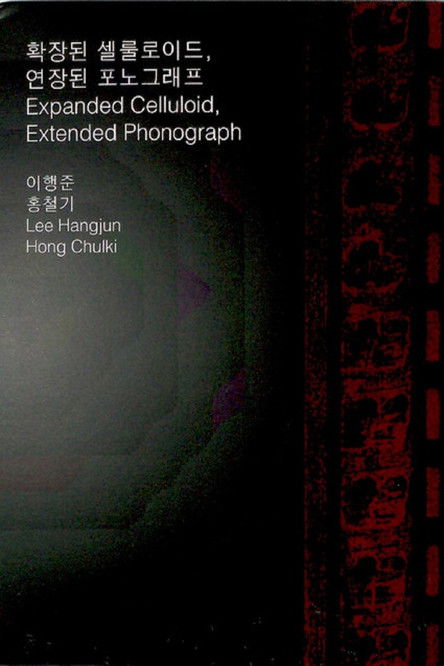
Expanded Celluloid, Extended Phonograph
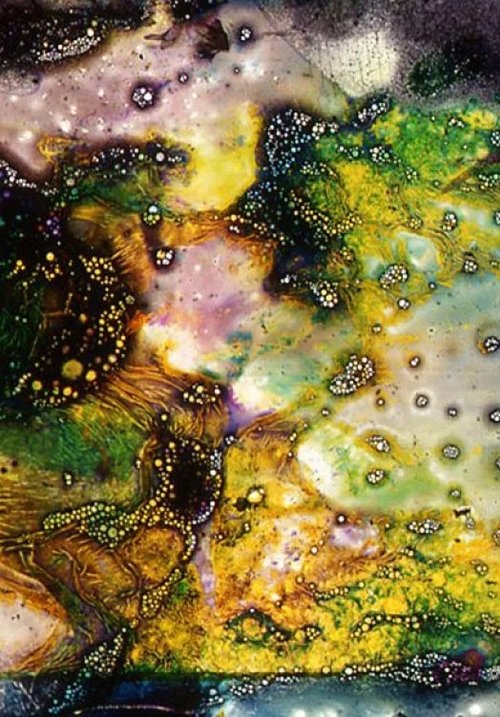
Nebula Rising is a gorgeous transformation of the emulsion of film into expressionistic abstraction what Hangjun Lee calls “a pursuit of the science of dust”.
Nebula Rising
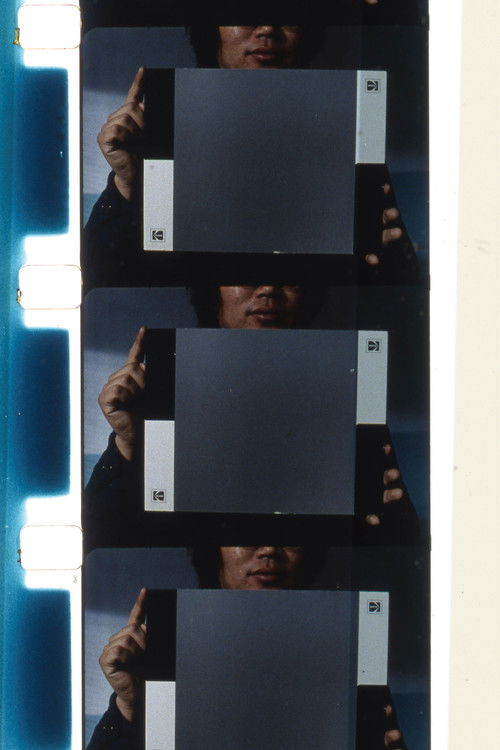
A short film by Lee Hangjun
Paradoxe sur le comédien
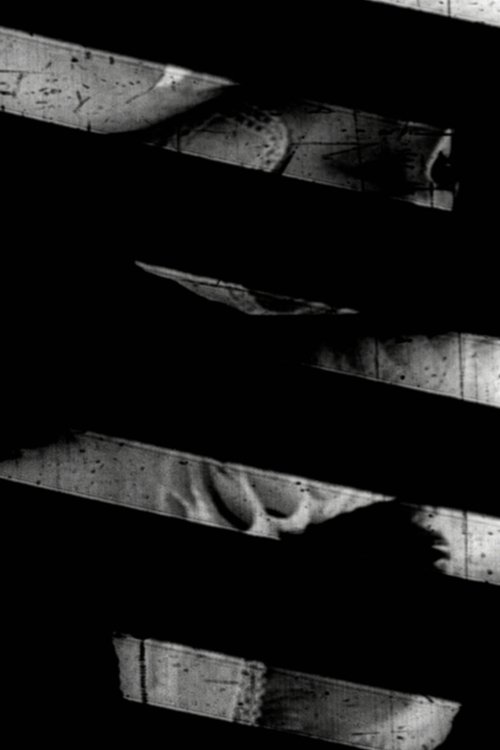
“A powerful flicker film made from 35mm images of fashionable hats and hair.” (Pip Chodorov)