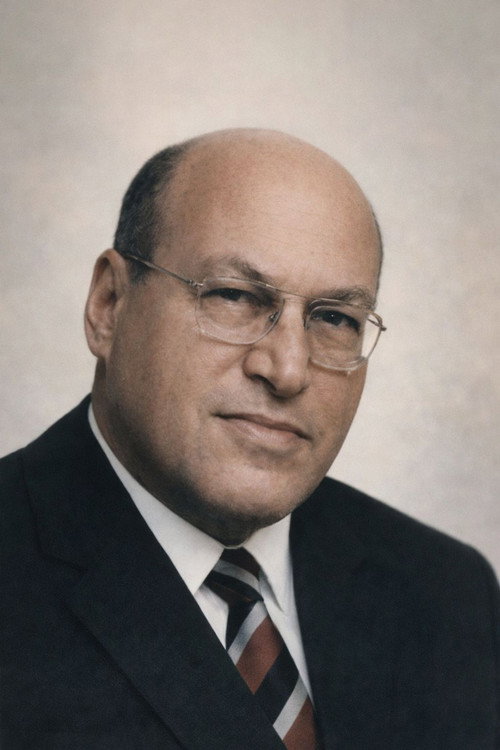
Philippe Erlanger
Writing
Biography
Philippe Erlanger (1903–1987) was one of the major figures of French cultural diplomacy in the twentieth century. Born in Paris into an artistic family, he grew up in an environment where music, literature, and theatre played a central role. After studying literature, law, and political science, he turned toward international cultural action, a field that was still young but rapidly developing. In the 1930s, he became a key member of the French Association for Artistic Action, where he organized exhibitions, theatre tours, and cultural exchanges across Europe. As a keen observer of the rise of authoritarian regimes, he witnessed the politicization of the Venice Film Festival and began imagining a free, open, and independent film event. With the support of Minister Jean Zay, he launched in 1939 the project that would become the Cannes Film Festival, serving as its first general delegate after the war. His organizational skills, international network, and passion for the arts helped establish Cannes as a major global meeting point for cinema. At the same time, Erlanger built a successful career as a historian, publishing numerous biographies on key figures of the Renaissance and the Grand Siècle. His lively, narrative style earned him a wide readership. Until his death in 1987, he remained a respected cultural figure, remembered as a passionate diplomat and a builder of lasting institutions.
Known For

No description available.
Reflets de Cannes
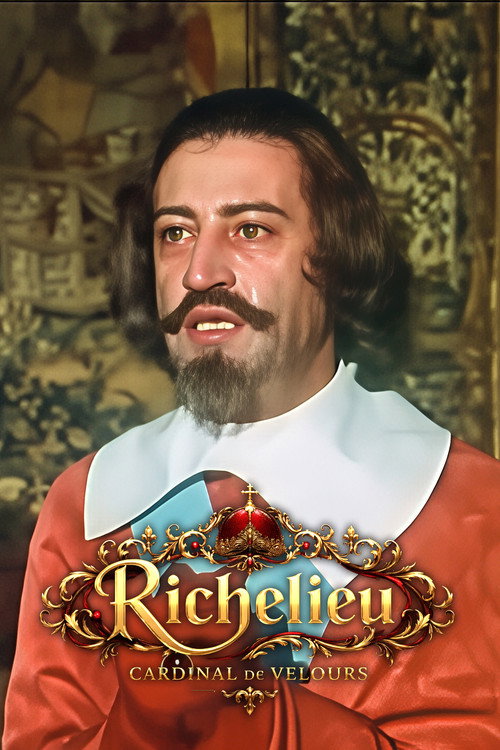
In a France fractured by court rivalries and personal ambitions, Richelieu moves without ornament. No flourish, no glory — only the cold machinery of power. Caught between a hesitant king, a nobility dreaming of defiance, and enemies multiplying on every front, the cardinal enforces his line: centralize, control, crush resistance. The series follows a strategist who doesn’t hide behind morality. He acts to keep the State standing, even if it means breaking those who stand in his way. Espionage, secret negotiations, decisive strikes… Richelieu plays a game where mistakes are fatal, and the survival of the kingdom rests on one man willing to go further than all the others
Richelieu
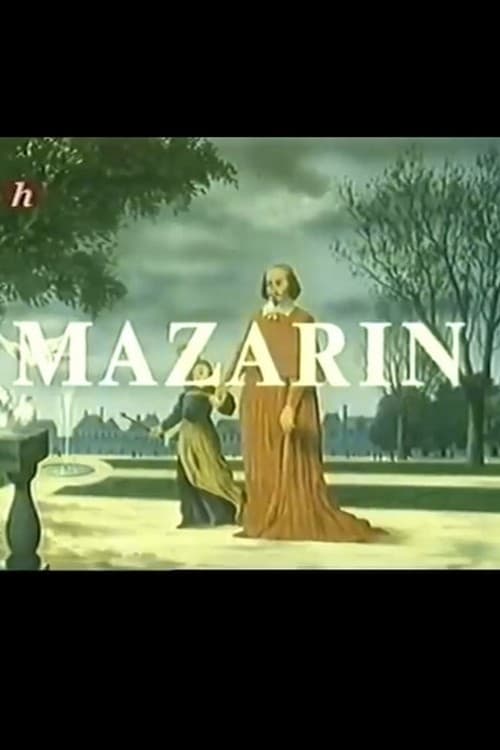
The series Mazarin (1978) recounts the rise of Jules Mazarin, first an Italian diplomat and later France’s chief minister after Richelieu. The story shows how he earns the trust of Anne of Austria and becomes the political mentor of the young Louis XIV. Over the course of the episodes, Mazarin faces court intrigues, the hostility of powerful nobles, and the turmoil of the Fronde, which threatens royal authority and forces him into several periods of exile. Despite pamphlets and conspiracies, he manages to restore order and prepare the emergence of the future Sun King. The series thus portrays a skilled statesman, often contested but essential in shaping absolute monarchy.
Mazarin
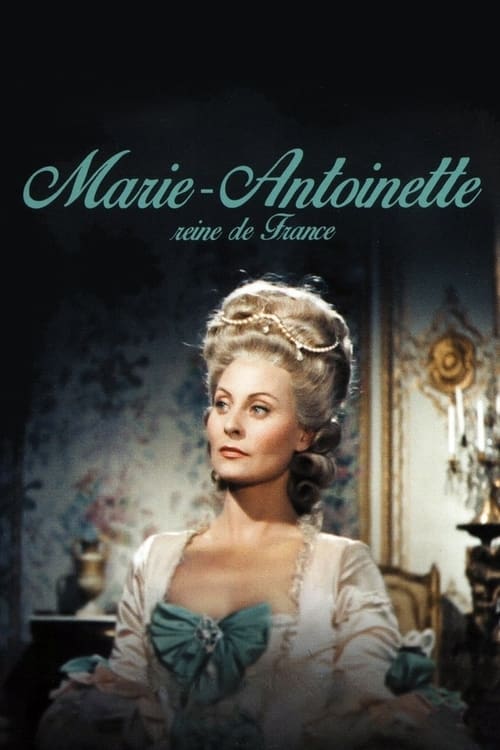
While Louis XV is dying, the Dauphine of France, Marie-Antoinette, seduces a Swedish officer, Axel de Fersen, which pains her husband, the new King Louis XVI, who will know how to be generous when he learns of this deception.
Marie-Antoinette Queen of France

Cardinal Mazarin dies, leaving a power vacuum in which the young Louis asserts his intention to govern as well as rule. Mazarin's fiscal advisor, Colbert, warns against Fouquet, the Superintendant who has been systematically looting the treasury and wants to be prime minister. Fouquet believes Louis will soon tire of exercizing power and overplays his hand by offering a bribe to Louis' mistress to be his ally. She reports this to the king who arrests Fouquet. Louis and Colbert design a brilliant strategy to keep merchants making money, nobles in debt, the urban poor working and fed, and peasants untaxed.