Viera Čakányová
Directing
Known For
No description available.
proStory

After the Soviet invasion of Czechoslovakia in 1968, Libuše Jarcovjáková, a young female photographer, strives to break free from the constraints of Czechoslovak normalization and embarks on a wild journey towards freedom, capturing her experiences on thousands of subjective photographs.
I'm Not Everything I Want to Be
No description available.
Hudobníci
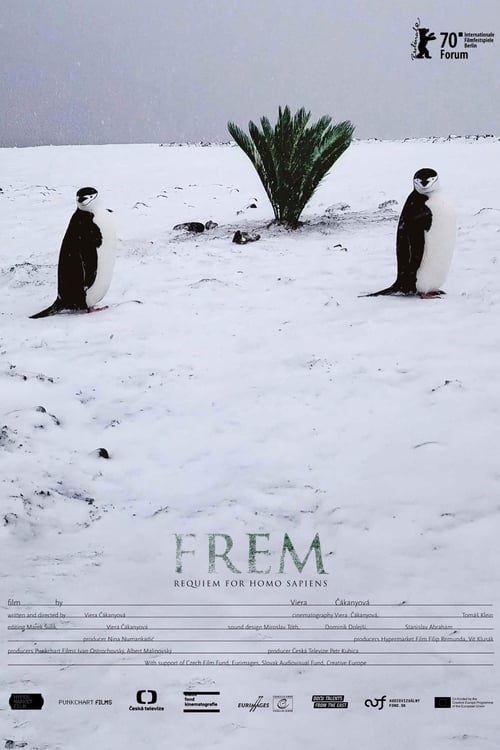
Incomplete thoughts and fragments of dialogue, diverse music interrupted by rushes and glitches, and the seemingly confused, unanchored camera, create a disturbing, philosophical reflection on the limits of anthropocentric thinking.
FREM
What is “Slovakia”? How to explain the notion of “Slovakia” of the past 20 years to an unknown stranger, a visitor from another planet? What is the genetic makeup or the software for “Slovakia”? How to use it? How does it change? Slovakia 2.0 is a film about twenty years of independent Slovakia as seen from the perspective of ten film directors. It is composed of ten 10-minute films of different genres ranging from drama, through animation and documentaries, to experimental film. The ten recognised film directors who offer an answer to what is Slovakia include a wide range of generations, views and genres, namely Juraj Herz, Martin Šulík, Peter Kerekes, Zuzana Liová, Mišo Suchý, Ondrej Rudavský, Iveta Grófová, Peter Krištúfek, Viera Čákanyová, and Miro Jelok.
Slovakia 2.0
Gottland provides an unconventional look at Czechoslovak 20th century history. Inspired by the bestselling book “Gottland” from the Polish journalist Mariusz Szczygiel, this feature-length film is comprised of short stories portraying peculiar fates. Young documentary film makers from renowned Prague Film School FAMU, inspired by the book, take a closer look at the history of post-war Czechoslovakia and Czech Republic, in order to discover new heroes and remind us of the ones that were forgotten or erased from the history.
Gottland
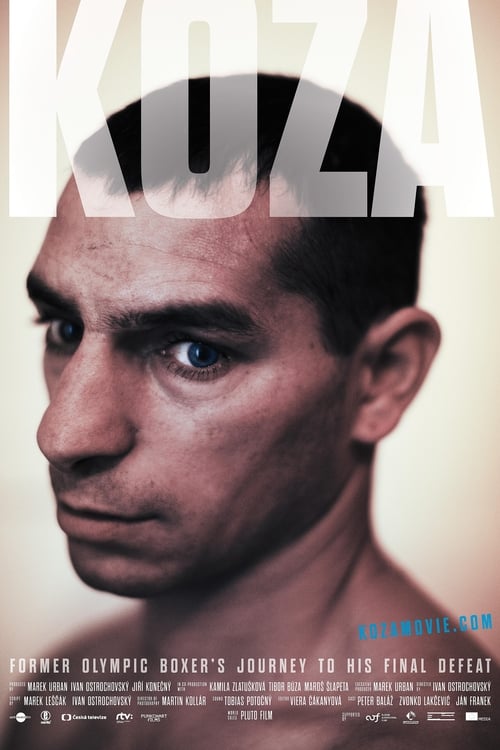
Peter "Koza" Baláz is a former Olympic boxer. He and his partner, Misa, live in a dilapidated housing estate, constantly struggling to make ends meet. Misa learns that she is expecting a child and decides to terminate her pregnancy. In order to earn some much-needed cash and possibly change Misa's mind. He and his manager Zvonko embark on a "tour", where success is not measured in victories, but in the amount of blows that Koza can take.
Goat
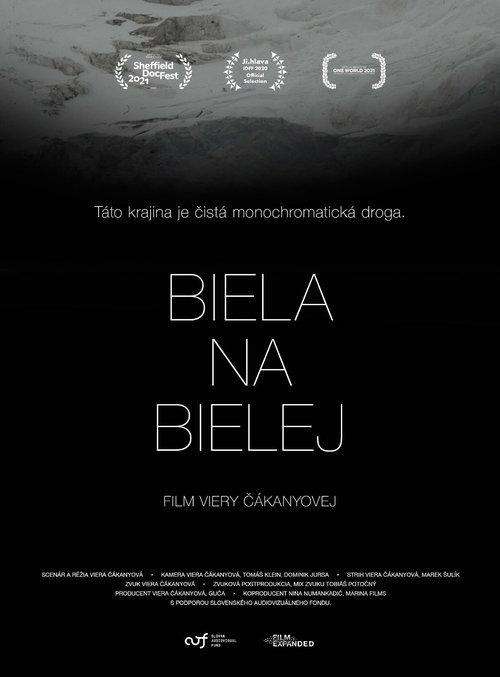
'White on White' is director Viera Cákanyová's video diary that she kept while staying at the Polish Antarctic station, where in 2017 she shot the film 'FREM' (2019), whose main character was an artificial neural network. During her stay, the author chats with various artificial intelligences, leading conversations that touch on the nature of film, art, and the meaning of life while also revealing a way of thinking that's free from humanity and from an emotionality that forces deep introspection. Footage from her routine, everyday life at the station contrasts with lyrical images of the immaculate Antarctic nature, which the author complements with her own commentary and thoughts provoked by the loneliness of the ice-covered landscape.
White on White
Life is going on, people work and have children, out of love or out of lack of other motivation in life. As there is no God, the only certitude is 24 hours open Tesco hypermarket. 40 years ago, Apollo 11 landed on the the surface of the Moon. Next destination is Mars. No human project can go on without a hope of being completed in a reasonable time-limit. Maximal reasonable time-limit is the duration of a human life. What does fit into it? Béla, a retired Hungarian bio-molecular scientist is waiting for death. In the meantime, he has some things to say.
100 Days

In her feature-length debut director Paula Ďurinová sets out to wander among varied rock formations in order to try and come to terms with the loss of her grandparents.
Lapilli
Having been diagnosed with Alzheimer's disease and suffered two strokes, Ms. Oldriska lives with her dog in an apartement with a lovely view of Brno. Using a simple digital camera she records a few days of her life – an everyday struggle with body and brain, a visit by her friend and son, the reconstruction of her apartment. With no previous experience filming, she uses the camera in a very spontaneous way, sometimes fighting with the technical limits of the device, sometimes even forgetting about the shooting itself. The film deals with ageing, pain, solitude, and also love, for people and animals, in a very raw and non-aestheticized manner.
Olda
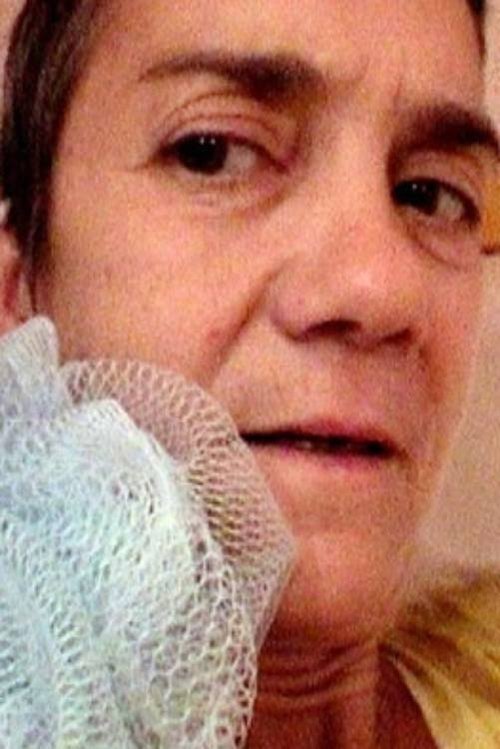
Mrs O. tosses a chicken from her balcony. Mrs O. thinks her neighbor is a secret agent. Mrs O. has Alzheimer’s, but her pet name for her disease is “Alda.” With great humor, irony, and self-deprecating insight, this defiant and willful woman commentates on her own daily life in Prague. There’s a list on the door of friends and family members she’s allowed to let in even if she doesn’t recognize them. Sometimes she thinks she’s living under Communist rule, and she worries that if she doesn’t hang out a flag on Labor Day she’ll be arrested.
Alda
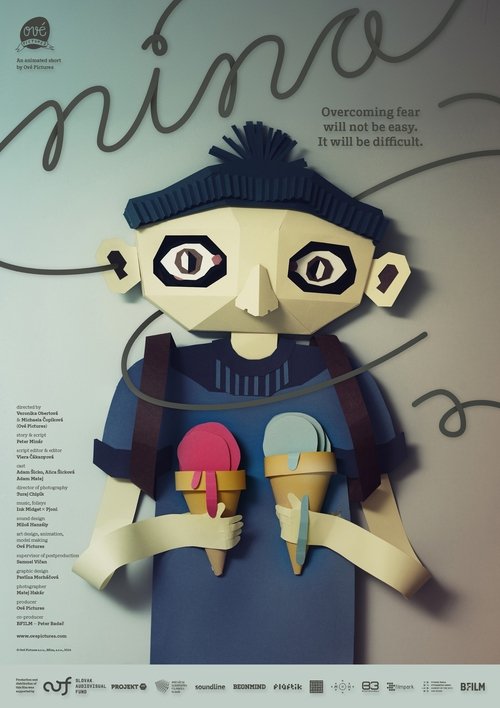
Overcoming fear will not be easy. It will be difficult.
Nina
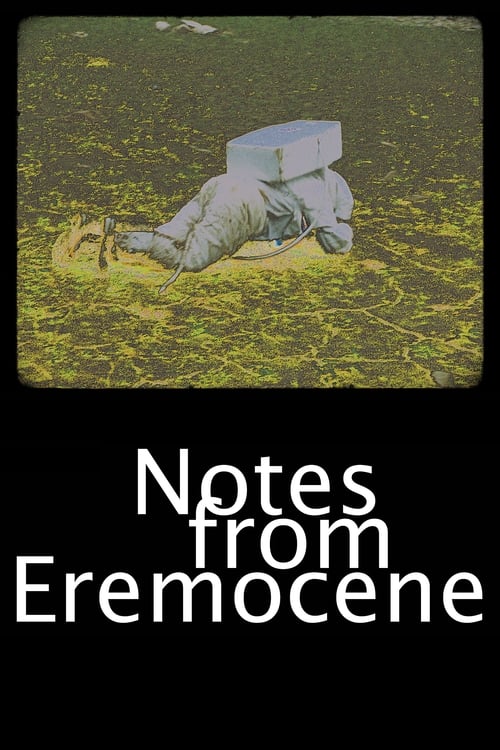
Scientist Edward O. Wilson has named the coming geological era Eremocene. In her analogue science fiction essay, Viera Čákanyová explores this era of loneliness in dialogue with a virtual alter ego from the future.
Notes from Eremocene
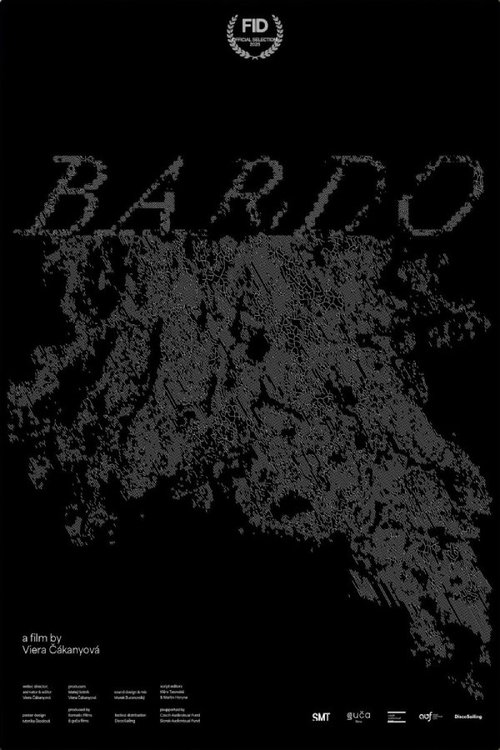
Deep breath, experiences that dig even deeper, and dark ambient as their companion. Inspired by Bardo, the Tibetan name for the liminal state between death and rebirth, Viera Čákanyová embarks on a fascinating introspective journey towards darkness. Through generative animation, she sets matter and thoughts into motion. In the end, returning to reality may be the greatest challenge.
Bardo
The documentary explores the concept of 'underground' in former (Czecho-)Slovakia, examining its meaning and its link to civil defense structures under the city. A biology student now manages some of these sites. Testimonies from an architect, a filmmaker, and a singer further illuminate the multifaceted nature of the underground world.
Under Underground
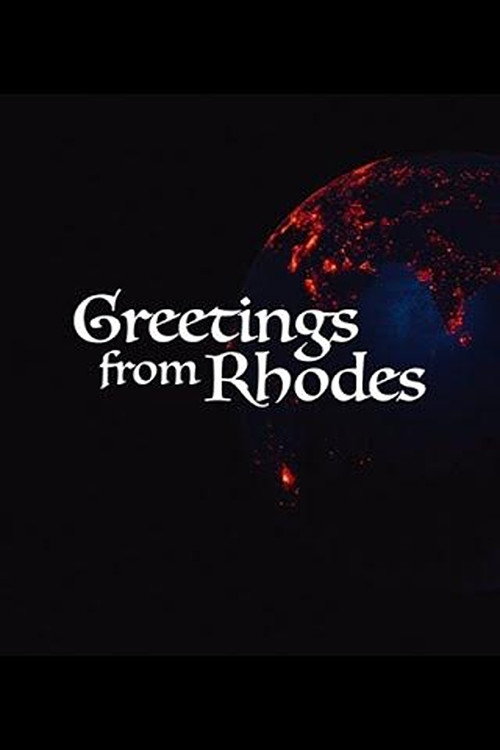
What are you gonna do when the world’s on fire? Sit by the pool with a glass of Aperol Spritz and take a selfie for your friends back home? In this satirical take on tourism during the ecological crisis, Viera Čákanyová asks how costly the Ostrich Effect we all seem to suffer from really is? The film features realistic comments from holidaymakers, glossy travel agency advertisements and some dinosaurs, just passing by.