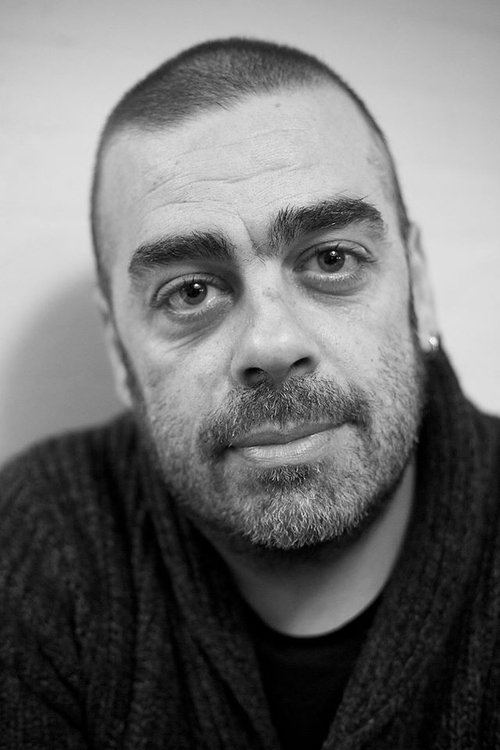
Ramón Lluís Bande
Directing
Biography
Ramón Lluís Bande, born in Xixón in 1972, is a filmmaker and writer. Among his films that explore the languages of non-fiction include titles such as "El fulgor" (2002), "Estratexa" (2003), "De la Fuente" (2004), "El paisano. Un retratu colectivu" (2005), "La carta de Bárbara" (2007), "Equí y n’otru tiempu" (2014), "El nome de los árboles" (2015) and "Vida vaquera" (2016). Among his fictions: "Malu" (1999), "L’aire les castañes" (2001), "Divina Lluz" (2005) or "Llar" (2014) –in collaboration with Elisa Cepedal-. He has also directed musical films for Nacho Vegas, Manta Ray, Mus, Viva Las Vegas or Aroah, among others. In recent years he has created and directed several documentary series for Asturian public television (RTPA), such as "Camín de cantares" (2007-2011), "Camín" (2012-2016), "Ende" (2012) –co-directed with Luis Argeo-, "Güelos" ( 2014) or "L'alzada" (2015). In the same channel for ten years he has directed the audiovisual magazine of Asturian culture, Pieces. With more than a dozen books published, a selection of his narrative work, originally written in Asturian, has been translated into Spanish in the volume "Las habitaciones Vacías" (2010).
Known For
No description available.
De la Fuente
No description available.
L'aire les castañes
No description available.
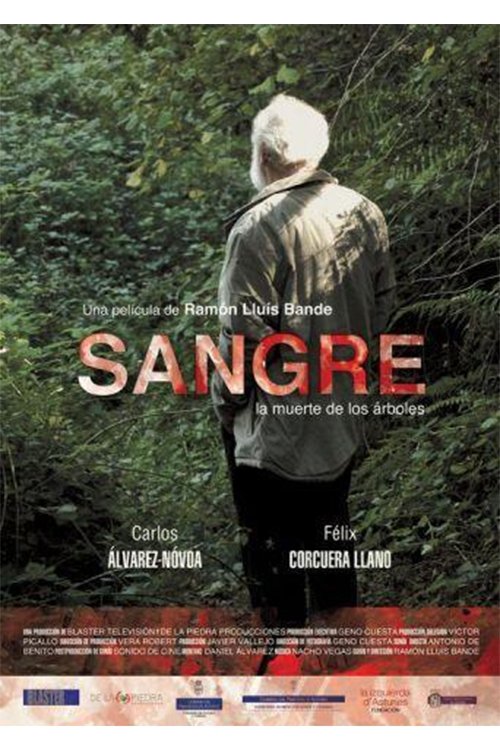
Sangre
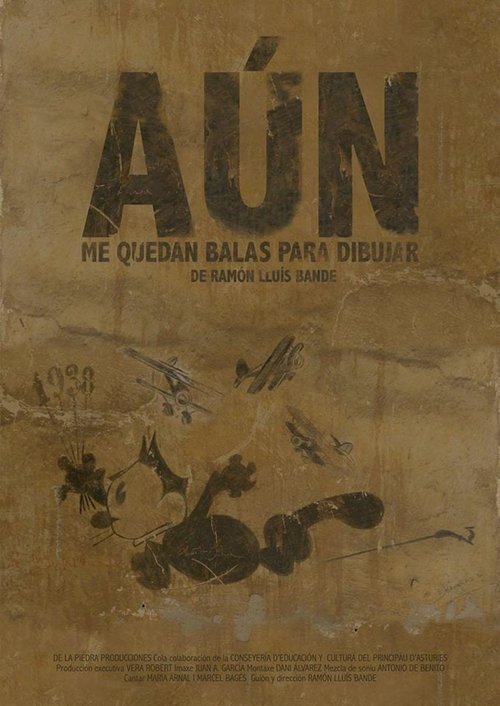
A new look at the Spanish Civil War, from the 'graffiti' drawn in the dungeons of Cangas del Narcea by political prisoners sentenced to death.
Aún me quedan balas para dibujar
No description available.
La carta de Bárbara
No description available.
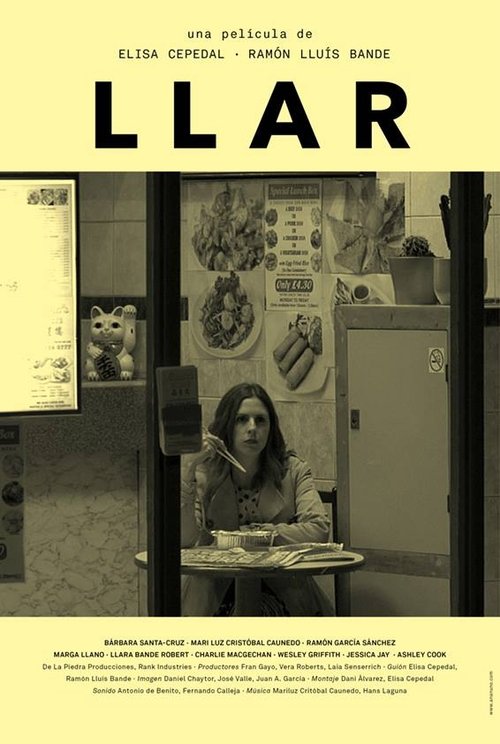
Llar
No description available.
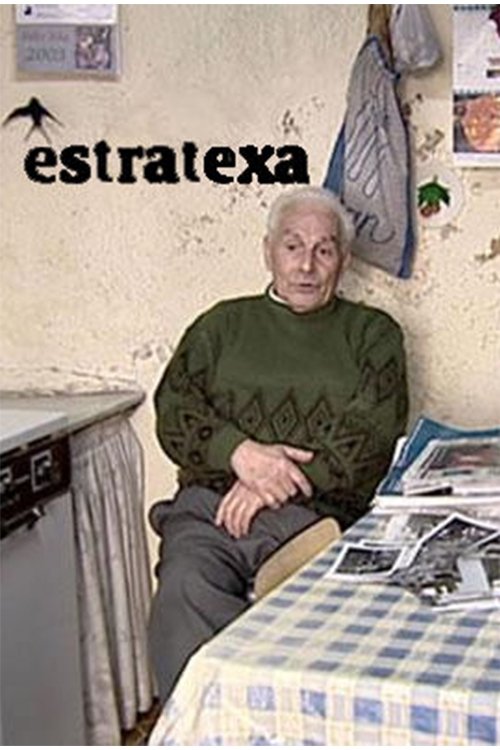
Estratexa
No description available.
Escoréu, 24 de diciembre de 1937
No description available.
Vida vaquera
No description available.
Cantares de una revolución
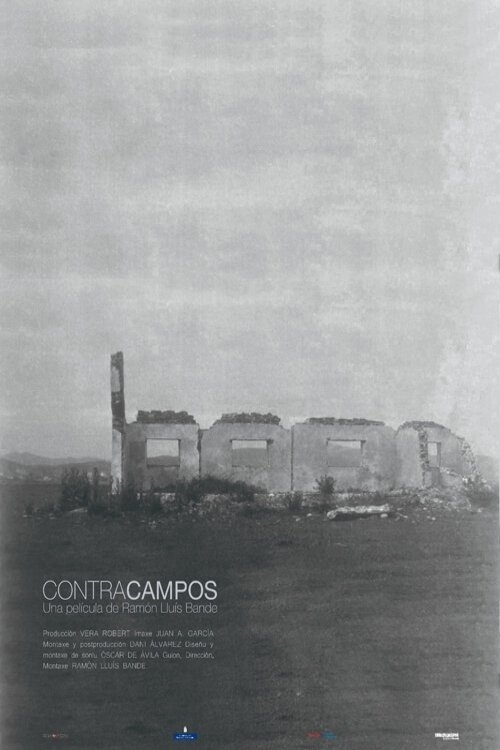
Contracampos is the attempt to (re)build a landscape. A recreational area and a shooting range in the west of Asturies, which, between 1937 and 1943, housed a Francoist concentration camp through which thousands of Republicans passed – firstly militiamen, later guerrillas and their relatives. Sharing a leisurely observation with the viewer, the film intends to resignify that space, giving it back its political meaning. But it is not a question of showing –of filming– the invisible, but rather of showing what is missing in what exists today. What was and is no longer, not even in people's memories.
Contracampos
“Together we lived the revolutionary experience of these last years. Together we took up arms in October. Together we suffered the bloody blows of the repression. As class brothers we rose up to crush the criminal uprising caused by the most rotten part of the Spanish reaction”. A story of the Sovereign Council of Asturias and Leon (August 24 – October 21, 1937).
Cow Lowing Among Ruins
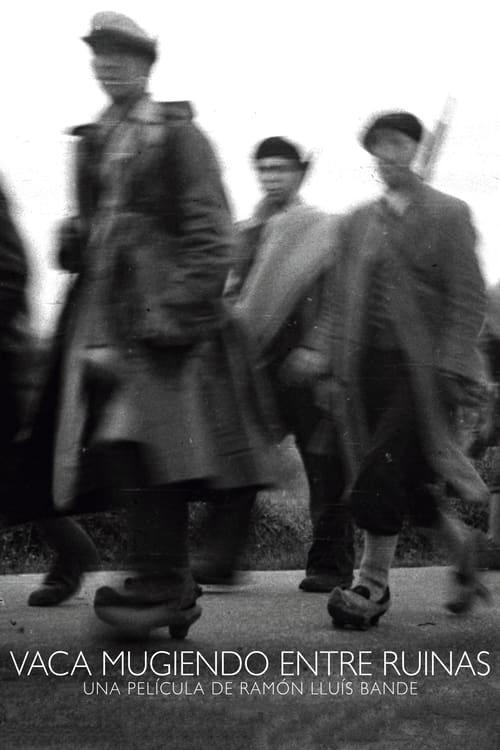
A small film crew moves through Asturias in search of the places where the main ambushes against the Republican Guerrilla (1937-1952) took place. In that trip, they meet several people willing to share with them their memories of that time.
El nome de los árboles
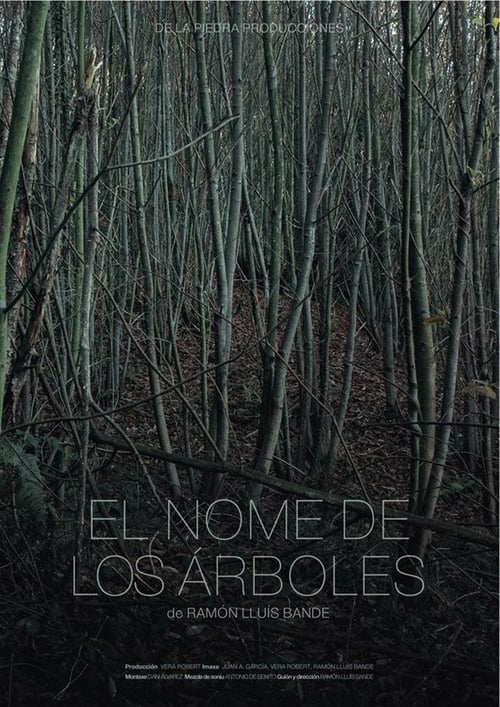
Between October 1937 and November 1952 hundreds of Republican supporters took to the mountains of Asturias with two main objectives: to save their lives, and to continue their armed resistance against Franco. Many of them would die in those mountains. This film is centered on filming the places in the present where the major figures of the Asturian Guerrilla Group were killed.
Equí y n'otru tiempu

Documentary directed by Ramón Lluís Bande about the creative process Nacho Vegas makes about El Fulgor, song included in his second album "Cajas de música difíciles de parar" (2003).
El Fulgor
Compiles a collection of short films from the Republican Asturias of 1937, which were intended to be antifascist propaganda cinema.
Retaguardia
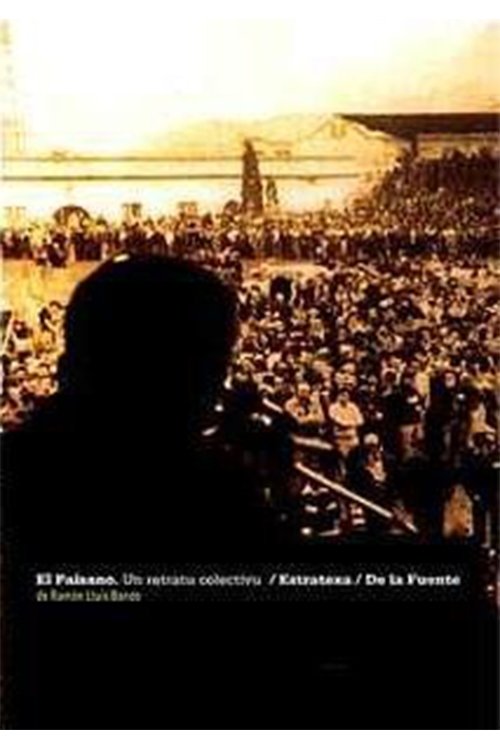
The guerrilla, clandestine life, the struggle for better working conditions, the revolutionary strike, the role of women in the anti-Franco resistance, repression... A look at the figure of Horacio Fernández Inguanzo, "El Paisano."
El Paisano: a collective portrait
After more than a decade working in England, the filmmaker Elisa Cepedal returns to Cuencas to shoot a film about the end of the two centuries of history of coal mining: around her other remains of her land's past are dying.
El pasado presente
Documentary about Gijón through the eyes of acclaimed singer-songwriter Nacho Vegas
Lluz d'agostu en Xixón
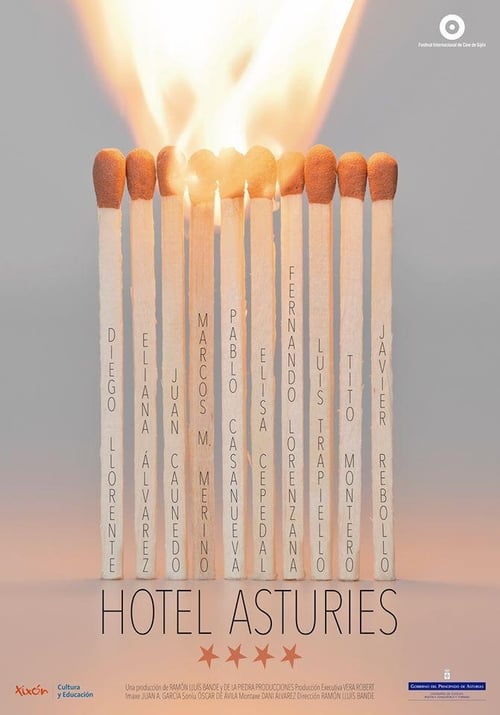
Nine Asturian filmmakers reflect aloud, alone in a hotel room, on the existence, the main characteristics, and the current situation of the cinema made in Asturias.