Nora Philippe
Directing
Known For
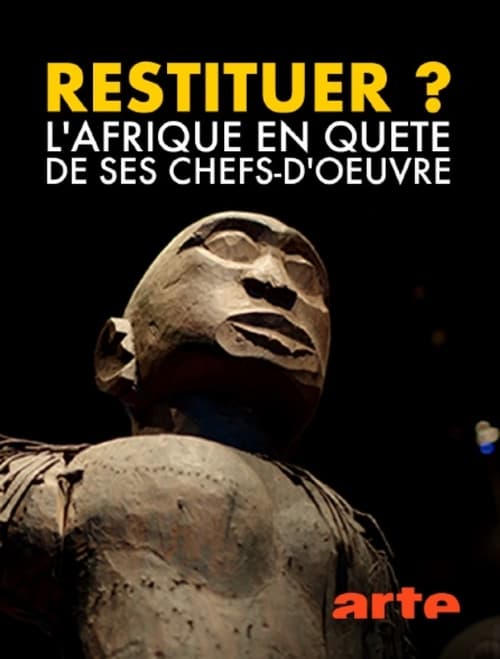
There is an interlinking history of violent European colonialism and the cultural legacy of ethnographic collections in institutions. This documentary traces the progression of colonial history from the Berlin Conference of 1884-85 to the systematic elimination of cultural traditions, religions and lifeways which would occur sporadically through genocides and warfare until the early 20th century throughout the African continent—surveying the inquiries and movements for historical justice, the relationships between European institutions and colonial violence and following enduring struggles against these organisations to regain what was taken.
Restitution? Africa's Fight for Its Art

This is the story of a team of 40 agents facing 4,000 job seekers at a job centre in the Parisian suburbs. Samia, Corinne, Thierry, Zuleika must support and monitor, bring in the numbers, obey policy guidelines and communication injunctions, and find job offers while none is to be found. Will their strong sense of humor save them from the Kafkaian world they work in?
Pôle Emploi, Ne quittez pas !
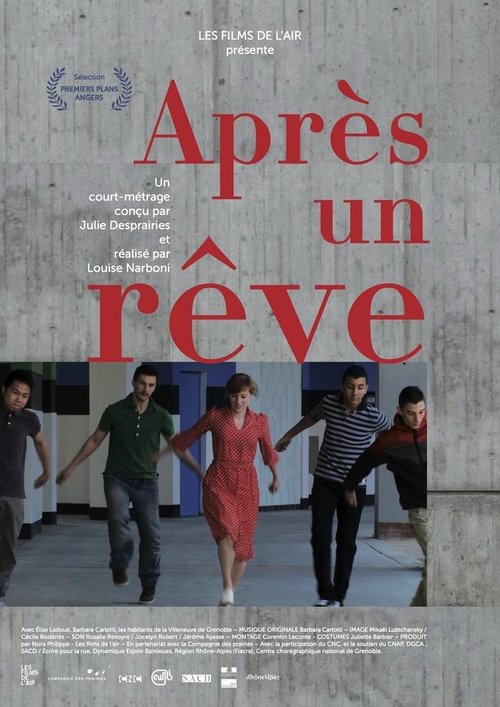
Neither a fiction nor a documentary, it is a film-dance. Not a narrative, but a journey through the Villeneuve area of Grenoble. No characters, but energies, encounters. The body of a dancer in the city. An essay of re-enchantment.
After a Dream
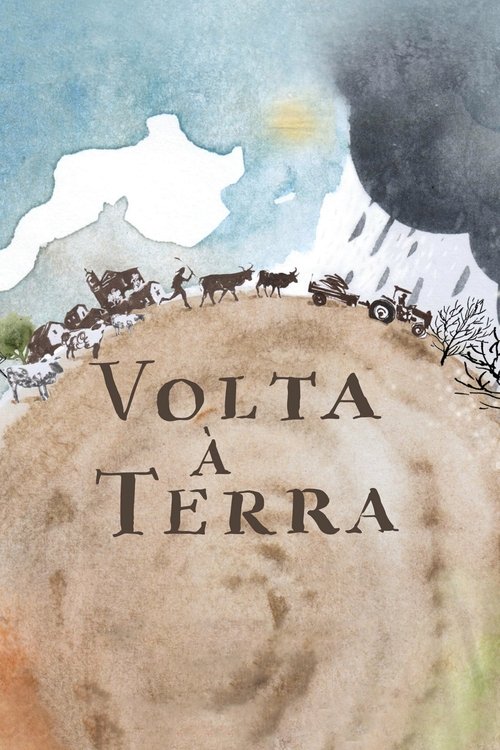
At Uz, an isolated hamlet in the northern mountains of Portugal, four generations live together in a group of around fifty people. When life is rough, solidarity is of the highest order. Everything else is left in God’s hands. They could have emigrated, like so many others, but chose to stay and keep their ancestral way of life, away from the racket of modernity.
(Be)Longing
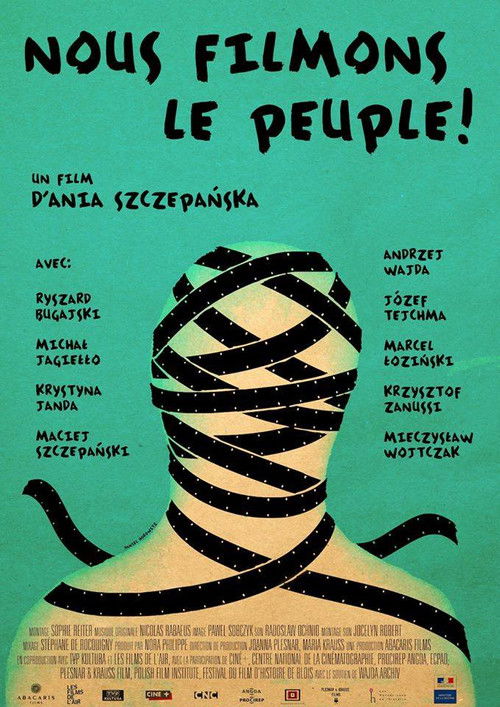
The unique story of film directors who managed to critic the Communist regime while being produced by the State: this is Polish cinema's golden age, in the 1970s. Director Ania Szczepanska, born in Poland and raised in France, meets prominent filmmakers, producers, actors such as Andrzej WAJDA, Marcel LOZINSKI, Krzyszstof ZANUSSI, Kristina JANDA, Ryszard BUGAJSKI and confronts them the testimonies of the State men of that time. Through unknown archives, forgotten documentaries and excerpts of cult films, she relates how the Solidarnosc people ended up in Cannes.
We Film the People!

Anta, Evy, Lila and Talia were 20 in 2015 and studied at all-female Barnard College in New York. 2015 - 2045: 30 years and 3 films to see how they will shape the world from the inside out, becoming women on a fast changing planet.
Girls for Tomorrow
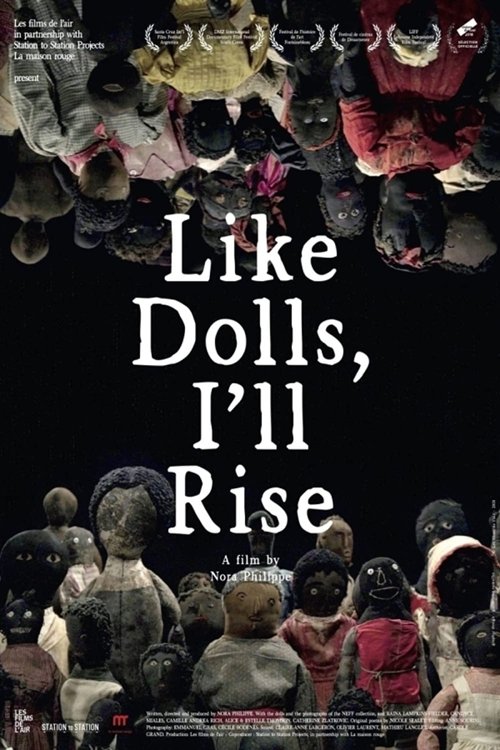
From the 1840s until the 1940s, anonymous Afro-American women made rag dolls for their own children or for the white children they were looking after. Black, injured, forgotten and magnificent dolls, gathered together over the years in Debbie Neff’s collection, here lend their moving expressive features to the women that a century of slavery, segregation and racism tried to silence. Far from being the mute witnesses of their suffering, dreams and courage, these objects haunted by so many stories become, for the length of this film, the intermediaries of a discourse of self-affirmation and liberation. From Sojourner Truth to Maya Angelou,