Pedro Neves
Directing
Biography
Pedro Neves is a Portuguese filmmaker born in Leiria in 1977. He graduated in Communication Science, did a post graduate course in Documentary (2002) and a masters in Culture and Communications, specializing in Documentary, where he wrote a dissertation about the documentation of the April Revolutionary years, in Porto University. He is a free-lance journalist since 1999. He collaborates with the Expresso newspaper, where he has and does develop various reports for the paper edition and several short film documentaries for the multimedia site. In 2007 he attended a course on documentary direction in the International School of Cinema and Television in San António de Los Banõs, in Cuba. In 2007 he directed his first documentary entitled "Gazing at the sea" (a olhar o mar - Portugal) and he won the public prize from the Festival of Cinema and Video in Vancouver, Canada. The same year, he co-directed a short-film documentary "In the Barber's" (En la Barberia - Cuba), shown in several international festivals. He Directed eight short film documentaries in black and white for Expresso Multimedia which form the work "Poverty in Porto" (Pobreza no Porto). In 2008 he founded an audio visual company (with Carlos Ruiz) called Red Desert. In 2009 he directed the documentary "The Forgotten" (awarded in International Festival Extremadoc, in Spain) and presented in Fantasporto (PT), Doclisboa (PT). In the same year he edited Roots, by Carlos Ruiz, which was the best film in Independent Film Festival Bragacine (PT) and in the International Festival Filminho (PT). In 2010 he directed the documentary Disagreements, presented in Panorama do Documentário Português (PT). In 2011 he directed the short documentary "Cold Water", presented so far in Curtas Vila do Conde International Film Fest (PT), DocLisboa (PT), Shortcutz Porto (PT), Festival Luso-Brasileiro de Santa Maria da feira (PT), Panorama do Documentário Português (PT), Curtas Belo Horizonte International Film Fest (BR), in the international Competition of Clermont-Ferrand International Film Festival, International Film Festival of Guadalajara (Mexico), Mecal Short Film Fest fo Barcelona - Special Mention - (Spain), Regard Sur le Court Métrage (Quebec, Canada), Filmets Badalona International Short Film Festival (Spain) - Europa Award, Documenta Madrid - Special Mention of the Juri (Spain), Martil Film Festival - Special Mention of the Juri (Marocco), Lupa Documentary Festival (Basque Country), Curtdoc Girona (ES), Extreme Shorts (KR) and Leiria Film Fest - Best Documentary and Best Director (PT). The film has also exhibited in the portuguese national public television RTP, in the international french channel Canal Plus France and Canal Plus Afrique, in the cable portuguese channel Porto Canal and in the cable portuguese channel TVCINE HD 2. His last feature documentary is a feature titled "The Desert's Fox" about a fisherman that is the only inhabitant of Deserta Island, in Portugal (exhibited in RTP). In 2014 he directed, with the support of Calouste Gulbenkian Foundation, the short documentary "Inn". "Above Our Means" (43') is his last documentary.
Known For

An old hostel, located in the center of Porto, served for many years as a hostel for people with few possessions, prostitutes and people passing through who made that place a more or less prolonged residence.
Hospedaria

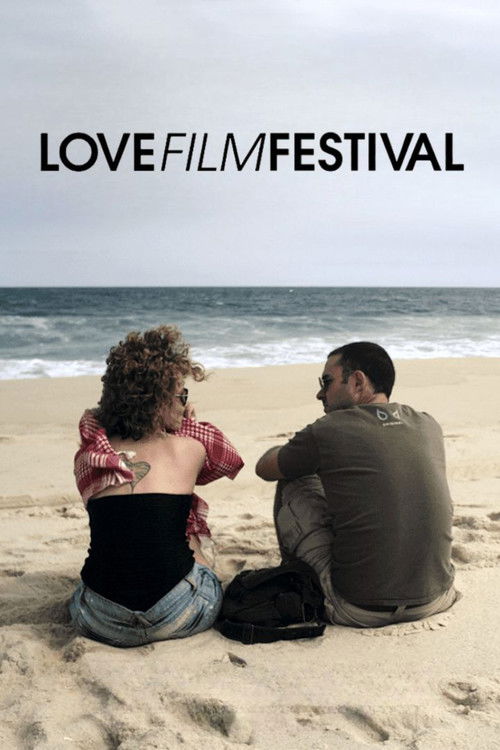
Filmed over six years in four countries: Portugal, Brazil, Colombia and United States, this romantic drama tells the story of Luzia, a Brazilian screenwriter, and Adrian, a Colombian actor, that fall in love during a film festival in 2009 and will live a fragmented love story while competing in different film festivals around the world.
Love Film Festival

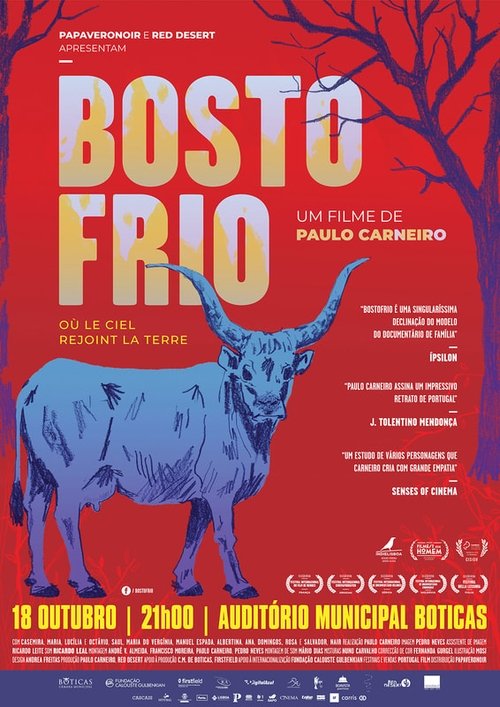
In a remote village called Bostofrio, a young filmmaker breaks the law of silence in order to unearth the story of his grandfather. A series of awkward and funny interviews that reveal the secrets and half truths that are the fabric of rural Portugal.
Bostofrio

Everything came up with this defiant idea: what if a director followed the first person to come through the door of his house? Luís Vieira Campos did this and found Geni, a strong woman who dreamt of opening her own store at Centro Comercial de Cedofeita, a mythical place of Porto. Between advances and retreats, between the increasing opening of the director and his character, the film reveals the unique portrait of a woman, a neighbourhood - Cedofeita - and the improbable relationships we establish when we least expect it. Luís Vieira Campos proves, with Geni, that cinema is also the "neighbourhood" and its people.
Geni

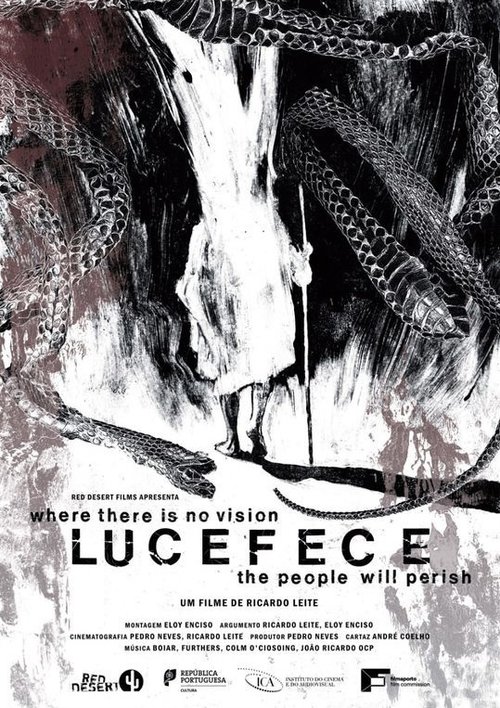
Shot in film and hand processed by the director for over 20 years, Lucefece mixes personal, political and mythical views on reality exorcizing old ghosts. Stories from the director's childhood, together with conversations with his father, that fought in the colonial war in Africa and later was arrested, prepare the scenario for a profound reflexion on today's world. The film spirals like a snake travelling through time, an eternal recurrence, mixing documentary with film essay and autobiographical tones.
Lucefece: Where there is no vision, the people will perish

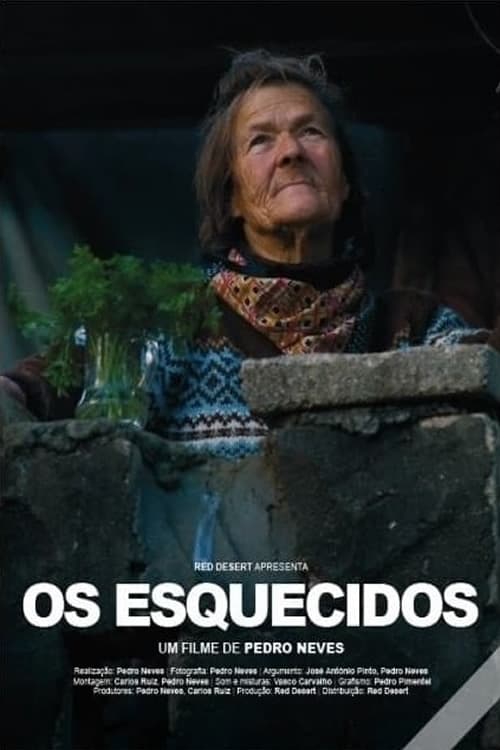
They are hidden cases behind barriers, windows and closed doors, rusted gates, walls that fall apart and ceilings that don´t exist. They are people that stumbled in the waste and the disillusionment, the deprivation, lost and aguish. They are people that were pushed from dreams to the ground. They are people who could be us.
Os Esquecidos

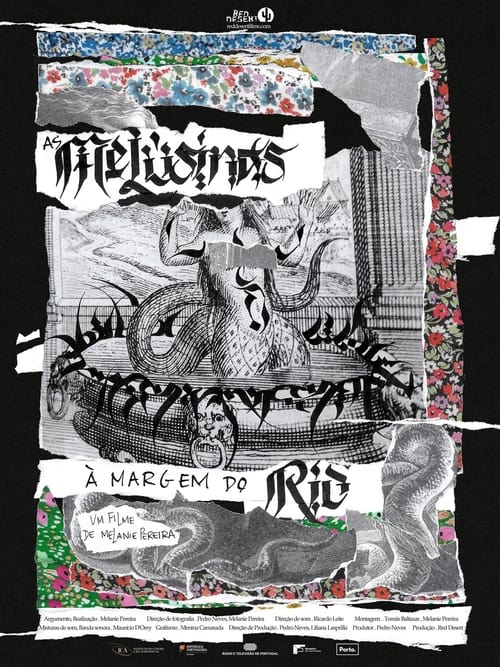
As she goes through hills and rivers looking for Melusina, a mutant and legendary mermaid from the city of Luxembourg, where she grew up, the director talks to four women about their uncertain identities: what it is like to be an immigrant without being one, and to be a Luxembourgish without being one. A journey through memory in rainy weather. A search for ever-fragmented identities. An uncertain attempt at reconciliation. The memory of emigration from a contemporary perspective of a generation with a radically different relation to territories and displacements.
The Melusinas at the Edge of the River

In The Beach, the elderly return to active life, leave the spaces of suffering and loneliness to which they have sadly been inhabiting in contemporary societies. They have fun, play, swim, run. They go back to being people like everyone else.
The Beach

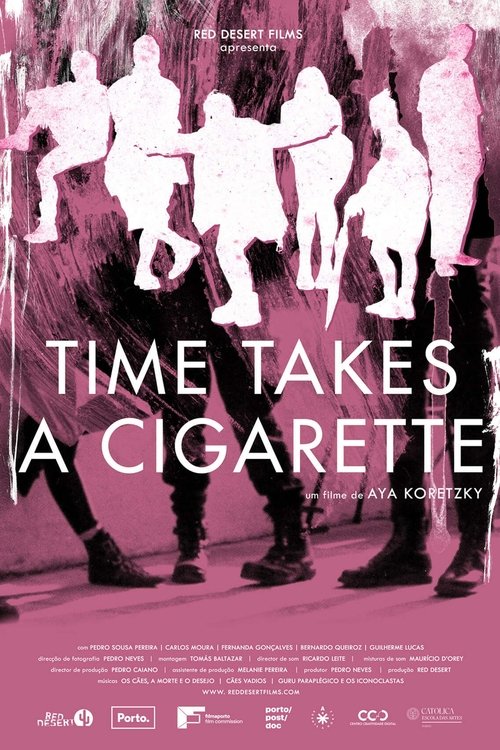
In the late 70s and early 80s in the city of Porto, concerts by Rock and Punk bands began to appear. April 25, 1974, which put an end to the longest dictatorship in Europe, brought political and creative freedom. Through a series of tableaux vivants based on photos from an era covered with a nostalgic aura, but employing contemporary mannequins, the film revives some loud narrations of those crazy times, which failed to reach our ears.
Time Takes a Cigarette

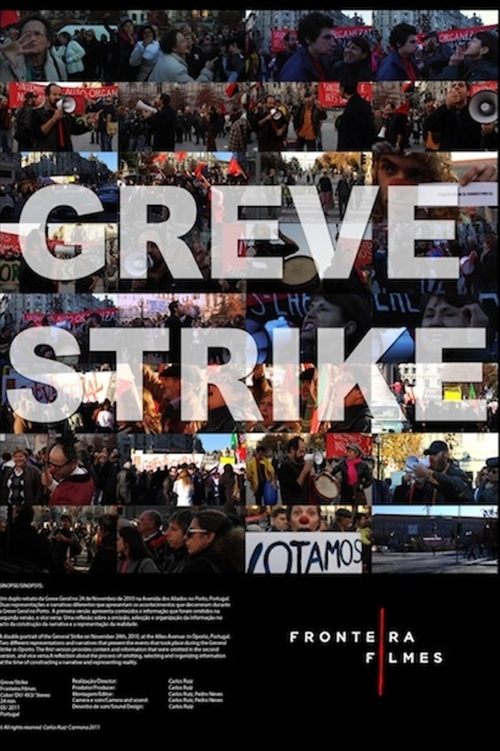
A double portrait of the General Strike on November 24th, 2010, at the Allies Avenue in Porto, Portugal. Two different representations and narratives that present the events that took place during the General Strike in Porto. The first version provides content and information that were omitted in the second version, and vice versa. A reflection about the process of omitting, selecting and organizing information at the time of constructing a narrative and representing reality.
Greve

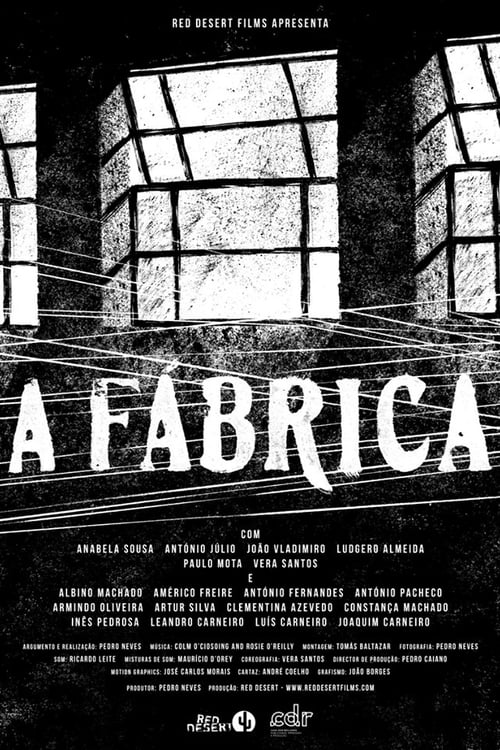
The sound was deafening. The noise of the machines, the steps, the daily hustle of the more than a thousand workers, entering and leaving the shifts. There were 12-hour days, people without holidays, a stolen youth so that the cloth would continue to leave the factory. The revolution came and everything changed. Strikes, picket strikes, worker’s rights. Then the globalisation came. The factory went down to close. We went back to it, with the former workers, the old and the young. The machines continue to work in the empty spaces, the ghosts wander illuminated by traces of light until the walls begin to fall.
The Factory

The past is difficult. The are people who live in the present with the difficulties of day-to-day and do not know what to expect from a future, more and more dark, for those who already have difficulties. There is a house, food, work. Now the future is very uncertain. Because of the crisis, they say. And tell this to who lives in crisis since it he recalls.
Disagreements
Archival documentary about the most terrible piscatorial disaster possible.
Náufragos

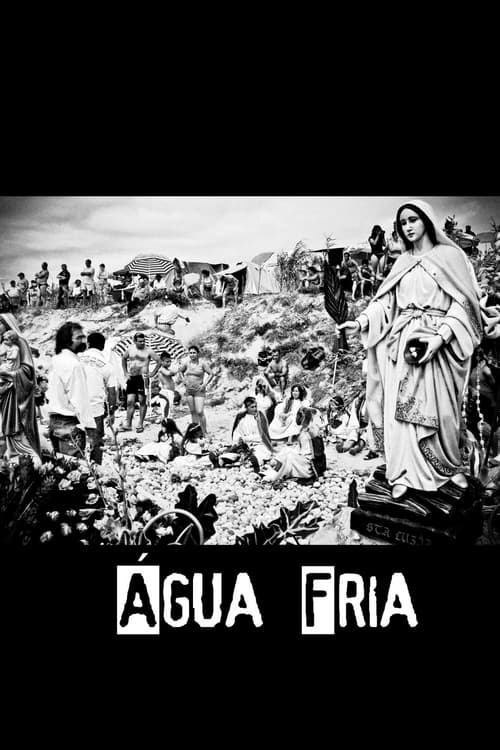
Disillusionment helps the feet enter the cold water. It is like a whisper indifferent to the distorted music that echoes round the beach.
Água Fria

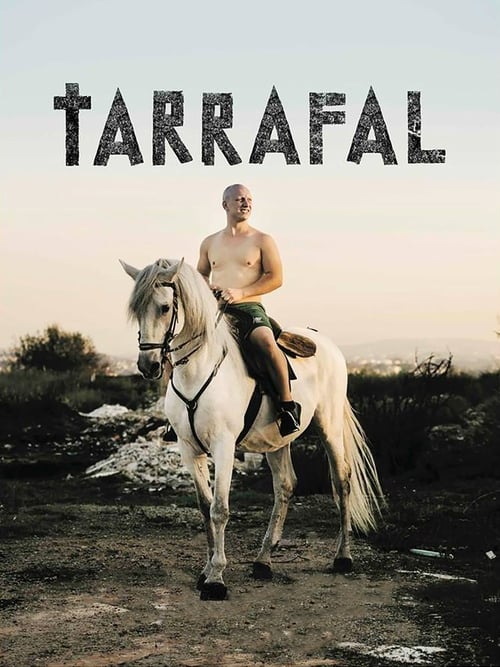
One day almost everything turned into a pile of rubble and bush. There remained ghosts wandering through the fields, the ruins and the fog. Some of these ghosts are alive. They are those who stayed, those who came back, those who roam the difficult memories of the most cursed neighborhood of the city. Only that this Tarrafal, the name of the field of slow death of Salazar's dictatorship, is not in Cape Verde but in Portugal.
Tarrafal

This is the incredible story of the only inhabitant of the Desert Island, in the Algarve. Fernando Alves, 66, the Hemingway mustache, is a fisherman, a cook, a communicator and an inventor. He has lived alone on the island since 1981. This is a documentary about life, loneliness and friendship, about an alternative way of living outside major urban centers, in harmony with nature and with oneself. It is a film about a lonely man, generous and full of sense of humour that makes us question our own lives and routines. They call him "The Fox of the Desert".
A Raposa da Deserta
Feature film by Pedro Neves.
A Olhar o Mar

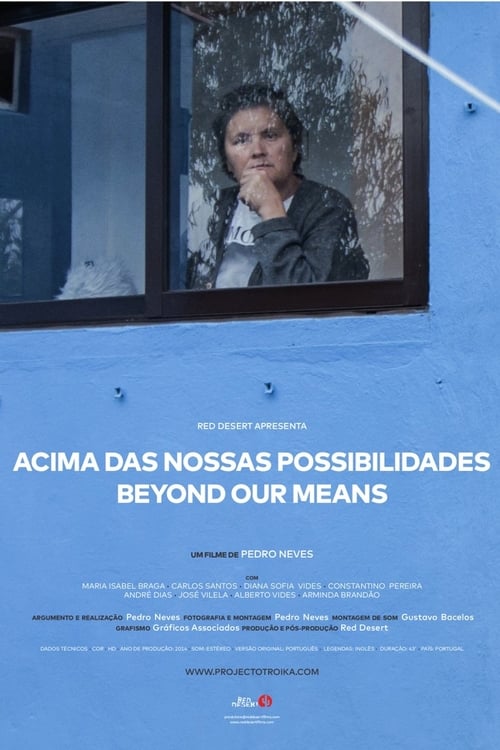
A look at how the Troika's austerity programme for Portugal affected the lives of millions.
Above our Means

Almost 30% of the population of Porto lives in council districts. It is a special experience when districts become small towns with their own customs and traditions. However, they are also victims of stigmatization and bias. "Neighbourhoods" is a look at the reality of five council districts of Porto. From the eastern to the western parts of the city, we watch and listen to the inhabitants of those neighborhoods: Rainha D. Leonor, Cerco, Duque de Saldanha, S. João de Deus, Santa Luzia and Maceda.
Neighbourhoods

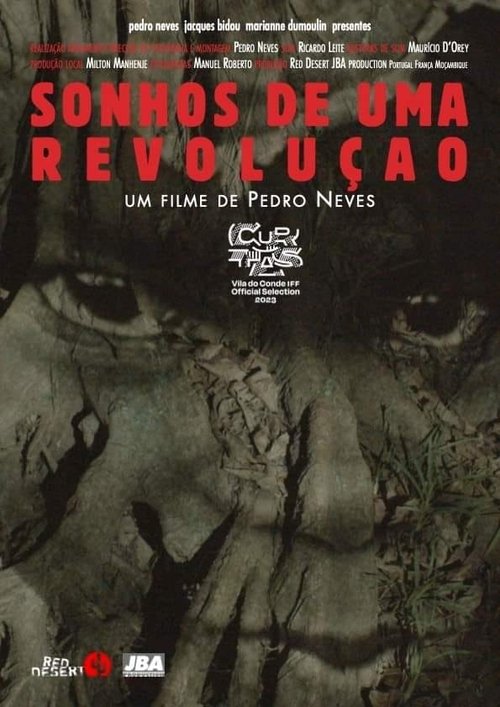
The road to Inhaminga, in Mozambique, is populated by ghosts that wander in the dark. The bullets fell silent almost half a century ago, but I can still hear their echo. I search for revolutions whose end I don’t know. All I find along the way are words that stand the test of time.