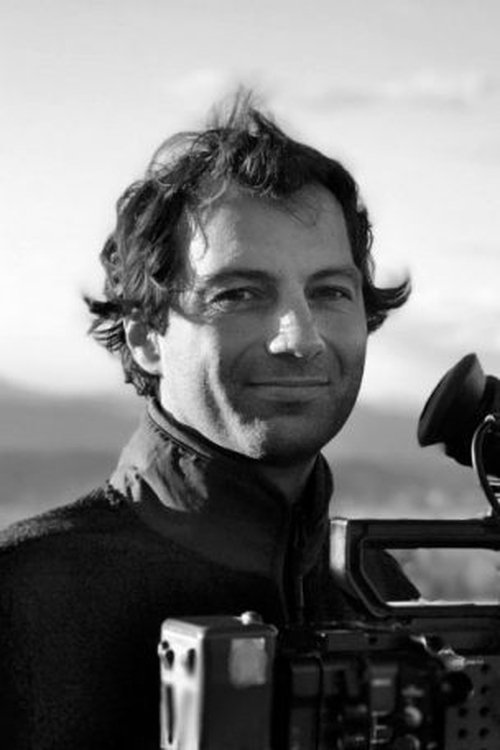
João Pedro Plácido
Camera
Biography
João Pedro Plácido was born in Lisbon, 1979. He began directing and shooting music videos at age of nineteen, later on he attended the School of Theatre and Film (Lisbon) and the Hochschule für Film und Fernsehen (Potsdam - Babelsberg, Germany). He is fluent in five languages and has been working in features, shorts, documentaries and commercials all around the world since 2000, first as a camera assistant, and since 2009 as a cinematographer. His work has received national and international awards. (BE)LONGING is his first feature film.
Known For

Poet, agricultural engineer and revolutionary Amílcar Cabral was born in Guinea-Bissau to Cape Verdean parents. After studying in Portugal, he emerged as the charismatic leader of the anti-colonial struggle against Portuguese rule. With his utopian ideas, he sparked a cultural and an armed uprising that went on to inspire other African liberation movements.
Amílcar

Algarve, late 90s. Following the death of her grandmother, Milene - a strong young woman full of life despite a slight mental handicap - divides her life between her family of notables and a Cape Verdean family that keeps her going, whom she met when her grandmother died. The wind that whistles in the cranes plunges us into the world of two families against the backdrop of Portugal's recent past.
The Fortunate Ones
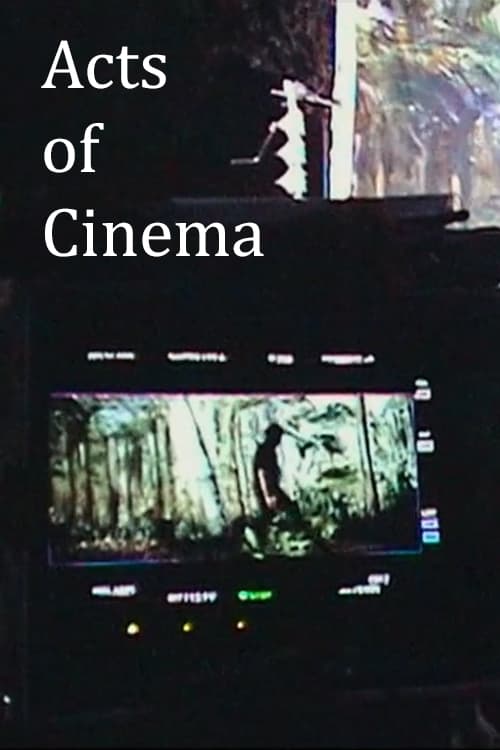
Cinema and affections from life in images and what goes on outside the frame. 'Snapshots' of shootings and the present-day memory of directors, actors and technicians.
Acts of Cinema

Artur is an actor in decline preparing for an audition that will determine his career. Throughout the process, he finds an escape in his fleeting relationships on Tinder.
Match

After a brush with death, Maya Gabeira makes history in the male-dominated world of big wave surfing.
Maya and the Wave

At Uz, an isolated hamlet in the northern mountains of Portugal, four generations live together in a group of around fifty people. When life is rough, solidarity is of the highest order. Everything else is left in God’s hands. They could have emigrated, like so many others, but chose to stay and keep their ancestral way of life, away from the racket of modernity.
(Be)Longing

The doctor of the King of Portugal was so good in his hospital practice, that after his death both King and country peasants worshiped him - to this day, 120 years later.
Sousa Martins
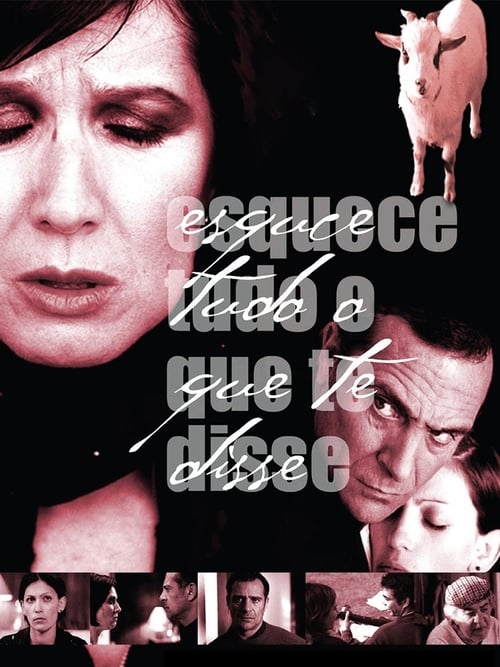
Felizbela loves her husband with obsessive intensity, surrounding him with an explosive mix of passion and jealousy that will inevitably turn into hatred. To keep his attention, she stops at nothing, enduring suffering and humiliation in an attempt to win back his love. But Messias can barely conceal his growing disillusionment with life and his unspoken contempt for his wife. One day, Bárbara — Felizbela’s fragile and rebellious niece — bursts into their lives and upsets the balance: her cousin, her aunt, and above all Messias, who finally allows himself to be carried away by his emotions. Felizbela, however, refuses to give in — and will do whatever it takes to save her family.
Forget Everything I Told You
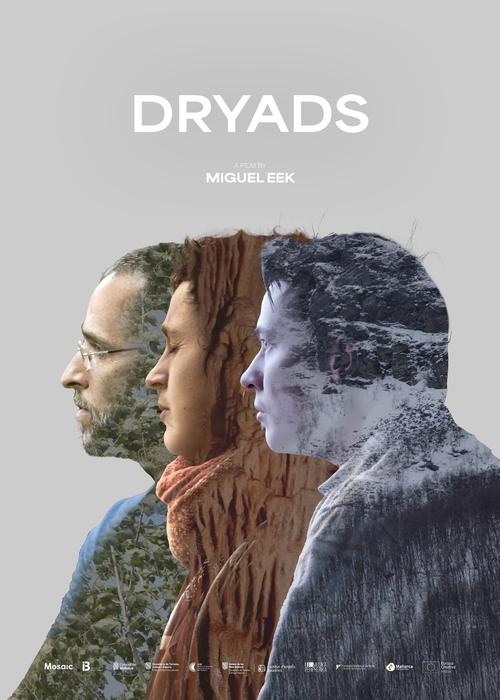
No description available.
Dríades

There's a film subtitler. There's a film she must urgently subtitle. There's the plot of that film, with which she relates on a level that will remain enigmatic to us. And in that film within the film there's a main character, whose dreams are being devoured, and other characters, interested in dreams as well, but far more practical. And there¹s music, and a promise of music. Timelessly wandering through the world.
Paul
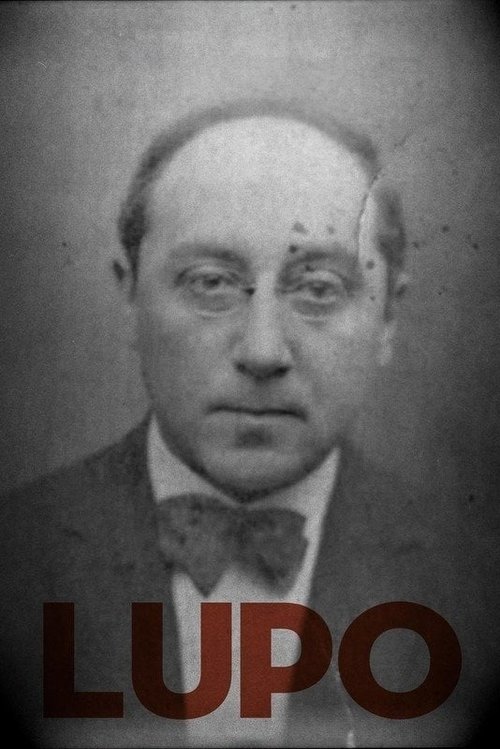
The Italian Rino Lupo directed some of the most important silent films of Portuguese cinema. Pedro Lino develops, in Lupo, an investigation about the director, discovering one of the mysteries that surrounded him, the year and place of his death.
Lupo
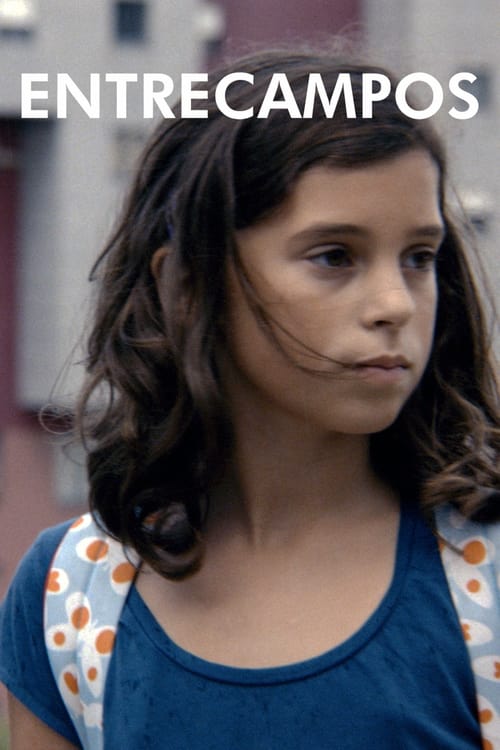
Mariana is an 11 years old girl coming from Serpa who just moved to Lisbon with her father. The first days are spent in the city cleaning the house and knowing the new neighborhood, Entrecampos. After the first day of school, Mariana gets lost coming home and has to call her father for help. The next day, she becomes friends with a boy in her class, Nicholau, and his older brother, Simão. The two brothers invite Mariana for lunch and help her to get home.
Entrecampos
Well! Dance, now...
Eh Bien! Dansez Maintenant...
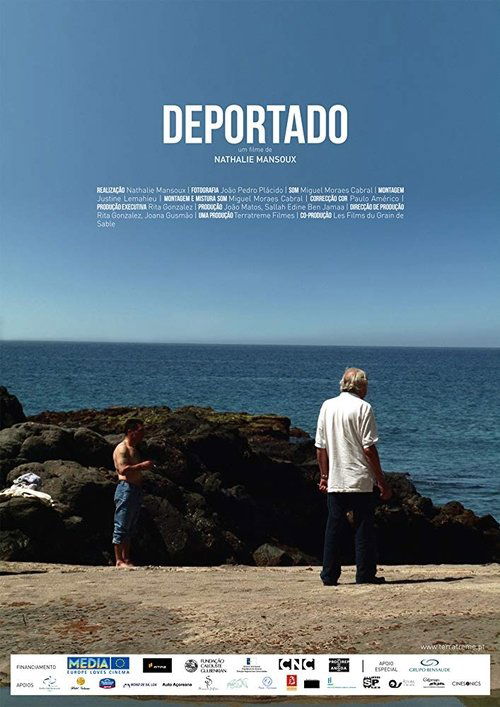
The forced repatriation of Azorean migrants from the US has resulted in tragic consequences for the deportees and their families. Leaving the islands at a young age, and raised in the US, they remember little of the Azores upon their return. Separated from loved ones and barely speaking Portuguese, their struggle leaves them disconsolate. Lost in faraway memories, the deportees come to abide in an open sky prison of abandoned hopes.
Deportado
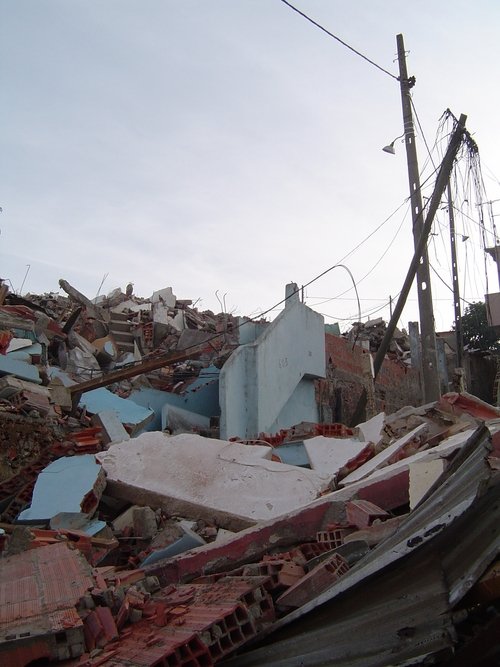
The last inhabitants of Azinhaga dos Besouros, in the outskirts of Lisbon, don’t have any legal right to rehousing. They live their district’s demolition, where it will be built a rapid access road in the future.
Access Road
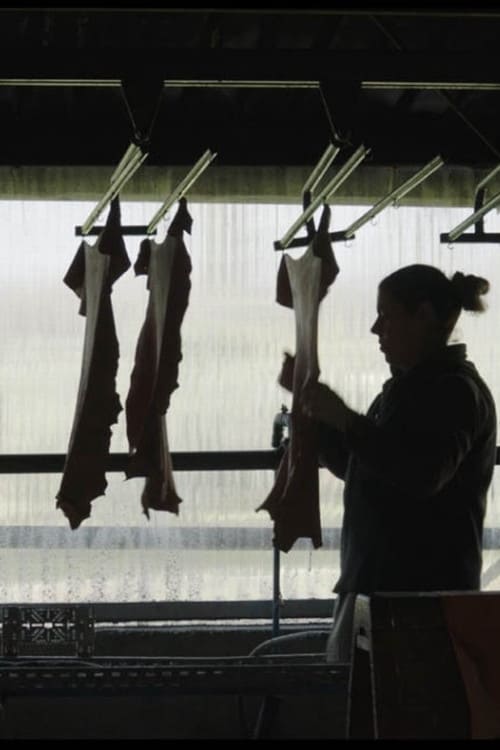
Portrait of a tannery in Beira Alta and of its workers. The film follows the lives of Carla and Lúcia, the only female workers left after the departure of Patrícia, whose disappearance is the subject of much talk among the workers and serves as a metaphor for the future of the factory after the economic crisis that stormed the country.
Unskinned
Georges Bizet's famous opera Carmen tells the story of the eponymous Gypsy woman, depicted as being impulsive and with an eye on smuggling. Taking this perpetuated stereotype into account, we visit a group of Spanish gypsy women who are claiming their own space.