Production
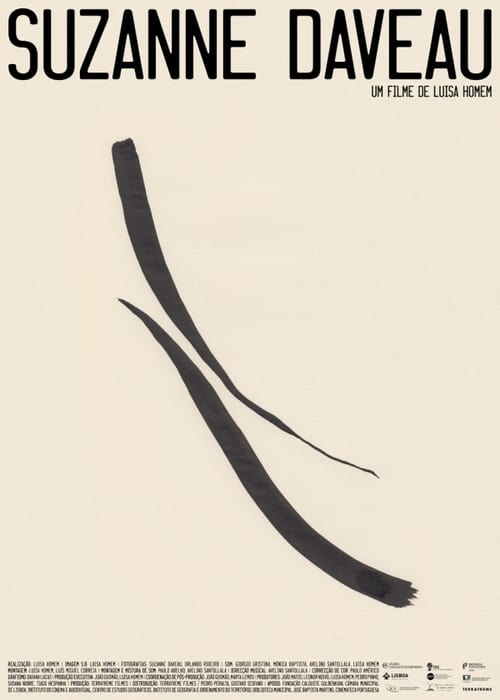
This documentary portrait covers all the themes of Daveau’s rich life: from her field research and private life to feminism and the influence of the modern age on family relationships and science. Her passionate life is examined in detail in an inexhaustible series of stunning archival photos and home videos recorded by Daveau, and in voice-over she speaks openly, extensively and full of wonder about life and the world around her.
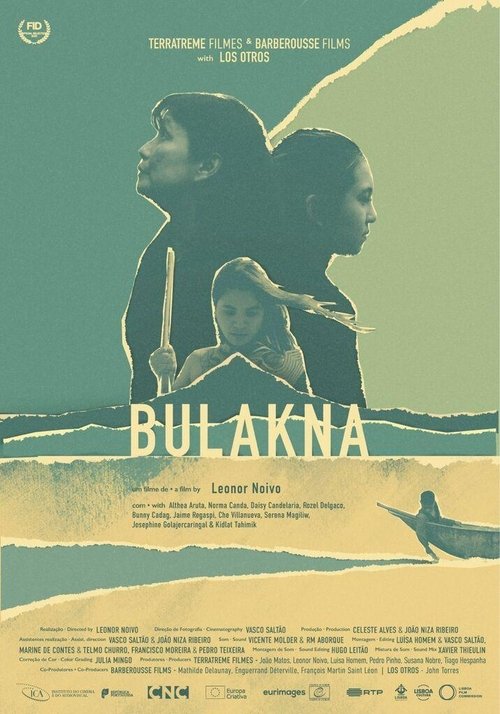
An observation of post-colonial economic relations through the intersecting trajectories of two Filipino women: one preparing to leave her native island to work as a domestic in Europe, the other to return for good.
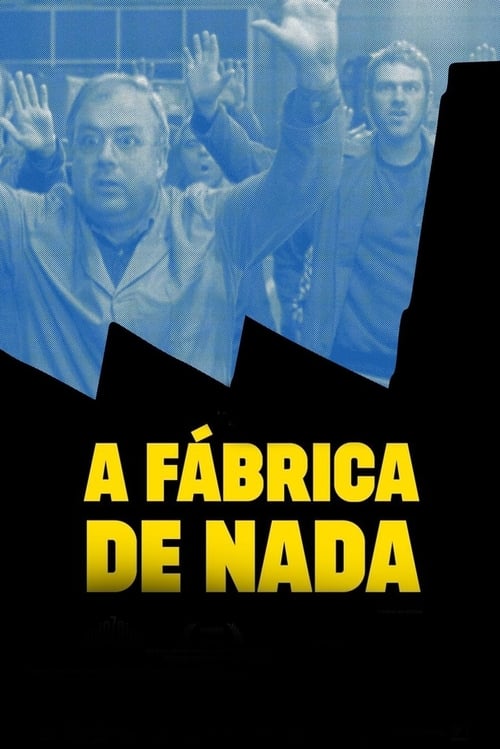
One night, a group of workers realises that the administration is stealing machines and raw materials from their own factory. As they organize to survey the equipment and block the relocation of production, they are forced to stand at their posts with no work to do, as a form of retaliation, while negotiations over general lay-offs take place. The pressure leads to a breakdown of the workers along with the world around them.
Coming from every parts of Africa, runs a river of men and women prepared to cross entire continents, pursuing a life that is denied to those that live in the periphery.
(within the project URB) CIDADE is a TV series that takes place in the diverse, urbanistically chaotic and multicultural periphery of Lisbon. Each episode has for landscape and dramatic background the everyday-life in the social housing neighborhoods and shanty towns of Lisbon. It explores the infinite possibilities of narratives and characters generated by the daily confrontation of the normal life of the city with several layers of cultural heritages and lifestyles, brought by different waves of migration. A network of interconnected characters, families and ties makes the narrative to evolve and illustrates the cultural, artistic, social and economic explosion that we are about to live in here.
Graça, a lesbian woman living in Belo Horizonte with her French girlfriend Clara, gives private French lessons to support herself in a large Brazilian metropolis. As an independent Black woman from a lower-middle-class background, she finds herself confronted by the dark side of religious fanaticism when she is forced to live with an extremist evangelical family that gradually involves her in a mysterious plot that leads her to lose her mind.
Ashore portrays the life of a singular fisherman in an ancient riverfront community near Lisbon. Divided between the quiet solitude of the river and the family ties that wash him ashore, the film follows Albertino Lobo, as nature renews itself with each season cycle.
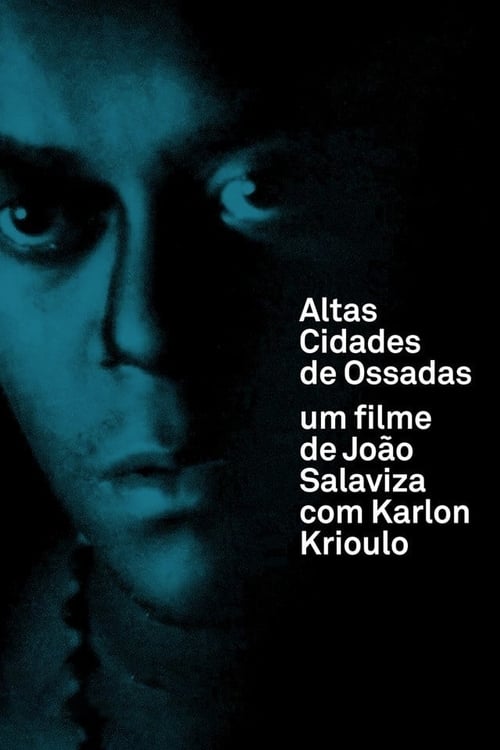
Karlon, born in Pedreira dos Húngaros (a slum in the outskirts of Lisbon) and a pioneer of Cape Verdean creole rap, runs away from the housing project to which he had been relocated.
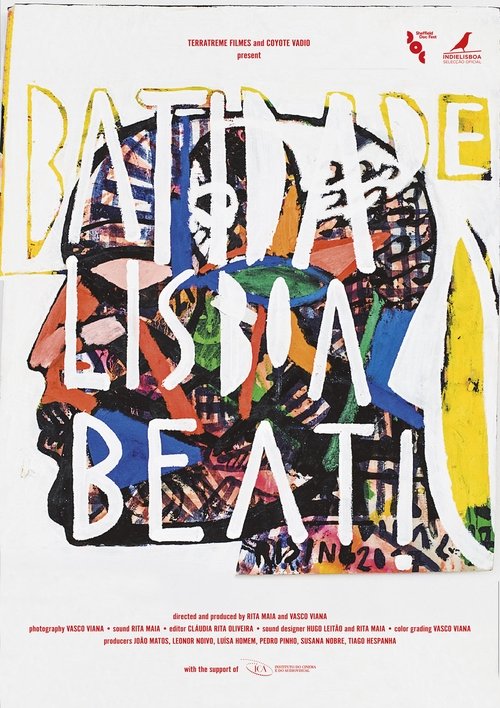
A journey through Lisbon’s suburbs through the lives of a handful of musicians establishing their place to exist in a city of complex identity struggles. Different generations and backgrounds meet, Angola to São Tome, Cabo Verde and Guine Bissau represented by old musicians and young producers.
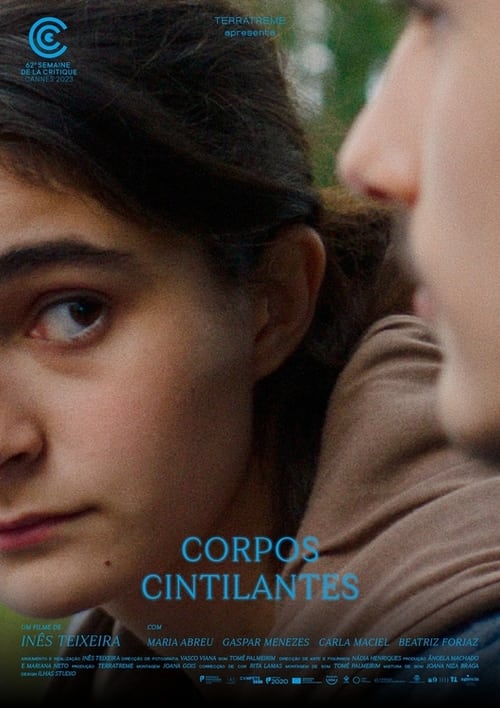
The afternoon Jorge asks Mariana over for a weekend at his house in Leiria, she starts to see him in a whole new light. Unsure of her friend’s intentions, Mariana accepts his unexpected and baffling invitation.
Mother and son move into a new house, a new city, a new story.
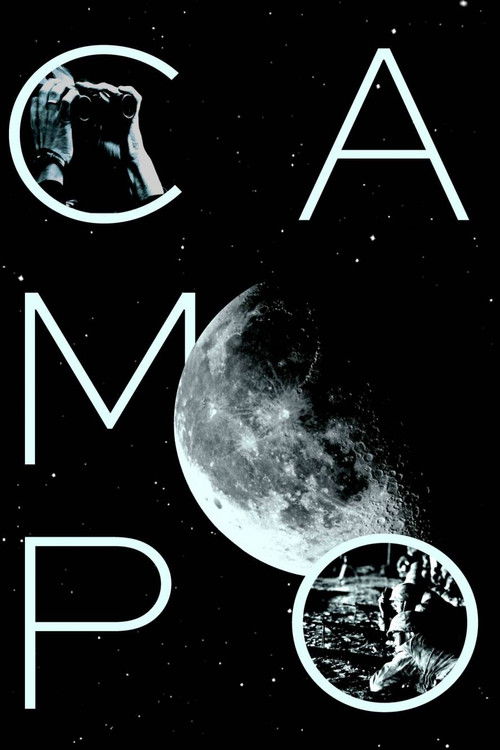
“Campo de Marte” (The Field of Mars) was in the ancient times Rome’s training arena for war. At the outskirts of Lisbon, “Campo” hosts today Europe’s largest military base. In this place military troops train fictional missions, astronomy aficionados observe the stars and a boy plays the piano for the wild deers lurking in the dark.
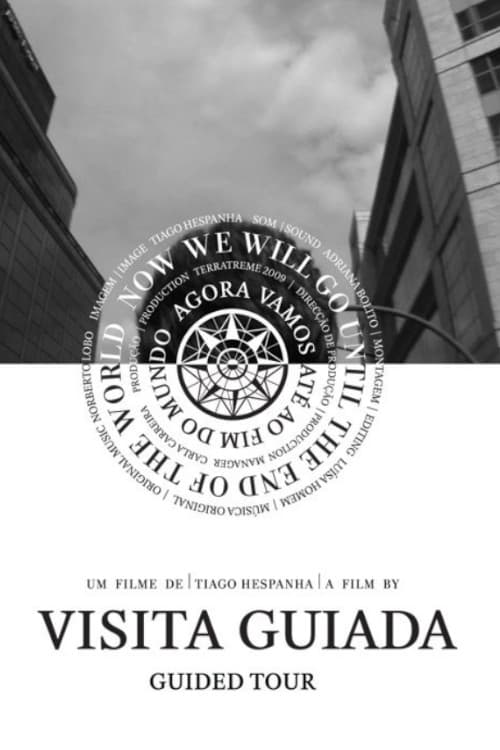
Every year millions of tourists come to Portugal to discover the country, the people and the culture. Many come in contact with tour guides. They convey history and national identity, illustrating how we regard ourselves and how we wish to present ourselves. The film is about how this identity is built and interpreted.
In order to reflect upon current practices of political dissent, we delve into the past and follow the experiences of a young artist. Invited to go underground in Portugal, during the second half of the 20th century, Margarida Tengarrinha played an important role in anti-fascist resistance, becoming a forger out of political activism. Given the anachronism, Clandestina is like a letter to a time yet to come, a premonition of the tragic possibility of History repeating itself.
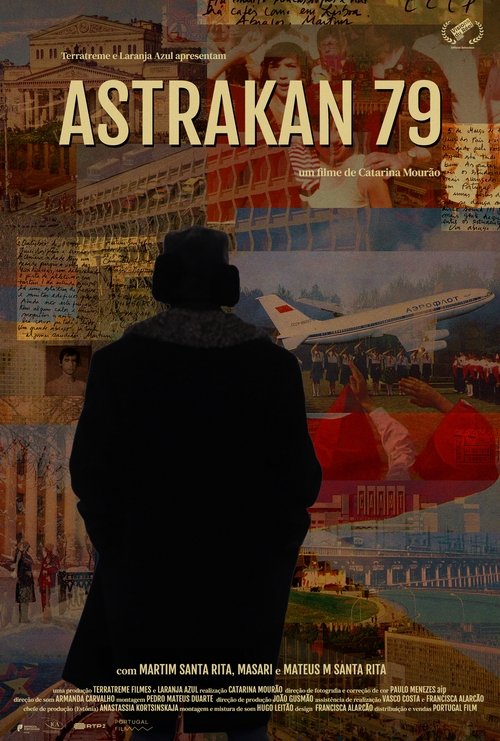
1979. Flicking through pictures from a Soviet magazine, 15-year-old Martim dreams of building a new society. His radical communist parents send him to study at Astrakan for one year. In her new film, Catarina Mourão captures with tremendous precision the moment a middle-aged man passes his story on to his son, thus shedding the taboo of his ineffable experience.
Europe’s largest lithium mine is about to start operating in Trás-os-Montes, much to the dismay of the local inhabitants. Frederico Lopo induces an earthy sensuality and contrasts two geologies: that of mining prospection and machines, and that of roots and people.
Through a city that carries the weight of broken expectations and tough absencies, we follow the day of three young adults. César who got into a photoshoot by accident, Chloé who hopes to find a place to do her own work, and Helena who is back in her town for some days, only to find the living shadow of a loss.
At an old manor house in northern Portugal, Ana helps her friend, Emília, the elderly housekeeper who is determined to continue to keep the unoccupied house in order for the owners who are never there. As the seasons turn, Mónica, Ana's daughter, challenges her mother's choices and the three generations of women search to understand where they belong in a world that is rapidly fading, where the cycle of life is renovated only through inevitable endings.
Cunning and slender, harassed and on the run, Reynard is a metaphor of a never ending obsession with each breath, each gesture, each thought. Marta seeks in the emptiness of her body a way to arrive to her inner essence, in an abstract search of a free spirit that might end in her own enclosure.
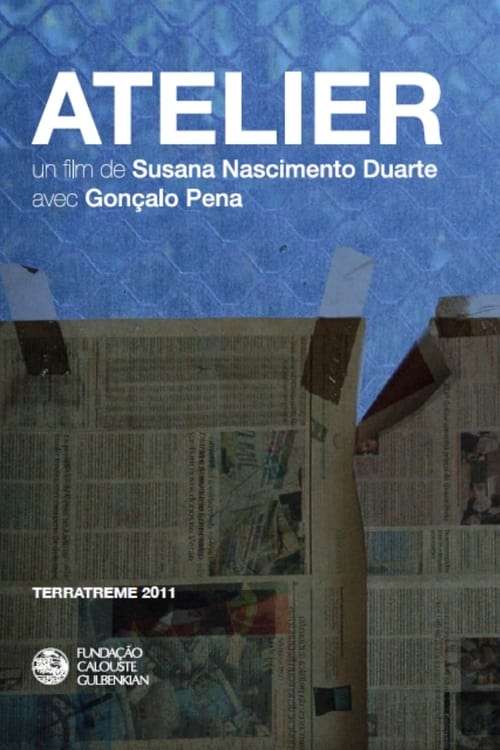
The atelier of the painter Gonçalo Pena merges into his work. The space's occupation is divided between the solitary and silent moments devoted to painting and the shared moments devoted to conversations with all those who visit him.