Acting
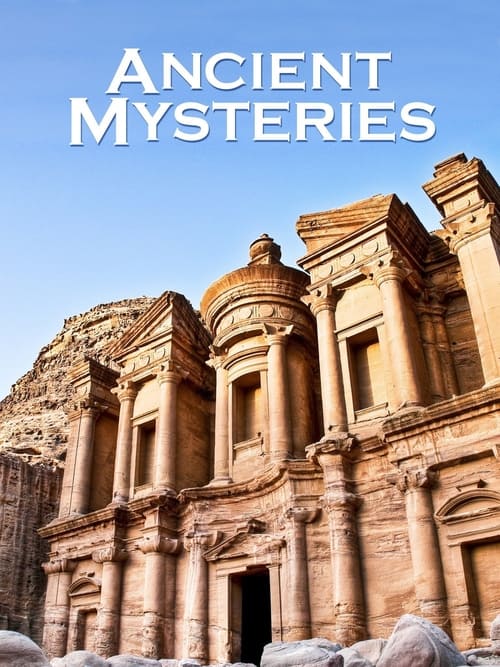
Ancient Mysteries is a television series that was produced by FilmRoos and originally broadcast on A&E between 7 January 1994 and 3 May 1998 with reruns airing until 2000. Reruns were also re-broadcast on The Biography Channel during the 2000s. The series deals with historical mysteries and is mostly hosted by Leonard Nimoy, which recalls the late-1970s TV series In Search Of ...
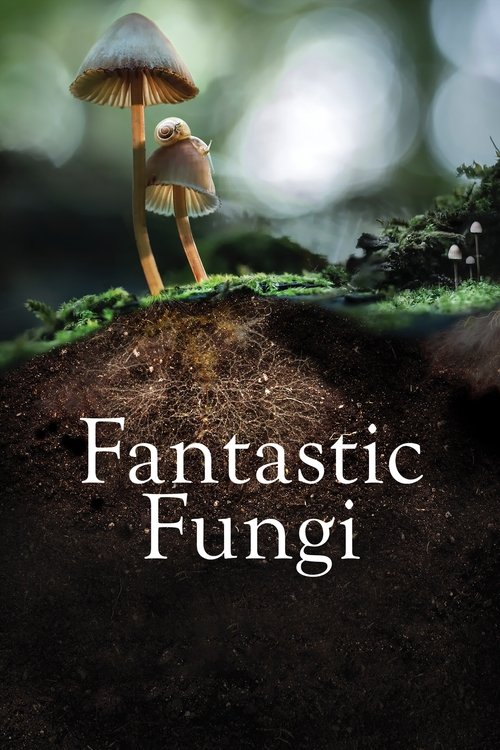
A vivid journey into the mysterious subterranean world of mycelium and its fruit— the mushroom. A story that begins 3.5 billion years ago, fungi makes the soil that supports life, connecting vast systems of roots from plants and trees all over the planet, like an underground Internet. Through the eyes of renowned mycologist Paul Stamets, professor of forest ecology Suzanne Simard, best selling author Michael Pollan, food naturalist Eugenia Bone and others, we experience the power, beauty and complexity of the fungi kingdom.
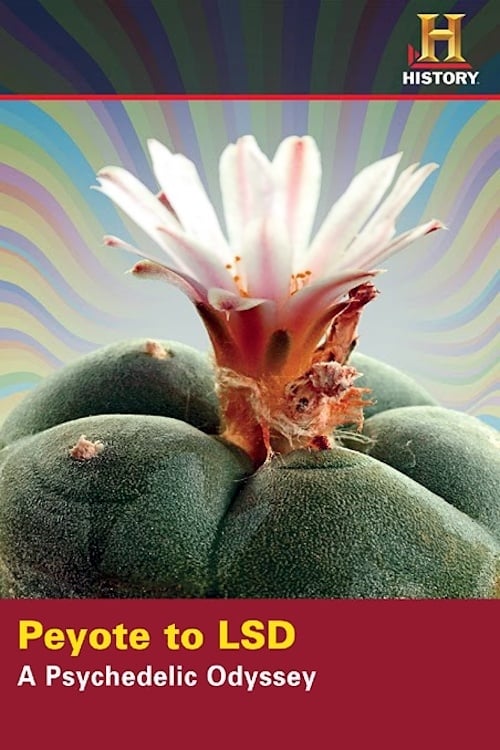
Plant Explorer Richard Evans Schultes was a real life Indiana Jones whose discoveries of hallucinogenic plants laid the foundation for the psychedelic sixties. Now in this two hour History Channel TV Special, his former student Wade Davis, follows in his footsteps to experience the discoveries that Schultes brought to the western world. Shot around the planet, from Canada to the Amazon, we experience rarely seen native hallucinogenic ceremonies and find out the true events leading up to the Psychedelic Sixties. Featuring author/adventurer Wade Davis ("Serpent and the Rainbow"), Dr. Andrew Weil, the Grateful Dead's Bob Weir and many others, this program tells the story of the discovery of peyote, magic mushrooms and beyond: one man's little known quest to classify the Plants of the Gods. Richard Evans Schultes revolutionized science and spawned another revolution he never imagined.
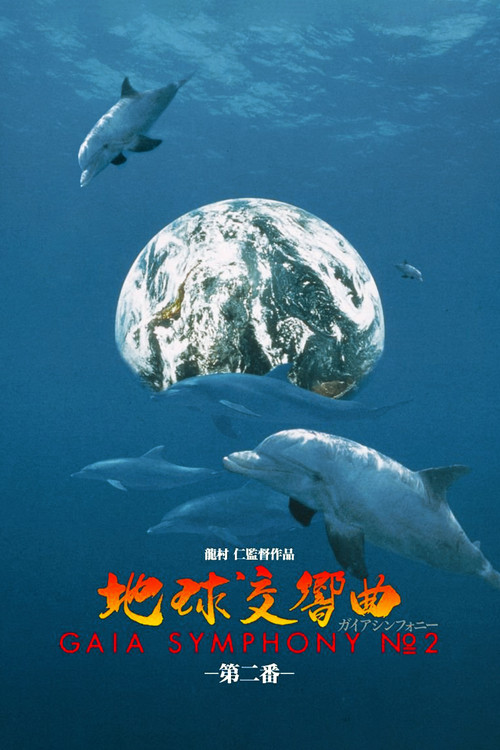
Gaia Symphony is a television series directed by Jin Tatsumura. The series revolves around the Gaia hypothesis. The series has eight episodes. Each episode examines a small number of extraordinary people who somehow relate to the central theme. Some of the people examined are famous people. For example, Jane Goodall and Reinhold Messner. Created originally in the Japanese language, there are English versions available.
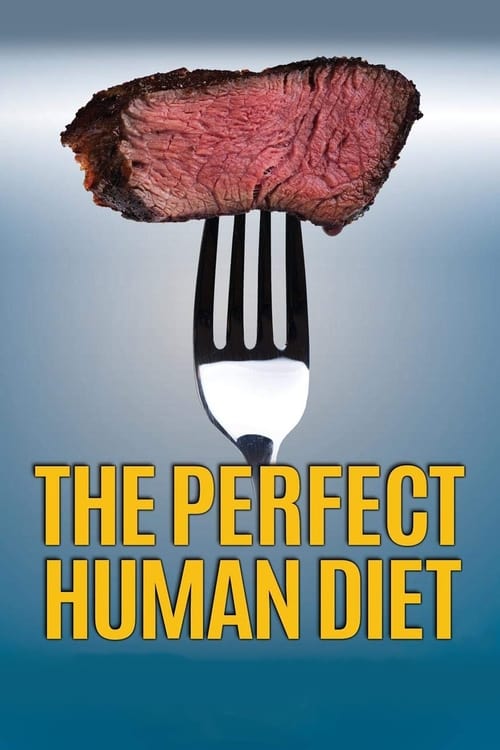
"The Perfect Human Diet" is an unprecedented global exploration to find a solution to our epidemic of overweight obesity and diet-related disease - the #1 killer in America. The film bypasses current dietary group-think by exploring modern dietary science, previous historical findings, ancestral native diets and the emerging field of human dietary evolution; revealing for the first time, the authentic human diet. Film audiences finally have the opportunity to see what our species really needs for optimal health and are introduced to a practical template based on these breakthrough scientific facts.
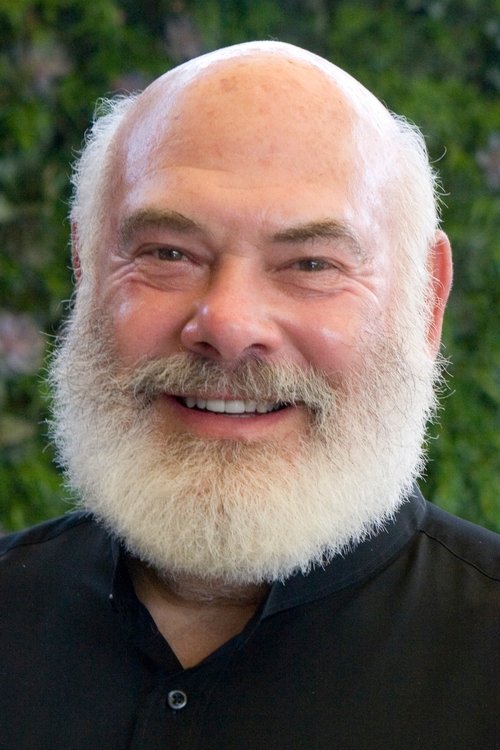
One of America's best-known and most respected doctors offers a sensible approach to eating: He emphasizes enjoyment over deprivation, and long-term health benefits over short-term weight loss. Dr. Weil assures us that there is no confusion among nutrition experts about the optimal diet for health, body weight, and longevity. Understanding inflammation to be the root cause of many chronic illnesses, he gives science-based recommendations to help combat specific health concerns, all as part of an anti-inflammatory diet. On the subject of dietary supplements, he talks about what's perilous and what can help.
Andrew Weil, M.D., program director of integrated medicine at the University of Arizona, teaches doctors and the public about nutrition, In this video, he describes good eating habits, nutritional health, and cooking. He also shares some cross-cultural perspectives on these fundamental topics.
Legendary physician Dr. Andrew Weil, bestselling author of nine books and professor of internal medicine at the University of Arizona - Tuscon, headlines the 2005 PBS documentary special Andrew Weil, M.D.: Healthy Aging. Based on Weil's bestseller Healthy Aging: A Guide to Your Physical and Spiritual Well-Being, the program consists of Weil discussing his principles, on-camera, as they involve making a smoother transition to advanced age in contemporary society. He begins by cutting dramatically against the grain of popular thought, and asserting the somewhat revolutionary notion that aging and disease do not necessarily need to go hand-in-hand. The internist then provides a myriad of suggestions aimed at 60+ viewers who wish to dramatically extend their lives and improve the condition of their lives - from dietary considerations to exercise and meditation. ~ Nathan Southern, Rovi
This documentary covers a whole lot of ground. It deals with every historical and contemporary aspect of hemp usage and cultivation (mainly in the U.S.), which turns out to be a lot. From describing the production of a fiber much more durable and economic than wood, the documentary discusses hemps multilateral uses as e.g. food products, as a non-polluting fuel and as a pharmaceutical product with much less grievous side-effects than chemical pharmaceutical products. The film also investigates why America went from a country which produced vast quantities of the non-narcotic industrial hemp, to the complete ban on hemp production in 1938. This story in particular is interesting, and it points out that the large oil-based industries actually had a key role in the aforementioned ban. Food for thought! The conclusion of the documentary could be that hemp may prove to be a valid alternative to both oil and wood in the future.