Camera
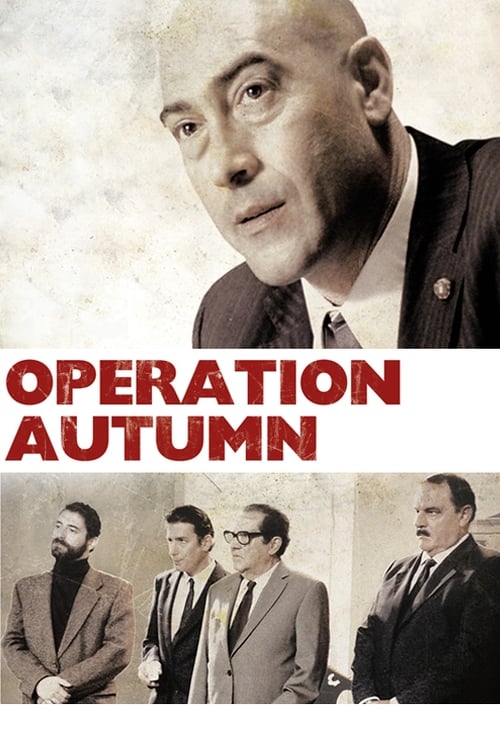
A film about General Humberto Delgado's brutal assassination by the Portuguese fascist police in 1965.
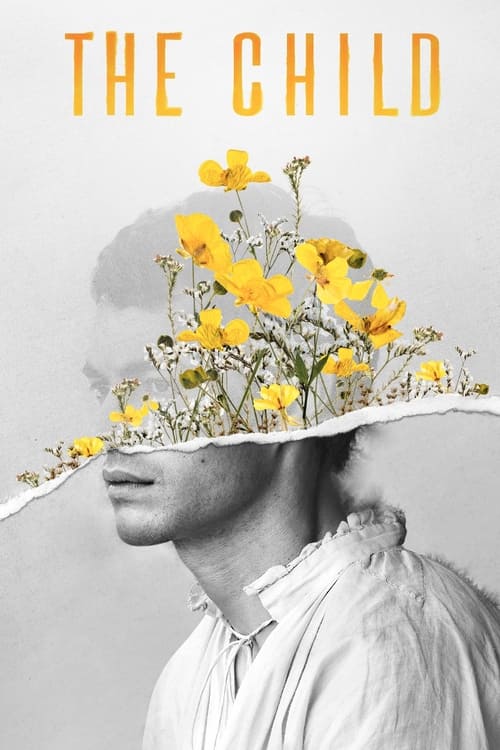
The story takes place near Lisbon, in the mid-16th century. Bela, an adopted young man, tries to find his place in a family that is free, but trapped in a world where each shadow allows imperfections to shine through.
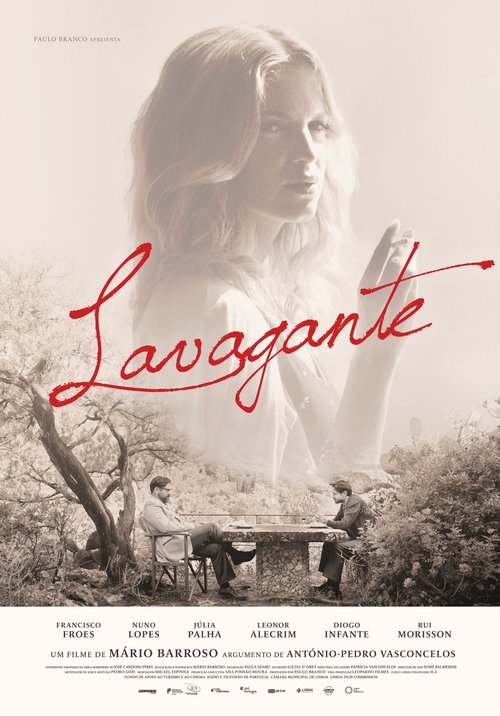
A story of love and deception, set against a backdrop marked by the actions of the political police under the Salazar dictatorship, censorship, persecution, and imprisonment, and the student revolt of the early 1960s.
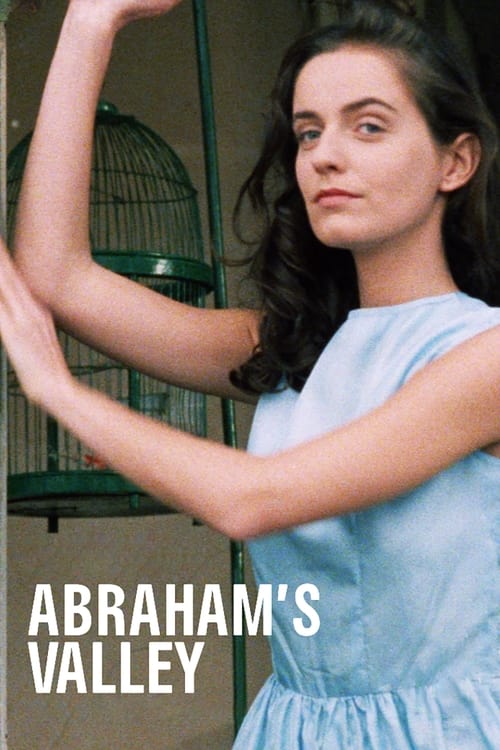
Ema is a very attractive but innocent girl, so pretty that cars crash in her presence. In her youth she marries Dr. Carlos Paiva, her father's friend, to whom she is not attracted. They move to the valley of Abraham. Carlos loves her, but decides to sleep in a separate room to avoid waking Ema when he has to return late at night. As time goes by she begins to feel unhappy about her marriage, so she finds a new lover.
An ice-cream seller lusts after the female employees in his shop.
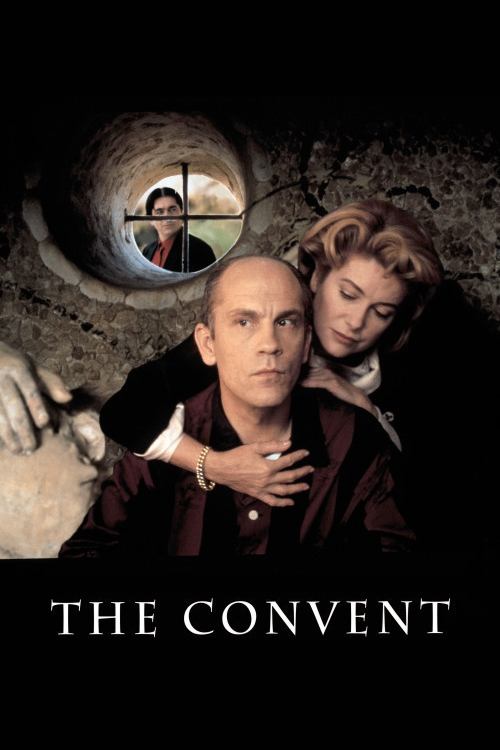
The journey of Michael Padovic, an American professor who arrives with his wife, Helene, at a Portuguese convent where he expects to find the documents needed to prove his theory: Shakespeare was born in Spain; not in England.
Christian, an art critic, must write a study on the painter René Dimanche in order to understand why he did not produce anything for eight years. He asks his friend Ingrid to help him break through this mystery.
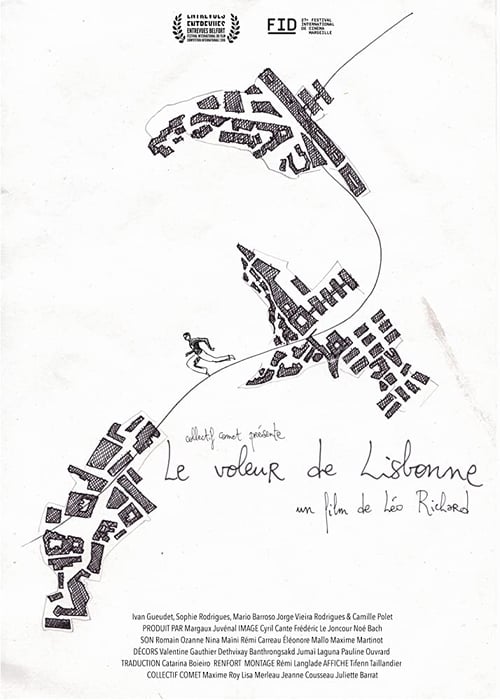
There is a special brigade dedicated to camera thefts in Lisbon. Few cameras are found, although sometimes tapes are thrown in the gutter like lost memories. Policemen watch these tapes hoping to find clues in this flow of touristic and intimate video recordings. One image leads the investigation to France.
This odd film is a major representative of an even odder film genre: direct-to-celluloid opera. It was commissioned by the Portuguese master of style, director Manoel de Oliveira from composer João Paes. Musically, it ranges from 19th-century romanticism to popular, modernist and even "post-modernist" styles. In the initially tame story, a host-narrator tells the story of a wedding between the two lovebirds: Viscount d'Aveleda and the beautiful Marguerite. However, what happens in the bridal chamber is incredibly bizarre. The events after that are even stranger, and the wedding guests and family indulge in cannibalism, among other perversions.
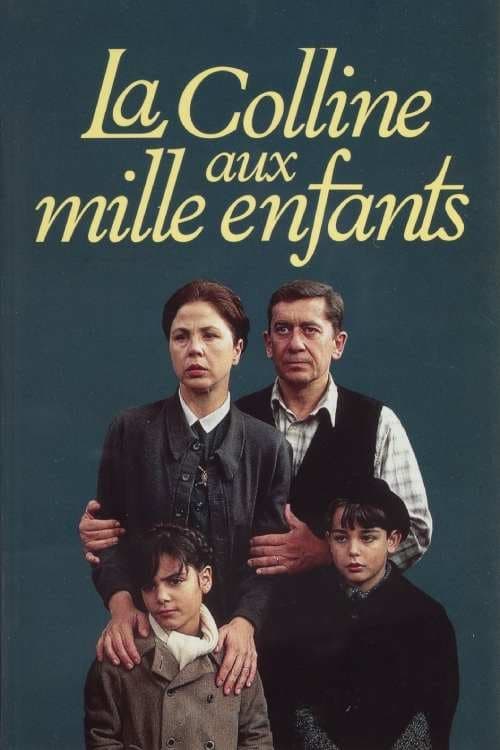
During the Nazi regime in France in World War II, Pastor Fontaine and the town of Chambon undertake a mission to protect and shelter the children of many of the Jews sent to concentration camps.
The life of a young man, son of an English officer who lets himself become a prisoner of love resulting in fatalism and disgrace.
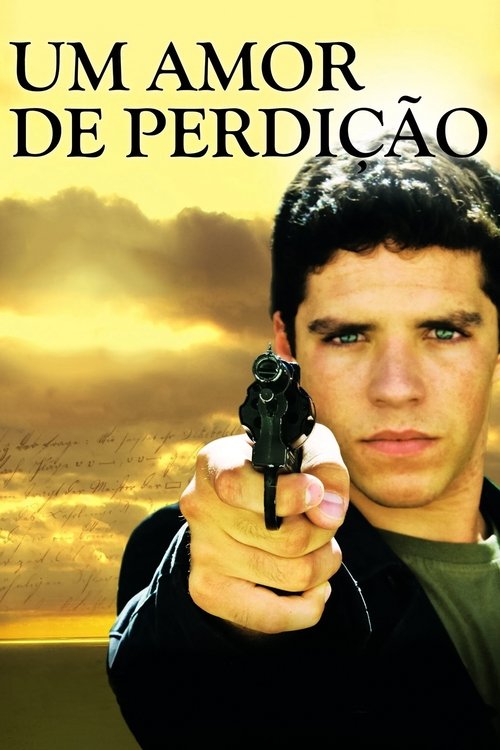
A loner, narcissistic and suicidal teenager attracts most of the people he meets like a fatal aura, a black light. He falls deeply in love with Teresa but does she exist or is she a mere figment, an image, a reflection? Teresa is an apparition. A pretext for an amoral violent uprising, for doomed love.
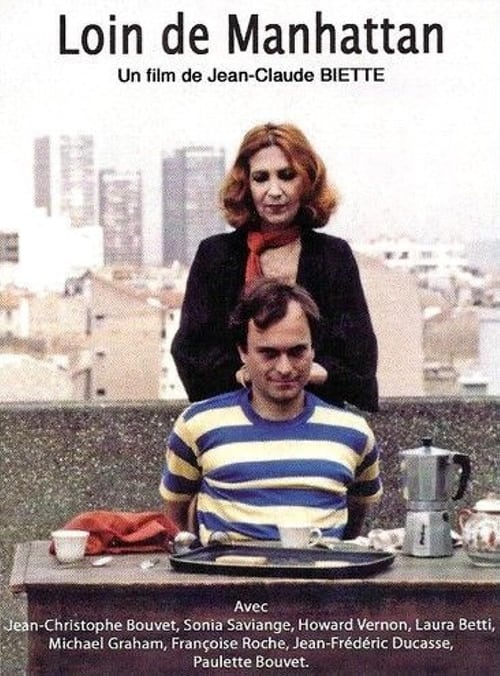
Olivier, Rémi and Pascale are three friends who have known each other since childhood. As they approach middle age, they each experience something of a crisis in their lives. Olivier, a doctor before becoming wheelchair bound, faces a bleak future after the break up of two relationships. The fact that Rémi and his wife Estelle are unable to have children puts an increasing strain on their marriage. And Pascale, a filmmaker, is on the point of leaving her husband to pursue an affair with an opportunistic career politician.
An impossible love. Two young people who love each other. Vera and João can’t find in this life the space, time, or identity to resolve their love story.
The Life of Mirrors is one of the sections of the exhibition Luis Miguel Cintra - Small Theatre of the World. A commission by Serralves Foundation to Regina Guimarães and Saguenail, and constructed after an unpublished interview with Luis Miguel Cintra, this film is the result of a long and painstaking exercise of selecting and editing excerpts from films by Manoel de Oliveira in which Cintra participates as an actor. In this way, The Life of Mirrors is a reflective, retrospective essay film, which opens the Carte Blanche, thus establishing a gateway to Luis Miguel Cintra's cinematographic and cinephile career.
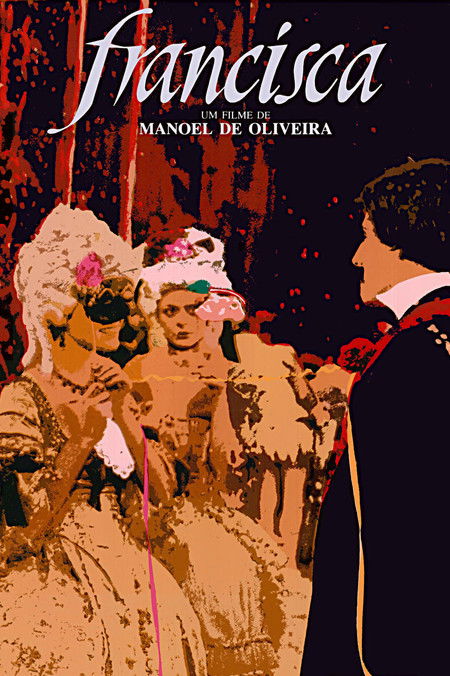
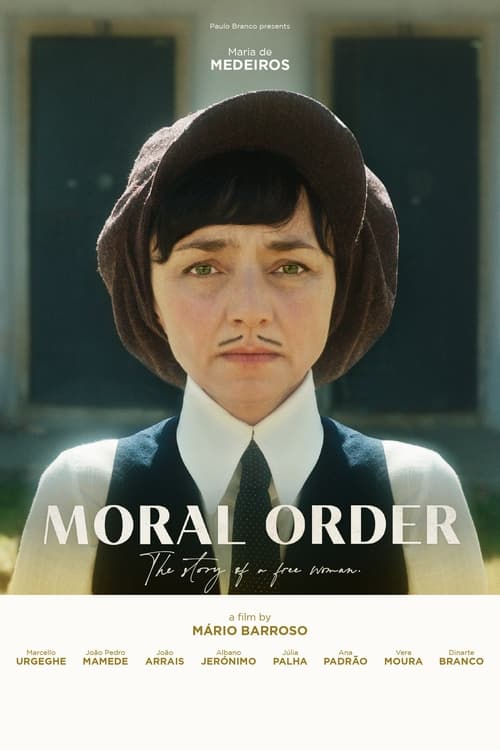
In 1918, Maria Adelaide Coelho da Cunha, heiress and owner of the Diário de Notícias, leaves the social, cultural and family luxury in which she lives to escape with a petty chauffeur, 26 years younger.
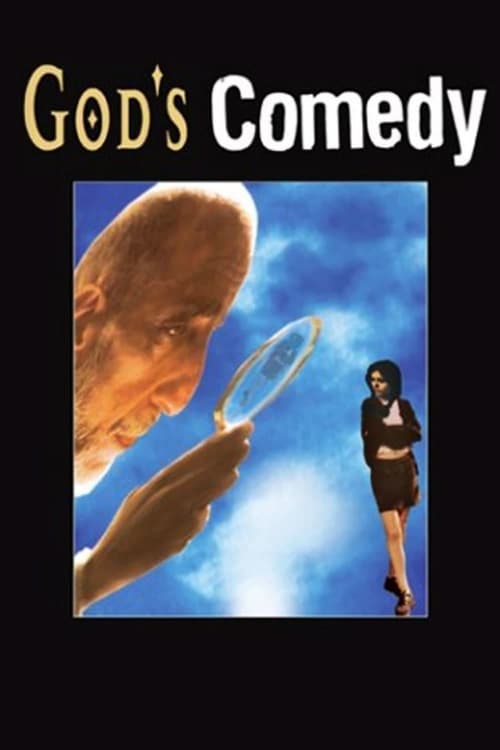
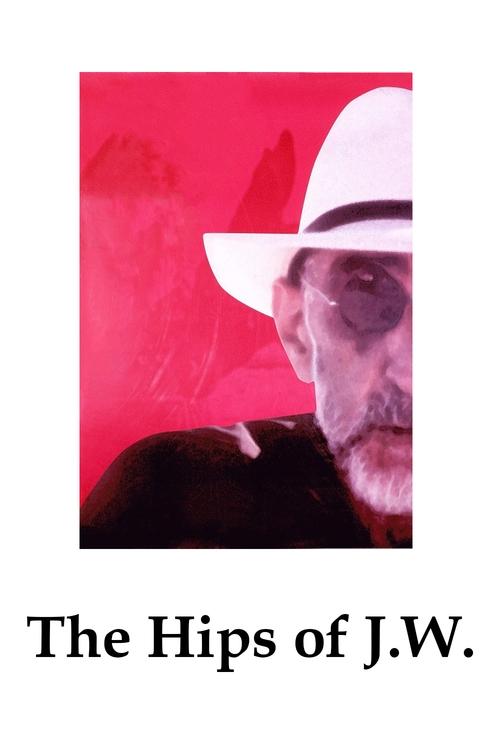
Two actors performing in Strindberg's "Inferno" as God and Lucifer, find themselves competing in real life as well. One of them, Max Monteiro, has spiritual obsession with John Wayne and his way of walking. He and Jean de Dieu, his fellow actor who plays Lucifer and also directs the Strindberg play, engage in a philosophical and spiritual tug-of-war, especially when they meet an author named God, who has plans for another drama to feature both actors.
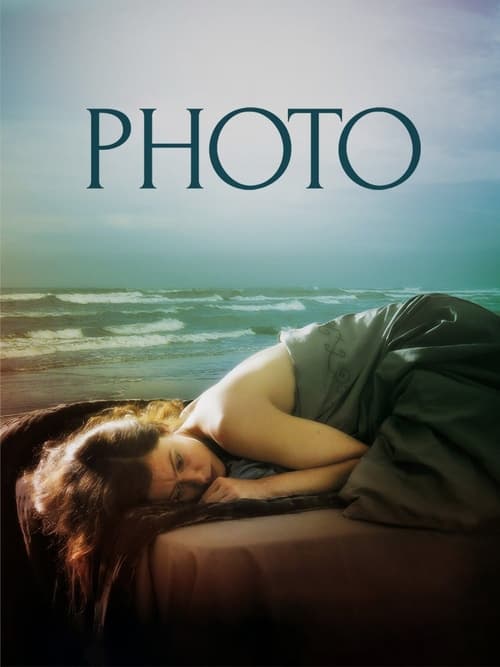
Her mother has just died. Her father is not what she had thought. Caught between an uncertain past, which she knows only through the photographs her mother has left behind, and the prospect of a marriage that she does not really want, Elisa sets out to discover the truth. But will she recognize it when she finds it?
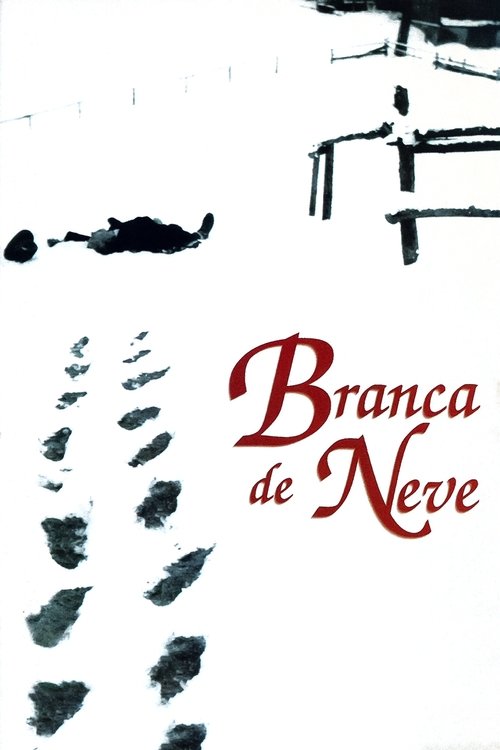
Monteiro moved far away from the visual opulence defined by his earlier films with his inspired adaptation of radical Swiss writer Robert Walser’s anti-fairy tale. Carefully restricting the image track, Monteiro maintains an almost totally black screen in order to focus instead on the voices of Snow White, the Prince, the Queen and the Hunter, engaged in an extended debate about love, free will and the events leading up to the fateful attempt on the maiden’s life. Despite its visual austerity, Snow White is haunted by the arresting images with which it begins – infamous black-and-white photographs of Walser lying dead in the snow after his heart attack outside a Swiss asylum at the age of seventy-eight, a strange realization of the “death of the author” so central to postmodern literary criticism.
A young woman is sure that her son is alive