Acting
No description available.
Finding the body of the regional politician Karas, killed in the spirit of medieval torture and carefully arranged in a strange scene, unleash police hunt for a sadistic perpetrator. He puts investigation team in the way of a complex series of murders that shake the local region and criminologists themselves.
The six-part drama directed by Tereza Kopáčová based on a script by Miro Šifra and Kristina Májová returns to a love story that traumatized several generations of Czechoslovaks. What preceded the infamous family tragedy of 1968? What followed it? Where can disrupted relationships in a closed rural community lead? What do we take with us as an inner legacy from our parents?
When the Tugendhat family had their villa built in the late 1920s, they had no idea how many stories it would inspire. A few years ago, British writer Simon Mawer wrote a novel called "The Glass Room." The novel tells the story of Liesel and Viktor Landauer, set in Brno between the two world wars. He was a promising industrialist, she was a rich beauty from a good family. As a wedding gift, they received a plot of land and had an Austrian architect build them a monumental house made of glass and concrete. Inside the house, their family life unfolds, but so do passionate stories of infidelity and even lesbian love. Through the glass of their villa, however, they can also observe the brown threat approaching from Hitler's Germany and the transformations of the young Czechoslovak Republic. When the threat becomes real, the Landauers understand that their time in the fictional City and in the house with the glass room has come to an end.
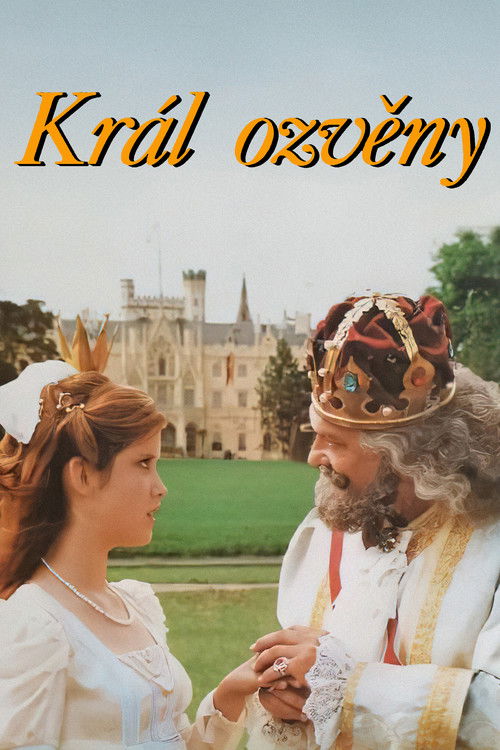
King Henry disapproves of the love between his daughter Doubravka and Thomas, the gardener and son of a friend who died for him in battle. He is convinced that Thomas cannot take over the kingdom because he is not of noble birth and, moreover, is too kind-hearted. And a ruler must be tough. The noble Prince Arthur of Nebesníže, who can also talk to echoes, would be a more suitable groom. Tomáš and the princess defend their love and each in their own way defy the king's will. Tomáš fights the prince of Nebesníže with echoes, and Doubravka runs away from the castle. If it weren't for the good flower fairy from the castle greenhouse, Anna's nanny, and the old gamekeeper, who knows how their young love would have ended.
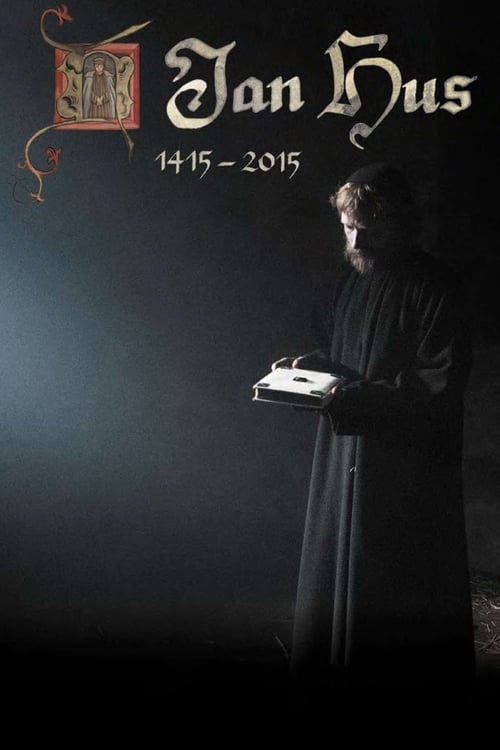
Prague at the end of the 14th century: King Wenceslas, his brother Sigismund, the Archbishop of Prague Zbynek and three popes are locked in a power struggle. All lay claim to influence over the Holy See. Jan Hus, a master of Charles University and preacher, feels partly responsible for the fate of the divided church and its faithful, for whom it serves as a role model. He thus attracts the resentment of the powerful. "Jan Hus" is the story of a man who, because of his convictions, faced death in the battle between the opinions and ambitions of ecclesiastical and secular authorities.
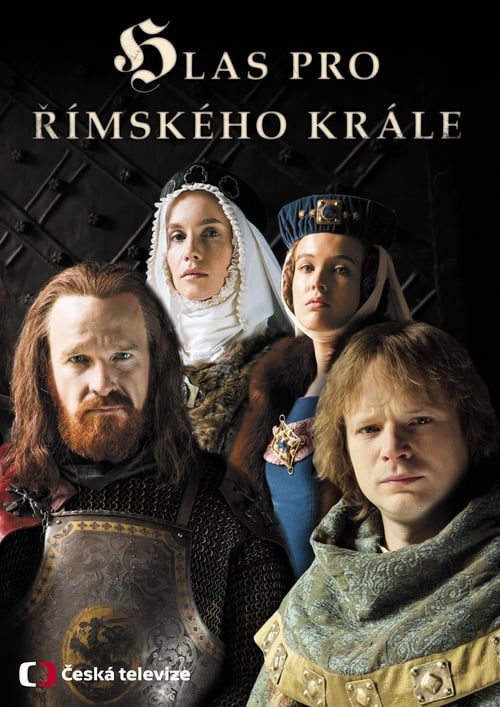
Czech Television's epic historical film draws on the breathtaking dramatic life of the great of Czech history, King Charles IV.
Czechoslovakia, summer 1968. Charlotte is rushed to hospital following a collapse resulting from a heart defect. The medical verdict is that the only way to save her life is a heart transplant.
A Christian orphan raised in a Jewish family has to face the cruel fate of Auschwitz during World War II.
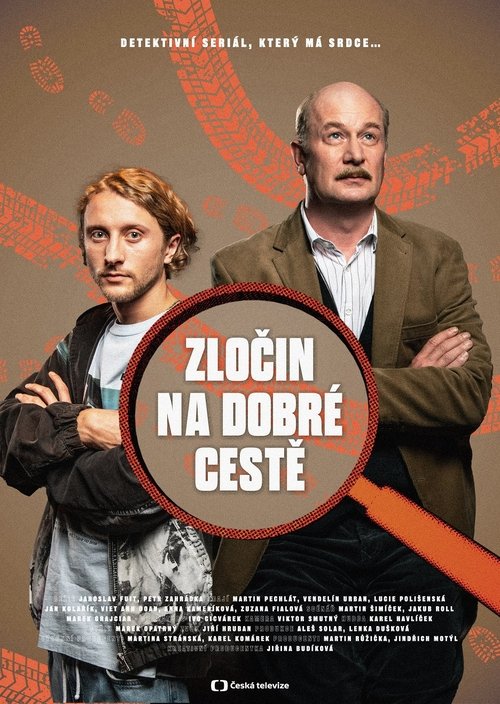
A serial killer murders wealthy businessmen. He lures them to his sprawling estate under the pretext of selling it. However, one of the murders does not fit into this series, even though it is similar to the others to a certain extent. The widow of businessman Sojková is also a suspect, but she is also acting as an amateur detective. She searches for her husband's killer on her own, as she believes the incompetent police are unable to catch him.