Directing
An emotionally charged look at three polygamous families in Bali
In one of the largest unknown mass-killings of the 20th century, an estimated 500,000 to 1,000,000 Indonesians were killed in 1965 when General Suharto began a purge of suspected “communists” through a complex and highly contested series of events–ultimately leading him to the presidency. 40 Years of Silence: An Indonesian Tragedy follows the compelling testimonies of four individuals and their families, as they break the silence with an intimate look at what it was like for survivors during Suharto’s New Order regime.
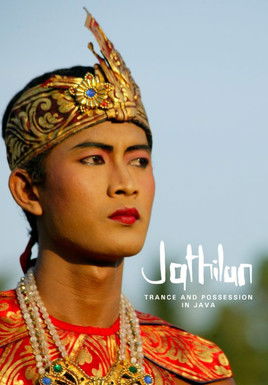
Practiced in Java for centuries, Jathilan is a folk dance that uses the power of music and dance to channel powerful and sometimes terrifying forces. Led by a spiritual guide and a whip-bearing ringleader, a group of dancers ride woven horses in rhythmic unison until they are entered by spirits. Once possessed they engage in a range of self-mortification behaviors until safely emerging from their altered state, left with no memory of the event and no lingering ill effects. The film combines footage of a number of Jathilan performances with interviews with dancers, spiritual leaders, anthropologists, and enthusiasts.
Ngaben: Emotion and Restraint in a Balinese Heart takes an impressionistic look at the ngaben from the perspective of a mourning son, Nyoman Asub, and reveals the intimacy, sadness, and tenderness at the core of this funerary ritual and the feeling and force that underlie an exquisite cultural tradition. Amidst ample cultural and interpretive understandings of the cremation ceremony, the film purposefully provides a personalistic, impressionistic, and poetic glimpse of the process and the complex emotions involved.
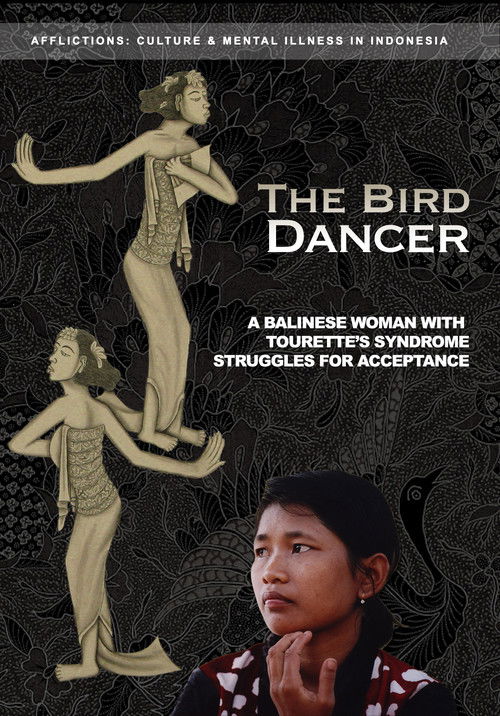
The film focuses on Gusti Ayu Suartini, a young Balinese woman living with Tourette’s syndrome. Members of Gusti’s small rural community, who do not recognize her illness as a medical disorder, regard her with scorn or pity. Mired in loneliness, Gusti begins to question the meaningfulness of her existence after treatment by western and traditional practitioners fails. The film, which follows her slow, painful, and courageous effort to create an independent life for herself outside her village, addresses the profound impact of family and community’s acceptance or rejection on the life course of persons living with a neuropsychiatric disorder. The Bird Dancer focuses on the social stigma of neuropsychiatric disorder and the human suffering it entails.