Salvadore Cammarano
Writing
Biography
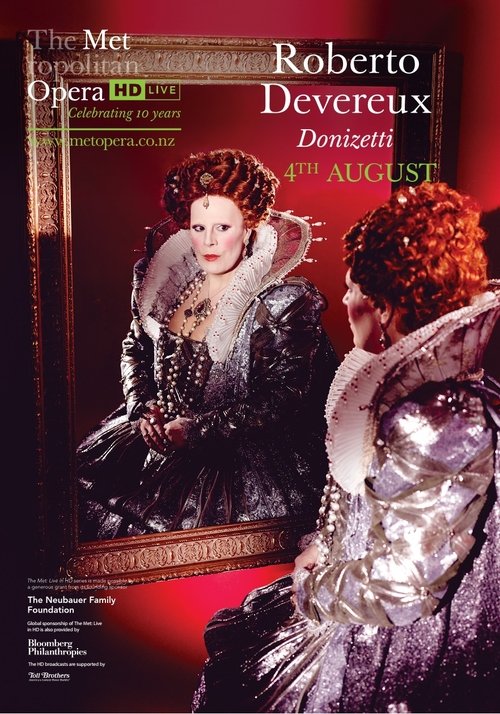
From Wikipedia, the free encyclopedia - https://en.wikipedia.org/wiki/Salvadore_Cammarano. Salvadore Cammarano (also Salvatore) (born Naples, 19 March 1801 - died Naples 17 July 1852) was a prolific Italian librettist and playwright perhaps best known for writing the text of Lucia di Lammermoor (1835) for Gaetano Donizetti. For Donizetti he also contributed the libretti for L'assedio di Calais (1836), Belisario (1836), Pia de' Tolomei (1837), Roberto Devereux (1837), Maria de Rudenz (1838), Poliuto (1838), and Maria di Rohan (1843), while for Giuseppe Persiani he was the author of Ines de Castro. For Verdi he wrote Alzira (1845), La battaglia di Legnano (1849) and Luisa Miller (1849), but after he died in July 1852, Verdi worked with Leone Emanuele Bardare to complete the libretto for Il trovatore (1853). Cammarano also started work on libretto for a proposed adaptation of William Shakespeare's play King Lear, named Re Lear, but he died before completing it; a detailed scenario survives. His father, Giuseppe, was a painter and set-designer. His son, Michele, was also a painter.
Known For

Star soprano Anna Netrebko adds Donizetti’s hapless heroine to her growing list of Met triumphs in this production by Mary Zimmerman that updates the events to the 19th century. Rising young tenor sensation Piotr Beczała is Edgardo and Mariusz Kwiecien plays Lucia’s brother Enrico whose brutal authority forces her to deny her heart and marry for the sake of her family. The famous mad scene brilliantly depicts the cascading fragments of Lucia’s disintegrating mind.
Donizetti: Lucia di Lammermoor

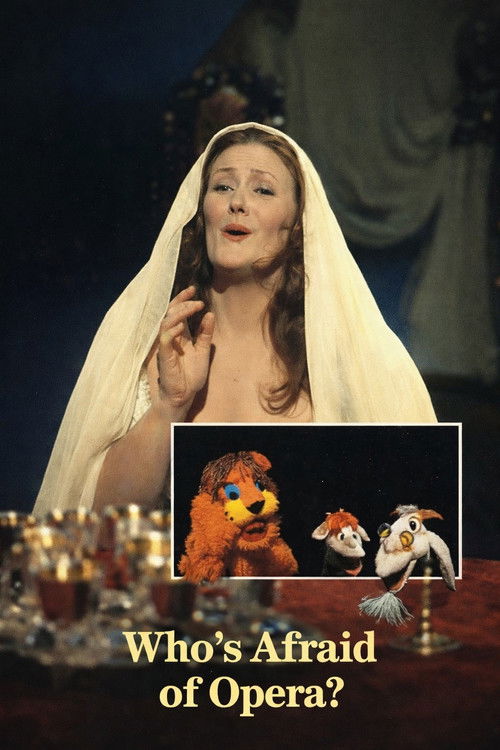
Three zany puppets bring to life our greatest opera treasures, as Joan Sutherland, the world’s most famous soprano, performs their highlights. The puppets make up the audience: Sir William, a wise old goat; Little Billy, his nephew; and Rudi, a rather boisterous lion. Sutherland first introduces them to the story of each opera. Then, backed by the London Symphony Orchestra and a first-rate cast, she moves onto the opera stage, complete with elaborate sets and elegant costumes. After each exquisite aria, the diva comes back to her inquisitive friends and unfolds the plot.
Who's Afraid of Opera?

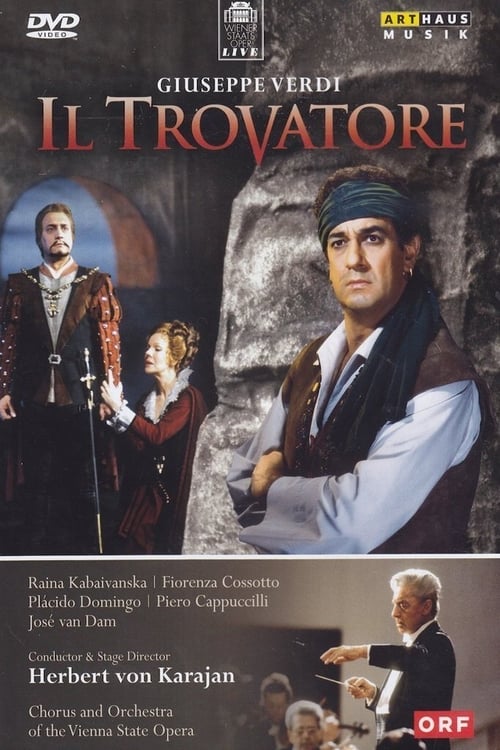
The gypsy Azucena (Fiorenza Cossotto) takes revenge for her mother who was accused of putting a curse on one of the old Count di Luna's two sons: she decides to abduct the younger child and throw it in the flames. But when she is about to carry out this fatal act, the gypsy sacrifices her own child and keeps the old Count’s son, whom she names Manrico (IL TROVATORE, Plácido Domingo). Later, as adults, the troubadour Manrico and the Count di Luna’s elder son (Piero Cappucilli) do not know each other, but become rivals for the beautiful Leonora (Raina Kabaivanska). Manrico succeeds in winning the young woman’s heart, and she sacrifices herself for him, deceiving the Count’s son. Mad with jealousy, the latter orders the execution of the troubadour in front of his mother. Azucena reveals to him that Manrico was his brother. This legendary performance of Giuseppe Verdi's most successful opera was recorded at the Vienna State Opera under the baton of Herbert von Karajan.
Il Trovatore - Verdi

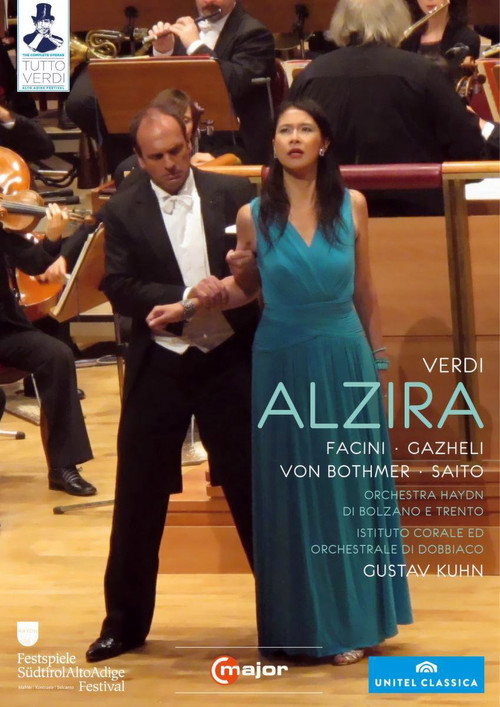
Part of Tutto Verdi series - Alzira (2012) Dobbiaco. This is a concert performance. Alzira is an opera in a prologue and two acts by Giuseppe Verdi to an Italian libretto by Salvatore Cammarano, based on the play Alzire, ou les Américains by Voltaire. The first performance was at the Teatro San Carlo, Naples, on 12 August 1845.
Verdi: Alzira

Luciano Pavarotti brings his spectacular voice and artistry to one of the most famous of all tenor roles—Manrico, the ardent troubadour, trapped in an impossible situation by forces beyond his control. The sensational Dolora Zajick, only days after her Met debut, gives an incandescent performance as the demented gypsy Azucena, thirsting for revenge against Count Di Luna (Sherrill Milnes). Eva Marton is the passionate Leonora, desired by both Manrico and the Count, and James Levine brilliantly leads the Met’s orchestra and chorus in some of Verdi’s best-known music.
Il Trovatore

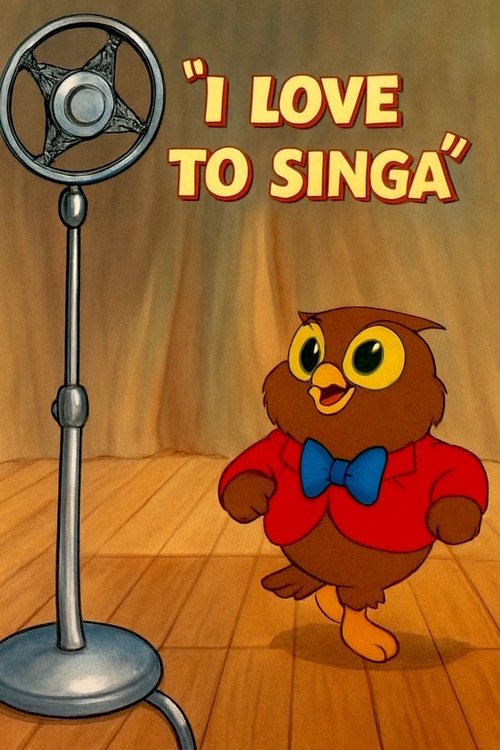
A stern classical music teacher becomes a father of four musically-inclined sons, but when one of them demonstrates a preference for jazz music, his father kicks him out of the house.
I Love to Singa

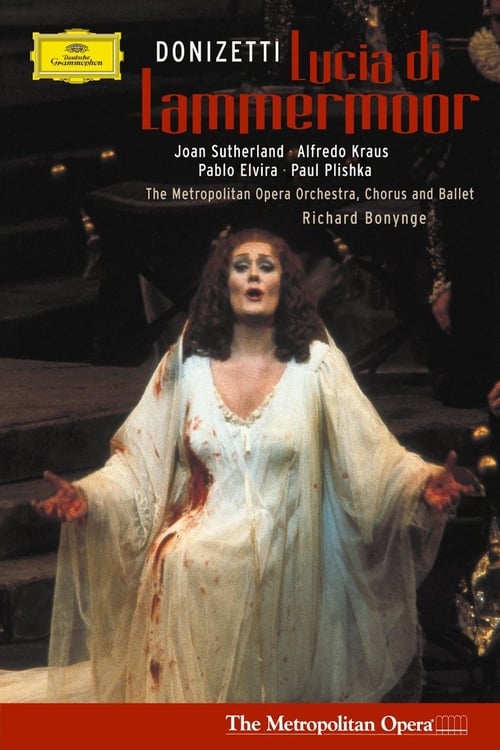
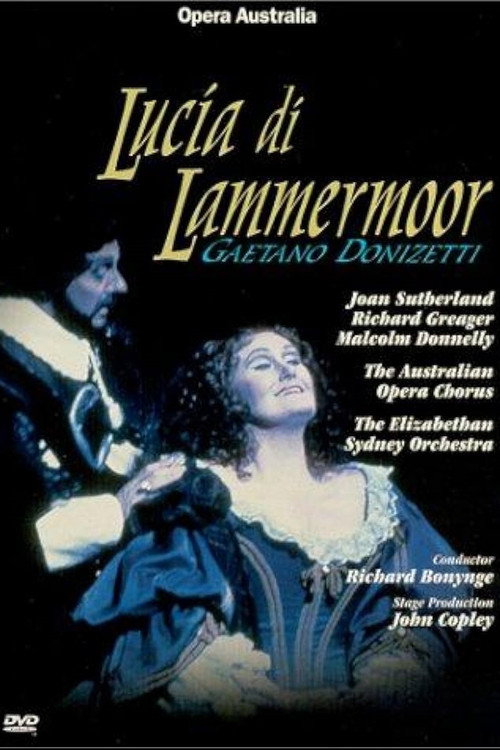
This telecast offers a rare opportunity to see the legendary Joan Sutherland in the role that first catapulted her to international stardom. She drove audiences wild by the way her opulent voice caressed the music’s long phrases and sprinted effortlessly through the fiendish runs, trills, embellishments and stratospheric high notes. One of the glories of the operatic world, her portrayal of Donizetti’s hapless heroine is a multifaceted and moving characterization. The incomparable tenor Alfredo Kraus is Edgardo, the man Lucia loves but cannot have. (Performance taped November 13, 1982. Broadcasted September 28, 1983.)
Lucia di Lammermoor

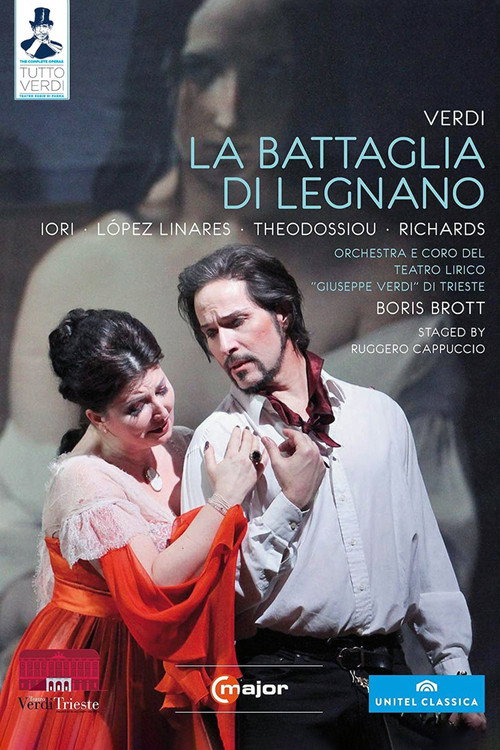
Part of Tutto Verdi series - La battaglia di Legnano (2012) Trieste. 'La battaglia di Legnano' ('The Battle of Legnano') is an opera in four acts, with music by Giuseppe Verdi to an Italian-language libretto by Salvadore Cammarano. Most of the early Verdi operas are sort of rare for a reason. They do not rise to the heights of genius that his middle period and late period operas did. However, there are always some beautiful arias or choruses and most of them are great fun......sort of like bel canto on steroids! What I mean is that you can hear that he was coming from the bel canto tradition, but he liked to inject a lot more power into the characters and their music.
Verdi: La battaglia di Legnano

The tragic tale of "the bride of Lammermoor" has always been a favorite of opera-goers and sopranos alike. Yet with the riveting singing actress Natalie Dessay in the title role, Lucia's plight and descent into madness take on another dimension. Joseph Calleja is an ardent Edgardo, the man she loves but is not allowed to marry. Instead, her brother Enrico forces her into a union with the rich Arturo to save the family fortunes. It proves too much to bear for Lucia.
The Metropolitan Opera: Lucia di Lammermoor

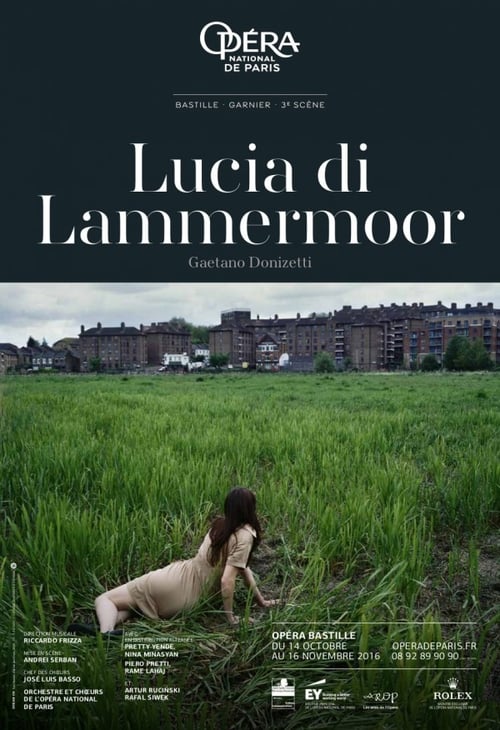
Every morning at dawn, in the Lammermuir hills in Southern Scotland, the beautiful Lucia meets Edgardo of Ravenswood, a mysterious young man with whom she is in love. However, just as in Shakespeare’s Romeo and Juliet, the lovers are the progeny of two feuding families and do not have the right to love each other. Lucia, a magnificent flower shattered by the violence of a society of men, is embodied by South Africa’s Pretty Yende, a rising star of the opera stage, in this production by Andrei Serban, conducted by Riccardo Frizza.
Donizetti: Lucia di Lammermoor

José Cura, Dmitri Hvorostovsky, Verónica Villarroel and Yvonne Naef lead the star cast of Verdi's blazingly passionate opera IL TROVATORE, in Elijah Moshinsky's new Royal Opera House production co-produced with Teatro Real Madrid, with sets by the noted film designer Dante Ferretti and costumes by Anne Tilby.
Il Trovatore

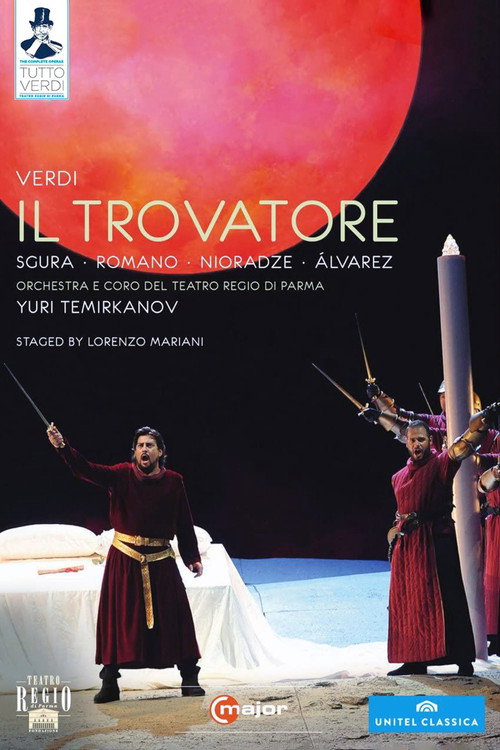
In medieval Spain, the gypsy Azucena abducted the son of the Count of Luna to avenge her mother, whom the old count had sent to the stake. She raised him as her own son, under the name of Manrico. In the service of Urgel and banished by the King of Aragon, Manrico nevertheless falls in love with Leonora, the Queen’s lady-in-waiting. ‘Il trovatore’ is an opera in four acts by Giuseppe Verdi, with a libretto by Salvatore Cammarano and Leone Emanuele Bardare, based on the Spanish drama ‘El Trovador’ (1836) by Antonio García Gutiérrez. It premiered on 19 January 1853 at the Teatro Apollo in Rome, and was subsequently performed in Paris, at the Théâtre-Italien, in its original version, on 23 December 1854. From the box set “Tutto Verdi”, featuring 27 of Verdi’s operas. Recorded live at the Teatro Regio in Parma on 5 and 9 October 2010.
Verdi: Il Trovatore

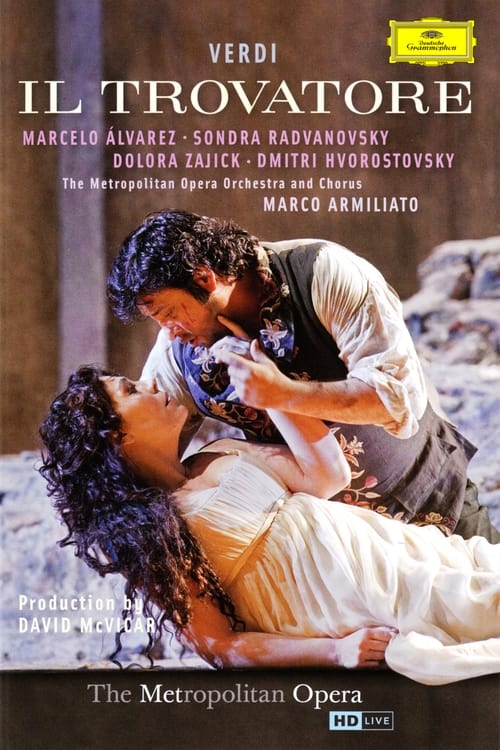
Verdi’s IL TROVATORE again storms the Met stage in a star-studded, anvil-wielding cast , including Sondra Radvanovsky, Dolora Zajick and Dmitri Hvorostovsky. Marcelo Álvarez sings Manrico, the troubadour of the title. The story is well-known already: The gypsy Azucena has harbored a grudge for thirty years, but she is about to have revenge at last. Meanwhile, her son Manrico is in love with Leonora, but so is his arch-enemy, the Count Di Luna. A pot-boiler, where every tune is a hit.
The Metropolitan Opera: Il Trovatore

Premiered immediately before the enduring masterpieces Rigoletto, Il Trovatore, and La Traviata, Luisa Miller incorporates the youthful vitality that had made Verdi an international sensation while also looking forward to the dramaturgical discipline and sophistication of those later works. In this Live in HD performance, soprano Sonya Yoncheva takes on the riveting title role, capping off a season in which she starred in three cinema transmissions. As her father, Miller, the legendary Plácido Domingo adds another baritone role to his extensive repertoire. Tenor Piotr Beczała as Rodolfo, Alexander Vinogradov as Count Walter, and Dmitry Belosselskiy as Wurm round out the illustrious cast, and Bertrand de Billy conducts.
The Metropolitan Opera: Luisa Miller

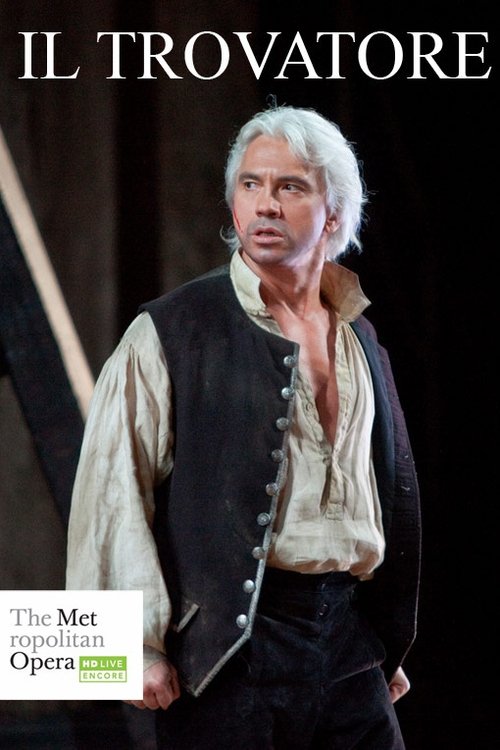
Soprano Anna Netrebko appears in her highly anticipated Met role debut as Leonora, the tortured heroine who sacrifices her own life for the love of the Gypsy troubadour. Dmitri Hvorostovsky sings Count di Luna, Yonghoon Lee is Manrico in his Met role debut as the title character, Dolora Zajick sings her signature role of the gypsy Azucena, and Štefan Kocán is Ferrando. Marco Armiliato conducts Sir David McVicar’s Goya-inspired production.
The Met — Il Trovatore

Diana Damrau’s reputation as the world’s leading coloratura soprano has been built on her extraordinary technical virtuosity, her sensitive musicianship and her acute psychological insight. In this DVD of Katie Mitchell’s sometimes radical production of Lucia di Lammermoor from London’s Royal Opera House, she is, as the Financial Times wrote, “brilliantly convincing”. The British award winning director Katie Mitchell – took a revisionist approach to the drama, updating the action to the mid-19th century and applying a feminist slant as she added new and unexpected elements. The Financial Times wrote: “Mitchell shows us on stage personal traumas that a self-respecting woman in the early 19th century was meant to keep to herself. It is a messy, bloody list — nocturnal sex trysts, a knife murder, a miscarriage, a suicide in the bath … In all this Damrau is brilliantly convincing. Her rebellious Lucia is a woman of modern attitudes stuck in a still feudal Victorian world.”
Lucia di Lammermoor

A film adaptation of Gaetano Donizetti's famous opera from 1835. Lucia is forced by her brother to marry for political reasons. Her fiancé reacts very badly and curses her. Lucia goes mad and her fiancé kills himself.
Lucia di Lammermoor

Lucia’s brother Enrico is horrified to learn she has fallen in love with his sworn enemy Edgardo. He hastily arranges her marriage to his associate Arturo. Edgardo and Lucia privately exchange rings before he leaves to fight in France. Enrico tricks Lucia into believing that Edgardo has been unfaithful. Longing for death, she signs the contract with Arturo – moments before Edgardo returns. Lucia murders Arturo in their wedding bed. His death is followed first by Lucia’s, and then by Edgardo’s.
The ROH Live: Lucia di Lammermoor

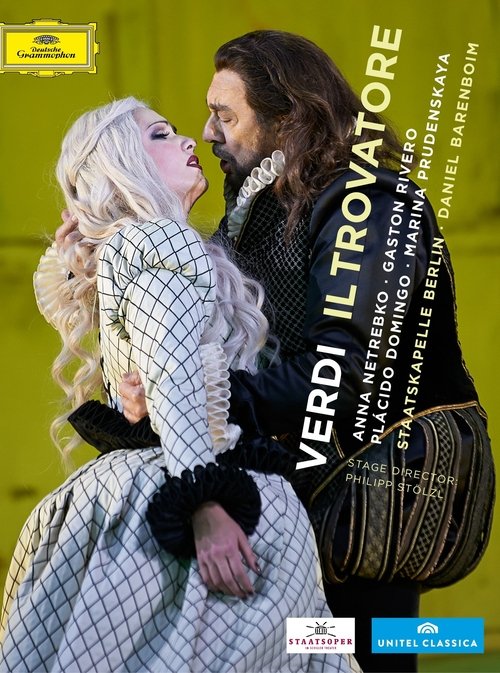
Daniel Barenboim conducts the Staatskapelle Berlin in this production of Verdi's opera starring Anna Netrebko and Plácido Domingo. The Count Di Luna believes that his younger brother was murdered years before by a vengeful gypsy but still hopes that he may be alive. When he attempts to court the beautiful Leonora, he is enraged to discover that she has a lover – the troubadour, Manrico. Manrico and the Count duel, and afterwards Manrico reveals to Azucena, the woman he believes to be his mother, that when he had the opportunity to kill the Count he felt something holding him back.
Il Trovatore

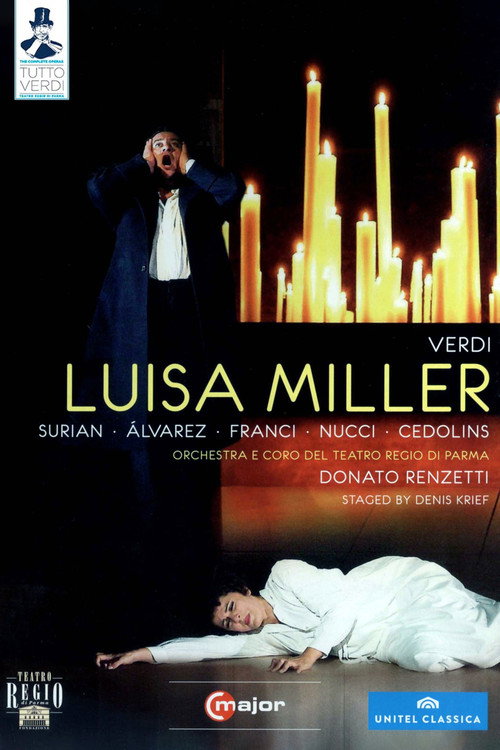
In a Tyrolean village in the first half of the 17th century. Luisa, Miller’s daughter, and Carlo, a young man she met in the village, are deeply in love. When Wurm, a courtier who is also in love with Luisa, asks Miller for his daughter’s hand in marriage, Miller replies that he cannot give his daughter away against her will. Offended, Wurm then reveals Carlo’s true identity: he is Rodolfo, the son of Count Walter. ‘Luisa Miller’ is an opera in three acts, the fourteenth by Giuseppe Verdi, then aged 36. It premiered at the Teatro San Carlo in Naples on 8 December 1849. Taken from the ‘Tutto Verdi’ box set of 27 Verdi operas. Recorded live at the Teatro Regio in Parma on 20 and 22 October 2007.