Acting
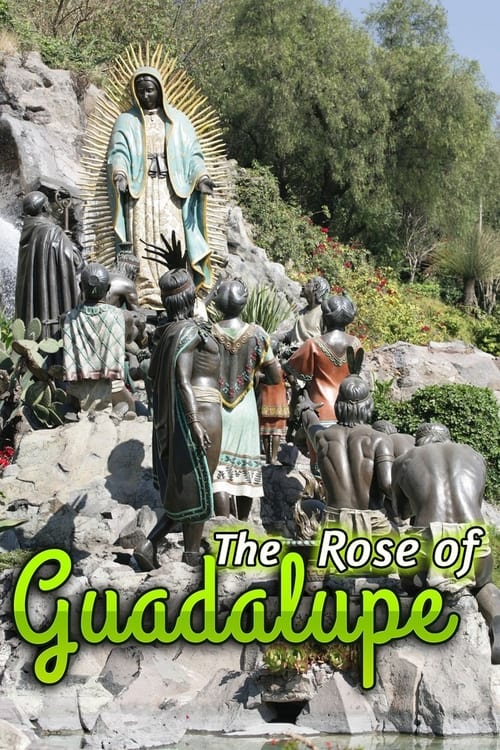
Stories about people who get into problems who use the help of Virgin Mary and where a rose appears and their problems are solved.
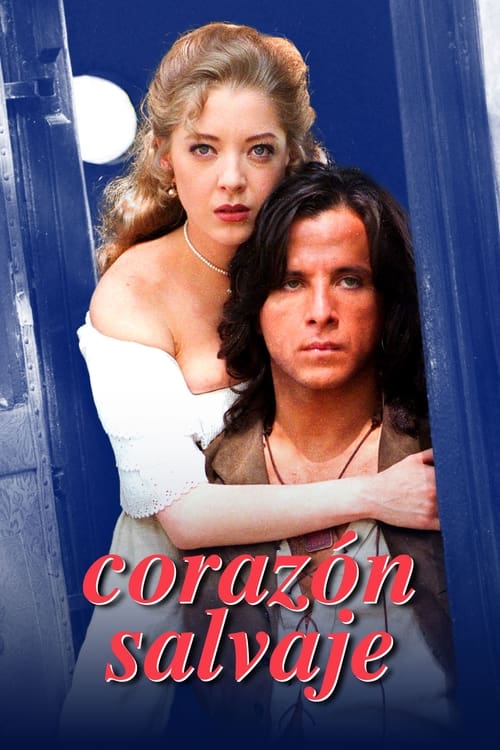
A telenovela that dramatizes the romances and rivalries between two brothers and two sisters in Mexico between the years 1885 and 1900.
Angela is a Mexican telenovela, which was produced by Televisa and broadcast on Canal de las Estrellas in 1998. The series was first debuted on May 17, 1999 on Univision in the United States, replacing that year's hit La Mentira, and ended on September 9, 1999, being replaced by Tres Mujeres. It aired a second and a third time on Galavisión on March 15, 2000 and May 8, 2001, and ended a second and a third time on July 1, 2000 and August 24, 2001. It aired a fourth time back to Univision's late night "Grandes Historias" lineup, aired on October 28, 2003, and ended on February 27, 2004. It aired a fifth time on TeleFutura on September 18, 2006, and ended on January 8, 2007. This telenovela contained 78 episodes.
The story tells the story of Diana (Maria Sortè), a highly successful fashion designer married to an unreliable and lying man, Giacomo, and of Gianluca (Enrique Novi), a widower with a 10-year-old girl, Arianna. Diana, after discovering that Giacomo has another wife and two children, Davide and Chicco, abandons him, and leaves for a cruise with her friend Gloria. On the ship he meets Gianluca in the company of Viviana, who is actually staying with him for money. The meeting between Gianluca and Diana is one of those that are not forgotten and, what seemed only physical attraction, turns into true love. Diana is introduced by Gianluca to her daughter and immediately wins her sympathy.
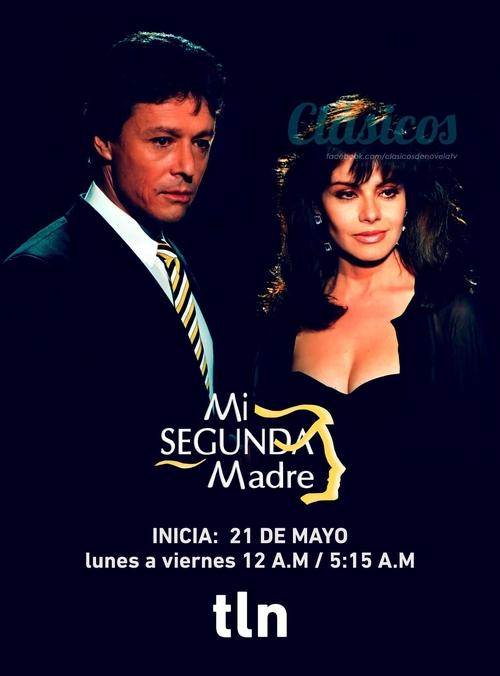
Antonio Lombardo lives in a huge, luxurious house in Acapulco with Victoria—his stepmother, whom he loves like a real mother—and his sister Camila, who has just married Claudio. Also living there is Maximiliano, Victoria's son from her first marriage, who hides an envious and manipulative personality behind the appearance of a good person.
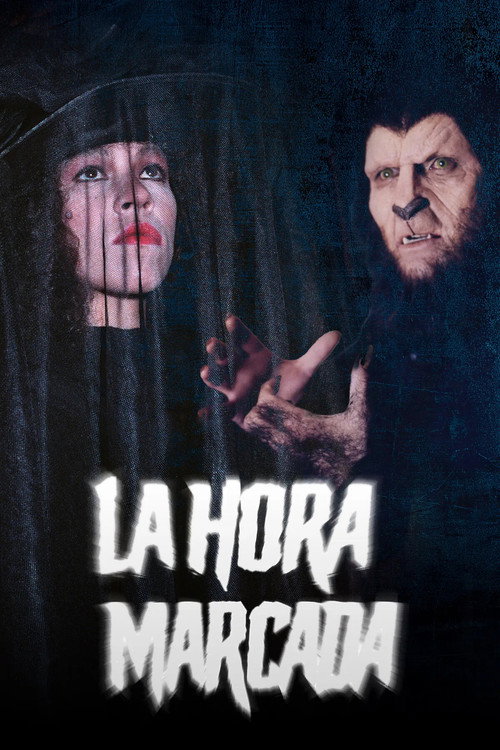
La Hora Marcada was a 1986 Mexican television anthology series famous for its horror and science fiction themes in the vein of the Twilight Zone. Although virtually unknown outside the country, it achieved a popular and critical success in Mexico. It had a series of rotating writers and directors, among them Emmanuel Lubezki, Guillermo del Toro and Alfonso Cuarón.
No description available.
Valentina and Sebastián—known as "Los Camaleones"—are manipulated by "El Amo" into stealing artworks and valuable jewelry worth millions of dollars; if they fail to meet his demands, he wields enough power to kill their only loved ones, who are currently imprisoned because of Augusto Ponce de León. Ponce de León is the police chief—and Solange’s father—as well as a womanizer estranged from Francisca Campos; he is in charge of the "Camaleón" case, which he must solve to secure a political position and gain ever-increasing power.
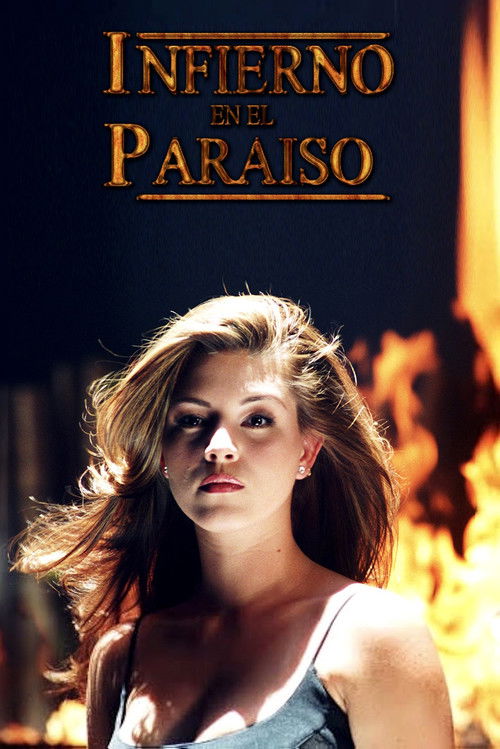
Infierno en el paraíso is a Mexican telenovela produced by Carlos Sotomayor for Televisa and originally broadcast on Canal de las Estrellas from June 21 to October 22, 1999. Created by Nora Alemán, with co-writing by Nora I. Sánchez and literary editing by Alejandra León de la Barra and Martín Támez, the telenovela stars Alicia Machado and Juan Ferrara, with Diana Bracho and Julieta Rosen as the main antagonists. The story follows Alejandro Valdivia, a wealthy tobacco plantation owner whose wife, Fernanda, disappears after a car accident and is presumed dead. Haunted by guilt, Alejandro eventually falls in love with the kind-hearted Marian Ordiales and marries her. However, as Marian settles into the Valdivia estate, she faces hostility from Alejandro's family and begins to suspect that Fernanda's disappearance hides a dark secret, leading to a story of love, betrayal, greed, and deception.
A handsome man, unjustly accused, transforms into a woman named Eva to win over Helena—the love of his life—and unmask the true culprits behind a financial fraud and the theft of Helena's project.
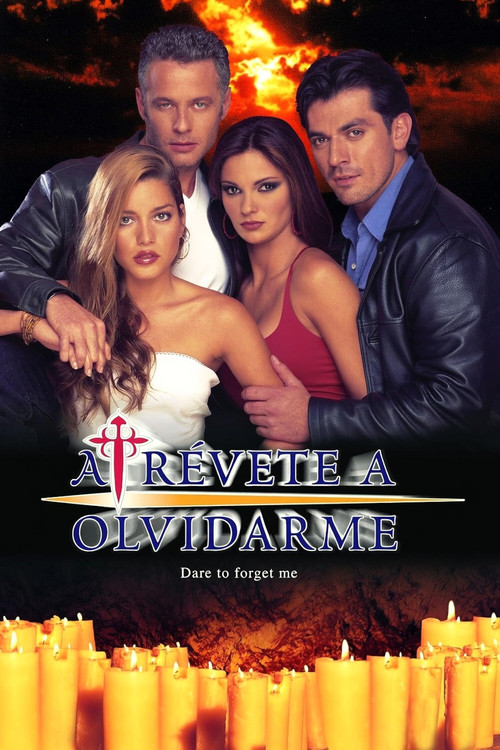
Atrévete a Olvidarme is a Mexican telenovela produced by Roberto Hernández Vázquez for Televisa and originally broadcast on Canal de las Estrellas from August 6 to September 7, 2001. Created by Martha Carrillo, Roberto Hernández Vázquez, and Martha Oláiz, the telenovela stars Jorge Salinas and Adriana Fonseca. Due to low ratings, it was shortened to 25 episodes. The story follows Andrea Rosales, a kind-hearted young woman living in the mining town of Real del Monte. Her life changes when she falls in love with Daniel González, a young journalist searching for his grandfather and the truth about his family's past. Their romance revives a tragic love story from the previous generation, forcing them to confront jealousy, family secrets, revenge, and the belief that history is destined to repeat itself.
Apuesta por un Amor is a Mexican telenovela produced by Angelli Nesma Medina for Televisa in 2004. Patricia Manterola and Juan Soler starred as the protagonists, while Alejandra Ávalos, Roberto Ballesteros and Fabián Robles starred as the antagonists.
El Noveno Mandamiento is a Mexican soap opera produced by Lucero Suárez in 2001. As of June 24th, 2013, Unimas is broadcasting 2 hour episodes of this soap opera.
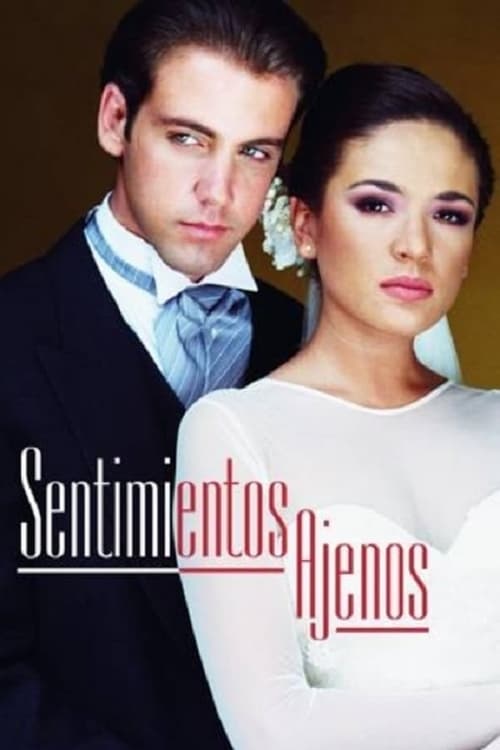
Sentimientos Ajenos is a Mexican telenovela produced by José Alberto Castro for Televisa and originally broadcast on Canal de las Estrellas from August 19, 1996, to January 3, 1997. It is based on the Chilean radio serial Dos mujeres y un hombre, created by Arturo Moya Grau and adapted for television by Lorena Salazar and Eduardo Quiroga. The story follows Sofía de la Huerta, a kind-hearted young painter who falls in love with Renato Aramendia, unaware that their relationship will awaken the jealousy and hatred of her own sister, Leonor. After a series of manipulations and betrayals tear her family apart, Sofía must fight to reclaim her life, protect her son, and find happiness while confronting the woman determined to destroy her.
A house is haunted by a female spirit and her burnt-face male companion. A man and his wife buy the house, unknowing that they must fight against the forces of darkness and evil.
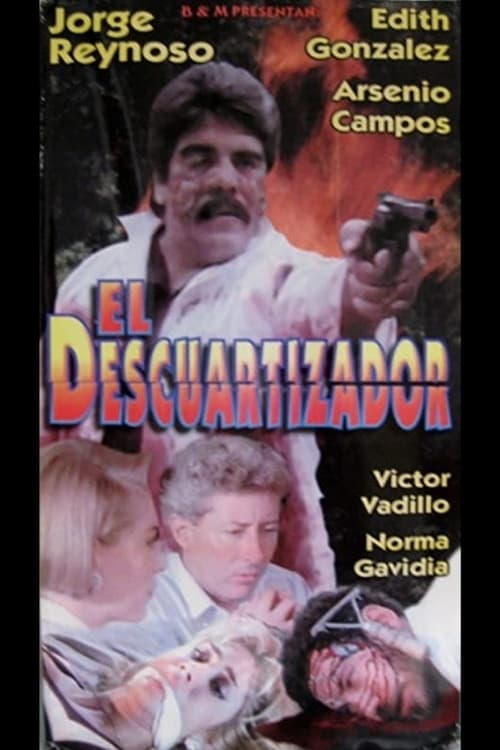
Criminal psychologist Dr. Verónica Arizméndi (Edith González) gets the opportunity of a lifetime: A chance to study "The Descuartizador" (Jorge Reynoso), a vicious serial murderer who has gained notoriety thanks to the press and his sadistic crimes.
Three interwoven stories where the characters experience deception, passion, love and rejection.
Construction worker falls in love with a handicapped woman who aspires to a career as a singer.
When a worker is found murdered on the construction side, the investigation swiftly turns from things criminal to the political circumstances surrounding the building itself. Widespread corruption and neglect by the builder himself are seen to have brought the situation about. Much of the movie is filmed using hand-held cameras, and the majority of the dialogue is in the difficult-to-understand and very slangy Spanish dialect of Mexico City's bricklayers.