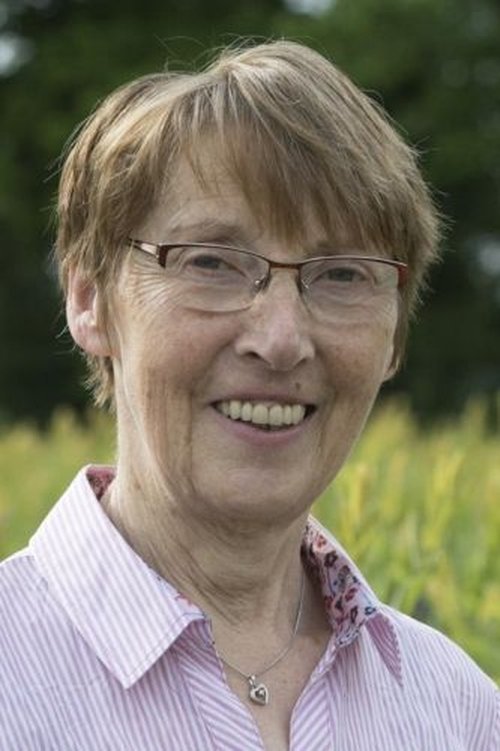
Irmgard von zur Mühlen
Directing
Known For
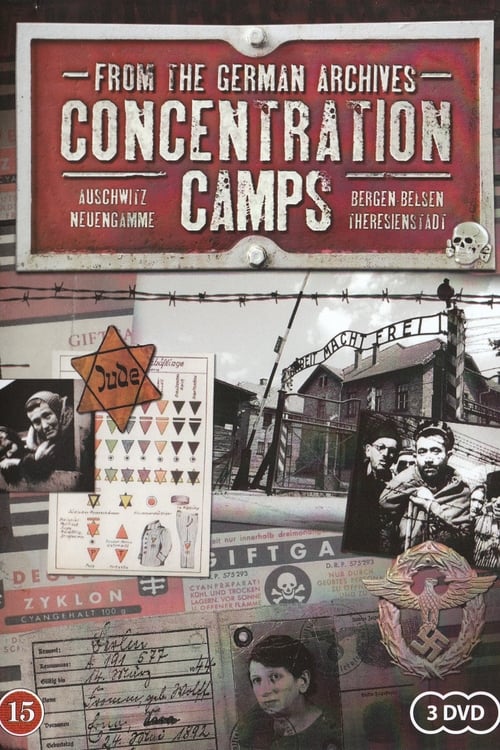
This chilling, vitally important documentary was produced to mark the 40th anniversary of the liberation of Auschwitz Concentration Camp. The film contains unedited, previously unavailable film footage of Auschwitz shot by the Soviet military forces between January 27 and February 28, 1945 and includes an interview with Alexander Voronsov, the cameraman who shot the footage. The horrifying images include: survivors; camp visit by Soviet investigation commission; criminal experiments; forced laborers; evacuation of ill and weak prisoners with the aid of Russian and Polish volunteers; aerial photos of the IG Farben Works in Monowitz; and pictures of local people cleaning up the camp under Soviet supervision. - Written by National Center for Jewish Film
The Liberation of Auschwitz
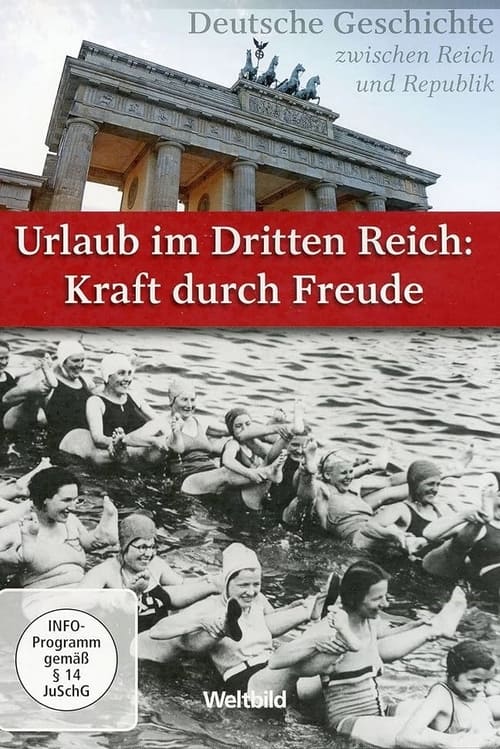
The National Socialist community "Kraft durch Freude" was a political organization with the task of organizing, monitoring and standardizing the leisure time of the German population. It is known today mainly as a vacation organization that practically brought mass tourism to Germany for the first time. The documentary shows private footage of travelers, film sequences from the Ministry of Propaganda as well as material from Eva Braun's film archive and thus provides a comprehensive insight into how vacations were organized in the Third Reich.
Urlaub im Dritten Reich - Kraft durch Freude
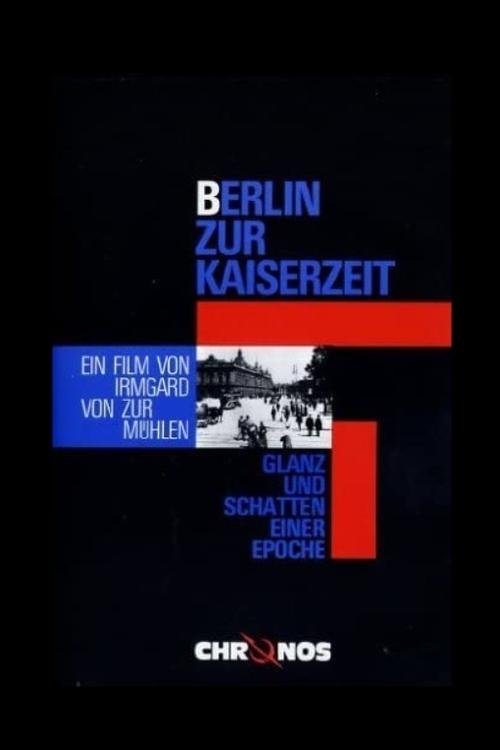
This film deals with the contrasts of the Wilhelminian era in Berlin: the splendor of the monarchy, the economic and intellectual vitality of the up-and-coming imperial capital on the one hand, and the misery of the proletarians in the tenements on the other. The documentary sets depressing images of the horrors at the front against the exhilaration of victory at the beginning of the First World War.
Berlin zur Kaiserzeit - Glanz und Schatten einer Epoche
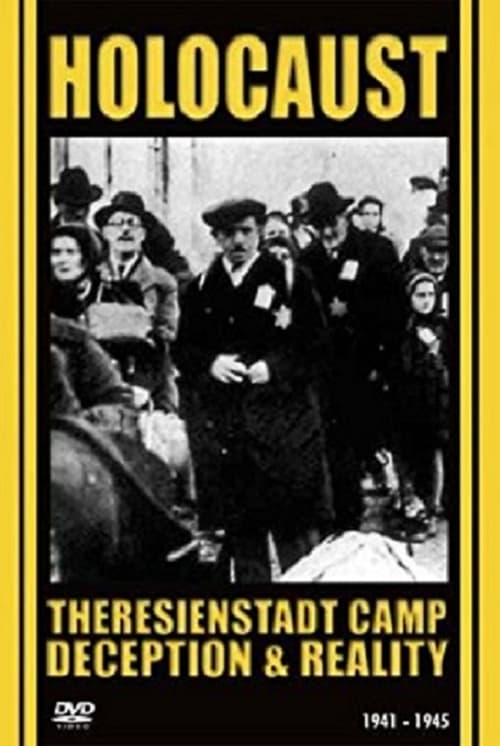
A look at the Nazi "show camp" used to fool the world while they carried out their "Final Solution".
Ghetto Theresienstadt: Deception and Reality
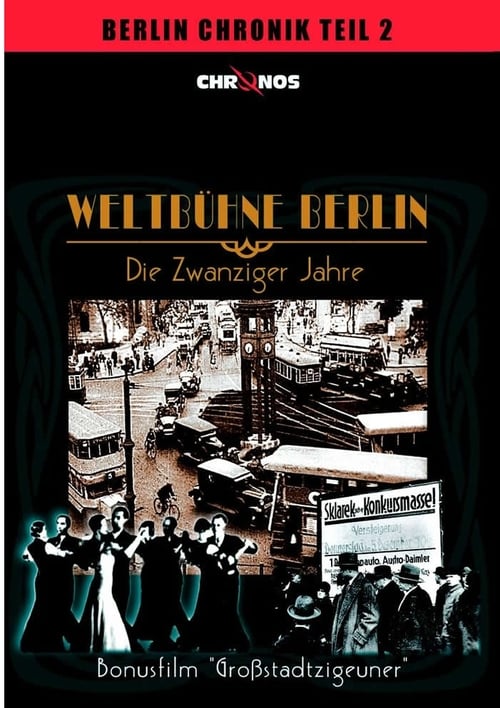
Documentary portrait of Berlin the 1920s.
Weltbühne Berlin - Die Zwanziger Jahre
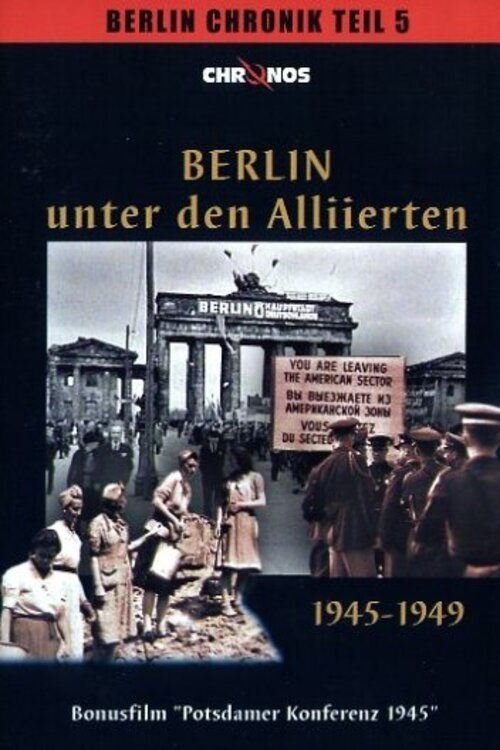
No description available.
Berlin unter den Alliierten 1945-1949
No description available.
Auf den Spuren Ostpreußens im Kaliningrader Gebiet
Occupied Estonia on its way to freedom. Demonstrations, public discussions, a "singing revolution". Goal: more self-determination and autonomy. At a time when almost 50% of the population is Russian, Estonians are fighting to rediscover their nationality. There are protests against Russian paternalism, Estonian is to become the national language again. Relations between the peoples shall normalize in order to enable peaceful coexistence.
Estland im Aufbruch - Eine sowjetische Ostseerepublik sucht ihren Weg
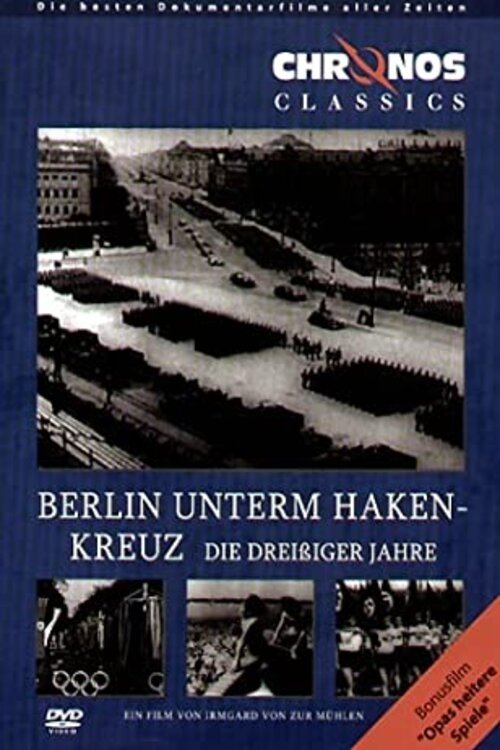
No description available.
Berlin unterm Hakenkreuz - Die 30er Jahre
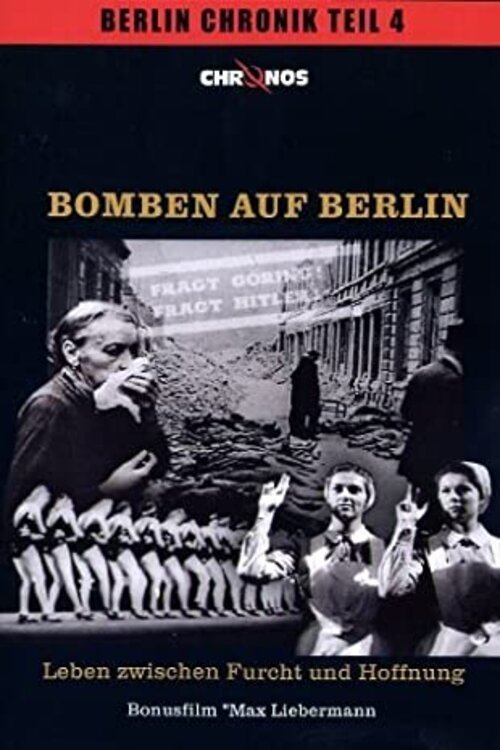
No description available.
Bomben auf Berlin - Leben zwischen Furcht und Hoffnung
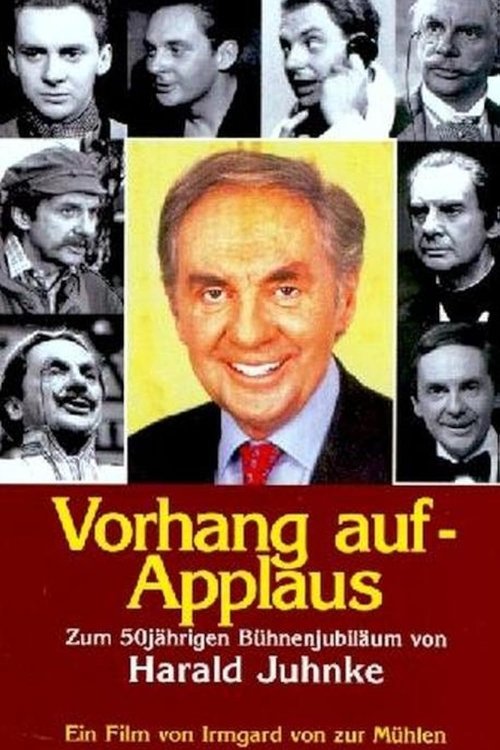
50 years of Harald Juhnke: A documentary about his career
Vorhang auf - Applaus
This documentary is the film record of one of the first Nazi war crimes trials, conducted while the war was still raging. The concentration and extermination camp Majdanek, near Lublin, erected in 1941, was liberated in July 1944. When the Soviet and Polish troops drove the Nazis out of the region, they uncovered the evidence of Nazi genocide. One month later, a joint Soviet-Polish commission heard evidence from survivors and witnesses as to the atrocities that took place, and their testimony is preserved in this film.