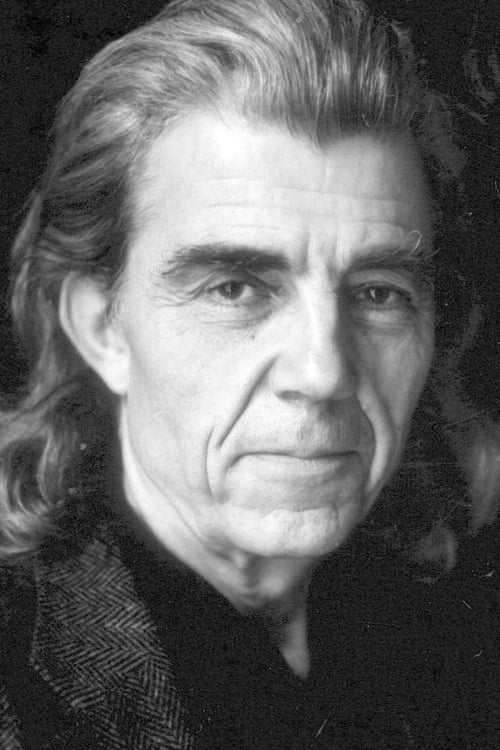
Michael Pilz
Directing
Known For
A cinematographic attempt at a maximum of exertion and a maximum of relaxation based on the thoughts of John Cage, Chuang Tzu and others.
Cage

A group of young people become involved with the kidnap of a local politician with the aim of halting construction work on a nearby nuclear power plant.
Bumerang-Bumerang
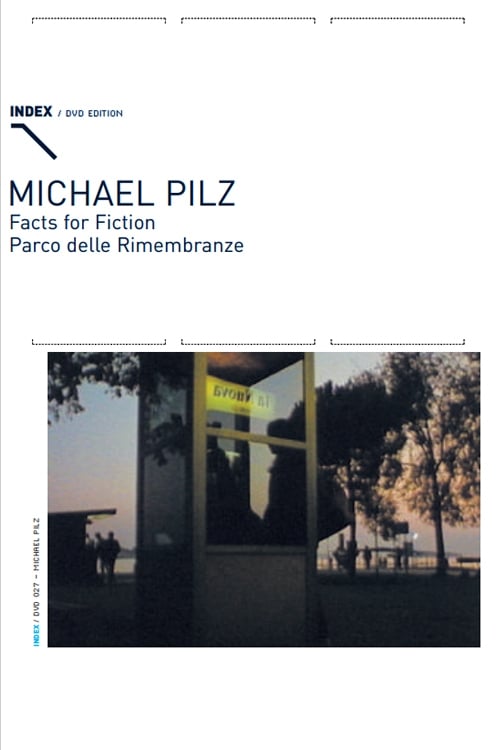
For one night Michael Pilz rides through New York with a remarkable taxi driver, Jeff Perkins. Sitting by his side, looking and listening, sometimes intervening, he uses his handy high-8 camera like a writing instrument, a „camera-stylo“.
Facts for Fiction
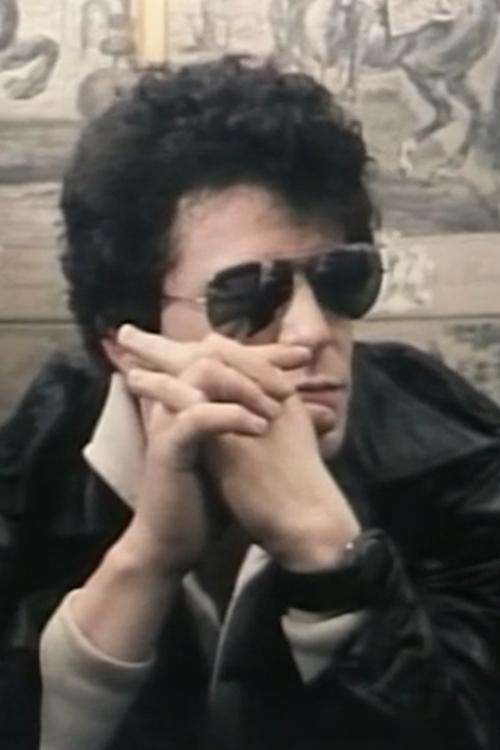
Unusual interview on the occasion of Lou Reed's concert in Vienna . Highly personal, funny and rambling.
How the Ladies Pay (Lou Reed)
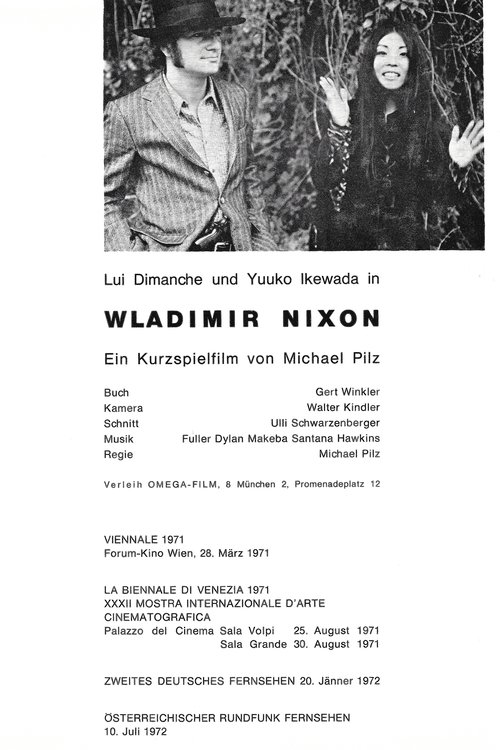
No description available.
Wladimir Nixon
"Deep is the doctrine of events as arising from causes, and it looks deep too. It is through not understanding this doctrine, through not penetrating it, that this generation has become a tangled skein, a matted ball of thread, like munja-grass and rushes, unable to overpass the doom of the Waste, the Woeful Way, the Downfall, the Constand Round (of transmigration)." (Translation: T. W. Rhys Davids)
Paticca-samuppada
A compilation of 16-year-old documentary footage taken by the director while watching rehearsals of three theatre productions of Samuel Beckett's plays at George Tabori's theater Der Kreis in Vienna. The plays were then directed by theatre director Jack Garfein. Pilz watched the rehearsals over a period of six weeks and filmed Garfein's work with the actors, editing the footage more than 16 years later.
That's All There Is
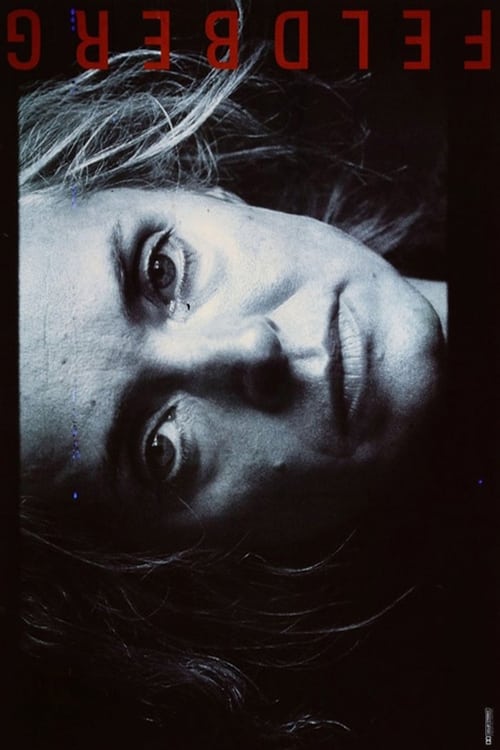
In this evocative work, we hear and see the interactions of a man and a woman in a pristine forest. We gain a sense of intimacy with them and nature. Suddenly we leave the worries of our scattered lives and begin to remember the primal elements of existence: earth, wind, fire, water, people, and creation. This epiphanic process demands patience and an almost meditative state, but it is so worth the effort – just as a journey a mountain meadow requires some effort in order to find its treasures. We leave the traditions of narrative for a more open approach to cinema. There are suggestions and onsets of a storyline, but almost everything remains a mystery for our encountering. This is a film that will allow you to observe and exist, without anxiety, without demands, and it allows you a rare glimpse into the life of things.
Feldberg
In April 2006, my friend Nikolaus Scholz and I flew to Sana'a, the capital of the Republic of Yemen, and traveled to Shibam, the legendary mud-brick skyscraper city, the ancient „Manhattan of the Desert“. Following an invitation of a German development cooperation program, Nikolaus was producing a CD – Jewel of the Valley–, featuring music played by the Shibam District Music and Traditional Arts Ensemble, a group of about 20 musicians. As usual, I filmed whatever caught my eye. It's a very personal travel journal, and despite these enchanting sites, it lets you forget about where you are. A film for meditation. Even though I'm capturing the light, people, und things, it is my way of looking at them that makes itself clear and invites viewers to look at themselves and become aware of their point of view, the subjective nature of perception.
Yemen Travelogue – Days at Shibam and Seiyun

The gentle breath of wind that blows down from the mountains, hangs in the palm leaves, moves them barely noticeably, caresses them and plays with the last rays of sunshine and the shadows that herald the cool evening... and then, out of the imperceptible, but the all-encompassing standstill of time, beauty and silence, quite unexpectedly the crunching run between the bushes obscuring the view over hill and dale, on and on, up to the high stone wall and upon it, until at last in the sound of the surf and the clanking clash of large and small stones widens the eerie darkness of the sea, as far as the horizon and above the first stars flash, as in each of the countless nights since the beginning. (Michael Pilz)
Three Days, My Friend
Parco delle Rimembranze is a film which offers us the opportunity to reflect, to observe and to listen and thereby experience something that happens when we slowly close our eyes and expose ourselves, not yet asleep to dreams, to uncertainness and chance, to unwanted events.
Park of Remembrance
No description available.
Vermischte Nachrichten
Gabriele Hochleitner's camera on Michael Pilz in Khosrow Sinai's – his friend's – home in Teheran, October 2007, during her shootings for her portrait For Some Friends/2008
Teatime Teheran
Originally intended as a four-room media installation, allowing the viewer to "live" the film, come and go, Michael Pilz's essay about South Styrian painter Gerald Brettschuh was adapted to one 751 minutes sequential documentary with three parts and an epilogue. Part 1: The Use of Bodies, Part 2: As-If-Not, Part 3: The Party, Epilogue: Coda
Triptych
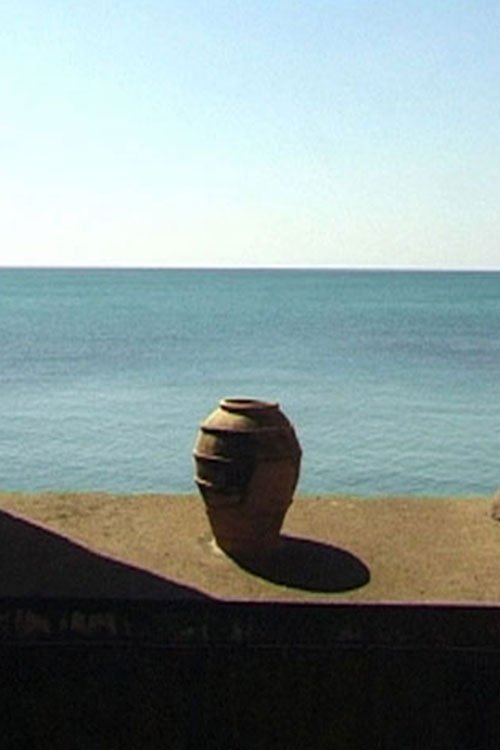
A film for meditation. Images and sounds and the way they are related to each other mark clear, real, sensory experiences and their traces. Sometimes they appear as minimalist riddles. Meaning can only be derived by approaching them in an open and circumspect manner. This very personal work by Michael Pilz, compiled from footage he shot between 1994 and now, gives the viewer a beautiful picture of the way in which he creates his filmic world. The different recordings were originally not connected to each other. Through the re-editing of both the images and the sound, Pilz creates a new filmic reality in which the concept of time comes to a halt or disappears entirely. Art is not about what, but how, according to Michael Pilz.
Windows, Dogs And Horses
If the mind is silent, and is willing to accept what happens, there are some very receptive happenings. So there is actually nothing to fear.
Silence
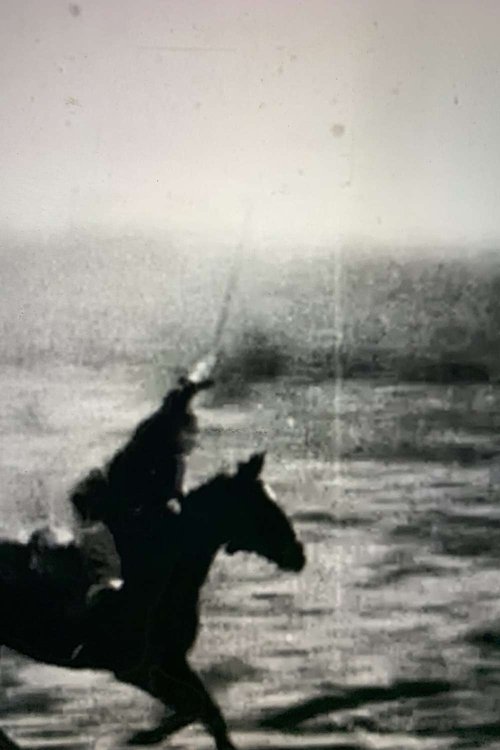
Found footage filmed by Russian soldiers in Vienna in 1945. On the soundtrack is “ The Flat Foot Floogee” with a “Floy Floy,” 1938, by Louis Armstrong and the Mills Brothers. It is also part of “ Das Lied vom Hofer” (1972).
Zero
To this day, a work in progress called 'Curtains' can be found on the extensive website of Austrian maverick master Michael Pilz. The idea was to edit all the curtains shots he ever made in strictly chronological order – as a pars pro toto representation of his oeuvre and philosophy of cinema. With Love – Volume One 1987-1996 developed from this project. How close it is to the original intentions behind Curtains, only Pilz can say. But considering that Pilz's whole life and art is about self-development, discovery and realisation, every film he makes is in its own way another sum total. Each film is a debut as well as a cenotaph for what was so far; in loving memory, for a morrow of love. This development demands encounters with other people; that's the only way to grow. Come along and meet Pilz − and yourself.
With Love – Volume One 1987-1996

This film shot by Michael Pilz between 1964 and 2005 is a meditative documentary in which personal images can be read as the director's way to liberation in the spirit of Eastern philosophy. It is conceived as an inner pastiche which permits the message to be immediate and authentic by mosaic-like blending of motifs and time planes where it seems that the film is the only fixed point in the world because, unlike its elusive nature, it has a clear order.
At First Sight
Actually, Michael Pilz wanted to make his trip to India kameralos, but when he told a girlfriend just before departure, she said only that he would go to the bottom if he can not take pictures. This is how one of the core works in Mushroom's oeuvre emerged, a film of rarely concise elegance about the craft of ayurvedic healing in hyperconcrete and light-flooded pictures, intensively penetrating in the colors, precisely in every glance that seems to have clapped open hands. One has the happy feeling that mushroom would have felt better in those days. ImplicitIndian Diary - Days at Sree Sankara also pays homage to Robert Gardner and his Great Song on the Burning Forks of Benares, Forest of Bliss (1986), whom Fungus loves so fervently as if it were a piece of him - he likes to tell that sometimes when watching the film, he thinks he has shot this or that scene.