FEEL IT.STREAM
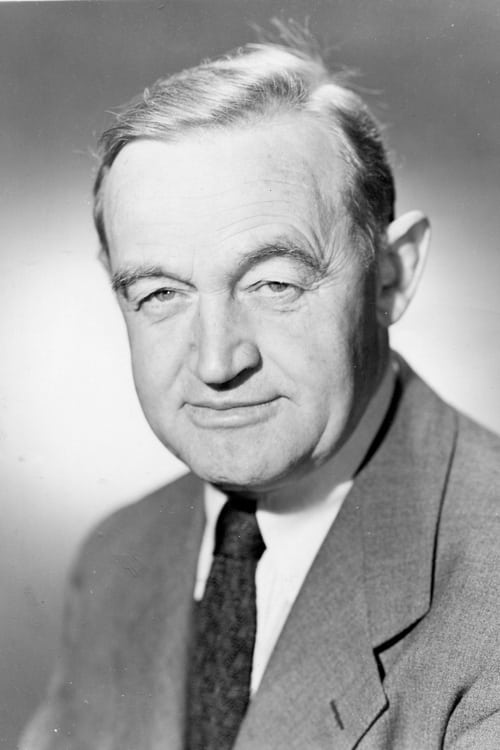
Barry Fitzgerald

Barry Fitzgerald

Acting

Biography

Brother of actor Arthur Shields, with whom he performed in several films, most notably John Ford's The Quiet Man (1952). One of the very few character actors ever to achieve star status. Fitzgerald was the only player ever nominated for the Academy Award for both Best Actor and Best Supporting Actor in the same year for the same role. The recognition was for Going My Way (1944). After he received this double nomination, the Academy immediately changed their rules to prevent this from happening again, rules which have remained unchanged to this day. One of Hollywood's finest character actors and most accomplished scene stealers, Barry Fitzgerald was born William Joseph Shields in 1888 in Dublin, Ireland. Educated to enter the banking business, the diminutive Irishman with the irresistible brogue was bitten by the acting bug in the 1920s and joined Dublin's world-famous Abbey Players. He subsequently starred in the Abbey Theatre production of Sean O'Casey's Juno And The Paycock, a role that he recreated in his film debut for director Alfred Hitchcock in 1930. He was coaxed to the U.S. in 1935 by John Ford to appear in Ford's film adaptation of another O'Casey masterpiece, The Plough and the Stars (1936). Fitzgerald took up residence in Hollywood and went on to give outstanding performances in such films as The Long Voyage Home (1940), How Green Was My Valley (1941), None But the Lonely Heart (1944), And Then There Were None (1945), Two Years Before the Mast (1946) and what is probably the role for which he is most fondly remembered, The Quiet Man (1952). He won the Academy Award For Best Supporting Actor for his portrayal of gruff, aging Father Fitzgibbon in Going My Way (1944). He was also nominated for the Best Actor Oscar for the same role and was the only actor to ever be so honored. Barry Fitzgerald died in his beloved Dublin in 1961.
Known For

The Ed Sullivan Show
6.8

The Ed Sullivan Show is an American TV variety show that originally ran on CBS from Sunday June 20, 1948 to Sunday June 6, 1971, and was hosted by New York entertainment columnist Ed Sullivan. It was replaced in September 1971 by the CBS Sunday Night Movie, which ran only one season and was eventually replaced by other shows. In 2002, The Ed Sullivan Show was ranked #15 on TV Guide's 50 Greatest TV Shows of All Time.

The Ed Sullivan Show

1948
Alfred Hitchcock Presents
7.8

A television anthology series hosted by Alfred Hitchcock featuring dramas, thrillers, and mysteries.

Alfred Hitchcock Presents

1955
What's My Line?
7.0

Four panelists must determine guests' occupations - and, in the case of famous guests, while blindfolded, their identity - by asking only "yes" or "no" questions.

What's My Line?

1950
No image
6.7

Lux Video Theatre is an American anthology series that was produced from 1950 until 1959. The series presented both comedy and drama in original teleplays, as well as abridged adaptations of films and plays.

Lux Video Theatre

1950
Play of the Week
8.0

This syndicated anthology series staged a different play every week covering all genres, dramas, comedies, musicals, fantasies, mysteries, et al, utilizing some of the best talent appearing on Broadway.

Play of the Week

1959
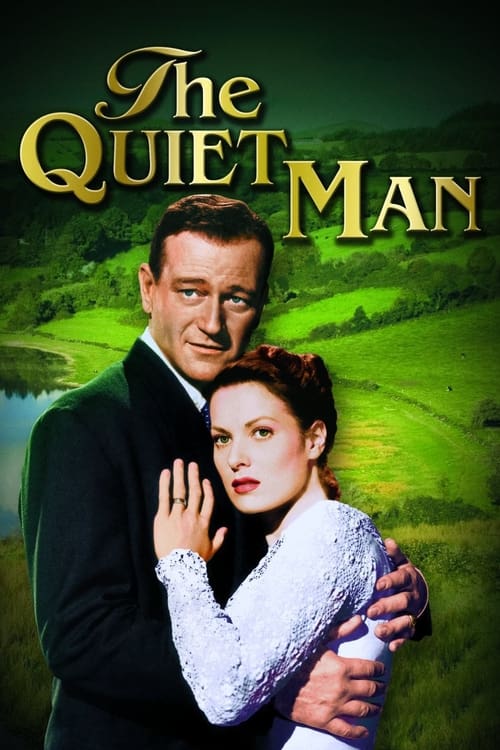
The Quiet Man
7.3

An American man returns to the village of his birth in Ireland, where he finds love and conflict.

The Quiet Man

1952
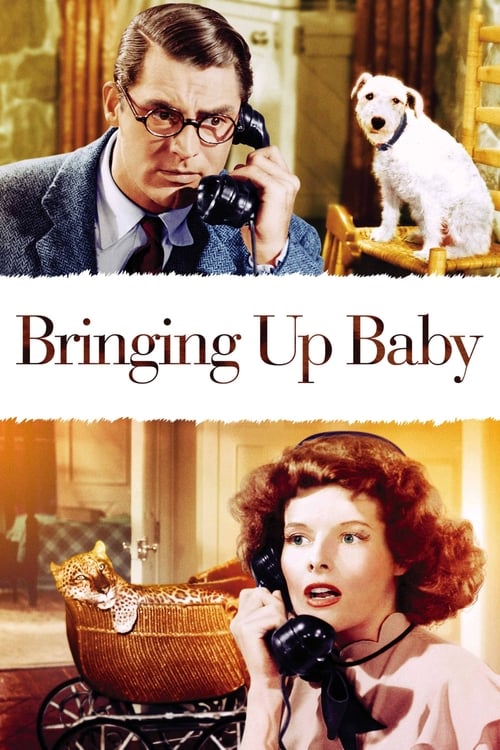
Bringing Up Baby
7.5

David Huxley is waiting to get a bone he needs for his museum collection. Through a series of strange circumstances, he meets Susan Vance, and the duo have a series of misadventures which include a leopard called Baby.

Bringing Up Baby

1938
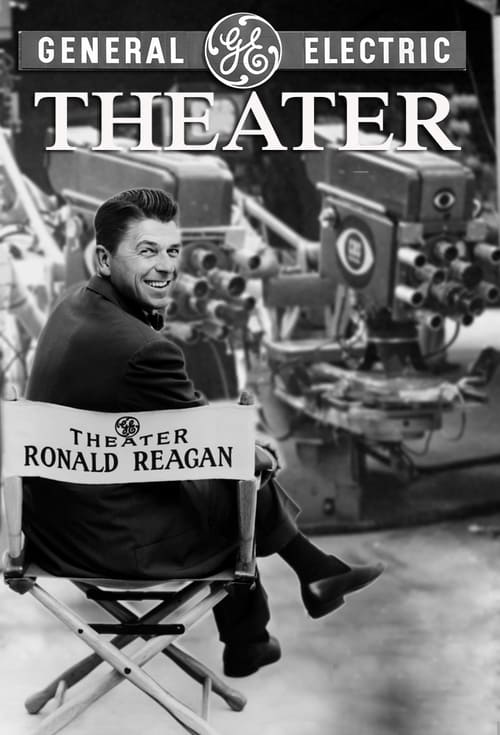
General Electric Theater
6.8

General Electric Theater is an American anthology series hosted by Ronald Reagan that was broadcast on CBS radio and television. The series was sponsored by General Electric's Department of Public Relations.

General Electric Theater

1953
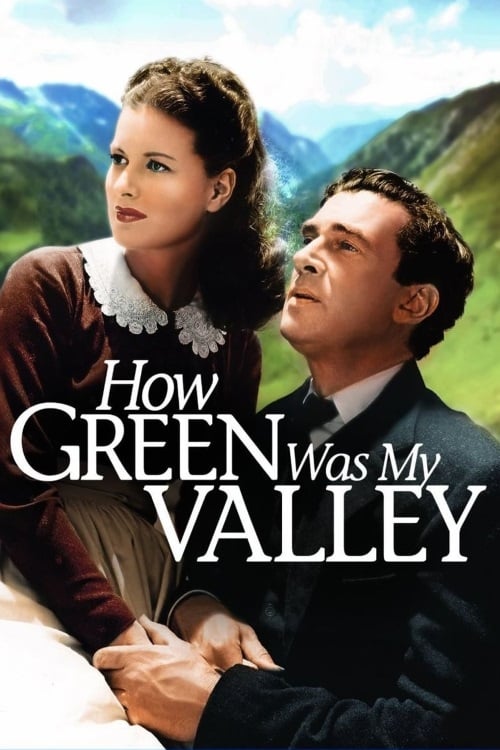
How Green Was My Valley
7.3

Huw Morgan, the academically inclined youngest son in a proud family of Welsh coal miners, witnesses the tumultuous events of his young life during a period of rapid social change. At the dawn of the 20th-century, a miners' strike divides the Morgans: the sons demand improvements, and the father doesn't want to rock the boat.

How Green Was My Valley

1941
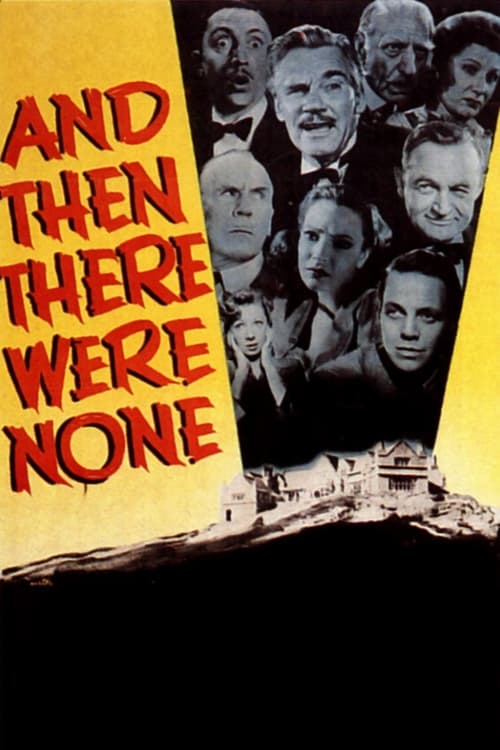
And Then There Were None
7.0

Ten strangers are summoned to a remote island and while they are waiting for the mysterious host to appear, a recording levels serious accusations at each of the guests. Soon they start being murdered, one by one. As the survivors try to keep their wits, they reach a disturbing conclusion: one of them must be the killer.

And Then There Were None

1945
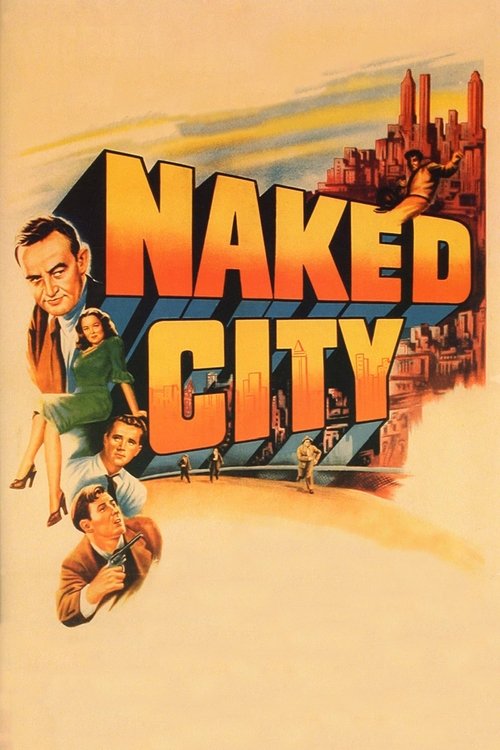
The Naked City
7.2

After a former model is drowned in her bathtub, Detective James Halloran and Lieutenant Dan Muldoon attempt to piece together her murder.

The Naked City

1948
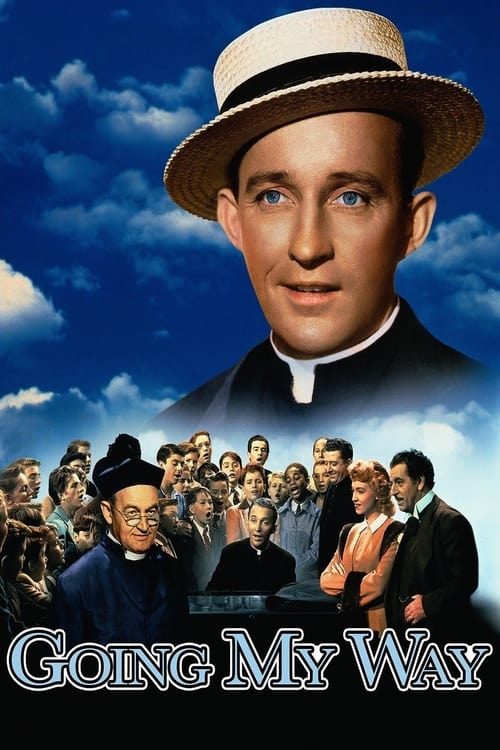
Going My Way
6.7

Youthful Father Chuck O'Malley led a colorful life of sports, song, and romance before joining the Roman Catholic clergy. After being appointed to a run-down New York parish, O'Malley's worldly knowledge helps him connect with a gang of boys looking for direction, eventually winning over the aging, conventional Parish priest.

Going My Way

1944
California
6.8

"Wicked" Lily Bishop joins a wagon train to California, led by Michael Fabian and Johnny Trumbo, but news of the Gold Rush scatters the train. When Johnny and Michael finally arrive, Lily is rich from her saloon and storekeeper (former slaver) Pharaoh Coffin is bleeding the miners dry. But worse troubles are ahead: California is inching toward statehood, and certain people want to make it their private empire.

California

1947
Marie Antoinette
6.6

The young Austrian princess Marie Antoinette is arranged to marry Louis XVI, future king of France, in a politically advantageous marriage for the rival countries. The opulent Marie indulges in various whims and flirtations. When Louis XV passes and Louis XVI ascends the French throne, his queen's extravagant lifestyle earns the hatred of the French people, who despise her Austrian heritage.

Marie Antoinette

1938
Duffy's Tavern
6.4

The staff of a record factory drown their sorrows at Duffy's Tavern, while the company owner faces threats of bankruptcy.

Duffy's Tavern

1945
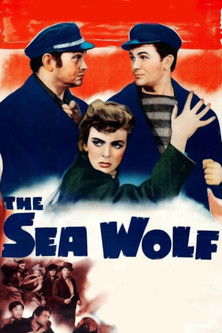
The Sea Wolf
7.2

Shipwrecked fugitives try to escape a brutal sea captain who's losing his mind.

The Sea Wolf

1941
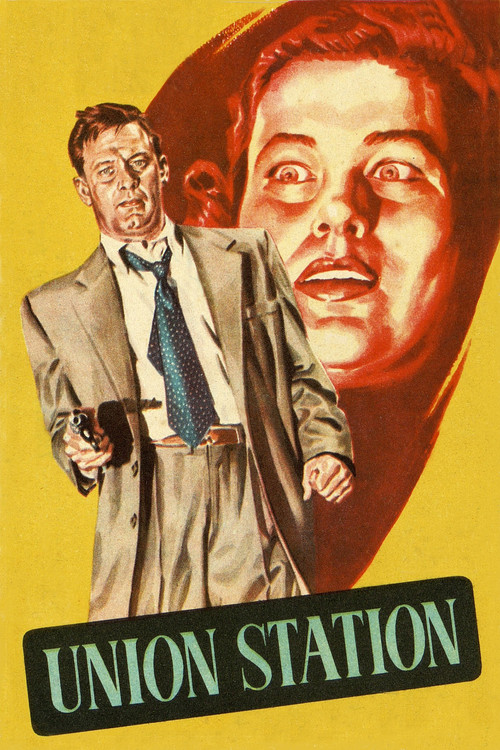
Union Station
6.5

Police catch a break when suspected kidnappers are spotted on a train heading towards Union Station. Police, train station security and a witness try to piece together the crime and get back the blind daughter of a rich business man.

Union Station

1950
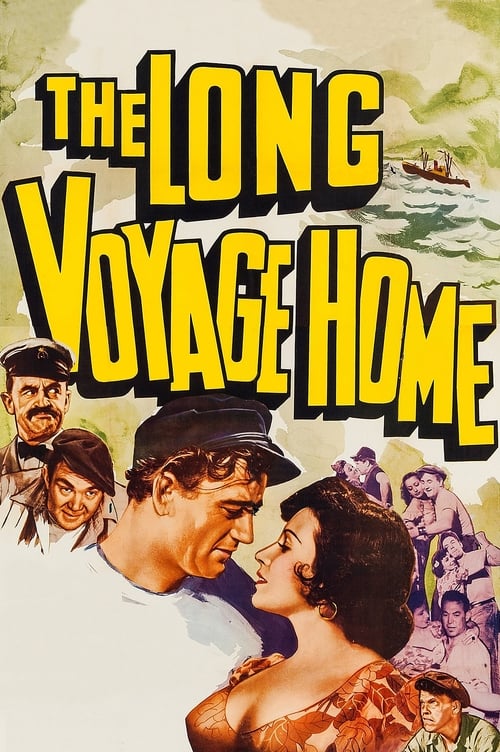
The Long Voyage Home
6.6

The crew of the merchant ship Glencairn hope to survive a transatlantic crossing during World War II. Adapted from four Eugene O'Neill one-act plays.

The Long Voyage Home

1940
The Story of Seabiscuit
6.0

Horse trainer Shawn O'Hara and his lovely niece, Margaret, come to America to escape the memory of an accident involving Margaret's brother, Danny. Working with thoroughbreds in Kentucky, Shawn takes a liking to a yearling named Seabiscuit, and fights to convince the horse's owner that the tiny horse with big knees will become a top-notch racehorse. Meanwhile, Margaret begins a tentative relationship with jockey Ted Knowles, but is haunted by her brother's death in a steeplechase spill. Written by Ray Hamel

The Story of Seabiscuit

1949
The Dawn Patrol
6.8

In 1915 France, Major Brand commands the 39th Squadron of the Royal Flying Corps. The young airmen go up in bullet-riddled "crates" and the casualty rate is appalling, but Brand can't make the "brass hats" at headquarters see reason. Insubordinate air ace Captain Courtney is another thorn in Brand's side...but finds the smile wiped from his face when he rises to command the squadron himself. Everyone keeps a stiff upper lip.

The Dawn Patrol

1938