Acting
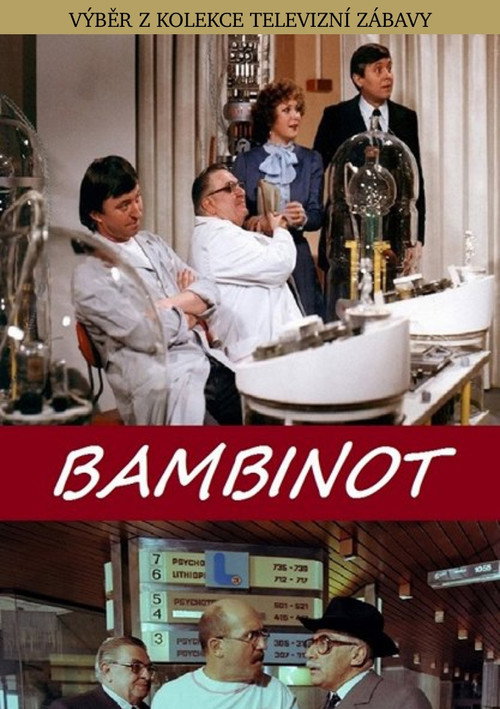
The Bambi, often called the Bambi Award and stylised as BAMBI, is a German award presented annually by Hubert Burda Media to recognize excellence in international media and television to personalities in the media, arts, culture, sports, and other fields "with vision and creativity who affected and inspired the German public that year", both domestic and foreign. First held in 1948, it is the oldest media award in Germany. The trophy is named after Felix Salten's book Bambi, A Life in the Woods and its statuettes are in the shape of the novel's titular fawn character. They were originally made of porcelain until 1958, when the organizers switched to using gold, with the casting done by the art casting workshop of Ernst Strassacker in Süßen.
No description available.
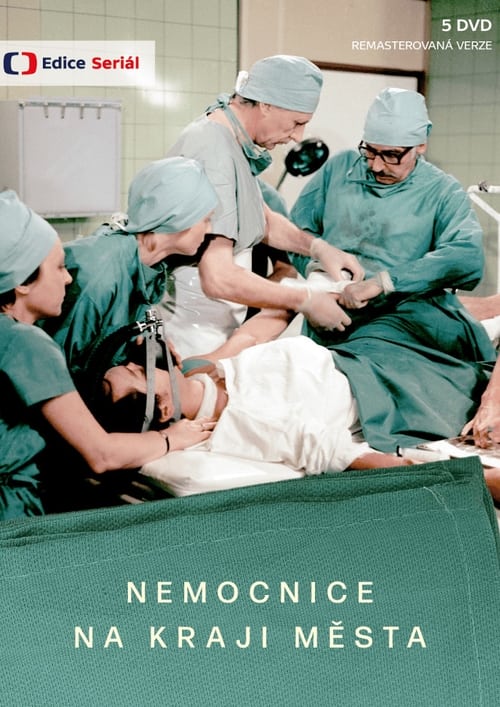
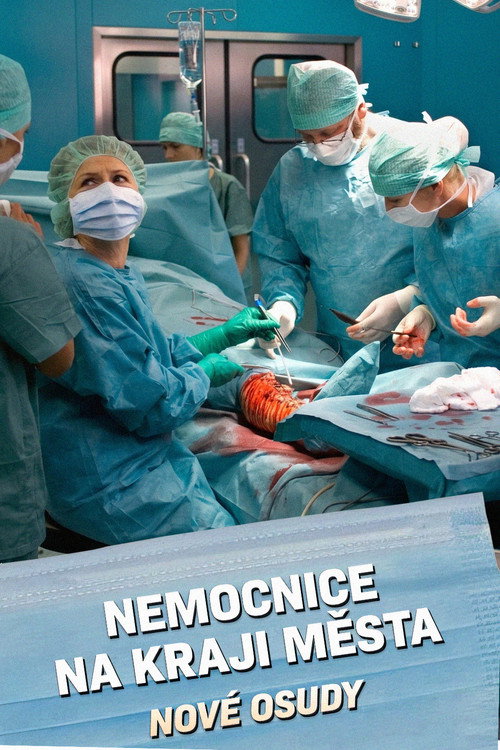
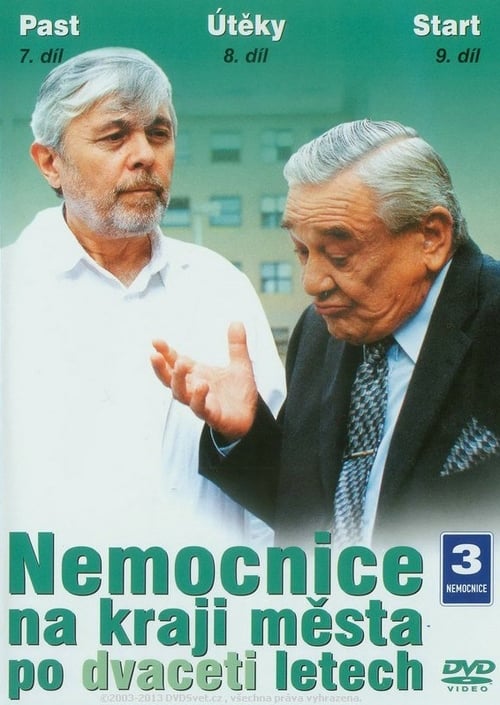
Hospital at the End of the City is a popular television series first released in Czechoslovakia in 1977, it featured an ensemble cast and received much viewer praise in central Europe. The series ran from 1977 to 1981 for a total of twenty episodes. The success of the series inspired the German television series The Black Forest Clinic.
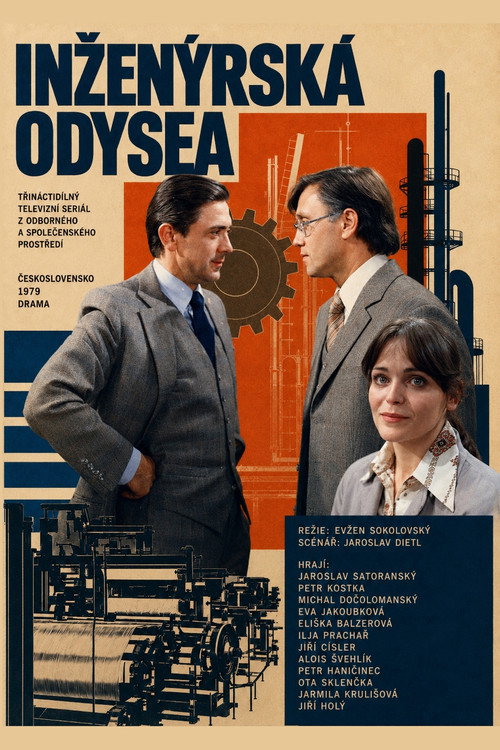
Inženýrská odysea is a Czechoslovak/Czech TV series about three young students and their lives.
When Herra, a young Czech woman, falls in love with Nazir, an Afghan, she has no idea what kind of life awaits her in post-Taliban Afghanistan, nor of the family she is about to integrate into. A liberal grandfather, an adopted child who is highly intelligent and Freshta, who would do anything to escape her husband's violent grip.
This is the story of an ambitious television presenter who became very well known and respected thanks to his regular show. He invites leading personalities, including respected politicians, to his talk show OPRAVDU? (REALLY?). Because he prepares very carefully for these interviews and his questions are almost entirely without taboos, his show has high ratings, and Petr himself has considerable moral credibility (thanks in part to his unblemished past).
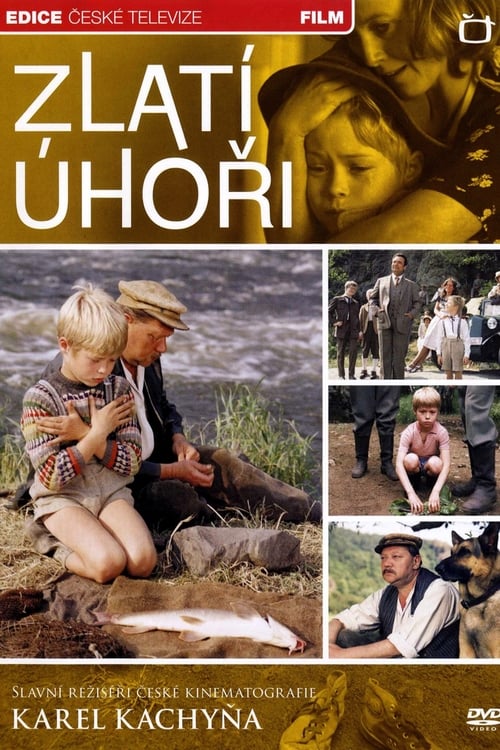
A little boy, named Prdelka, traveled with his father from Prague to the country during the Second World War. There, the boy became friends with a local fisherman and learned to catch the golden eels. Eventually, his father and mother were arrested by the Nazis and the boy stayed with the fisherman.
Josef is looking forward to finally fulfilling his old dream of becoming a street clown after retirement. With his charm, he charms even the vigorous Maruška, the owner of the mobile cafe. It's like the two of you have been looking for each other all your life. But isn't it a little late for fateful love? In addition, his daughter Anička and five-year-old Honzík are currently moving into the villa with Josef. She thinks she's done with men for good, but meeting her old love, Pavel, hits her in the heart. A new girl, Evička, joins Honzík in kindergarten. Honzík experiences the feelings associated with love for the first time, he does not fully understand them, so he gathers advice from his mother, grandfather Josef or sympathetic uncle Karel. He also meets love in kindergarten when he falls in love with Honzík's teacher, Eliška. And to add to the rapprochement, Karl's basset Váleček gets along very well with Elišča's basset Šalina.