Paula Gaitán
Directing
Biography
Paula Gaitán is a french-colombian filmmaker, based in Brazil. She was married to the film-maker Glauber Rocha and made her debut as art director of the film The Age of the Earth (1980), a success at the Venice Film Festival. She currently directs experimental and monumental films.
Known For

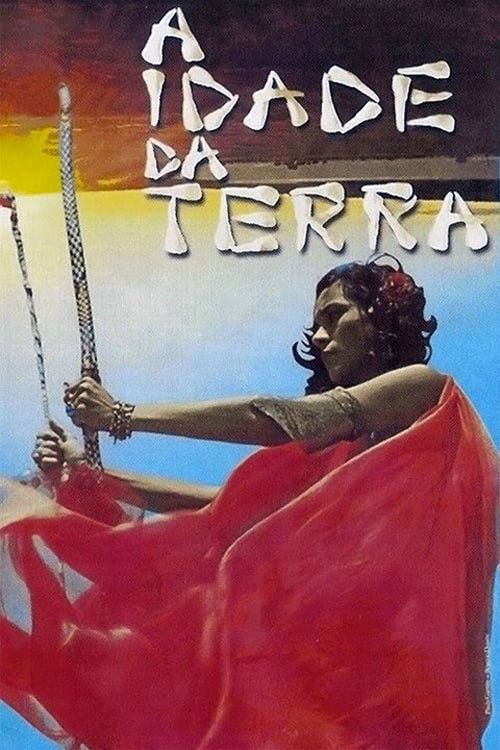
Drawing inspiration from a poem penned by Castro Alves, this film vividly captures the political, cultural, and intellectual climate of Brazil during the late 1970s. At its core, the story revolves around four distinctive embodiments of Christ's image: a black man, a soldier, an Indian, and a guerrilla fighter. These courageous individuals, hailed as the harbingers of doom in the tupiniquim lands, valiantly combat the insatiable avarice and oppressive "civilizing" brutality propagated by the formidable John Brahms—a foreign exploiter devoid of morals.
The Age of the Earth
A couple of filmmakers facing difficulties to make a film in the midst of an economic crisis, affecting the relationship between them.
Amenic - Entre o Discurso e a Prática

Music about becoming women in the contemporary world, their emancipation and struggles
Elza Soares: A Mulher do Fim do Mundo

Documentary about Brazilian filmmaker Glauber Rocha, one of the most important names in the Cinema Novo, with interviews with some of his friends and colleagues.
Glauber Rocha - The Movie, Brazil's Labyrinth

After Lucía and Jorge break up, she starts dating a friend, and he starts dating an old crush. But will they find their happy ending?
Girl Meets Boy

For the 30th anniversaire of FIDMarseille about thirty directors have done us the honor of offering us some very beautiful short films.
30th anniversaire of FIDMarseille

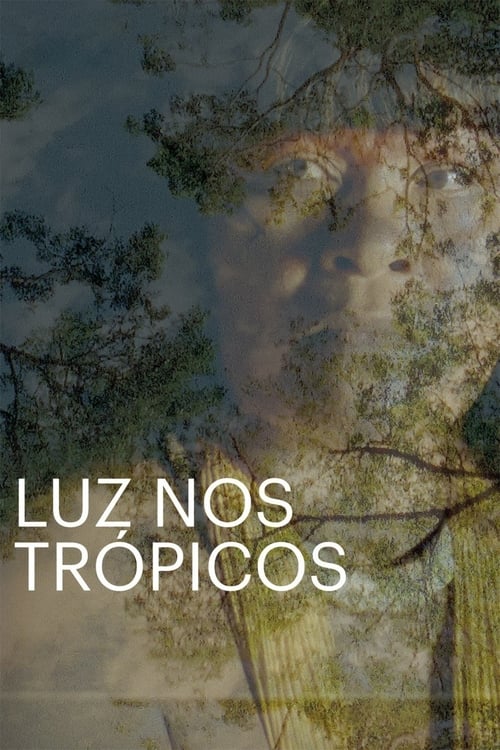
A film like a monument: Luz nos Trópicos is a tribute to the rich greens of the Amazon and the forests of New England in winter, celebrating the indigenous peoples of continental America and flowing as a film as freely as a winding river.
Light in the Tropics
No description available.
Mais Luz

No description available.
No Tempo de Glauber
A behind-the-scenes look at the making of Glauber Rocha's 1980 production "A Idade da Terra" (The Age of Earth), including unedited clips taken from the sixty hours of recovered raw footage.
Anabazys: O Terceiro Testamento de Glauber Rocha

Using home movies and other media, a filmmaker returns to Sintra, Portugal to search for memories of her late husband, Brazilian filmmaker Glauber Rocha.
Days in Sintra

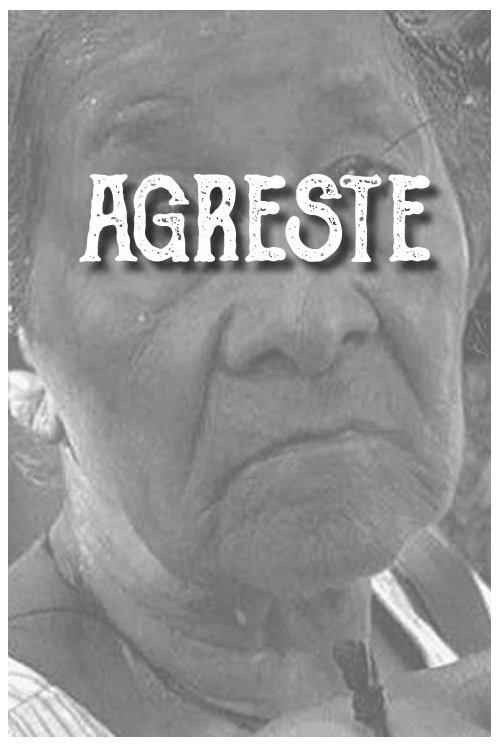
Drylands could be anywhere, just as Marcélia Cartaxo could be many women (including herself). The actress is placed in a situation in which she encounters nature and other female figures, in some instances, her doubles. Out of these encounters spring other possibilities that operate in the world of representation, which, in the film originate from the same imaginary power as children's games in empty lots.
Agreste

A reflection on the works and thinking of the last years of production by Torquato. Such as the magazine "Navilouca", the film "Terror da Vermelha", the column "Geleia Geral" and the controversial Cinema Novo X Marginal, among other passages important aspects of Brazilian culture in the 60s and 70s.
Torquato, Imagem da Incompletude

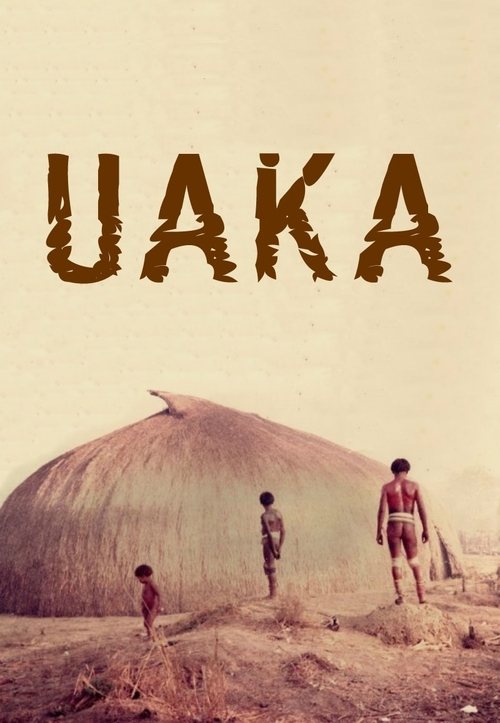
In Xingu, the Quarup - a great festive event in which men steal the divine fire, spreading it over the earth - is celebrated every year in the Kamaiurá village. Nine tribes take part in the ritual to the sound of uruá flutes, where the pajés (shamans) Tucuma, Sapaim and Prepori, among others, are present.
Uaka

New York City attracts Jane and Carlos, like so many others, with the promise of a better life. That's why they've left their home country, Brazil. Yet as immigrants, they don't have all the opportunities that the American dream implies. Their search for a new and better life represents that of all the immigrants who dare to attempt a fresh start in another country. It is also the story of changes taking place in United States and Brazil. The fictional story about Jane and Carlos in this experimental film is intertwined with the personal experiences of the film team, which reports in interspersed episodes about their own immigration and that of others they've researched.
Calidris

Reviewing home videos, filmmaker Paula Gaitán constructs a curious narrative about her youth while talking to her children. A filmic note in the form of an essay based on material made in Super 8. "Of which there are no limits, and full of affection and imagination", says the author.
Memória da memória

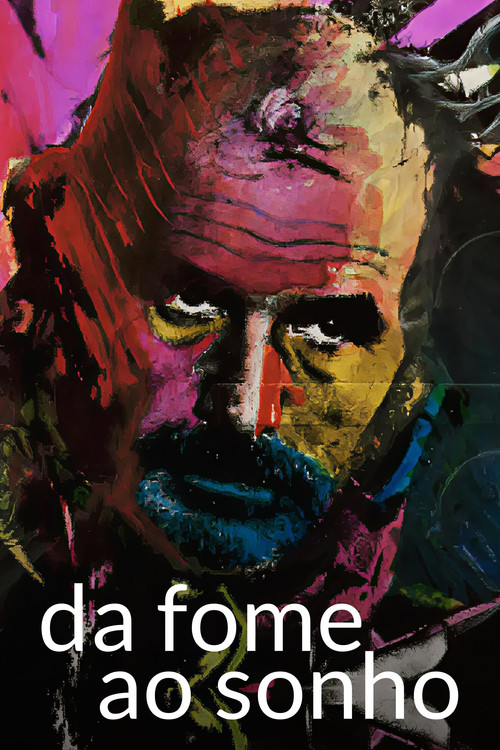
Filmmaker Paula Gaitán and Richard Peña, a professor at Columbia University and former director of film programming at Lincoln Center, delve into the manifestos of Glauber Rocha, revisiting the Aesthetics of Hunger and the Aesthetics of Dreams to reflect on the revolutionary power of cinema.
Da Fome ao Sonho

She menage to save from a fire a bunch of pictures and a diary written by hand. Those words and faces becomes the last traces left from the man she one day knew and loved. Crossing mountains and roads, she tries to remake his steps. The places she vists bring people, gestures, memories and histories that slowly become part of her life.
The Volcano Exiles

A documentary about actress brazilian Maria Gladys, a strong presence in films by Júlio Bressane, Rogério Sganzerla among others.
Life

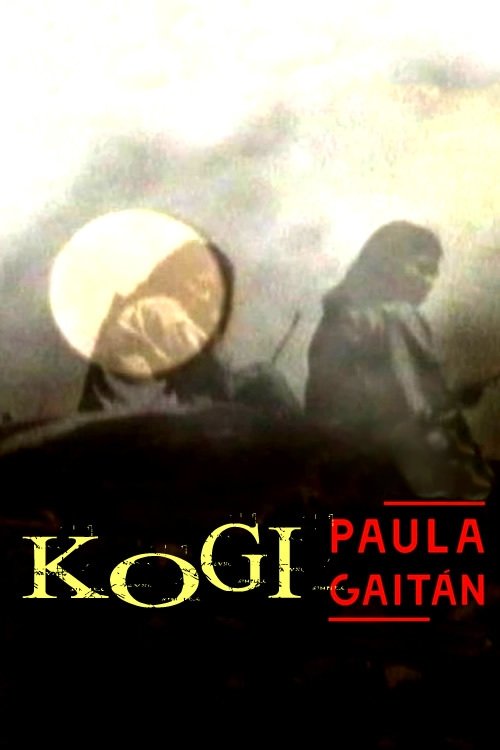
For the KOGI Indians, there is a great mirror that divides two worlds, the perceptual and the sensory. The abstract world of meanings is not what we sensorially perceive, but the world of what the KOGI call "aluna." This world is what gives meaning to the destiny of life.