Acting
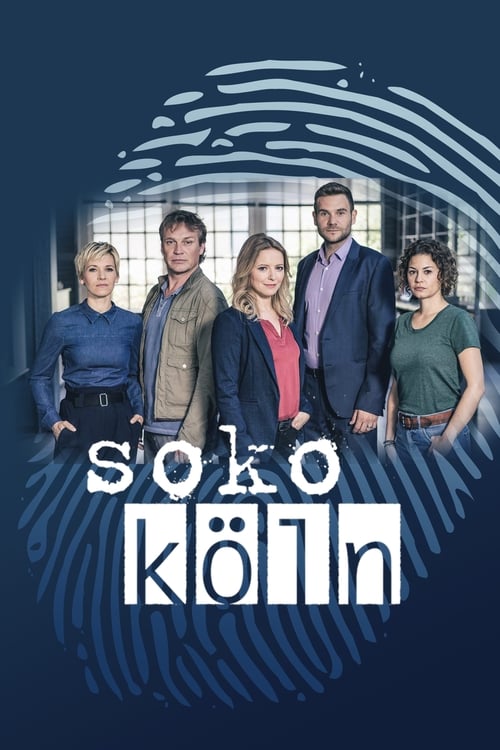
The SOKO Köln investigates the cathedral city with humor and often with hard work. Their cases take them into a variety of environments, from the Cologne clique to the terraced housing estates on the outskirts of the city.
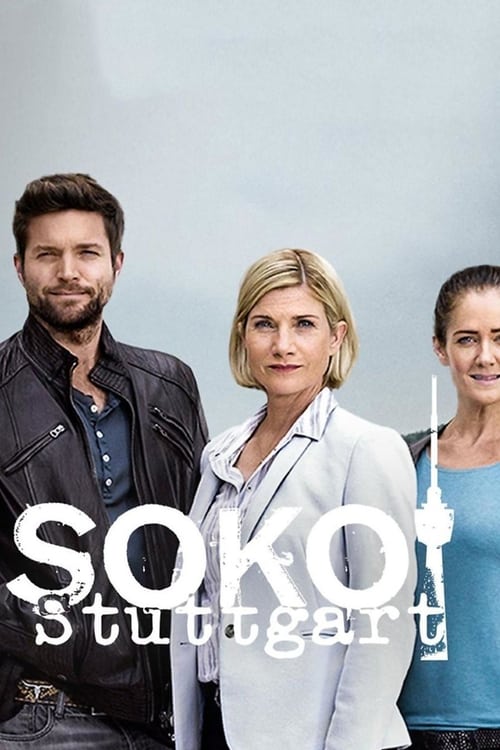
The SOKO Stuttgart team investigates analytically and with sensitivity in the likeable state capital. The exciting cases of the series lead them to bizarre crime scenes and to different milieus.
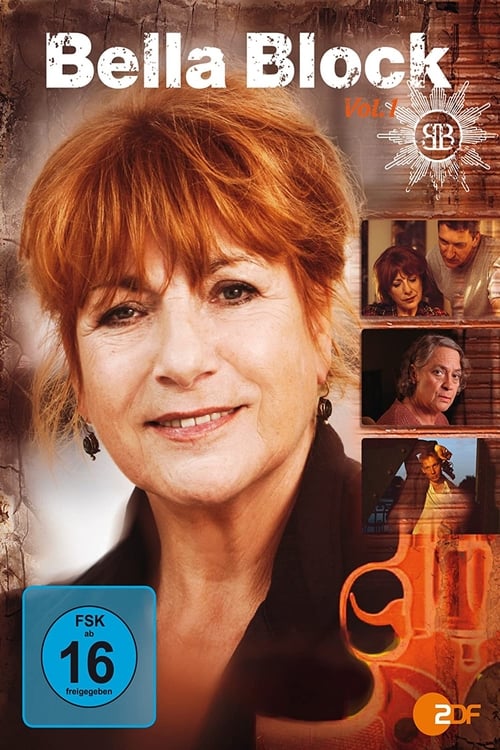
Bella Block is a long-running German detective television series starring Hannelore Hoger, first broadcast in 1994 on ZDF. In 2010 the 30th series was produced.
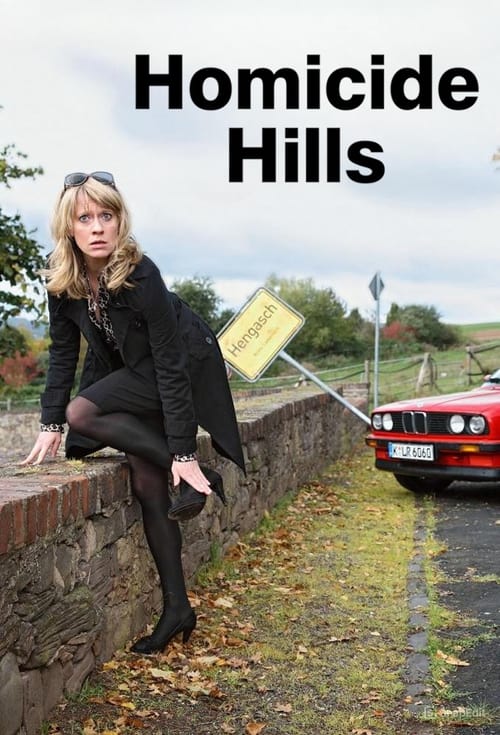
Mord mit Aussicht is a German satirical crime comedy television series, produced by ARD, following the adventures of Sophie Haas, a detective from the city that takes a job in the fictional country village of Hengasch. Much of the humour of the series derives from the clichés of both city and provincial lives, in a similar manner to the English comedy crime series Midsomer Murders.
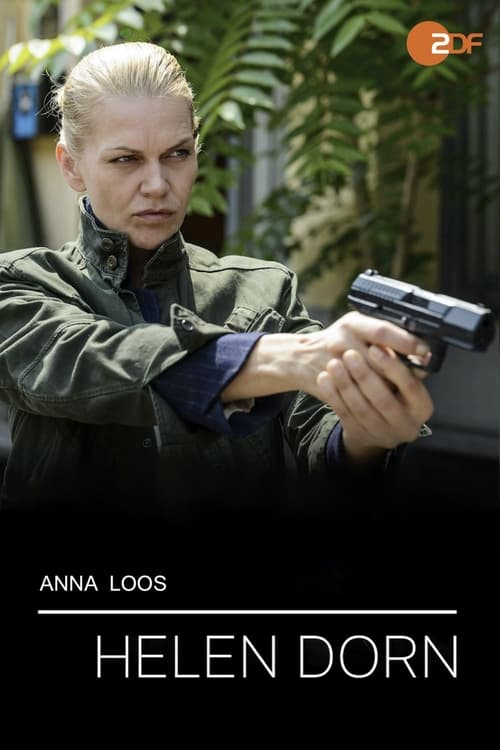
Helen Dorn is an expert Police Commissioner, who’s years of experience have given her killer instinct when it comes to crime. On the department head’s orders, Helen Dorn become involuntary partners with Detective Chief Superintendent Gregor Georgi, with Helen in the role of Georgi’s superior. After initially ruffling some feathers, as Gregor thought he was about to take over a case as head investigator and not confronted with a new superior, the two prove to be a solid pairing: Helen’s famed intuition is matched by Gregor’s rational analysis and precision. But will he be able to unearth her mysterious past?
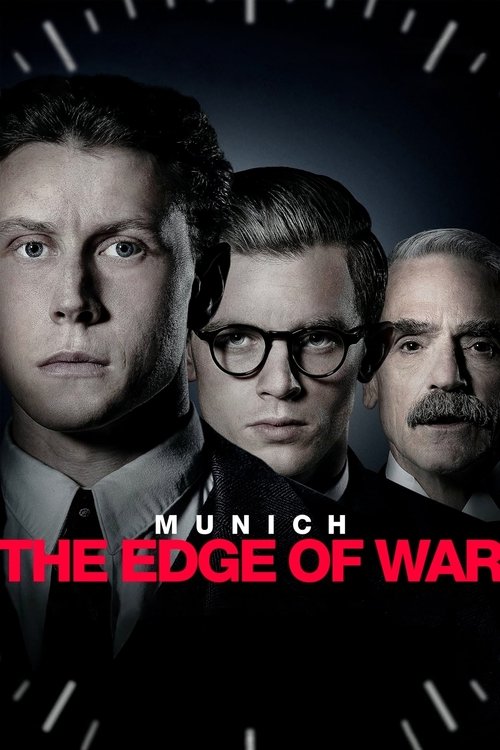
At the tense 1938 Munich Conference, former friends who now work for opposing governments become reluctant spies racing to expose a Nazi secret.
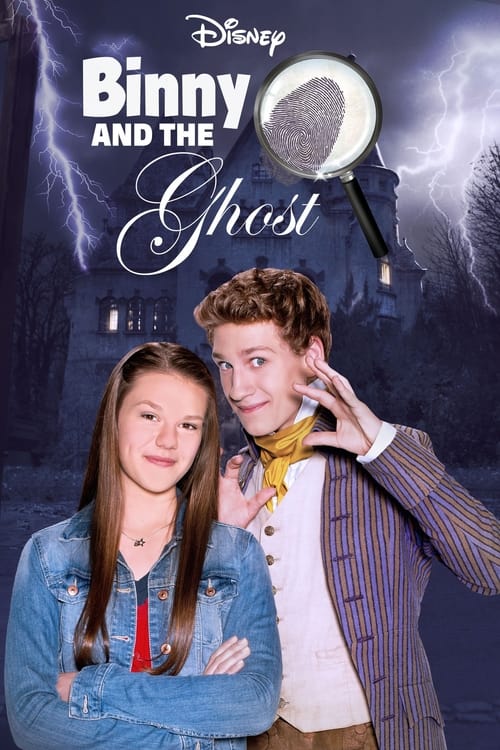
When Binny moves to a new house with her parents in Berlin, the spirit of a fourteen-year-old becomes her roommate. Binny needs to help the ghost in uncovering mysteries about his past and identity.
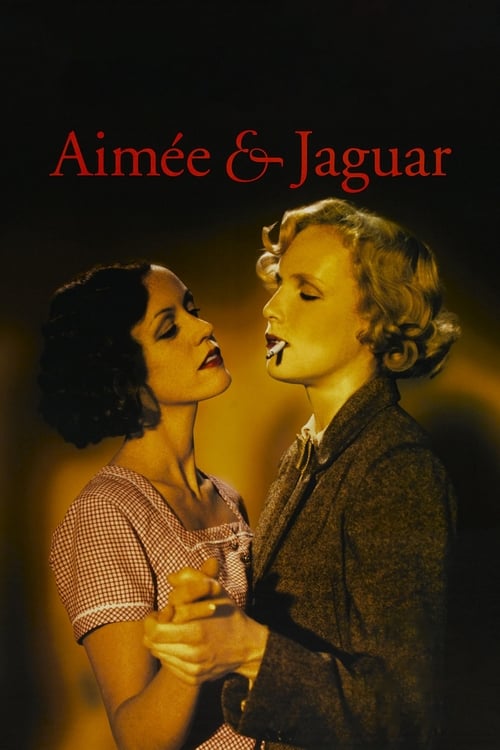
In 1943, while the Allies are bombing Berlin and the Gestapo is purging the capital of Jews, a dangerous love affair blossoms between two women – one a Jewish member of the underground, the other an exemplar of Nazi motherhood.
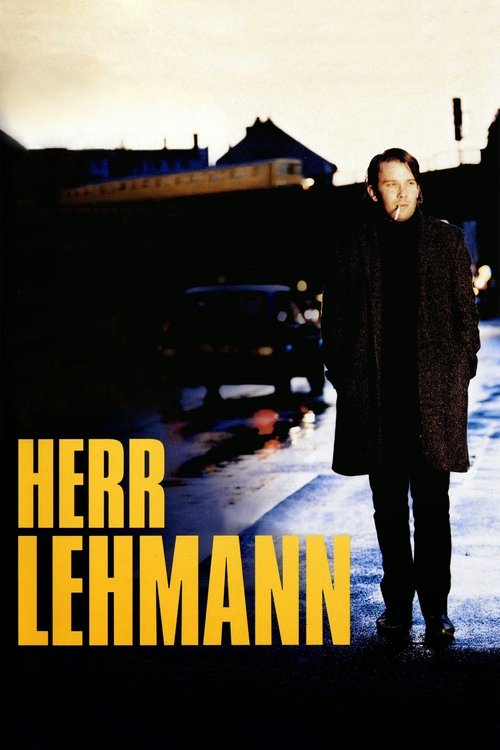
In October 1989, the part of the West Berlin borough of Kreuzberg called SO 36, had been largely shut off by the Wall from the rest of the city for 28 years. A lethargic sub-culture of students, artists, bohemians and barflys had flourished among crumbling buildings. Part of that microcosm is barkeeper Frank, semi-formally called 'Herr Lehmann' by friends and patrons. He hangs out drinking, sports utter disregard for anything beyond SO 36 and lazily pursues an affair with cook Katrin. His lifestyle is gradually disturbed, when his parents show up for a visit, things go awry with Katrin and his best friend Karl starts to act strange. Meanwhile, political turmoil mounts on the other side of the Wall.
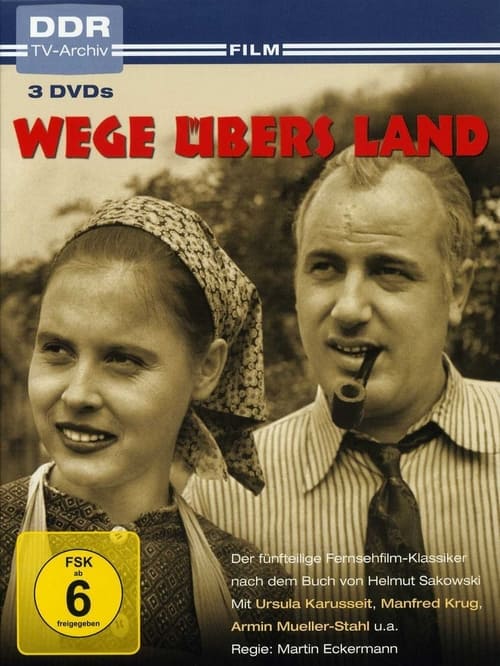
East German TV miniseries about the young maid Gertrud Habersaat, who marries, moves from Mecklenburg to Poland in the early 1940s, has to come back to Mecklenburg as a refugee during World War II and finally finds her place during the 1950s.
In the little town of Herzsprung - whose name harks back to an ancient legend of broken hearts - almost nothing has changed since German unification, except a rise in unemployment. Johanna, a young mother and widow, becomes one of the unemployed and lives on welfare. To make matters worse, she falls in love with a dark-skinned, roving adventurer and the whole village starts talking about it.
Jutta and Eric were once lovers and aspiring chefs in the Spree Forest region of East Germany. Too prone too brilliant but risky improvisation, Jutta fell into obscurity; Eric defected to the West and became famous. Now he has returned to enlist her aid of crucial cooking contest - does this portend rekindled romance or cynical exploitation?
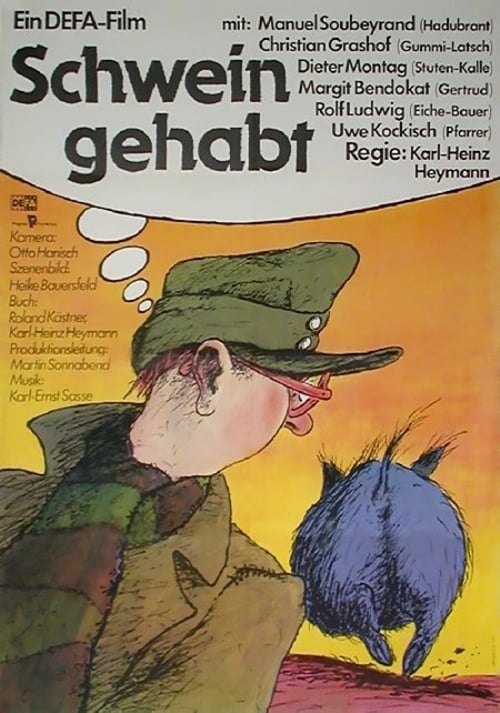
In the winter of 1945/46, new teacher Hadubrant is tricked by Olly, the 14-year-old daughter of his landlady, into stealing a wild boar. It has fallen into Olly's trap, but as game is the property of the Soviet army, Hadubrant wants to put it to good use: school meals. But others in the village are also interested in the pig. The mayor wants it to fulfill his meat plan, the priest wants to swap it for coal to heat his church, the policeman wants to return it to its rightful owner, and some simply want to eat it. The pig keeps disappearing in mysterious ways. Hadubrant's commitment to his charitable cause finally earns him a delegation to the district town for "higher duties".
A lighthearted look at the opening of the border crossing of Bornholmer Straße in Berlin from the point of view of the confused border guards.
German adaptation of the Ibsen play, filmed live at the Deutsches Theater (Berlin).
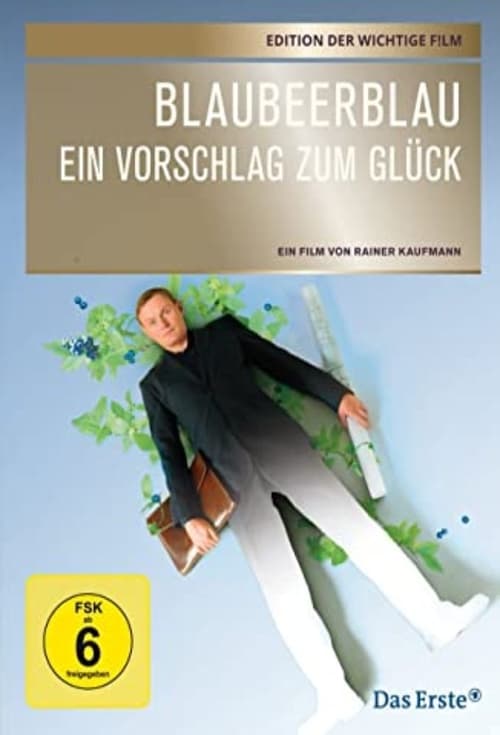
When Fritjof Huber, who works in an architectural office in Munich, is sent to a hospice for the dying to take measurements, his knees shake. He is afraid of meeting people who are about to die. Yet Fritjof himself has not yet really begun to live.
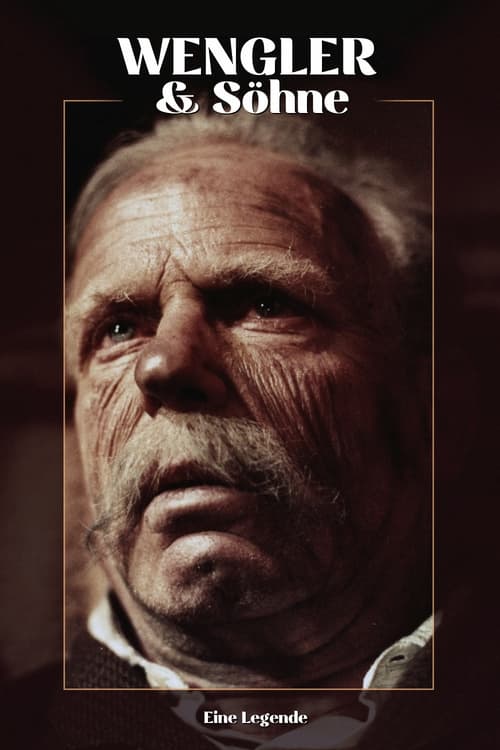
A story spanning three generations, from 1871 to 1945. When Gustav Wengler, a farmer’s son, returns from the Franco-German war in 1871, he goes to work for a precision mechanics and optical company, where he soon becomes a master craftsman. Wengler loyally promises the owner on his deathbed that his sons and grandsons will also stand by the company.
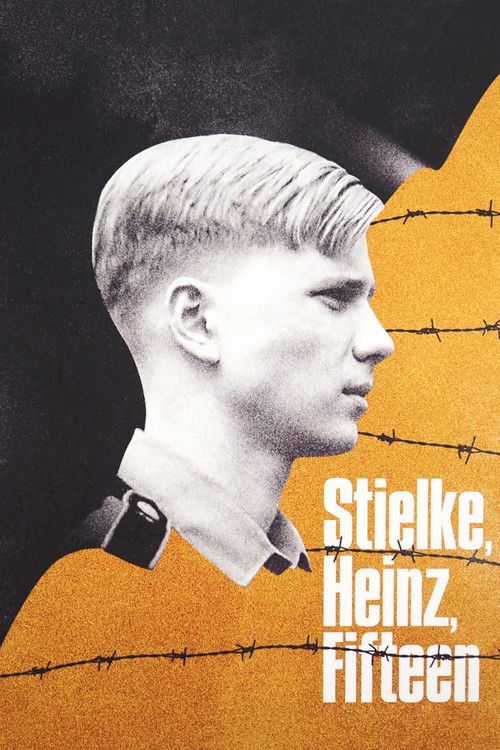
Fifteen-year-old Heinz Stielke is a Hitler Youth fanatic who is devastated to learn a hidden truth about his respected father who was a German officer in WWII: He was Jewish. Pushed out of his community after the discovery, young Heinz falls into a tailspin of alienation and anger. He is subsequently thrust into a series of social collisions across the war-torn German fatherland.
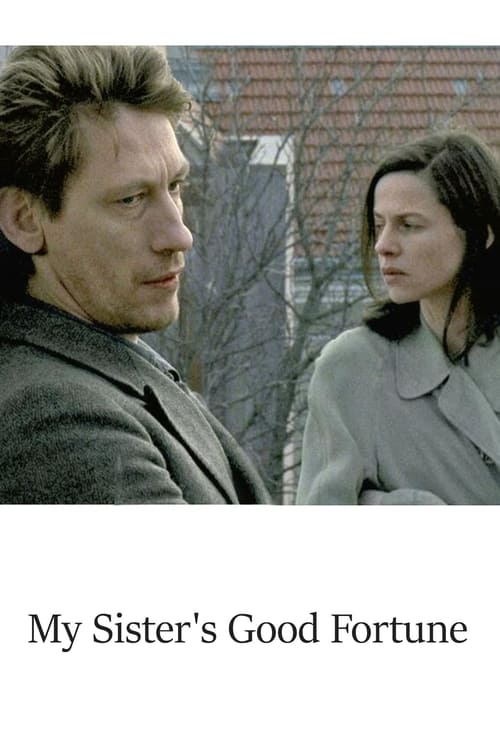
A young photographer has fallen in love with his girlfriend's sister, throwing the trio into chaos.
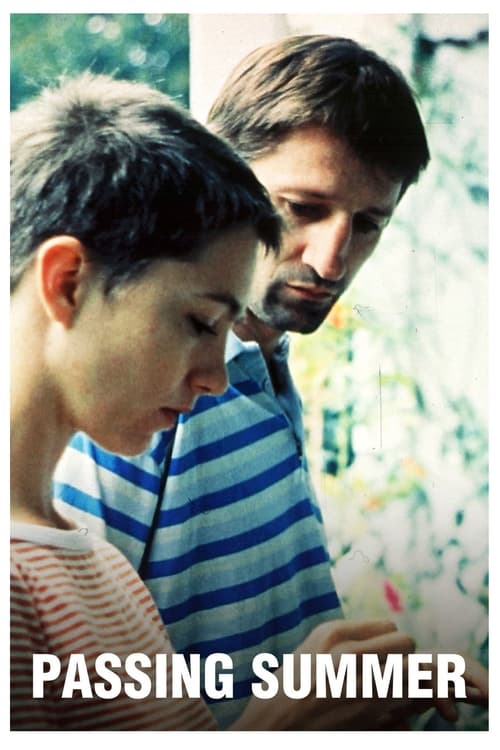
A woman faces a variety of emotional crises as she spends the summer interacting in various ways with friends, family, and lovers.