
Lívia Gyarmathy
Directing
Biography
Lívia Gyarmathy (8 January 1932 – 25 May 2022) was a Hungarian film director and screenwriter. She has directed over 20 films since 1962. She was a member of the jury at the 40th Berlin International Film Festival. Her graduate thesis film is the noted documentary 58 Seconds.
Known For
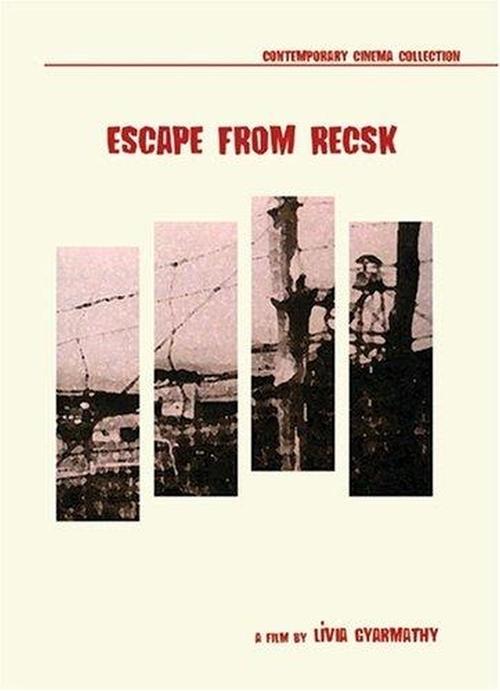
Budapest, 1948. Gyula Molnár, interpreter to the Supervisory Committee of the Allied Powers, is carried away from a party by plain-cloth police investigators. Recsk, 1950. Molnár, having attempted an escape and with a wound made by a bullet in his neck - is doggedly trying to get into the brigade of brick-layers, as escape is easiest from there.
Escape
This sour satire records how narrow-minded, perishable and prejudiced human relations are. Lili, an open, good-hearted, but clumsy girl gets a rusty Renault Gordini from her uncle living in France. She wants to learn driving, but makes horrible and perilous mistakes behind the wheel.
The Car
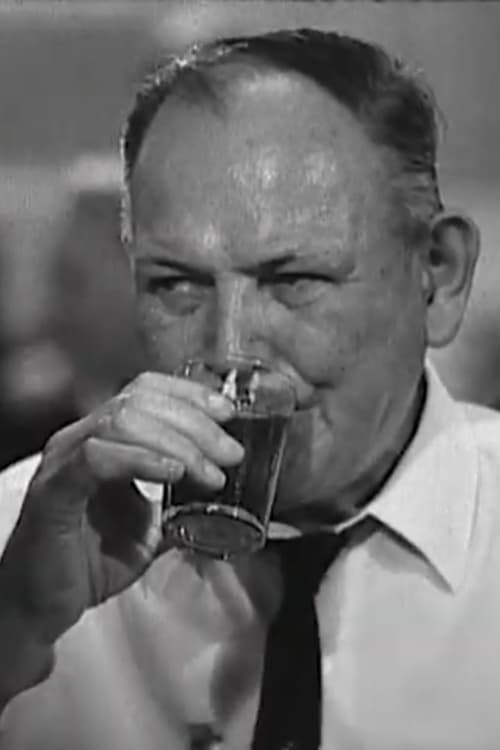
Everyone is reaching retirement age. Some are happy to go, others regret that their active phase of life is over. The reporter asks retiring postmen and postwomen about the farewell they are now receiving at work. And they tell their stories. They tell us why they love their jobs, the relationships they've built up over the years with the people they've met on the job, and how much they'll miss WORK...
Tisztelt cím!
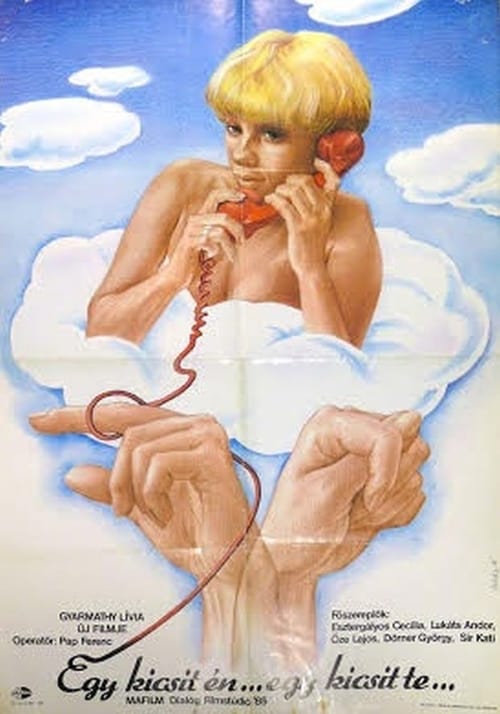
Three generations live side by side. The wilful, jack-in-all-pots grandmother blackmails the family with fake faintings, while grandpa suffers from cerebral sclerosis. Mother manages a fashionable hotel, she needs to look smart and unyielding, even when their weird uncle drives into the restaurant drunk. Father is an introverted, solitary teacher, who from time to time turns the home inside out in pursuit of his hobby, i.e. topography, and his mental balance. Suddenly unexpected things come to light about their teen-age daughter, Juli.
Now It's My Turn, Now It's Yours
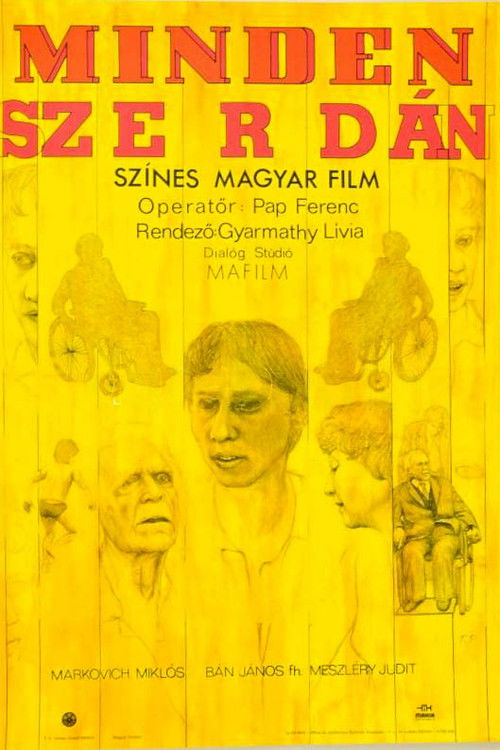
Stephen, living in a troubled family, breaks into a grocery store and wreaks vandalism. He is sent to a reform school. Later he works in a cleaning brigade and accidentally meets József Draskóczi, who denounced him. Draskóczi lives in an unloving, troubled atmosphere with his barren daughter and cynical son-in-law, ascetic about his youthful communist beliefs. He feels responsible for Istvan's fate, offering him a human voice and love. Despite his daughter's hysterical jealousy, he sends Istvan to school and then, through his previous connections, provides him with an apartment...
Minden szerdán
No description available.
A tranzitutas
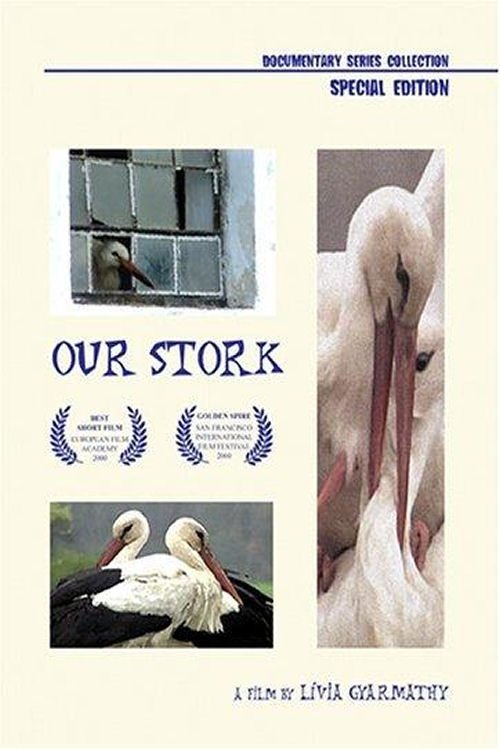
Our Stork is a unique story, which tells us about the distinctive relation between man and animal. This award-winning documentary tells the story of a stork that has stayed behind when its mates left for their long journey to Africa.
Our Stork
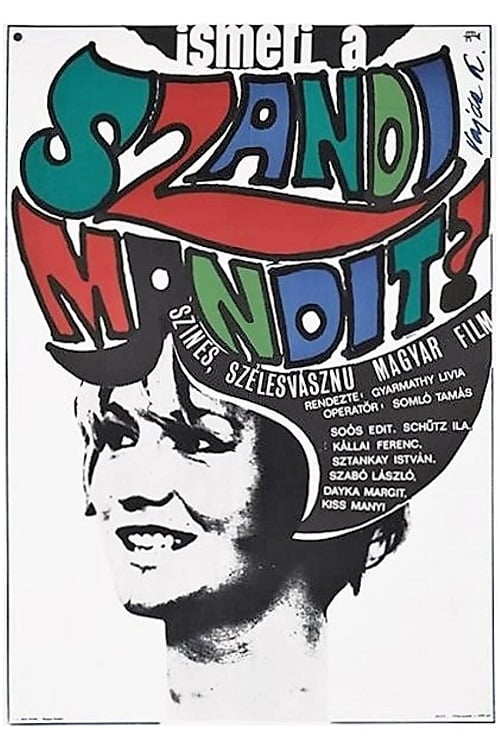
Juli is a 17-year-old student who takes a summer job in a local chemical factory. She is befriended by Piri, a girl with an unsavory reputation who has worked there before. The two friends are ogled by male workers who have overactive libidos and imaginations. Juli spurns the advances of a deluded Romeo while Piri continues to work and endure open hostility from the older female workers while her slothful parents sink deeper into alcoholism.
Do You Know Sunday-Monday?
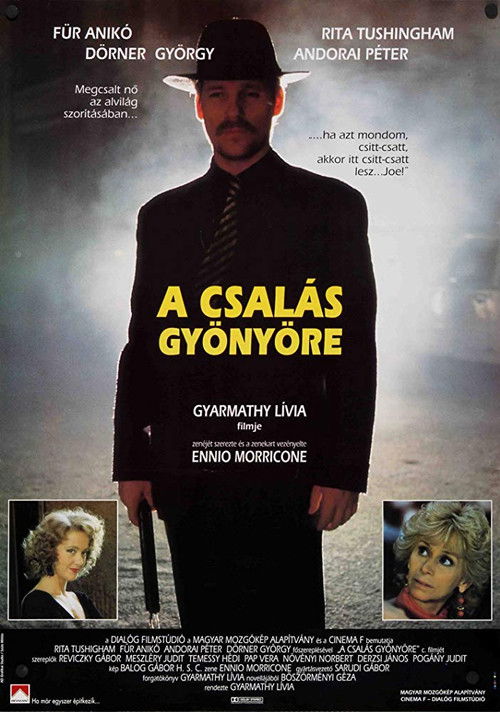
Hungary after the changes. Jutka loses her job and even her marriage is ruined, since her husband gets involved with the daughter of an influential businessman. Jutka moves in with a female friend, Dóra likewise has to face a difficult choice.
The Rapture of Deceit
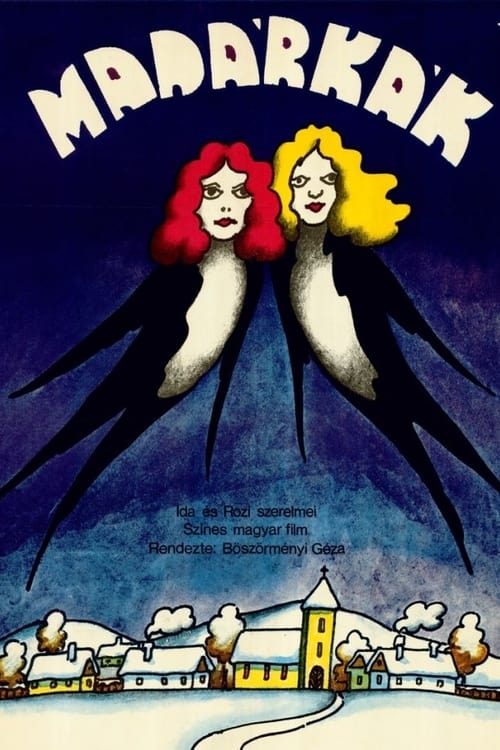
The heroines of this lyric comedy full of burlesque elements are two girls from a village who get totally engrossed in their day-dreaming. Ida and Rozi escape to the city to catch husbands for themselves.
Birdies
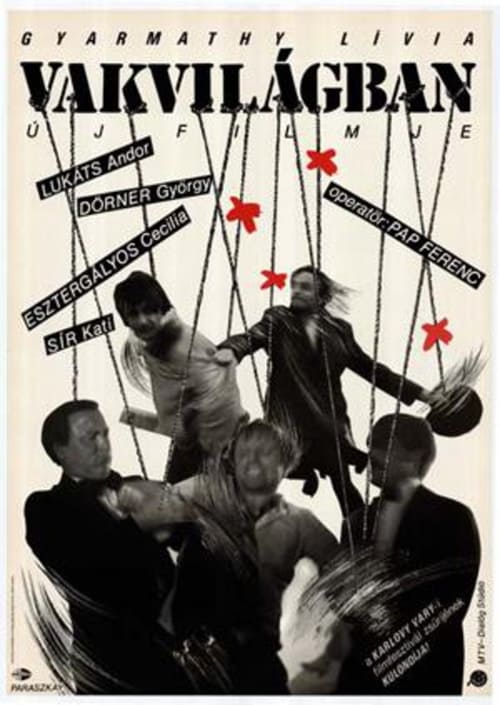
Blind luck ties the fate of two people together.
Blind Endeavour
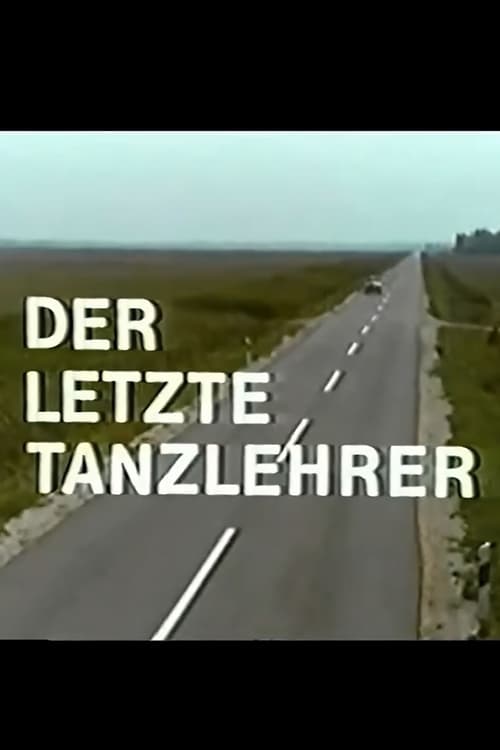
Géza Böszörményi's 1975 German-Hungarian co-production film stars János Balogh as a dance and etiquette teacher. He learned the craft from his father and now travels the country with his son Simon. They are on their way to Hortobágy to "celebrate" the closing ball of their dance school. But before that, they are teaching the locals the tricks of the art of gentlemanly behaviour in Pest. But the Hortobágy dance exam is not as successful as in the good old days. The young people have only one thing on their minds: to live in the capital as soon as possible, and in the Hortobágy they will soon be nothing but horsemen and cowboys entertaining the western tourists of the National Park. János Balogh and his son also go back to the bleak and soulless prefab housing estate, where Simon tells his father that he no longer wants to be a dance teacher.
Az utolsó tánctanár
No description available.
Kishalak... nagyhalak...
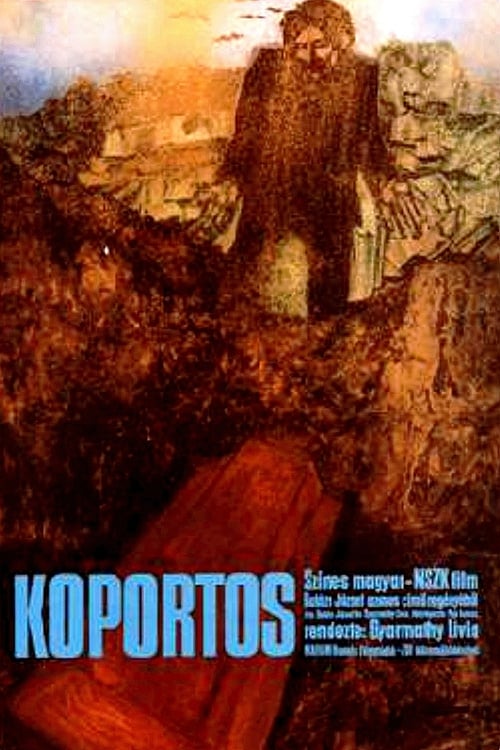
A Roma laborer living in a shantytown strives to organize a traditional, dignified funeral for his wife following her sudden death. He travels to the city to secure the necessary funds and arrangements, navigating various bureaucratic and social obstacles along the way.
Koportos
No description available.
Üzenet
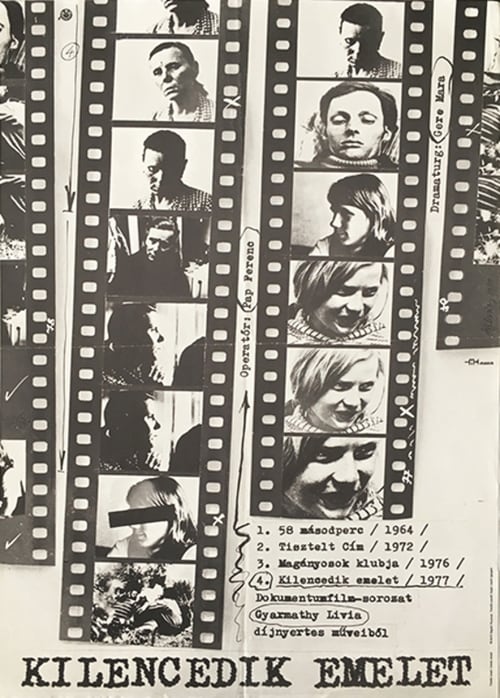
A financially stable family moves into a nice, new apartment, only to see the father leave them. The mother soon brings home a new 'father', Feri. The change causes her son Laci to lose his way. On the other hand, the daughter, Éva is motivated by the change in the family atmosphere to become active and successful in school...
The Ninth Floor
No description available.
Magányosok klubja
No description available.
Indecent Photos
A documentary about ambitious young carpenter Árpád Rostás who is tasked with the repair of the main hall of a castle.
A lépcső
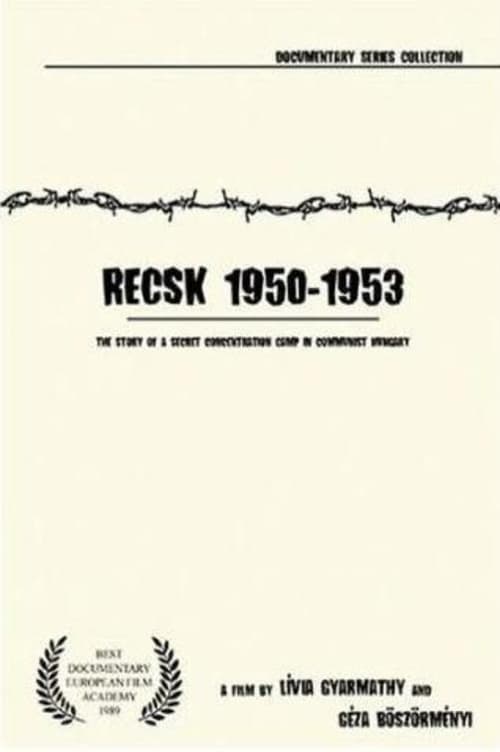
This European Film Award winner documentary tells the story of Recsk, Hungary's most notorious political prison camp, which operated between 1950 and 1953. During the early 1950's the very existence of this camp for political prisoners at Recsk was one of the Hungarian communist regime's deepest secrets. Hundreds of people were taken there without ever actually being sentenced by any court, and had to suffer through the brutal treatment handed down by their sadistic captors. This documentary tells the story of Recsk from both the captors' and the prisoners' point of view, capturing the atmosphere of paranoia, humiliation and degradation that prevailed throughout the Stalinist gulag system.