Writing
No description available.
In the 70s, a dam and a hydroelectric plant were built in Sobradinho. The government at the time, which was commanded by the military regime, thought that that small town, in the northeast hinterland, would be ideal for the construction, because there would be no resistance from the locals. So, 73.000 people were displaced - it is one of the biggest forced migrations in the history of Brazil. Four cities and dozens of villages submerged. Mrs. Pequenita was the only inhabitant to ever return; there, she lives in a ghost town. She receives the visit of three social agents, who own old videos and photos of the region.
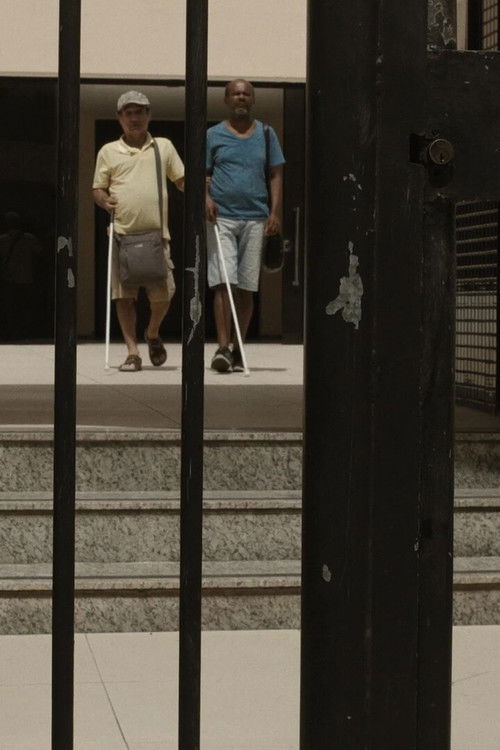
Cássio and Otto are a middle-aged couple. Both are experiencing the progression of low vision and dealing with this condition differently. Otto continues his acting projects, preparing to perform in the theater, while Cássio doesn't feel comfortable leaving his apartment. This conflict challenges love's ability to keep them together. Between sympathy and resilience, desire, fear, and hope, they grow stronger by groping their way through the unknown.
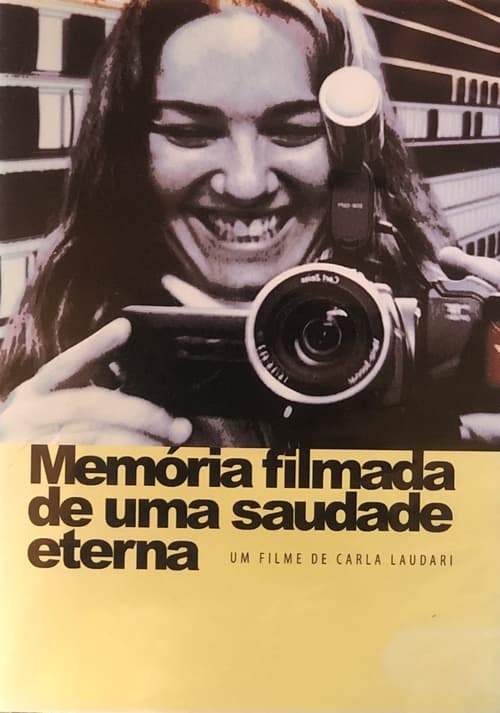
This documentary is a record of moments with family, friends, travels, outings, and a passion that Carla inherited from her father. The need to encapsulate time led her to film her daily life with Bahian friends in Barcelona, a city where she lived the best of her youth for eight years. When she decided to return to Brazil, everything took on new significance. It was then that she began the project of making a documentary to immortalize that period. The casual recordings turned into an obsession, and her friends were interviewed, totaling more than 50 hours of filmed memories and a year of editing in Brazil. This process was a painful stagnation in the past, an effort to make sense of material that fed a difficult feeling to overcome: longing. The result is a delicate film that reflects on exile, memory, time, family, change, and life.
A children, a fetish statue, the river and the fear.
A portrayal of the life of one of the most important samba musicians in Brazil, Bahian sambista Oscar da Penha, popularly known as Batatinha (1924 -1997). Through memories of their father, his nine children share their perspectives, as well as interviews with family, friends and musicians, to tell the story of Batatinha’s life, history and work.
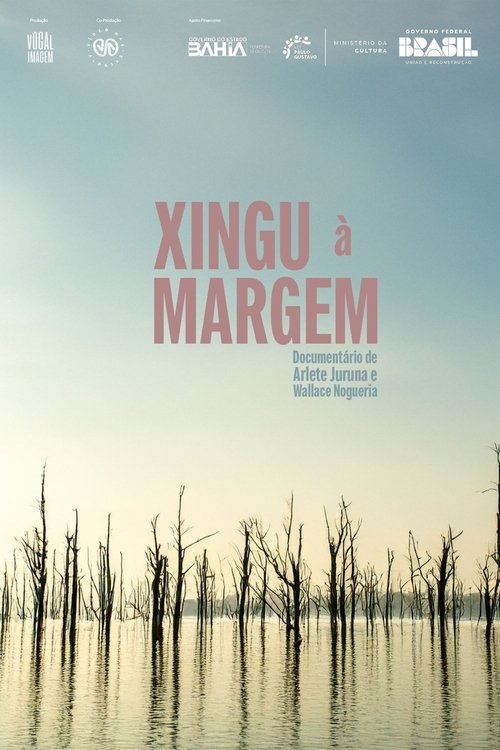
"The Xingu River obeys no laws; it has been restoring and resurrecting spirits against all the evil that has been done to it," proclaims Dona Raimunda, who, with her double-edged axe, justly separates evil from good. Her struggle exposes the harsh reality of segregation experienced by riverside communities, riverside dwellers, and Indigenous people in the Volta Grande do Xingu, in Altamira, Pará, since the construction of the Belo Monte Dam.
Richard finally finds a friend, but he can't be of his own.
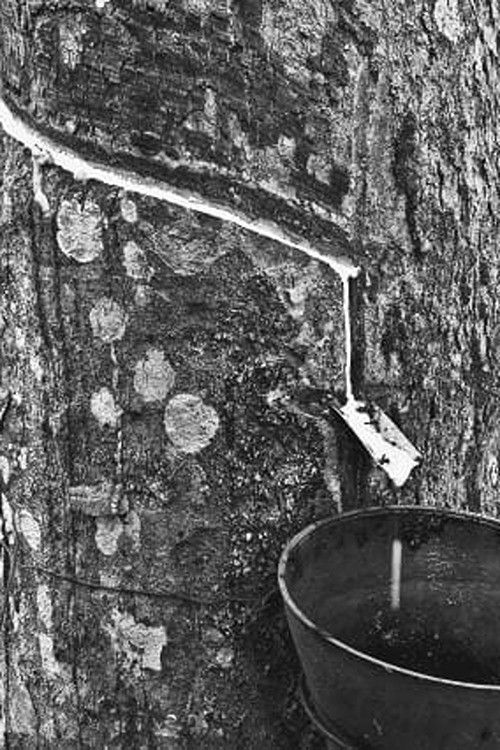
Arlete Juruna lives in the Paquiçamba indigenous land, Aldeia Paquiçamba, in Volta Grande do Xingu-PA. She films her father Manuel Juruna, in a beautiful account of the transformations he experienced in the rubber plantation on the banks of the Xingu river.