Marianne Khoury
Production
Biography
Marianne Khoury is an Egyptian producer and director born in Cairo on October 2, 1958. She received her Bachelor of Arts degree in Economics and Political Science from the American University in Cairo in 1980, then obtained a Master of Arts degree in Economics from Oxford University in 1982. She co-managed the Egyptian International Films Company since 1984, and worked as an executive producer for a large number of films with director Youssef Chahine. She also worked as an artistic producer for a large number of films including Summer Robbery (1988) and The City (1999) directed by Yousry Nasrallah; Beggars and Nobles (1991) and Concerto in the Path of Happiness (1998) directed by Asmaa Al-Bakri; Arq Al-Balah(1998) directed by Radwan Al-Kashef; Closed Doors (1999) directed by Atef Hetata; and The Storm (2001) directed by Khaled Youssef. In addition to production, she directed a number of documentaries including Laura's Time, Cinema Lovers, and Shadows.
Known For

Set in 1987 against the backdrop of a hunger strike by the Egyptian film industry, Chahine himself steps in to play Yehia, the famed Egyptian director whose life is chronicled in "Alexandria, Why?" and "An Egyptian Story". Obsessed with Amr, the handsome actor he discovered and cast as his alter-ego in parts one and two of The Alexandria Trilogy, Yehia pressures Amr to star in various film projects that change even as Yehia's perception of the young actor begins to change. He first casts Amr as Hamlet, which the actor deems too demanding for his talents, then as the lead in a musical biopic of demigod Alexander the Great, who founded the city of Alexandria in 332 B.C.
Alexandria Again and Forever

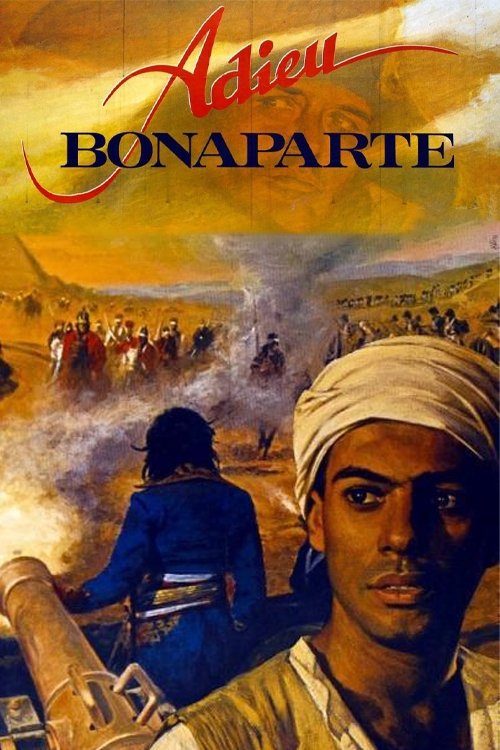
This big-budget historical epic from acclaimed Egyptian director Youssef Chahine features a crazed turn by Patrice Chereau as Napoleon Bonaparte. The film, an Egyptian-French co-production, deals with Napoleon's occupation of Alexandria and its effect on a typical Egyptian family. Michel Piccoli leads the cast as a general in Napoleon's army who tentatively befriends a local poet and falls in love with two young Egyptian brothers, reflecting complex themes of colonial desire, affection, and personal connection.
Adieu Bonaparte

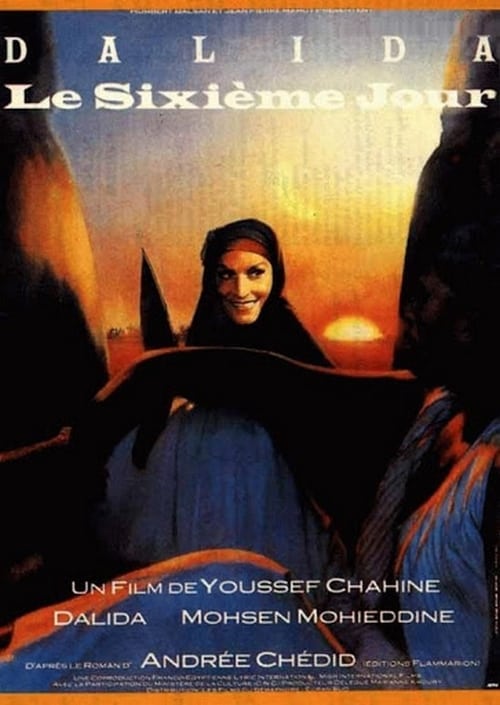
Egypt, 1947: in the midst of a cholera outbreak. A washerwoman tries to take care of her family, while at the same time resisting the advances of a charming suitor who's half her age.
The Sixth Day

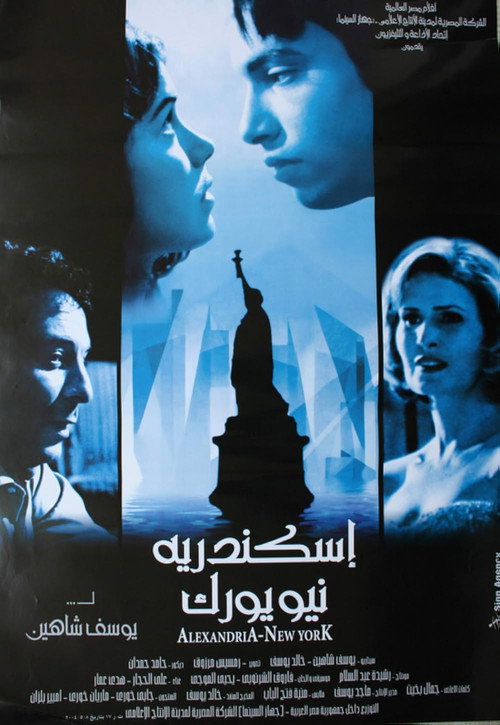
An enthralling look at the relationship between America and the Arab World from an Arab perspective. It tells the story of Yehia, a renowned Egyptian filmmaker whose life has been shaped by a pair of disrupted love affairs, one with an American woman named Ginger, the other with America itself.
Alexandria... New York

Ali, an aspiring actor, works in a government-aided butchery and takes part in a cheap play. Defying his father's wishes, he moves to Paris to fulfill his dreams and starts living illegally alongside many other Arabs. Ali has a life-changing experience there that he won't fully remember until he returns to Egypt.
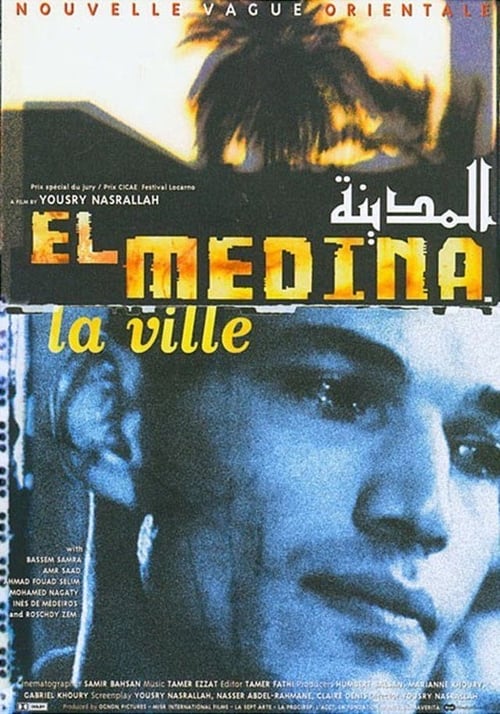
The City

Hatem is a corrupt police officer, who loves his neighbor Nour, who in turn loves the prosecutor, Sherif. Hatem tries to win Nour’s attention even if by force.
Chaos, This Is?

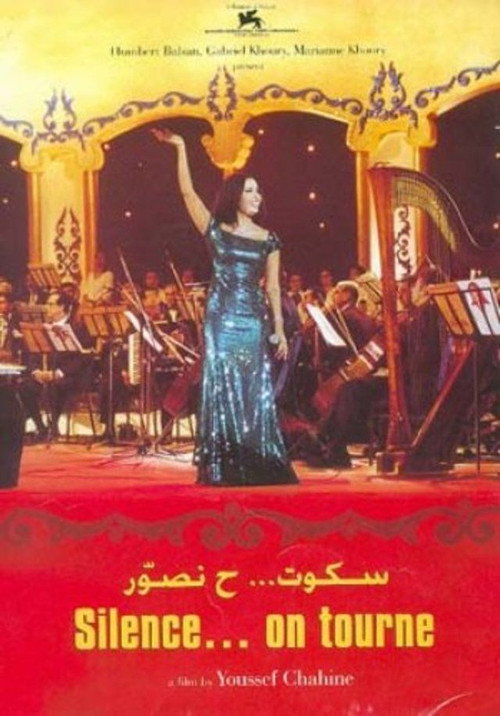
Malak is a star singer who lives with her mother and her daughter, Loula, in her villa after her divorce. She falls in love with an opportunist called Lam'ey, so her daughter sets out to expose him with the help of her lover, a driver called Nasser, and the director, Ezz-ElDin who deeply loves Malak.
Silence... We're Rolling

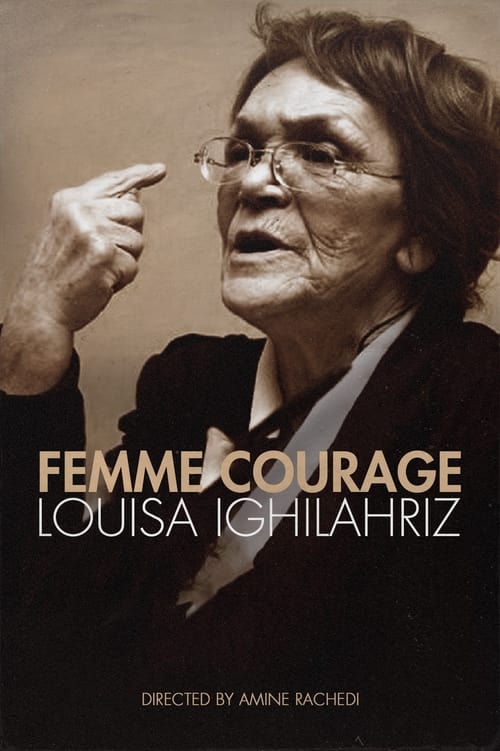
The autobiographical account of the tormented life of a witness of the century: Louisa Ighilahriz, activist and leading figure in Algerian independence. A student, she joined the independence struggle at the age of 20, joining the ranks of the FLN on the eve of the Battle of Algiers in late 1956 under the name Lila. She took part in the high school students' strike, then fled into the maquis when she was actively sought after. She was part of the French FLN support network of "suitcase carriers" during the Battle of Algiers. Seriously wounded alongside her network leader, Saïd Bakel, during an ambush in 1957, hospitalized and then imprisoned, she suffered numerous tortures in French prisons. She will be saved from certain death by an anonymous person, she will seek, for forty years, to find him just to show him her gratitude... Emblematic of the painful Franco-Algerian history, Louisa's story is poignant and imbued with humanism.
Woman of Courage - Louisa Ighilahriz

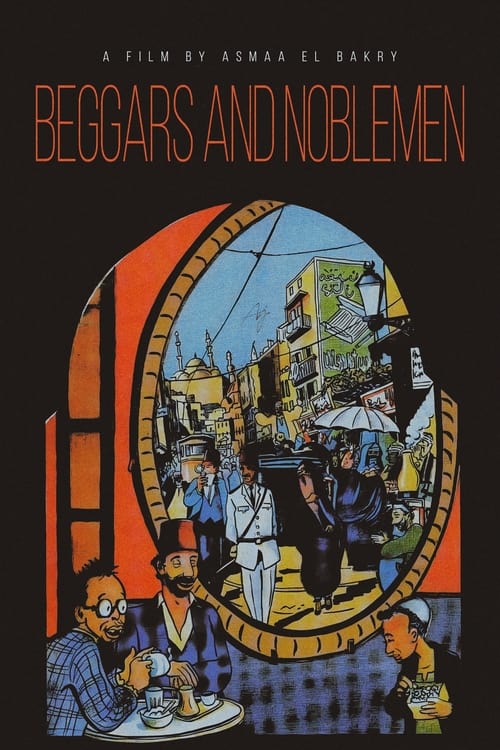
In June 1945, during the final days of WWII, former university professor Gohar meets a young prostitute in a brothel and kills her in a moment of frenzy. Police Detective Noureddine takes on the murder case and tracks down Gohar, hoping to confront him and get a confession to the murder from him. However, both the detective and the killer face startling facts that change the way they think.
Beggars and Noblemen

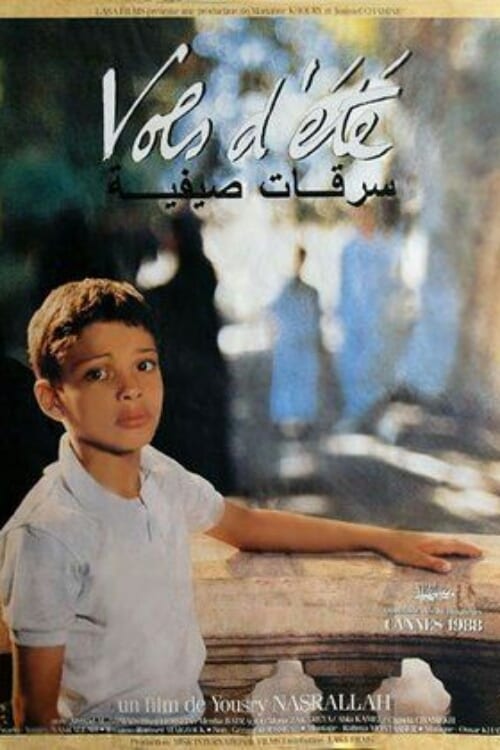
Set in the summer of 1961 during President Nasser's land reforms, this is a story of the childhood friendship between Yasser, the son of a bourgeois landowner, and Leil, the son of an Egyptian peasant. When turbulent times tear Yasser's family apart, the boys team up for a money-making scheme that results in misadventures.
Summer Thefts

Seekers of Oblivion explores the exciting life and adventures of Isabelle Eberhardt. Born in Geneva, Switzerland in 1877, Isabelle left Europe for North Africa at a young age. While there, she consorted with tramps, prostitutes, soldiers, murderers and thieves, at times masquerading as a man in orde.
Seekers of Oblivion

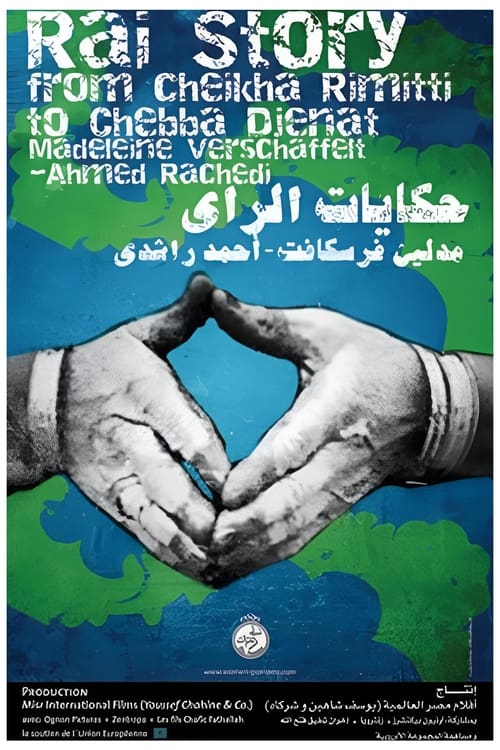
Raï Story is a musical journey in search of the Raï legend, Cheikha Remitti, in Oran, Algeria, where the Raï musical tradition began. In 1923, the first Raï singers performed behind screens during ceremonies to protect their identity. It was only when the music of singer Cheikha Remitti began to gain popularity among the general public that Raï music was made public, in the 1940s. Cheikha Remitti, who lives between Paris and Oran, is nowhere to be found, the filmmakers then decide to meet producers, musicians, singers like Cheba Dalila or Cheba Djenet, for whom Remitti created a wake. The opportunity, through these unique stories, illustrated with archive images, to retrace the important place of women in this musical tradition and the transformation of Raï music from the 1960s to 2000.
Raï Story: From Cheikha Rimitti to Cheba Djenet

Six strong-willed women whose adventurous streak changed the face of film industry in early twentieth century Egypt – a time when the country was, despite the liberal ripples, still steeped in conservative tradition. The film shows how these women, different as they were in class and social background, broke taboos and dismissed conventional wisdom to fulfill their overpowering passion for filmmaking. Women Who Loved Cinema takes us to the past and brings us, seamlessly, to the present day. Aziza ... Fatema ... Behidja ... Amina ... Assia … Mary... theirs is a story that will remain indelibly etched in the memory of Egyptian cinema.
Women Who Loved Cinema

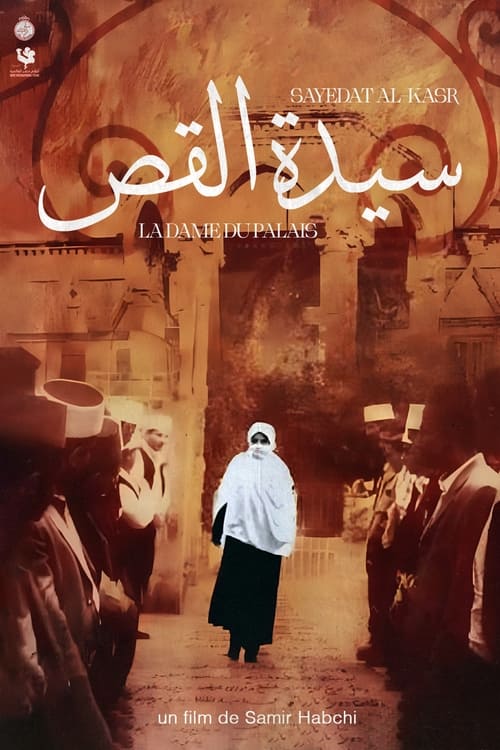
Sayedat Al-Kasr traces the history of the Joumblatt family of Mount Lebanon from the 17th century to the present, focusing on early 20th century leader and politician Nazira Joumblatt. Born in 1889, Nazira ascended the throne of the Moukhtara palace in 1923, following the assassination of her husband Fouad and the resignation of her brother Aly Joumblatt. She presided over the region as Lady of the Palace for twenty-five years while raising her son Kamal, preparing him to take his place in a long line of Jumblatt leaders. Famous for her wisdom and strong personality, Nazira boldly entered the Lebanese political scene at a time when this field was entirely dominated by men. Unwavering, she contributed to maintaining peace and stability in Lebanon for many years, earning the respect of men and women, whether Druze or Maronites.
The Lady of the Palace

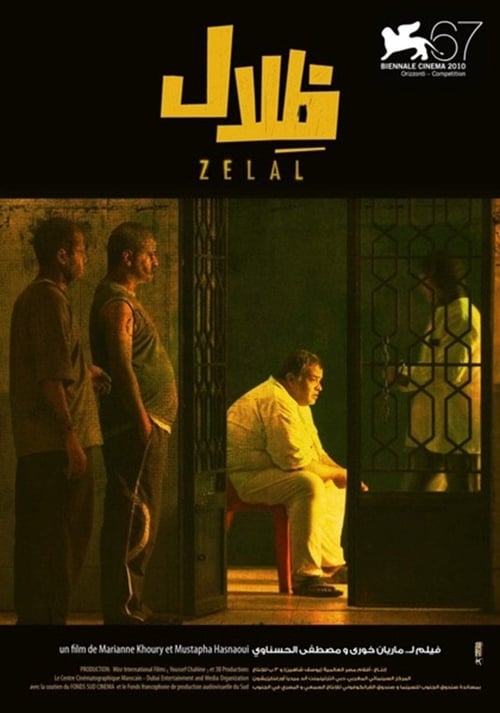
Zelal is a documentary that's an invitation to delve into the world of psychiatry and "madness" in Egypt. It meets the ordinary madmen and women banished to mental institutions by Egyptian society and offers more than just a journey into their world of shadows. The hospitals end up becoming the only place patients can conceive, not because they are truly "crazy", but because they fear the outside world. The film forces viewers to put their own preconceptions and interpretations to the test, reminding us that freedom is precarious in a society that does not tolerate any differences.
Zelal

Acclaimed director Jean Chamoun looks at the lives and works of some of the women who have joined in the fight for their Palestinian homeland. We learn of young resistance fighter Kifah Afifi’s experience as a survivor of the 1982 Shatila massacre in Lebanon when she was just twelve years old. She tells about fighting the Israeli occupation of South Lebanon in the 1990s and of her imprisonment in the Khiam detention facility, which was run by Israel’s auxiliary militia, the South Lebanon Army.
Women Beyond Borders

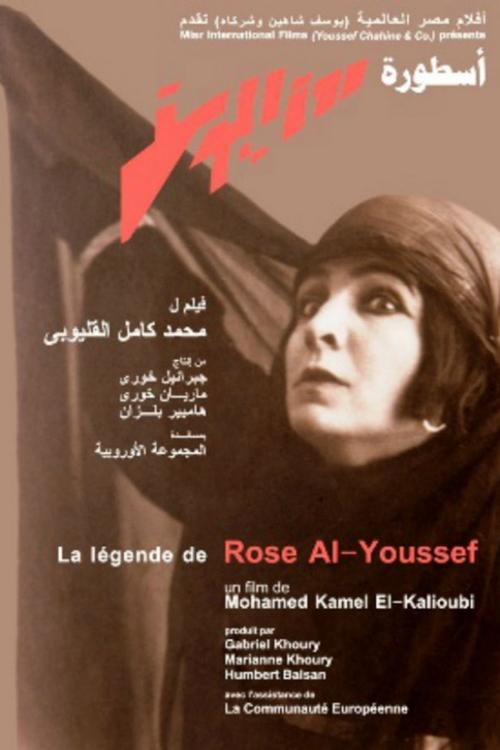
A documentary that sheds light on Rose al-Yusuf's life as told by a group of those who lived with her and had close ties with her or through the eyes of those who read about her and delved into history in search of the secrets of her biography.
The Legend of Rose Al-Youssef

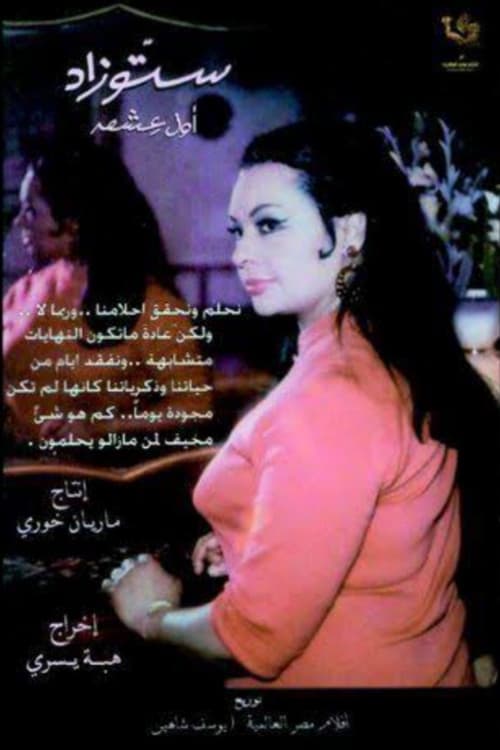
The movie tells the story of the artistic life of "Shahrazad" through the details provided by her granddaughter.
Settou Zad, My first passion

A mother and her daughter explore together the trajectory of four generations of women from their family, an Egyptian family from the Levant where life and cinema have been intimately linked and still are. A cross look between family archives where the real and the fiction and the autobiographical films of Youssef Chahine mingle. From Alexandria to Cairo, passing through Paris and Havana, an intimate and visceral narrative where mother and daughter cross space and time to trace destinies and question their emotions
Let's Talk

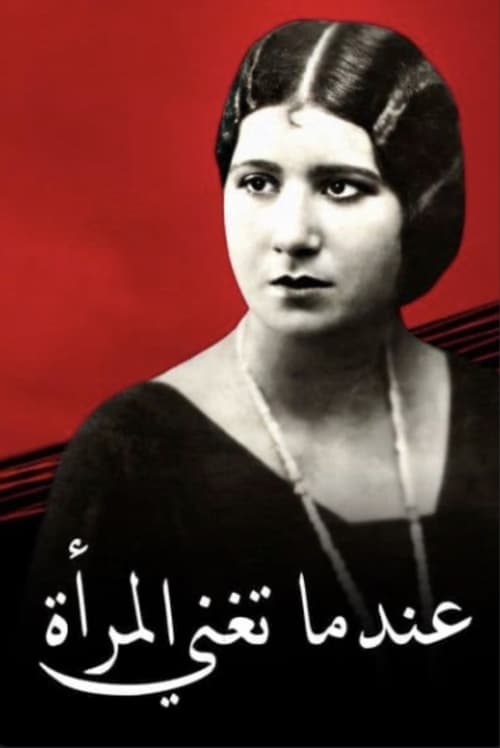
A documentary about the singing movement in Egypt, and on the role of the song in the social and political conflict, as it shows the lives of Umm Kulthum and Munira al-Mahdiyya and their impact on the women's liberation movement and on the field of singing in the Arab world