Acting
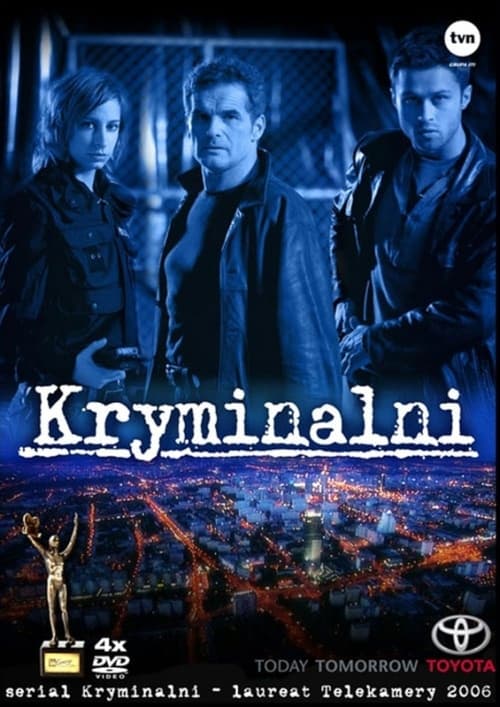
Kryminalni was a Polish crime drama television series that aired on TVN network from September 18, 2004 until May 24, 2008. It ran for 8 seasons and 101 episodes were broadcast in total. It was created by Polish director and screenwriter Piotr Wereśniak and produced by MTL Maxfilm studio. The series followed life and work of police officers from the elite Criminal Terror and Murders Division of the Warsaw Metropolitan Police; the title refers to police officers in the crime section. The three main characters were Adam Zawada, an experienced, tough cup, his younger colleague Marek Brodecki and Barbara Storosz, an ambitious female officer who in the first season joins the team just after graduating. Although none of the main actors had had star status before the series debuted, all three of them rose to prominence and popularity during the 5-year-long run. Many of Poland's best known actors guest starred, usually playing roles of people involved in just one particular investigation. The serial was one of the most popular in Poland: each week it had an audience of 4 million.
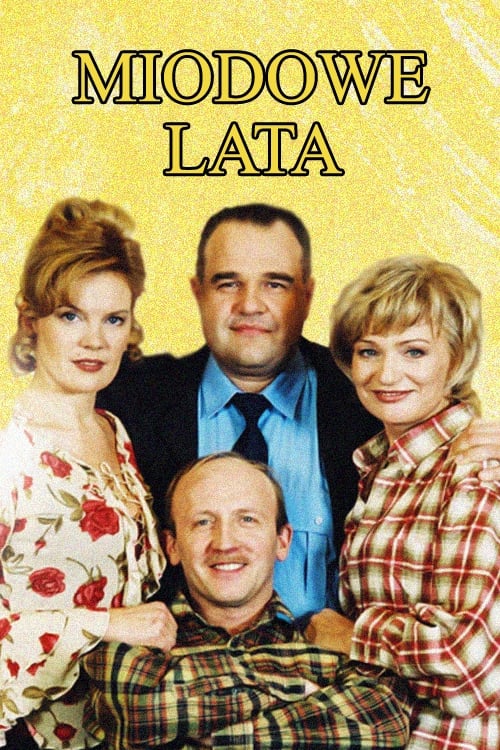
No description available.
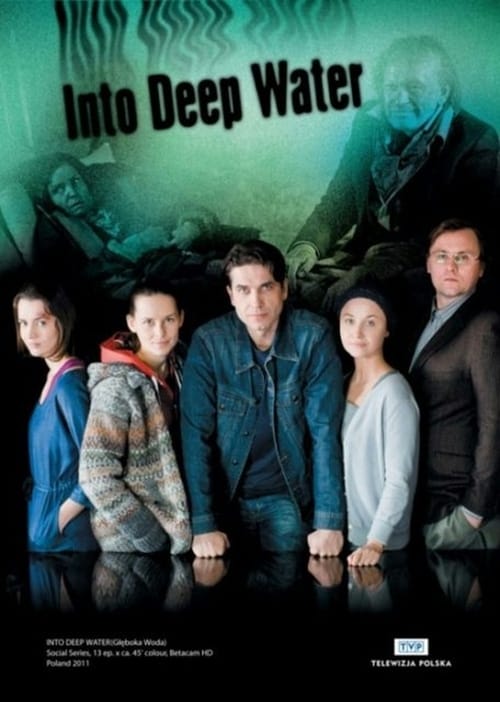
A group of social welfare workers led by their new director tries to provide necessary aid to people struggling with various problems.
The dark world of crime: murders, racketeering, drugs, kidnappings. There are no rules here. Working in this world makes cops cynical and ruthless. There is a fine line between them and criminals - will any of them cross it? The main characters are officers from the Department for Counteracting Criminal Terror and Homicides. The action of the series is an extension of the threads that appear in the feature film. It presents in a realistic way the brutal and dark world of crime that officers encounter on a daily basis. They're not just tracking down murderers. They fight racketeering, kidnapping, drug trafficking while struggling with their own day to day life and problems.
A 'village idiot' tries to open a barber shop.
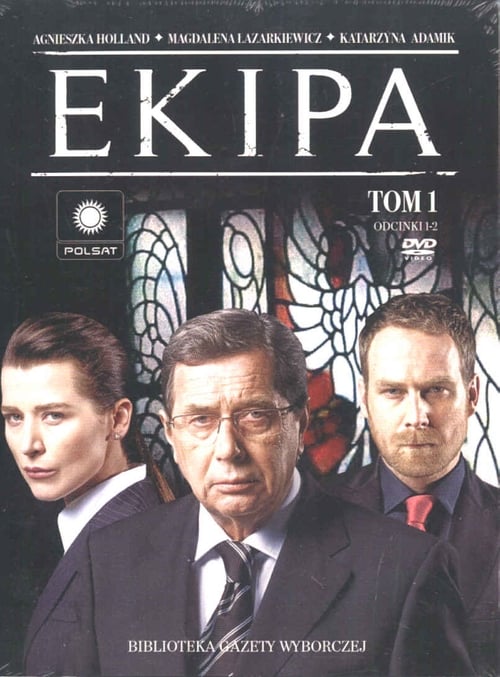
Ekipa is a Polish political drama TV series created and directed by Agnieszka Holland, aired from 13 September 2007 until 6 December 2007 on Polsat. Ekipa is the second Polish political fiction series after the 1980s miniseries The Career of Nicodemus Dyzma.
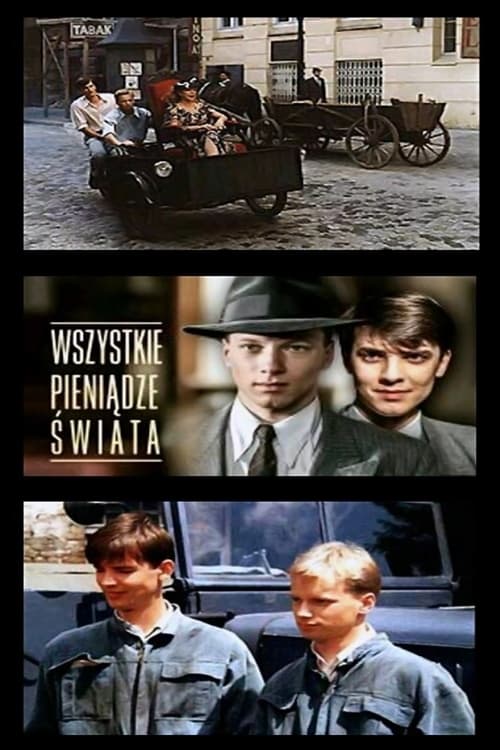
A family of anti-Semites lives in Lodz. The husband is unemployed and poor. He believes that only true Poles can improve the situation in the country. His quiet wife believes what her husband does and says, while their son - the future of the nation - hates people who are different from himself. One day, the husband learns that his parents were Jewish. What's more, a distant relative from the US left behind a fortune to inherit. In order to get the money, the hero and his family must return to their roots. Their world is turned on its head...
Izabella, a beautiful young woman, works at her aunt’s shop in a small town in Poland. She uses her hands to create unique small objects for the shop, but in the night she has the strange habit to feed bats.
When Maria's father sends her a valuable icon that he stole, she must decide whether to collect the reward or protect her father.
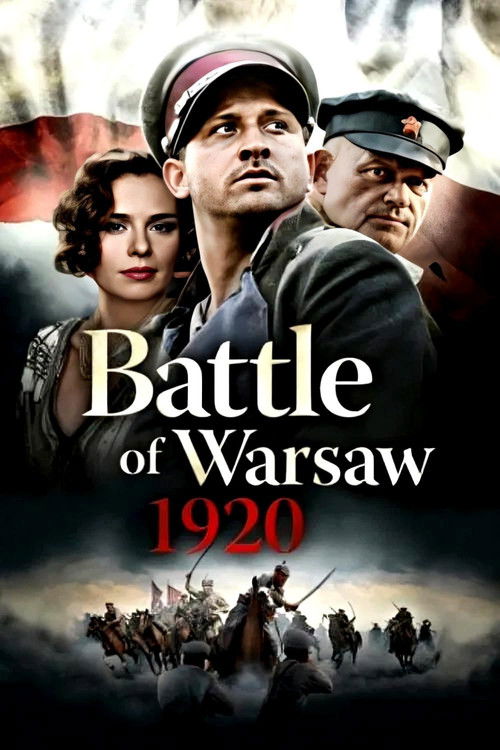
Poland's winning battle against Soviet Russia as seen through the eyes of two young protagonists, Ola and Jan. She is a Warsaw cabaret dancer, while he is a cavalry officer and poet who believes in socialist ideals
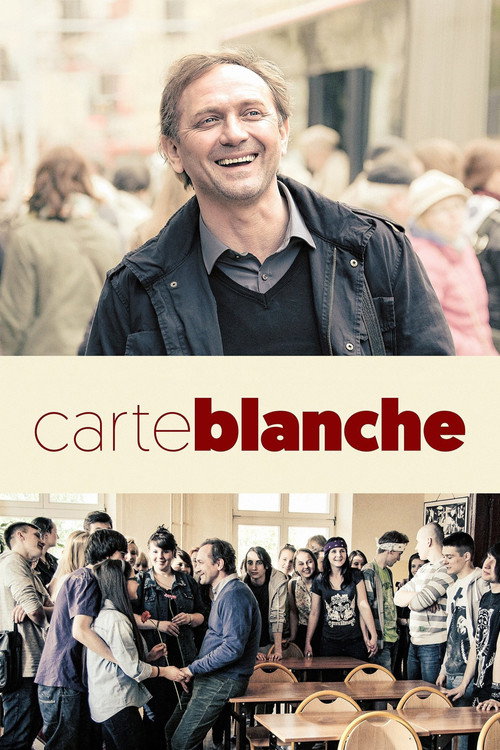
The true story of a high-school history teacher who decides to hide a progressive sight loss from everyone surrounding him - his colleagues, pupils, even the ones who really care about him, because of the fear of losing his job and trying to save his dignity. Due to a genetic disorder, Kacper is faced with a very real possibility of permanent blindness. Initially heartbroken, he attempts to hide his health problems from his bosses driven by his desire to keep his job and to help his students with the final exams. The only person who knows about Kacper's problem is his best friend Wiktor. Meanwhile, Kacper enters a relationship with his colleague Ewa, and tries to help a rebel student Klara, who hides a secret of her own.
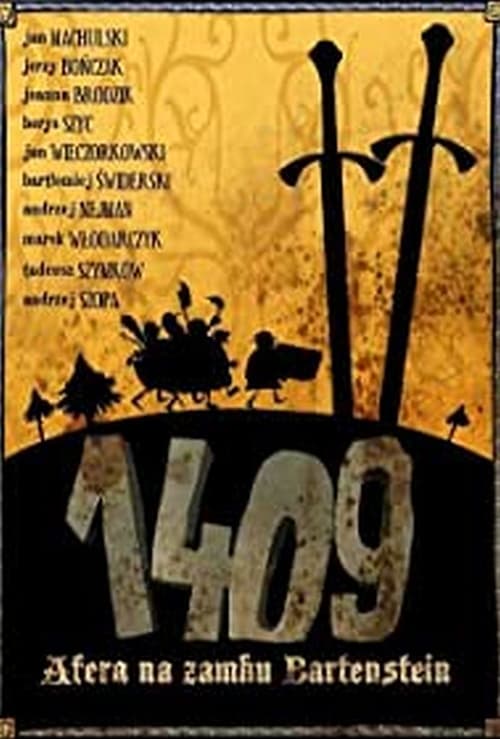
On the outskirts of the monastic state stands the small, neglected Bartenstein Castle. Its residents are exceptionally exceptional Teutonic Knights. Their swords are deadly.... For themselves. Not far from the castle, a village of clever craftsmen flourishes, and Polish-Lithuanian partisans prowl the woods. The search for the ancient treasure of the Prussians coincides with an unexpected visit of the Grand Master along with an even less expected guest.
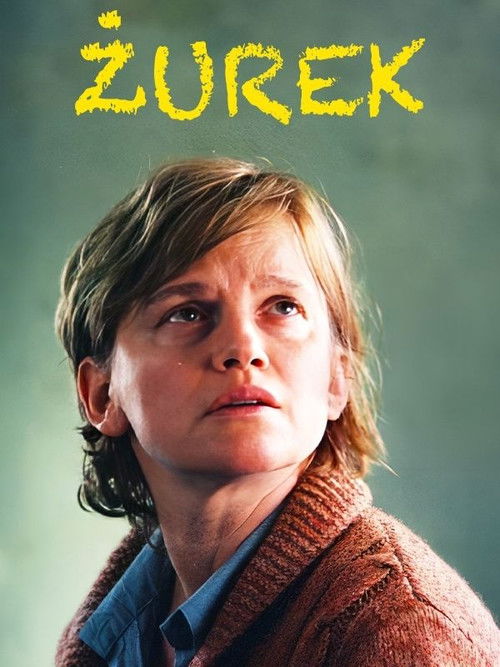
The dramatic story of a woman's struggle to discover the identity of her grandchild's father. The grandmother becomes obsessed with discovering the identity of the man who fathered her daughter's child.The naive daughter is of little help with her mother with the search, which turns into a dangerous journey, filled with unexpected events. The mother is forced to face and overcome her own dark secrets and deepest fears, and her struggles provide her daughter with a new sense of hope and understanding of her own life.
A man, after having abandoned his family to live in a monastery, goes back into the world after 17 years.
Poland in the mid-1970s. In a small town, the student theater is preparing its premiere.
It tells a story of a bird-monster from South America originally treated as god by Incas. Long believed to be extinct, due to genetical experiment gone awry its egg fossil hatches and the monster starts to search for females to impregnate.
Little town. Józef Struziak, a local veterinarian, is bored with his wife Anna and her passion - ballet. He secretly meets his lover in his office. One day, a student, Wiktor Malec, comes to the vet for his internship ...
A satire of Cold war politics, where Red bureaucrats meet U.S. corporate greed - and a witch and a dragon.