Acting
Tatort is a long-running German/Austrian/Swiss crime television series set in various parts of these countries. The show is broadcast on the channels of ARD in Germany, ORF in Austria and SF1 in Switzerland.
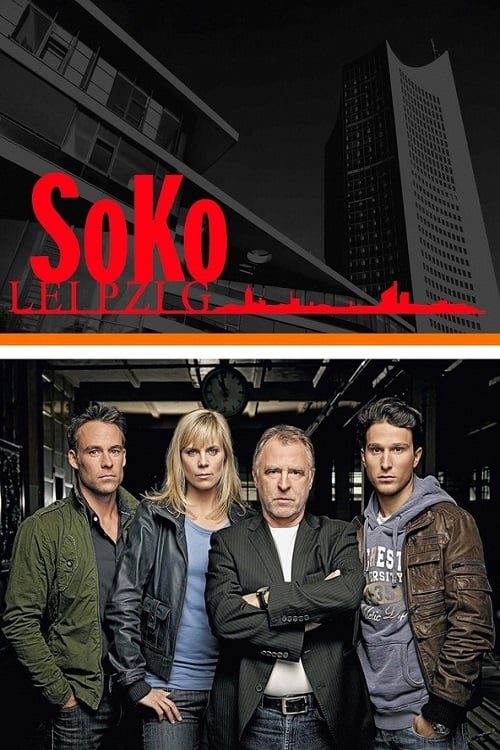
SOKO Leipzig is a German police procedural television programme, a spin-off of the earlier German police programme SOKO 5113. It was first broadcast on 31 January 2001, on German television channel ZDF. On 12 November 2008, the first part of a two-part crossover between SOKO Leipzig and British police procedural The Bill was aired, with the same version being shown on both ZDF and British television channel ITV1.
No description available.
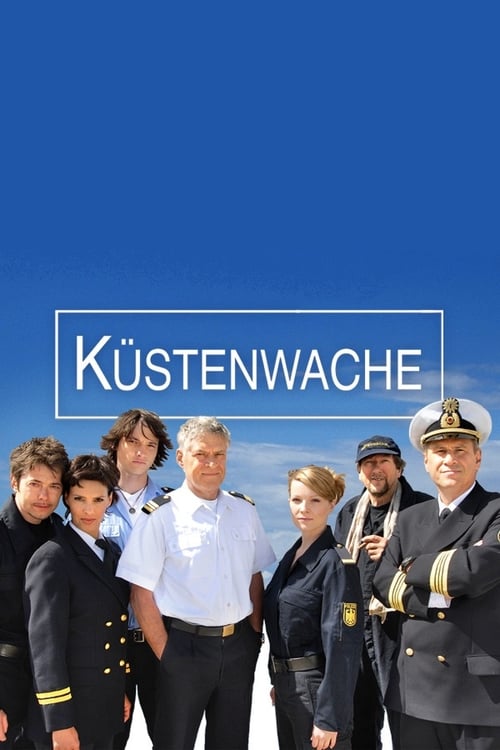
Küstenwache is a German television series that tells the fictionalized adventures of a unit of Federal Coast Guard officers off the German coast of the Baltic Sea.
Shows the interaction between Hamburg police officers and paramedics.
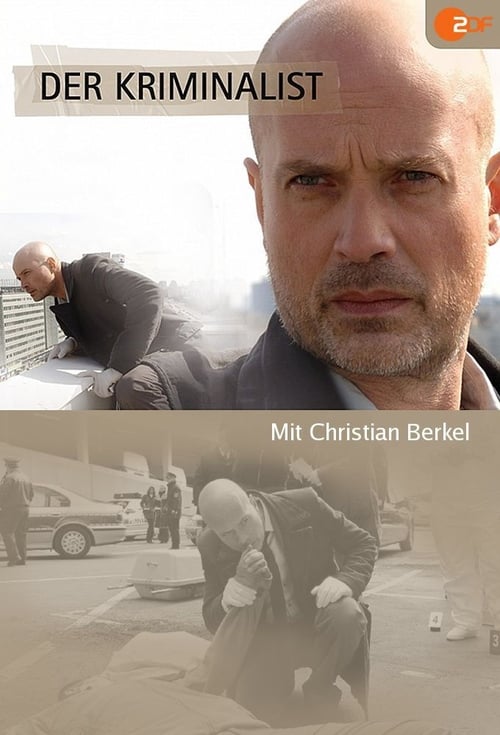
Der Kriminalist is a German television series produced by Monaco Film Hamburg, subsidiary of Odeon Film. Directors during the first season were Sherry Hormann and Torsten C. Fischer, during the second: Thomas Jahn, Jobst Oetzmann and Torsten C. Fischer.
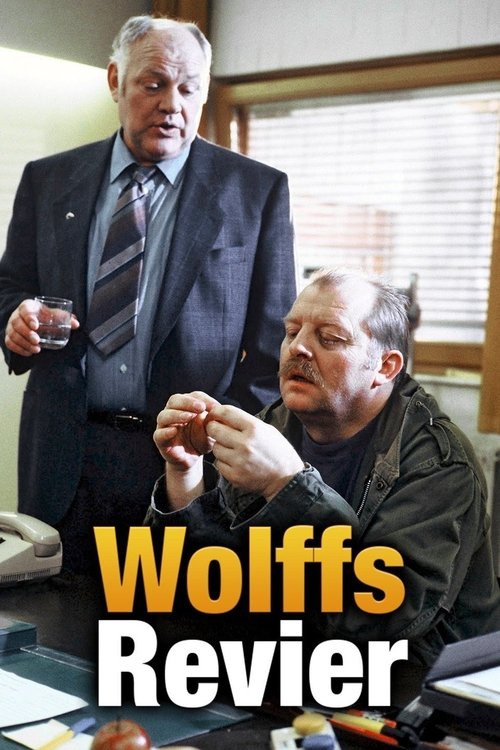
Wolffs Revier is a German television series.
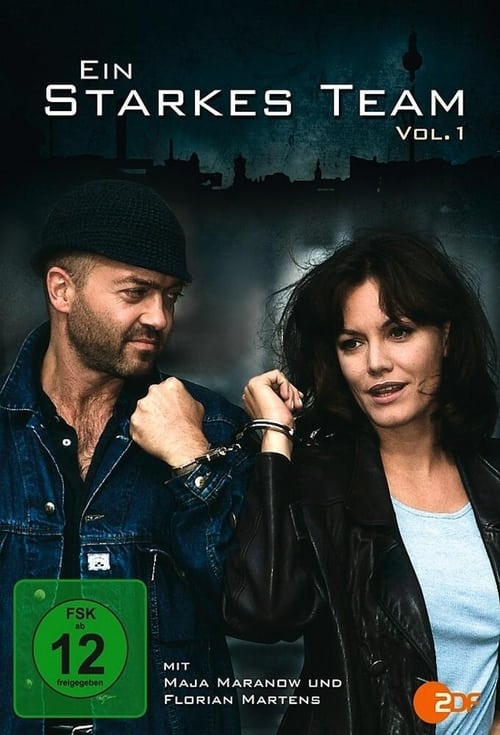
The unlikely police pair Verena Berthold and Otto Garber are part of a special task force investigating organized crime in Berlin. He comes from the east, she from the west of Berlin. He's a redneck, she's from a better background. This causes conflict. Over time, things start to sizzle between the two. Their team includes the agile German-Turkish Yücsel and the sluggish Georg, who, like Verena and Otto, are constantly bickering. The department manager is Lothar Reddemann. Sputnik is a former colleague of Otto's from the People's Police and is constantly coming up with new business ideas for stores and pubs where the team meets.
Rosa Roth is a German television series.
16-year-old Oliver falls in love with young Sina, who is also his father's secret lover
After a long time, a circus is back in the area of Tidal Basin and already the strange phantom has reappeared: the white clown! He robbed banks and stores without a system and disappeared without a trace. Lane and Higgins, together with the worn-out journalist Shapiro, hunt for the mysterious culprit in the dense London fog.
Perhaps the fun-loving Lotta takes her impulsiveness a bit too far: so far, she’s taken a detour at every turn on the path to adulthood. Now in her mid-20s, she believes she’s finally found her place in life. After passing her exam to become a geriatric nurse, she naturally wants to return to work at “Haus Abendrot.” Once again, there are cheerful, touching, and even sad encounters with the residents of the nursing home, and everyone is happy that Lotta is back. But just now, as she’s making long-term plans for her future for the first time, fate throws a wrench in her plans. Lotta discovers that a fleeting encounter at a party has not gone without “consequences.” So Lotta is suddenly faced with the big question of how much responsibility she can and wants to take on in her life.
In a small village in West Prussia in the 1870s, Germans, Poles, Gypsies and Jews live together as neighbors. One night Johann, a German mill-owner, secretly opens the dam gates and floods the mill of his Jewish rival Levin. After his business is ruined and his calls for justice go unanswered, Levin leaves town.
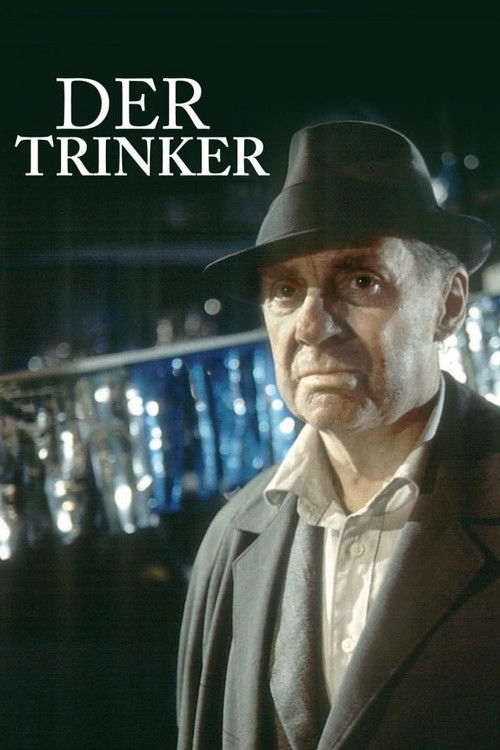
Hans Fallada tells in his published after the war novel "The drinker" the story of the agricultural wholesaler Erwin Sommer, who flees from his narrow bourgeois relations under the burdens of the new times in the kingdom of the king alcohol, whose liberty and independence promises prove a lie - the only truth of the alcohol. On behalf of the WDR television play Ulrich Plenzdorf has adapted Fallada's 1944/45 novel for a film adaptation by Tom Toelle with Harald Juhnke in the main role of Erwin Sommer.
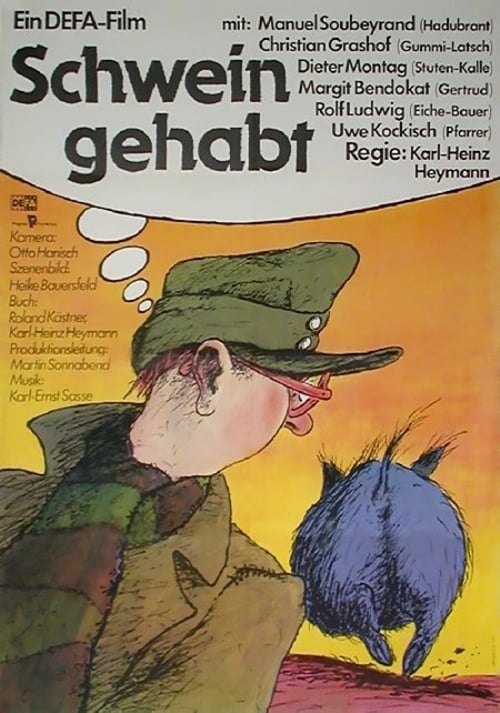
In the winter of 1945/46, new teacher Hadubrant is tricked by Olly, the 14-year-old daughter of his landlady, into stealing a wild boar. It has fallen into Olly's trap, but as game is the property of the Soviet army, Hadubrant wants to put it to good use: school meals. But others in the village are also interested in the pig. The mayor wants it to fulfill his meat plan, the priest wants to swap it for coal to heat his church, the policeman wants to return it to its rightful owner, and some simply want to eat it. The pig keeps disappearing in mysterious ways. Hadubrant's commitment to his charitable cause finally earns him a delegation to the district town for "higher duties".