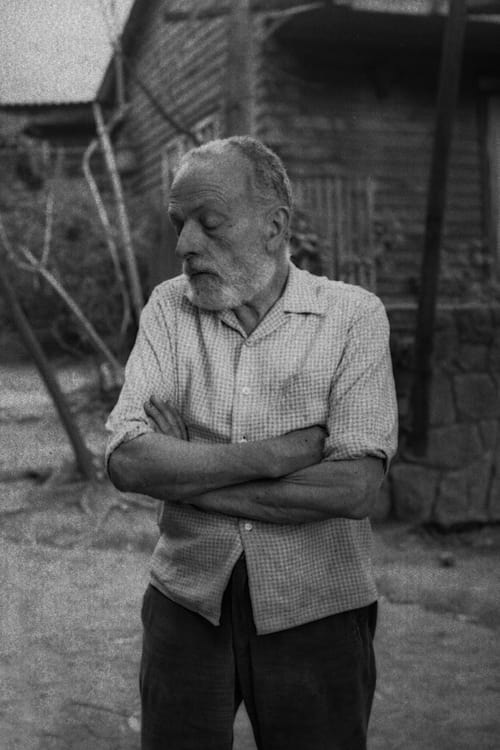
Jorge Di Lauro
Sound
Biography
Jorge Di Lauro born on December 13, 1919 in Argentina, Buenos Aires. In 1936 he graduated from the University of Buenos Aires as a civil engineer. He immediately travels to the United States and enters the Film School of Southen University, California, and later to the School of Electrical Engineering, where two years later he obtains a Bachelor's degree in the specialty, which allows him to join the RCA Recording Studios in Hollywood. In 1939 he returned to Argentina and worked as sound director at the San Miguel Studios in Buenos Aires. He fulfills these functions in the famous film by Lucas Demare, La Guerra Gaucha (1942), which earns him a distinction as soundman. He arrives in Chile in 1944, hired by the state-owned production company Chile Films to fulfill the same function, a position in which he remains for several years, being responsible for the sound of more than twenty titles, including fiction and documentary films, both for the state-owned production company and for independent filmmakers. Married to the actress, filmmaker and multi-talented artist Nieves Yankovic, all his later work is linked to her, with whom he manages to establish a perfect communion not only sentimentally, but also artistically and ethically, which is rare in the national film industry. Of their work together, the celebrated documentary Andacollo stands out, which critics have pointed out as an essential title in the development of local documentary filmmaking. In 1974, while filming the documentary "Año Santo Chileno", he was arrested by orders of the military dictatorship. His cameraman, Jorge Müller, was taken to torture centers, his trail was lost and he is not heard from again to this day. The impact of this disappearance means that the filmmaking duo never films again. He then focused on teaching, and later on trade union activities. Together with his wife, he cultivated in what he did what they called "the sanctity of the trade", faithful to his Christian and humanist convictions. He died on May 16, 1990.
Known For

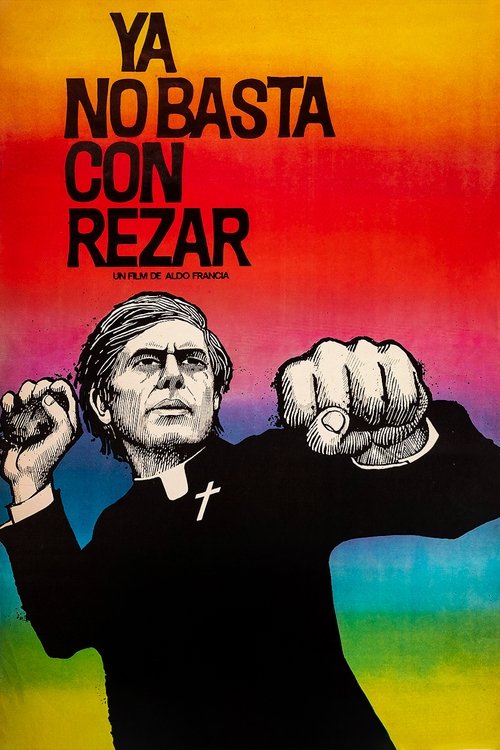
Many socially-concerned priests in Catholic Latin America have at some time left their parish churches to go and work in the fields and factories of the poor. Such priests, usually adherents of "liberation theology," are called "worker-priests." This Chilean film tells the story of how one man became a "worker-priest" and won the trust of the poor.
Enough Praying

A glimpse at the few days and nights in the lives of a brother and sister, Amanda and Tito, in Santiago’s semi-criminal underworld. A rambling portrait of Chilean society.
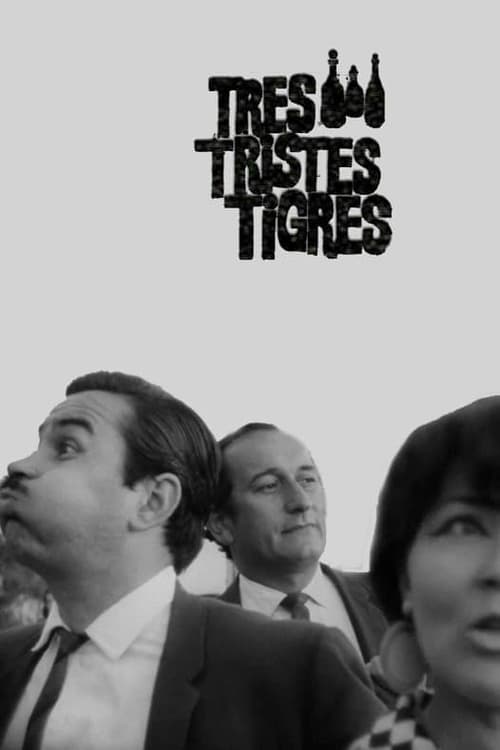
Three Sad Tigers

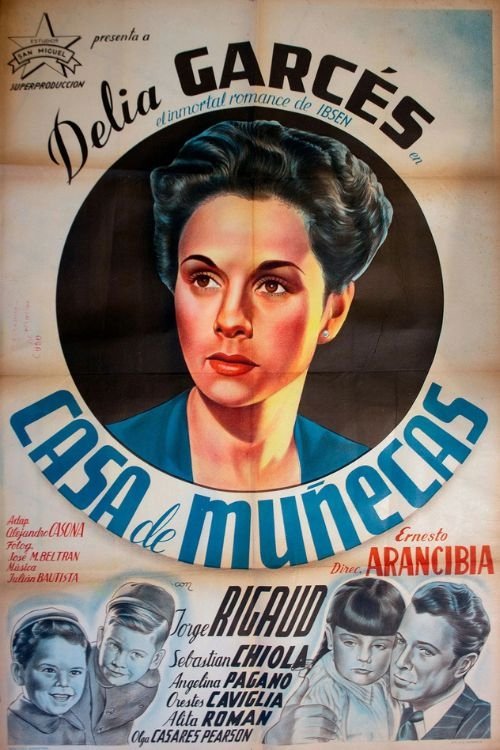
The conflict of a woman with her husband when she starts defending her individuality.
Casa de muñecas

On January 4, 1971, an extensive dialogue takes place between the president of Chile Salvador Allende and the French intellectual Regis Debray, a discussion about the Chilean process towards the installation of a socialist government. Filmed by a team from Chilefilms, a state-owned company dedicated to the production of audiovisual works, it is a unique testimony to Allende's thinking in the first year of his government.
Compañero Presidente

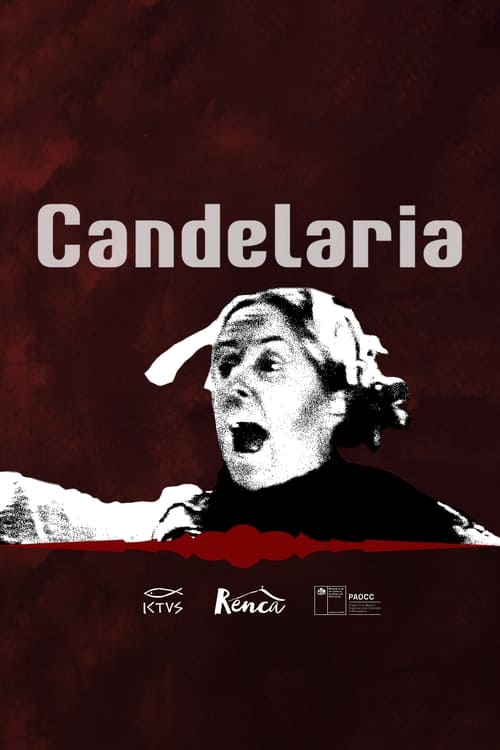
The contrast of the parallel lives of two women personified in a single actress (Delfina Guzmán). Despite the radical differences between their lives, they are intimately connected to each other. Candelaria is a vagabond in Parque Forestal, crazy but happy. In contrast, in a comfortable and luxurious apartment, lives Laura, who is harassed by the greed of her children and her lover, who will not rest until they strip her of her fortune and expel her from the country.
Candelaria

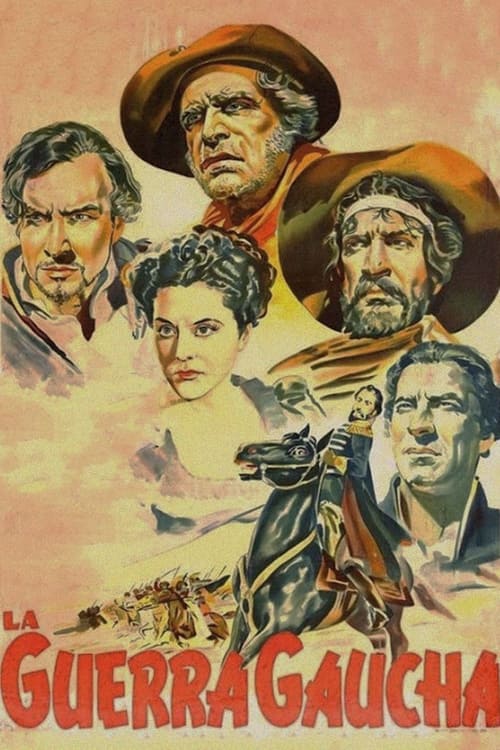
The story of the irregular forces on the north of Argentina, fighting against the Spanish Crown for the independence.
The Gaucho War

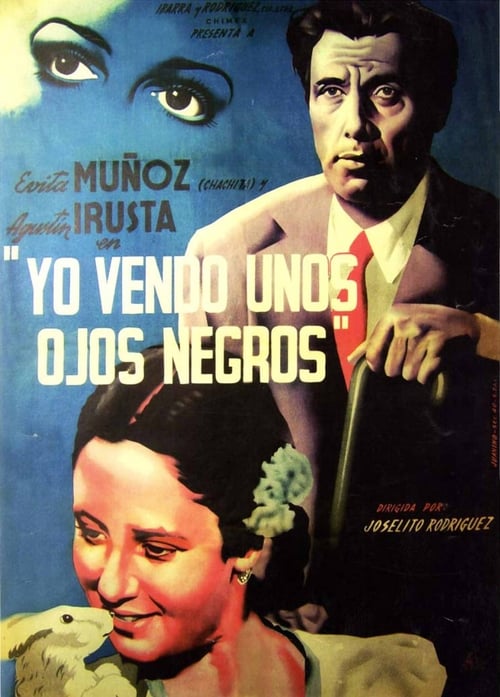
When her father dies, the young protagonist must endure the injustices of her stepmother. Her life changes when Uncle Carlos appears, a generous man who suffers from blindness and who falls in love with the village teacher, who ardently corresponds to him.
Yo vendo unos ojos negros

Based on an actual murder case that ignited a furious debate over the death penalty in Chile in 1960, this experimental social drama portrays the life and death of an illiterate peasant who, while drunk, murdered the woman with whom he had a relationship and her five children.
Jackal of Nahueltoro

The hard-working owner of a circus, Euríspides Chamorro (Eugenio Retes), goes to Santiago in search of his son, a medical student, but finds to his surprise that he has dropped out of school and no one knows his whereabouts. To make matters worse, one of his employees snatches the circus from him, starting an adventure to recover everything and to convince his son to become a doctor.
The Big Chamorro Circus

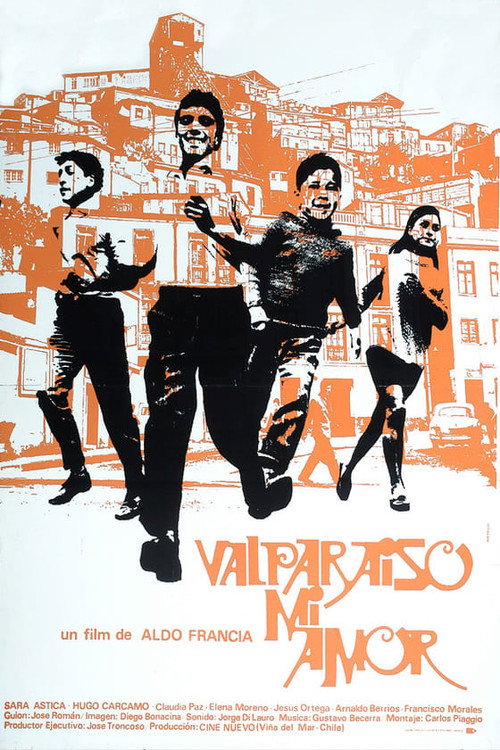
A story inspired by real events that took place in the port of Valparaiso. Four poor children have been abandoned because their father, who is out of work, steals cattle to feed them and the police have arrested him. The story takes up the children's point of view and is structured in four episodes that describe their inevitable descent into the world of marginality and crime. Faced with life in a brutal way, from their problematic social situation, they head towards a marginality that is difficult to avoid.
Valparaiso My Love

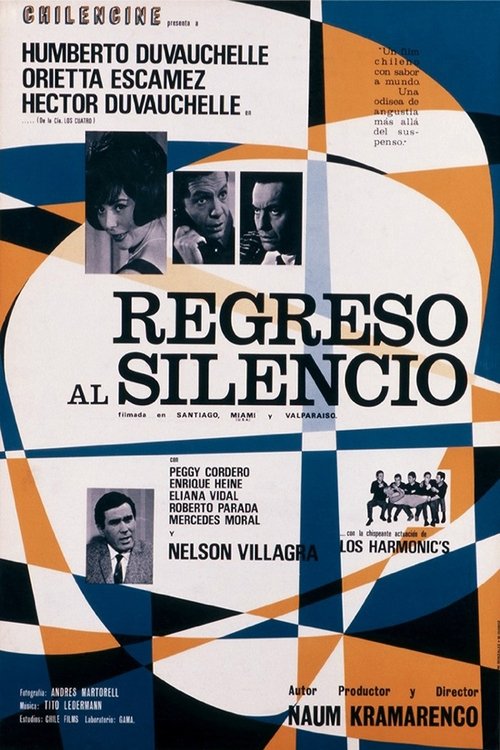
After living many years in Miami, Bill returns to Chile looking for his brother. One night they meet again and celebrate the event with a night of revelry. The next day, Bill wakes up alone and since then he loses all traces of his brother. Mysteriously a detective appears and offers to help, starting a searching and a succession of misunderstandings.
Return to Silence

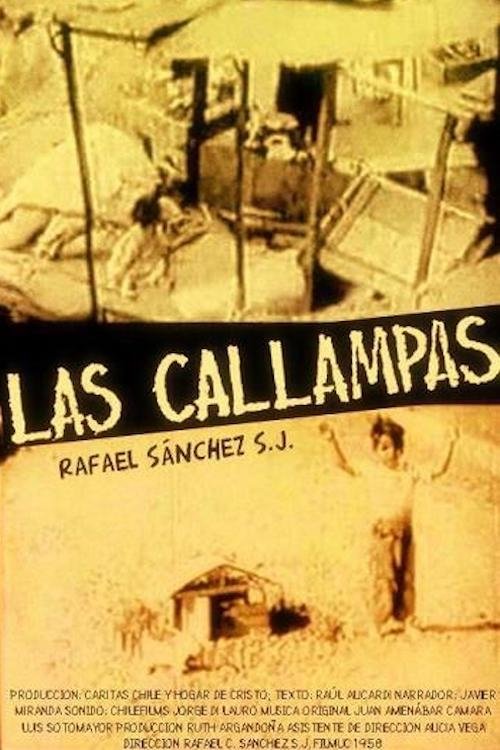
Documentary showing the formation of the population "Victory," a decision made by people affected by the fire in the ditch of Aguada, where they lived before.
Las Callampas

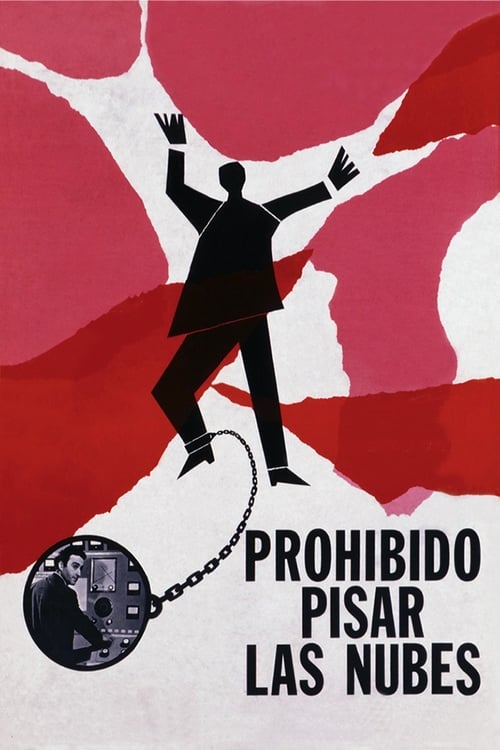
A textile factory accountant takes charge of a complex machine that is the axis of the whole factory. This will slowly turn him into a slave.
Forbidden to Step on Clouds

Visits the workshops of prominent Chilean painters and sculptors, a vision of artistic creation takes shape. Finally, the first Plastic Arts Fair in Parque Forestal was held, where several of them exhibited their works in the open air.
Los artistas plásticos de Chile

Feature film that wraps, through Jorge Lillo's text, three short films by Helvio Soto
Érase un niño, un guerrillero, un caballo…
Documentary about the beautiful places of northern Chile, where the sun and high temperatures are always present. The architecture of the most important cities and the work of albacore fishing are also shown.
Verano en Invierno

The action begins in 1847 with the arrival of the first German settlers in southern Chile. Don Vicente Perez Rosales is in charge of welcoming the immigrants who arrive by boat to the remote areas of Villarica. After the customary speeches promising loyalty to their new homeland, the settlers begin to work the land. Years pass. Frustrated Daniel, his noble brother Simón, and sweet Dora are three of those pioneers whom history revisits in their youth to explore a triangle of love and desire.
If My Fields Could Talk

The film narrates the problems faced by a small group from the small imaginary town of Tunco that arrives in Santiago to ask their representative in parliament for the construction of a road to improve communication alternatives for the inhabitants of the southern hamlet.
Un viaje a Santiago

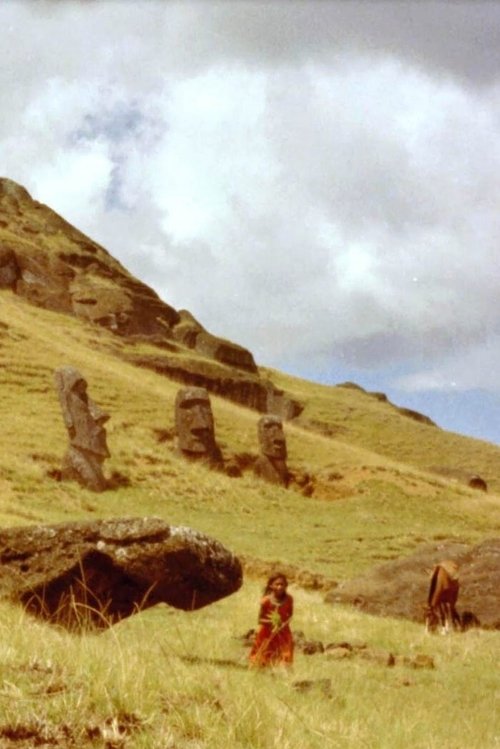
Poetic look at the history and mysteries of Easter Island, through its landscapes, its mythical sculptures, as well as its parties, ceremonies, with abundant songs and dances, which become the true guides of the documentary. Also noteworthy is the annexation of the island to Chile, thanks to Policarpo Toro, captain of the Chilean Navy.
Easter Island

A young man loses all his money by gambling and decides to commit suicide, but is interrupted by a mysterious man who invites him to join a suicide club, where, through letters, it is drawn who is going to die.