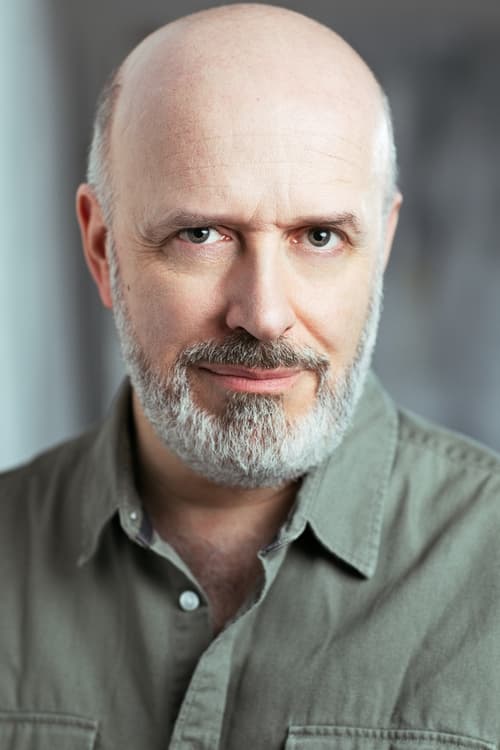
Jonathan Rigby
Acting
Known For
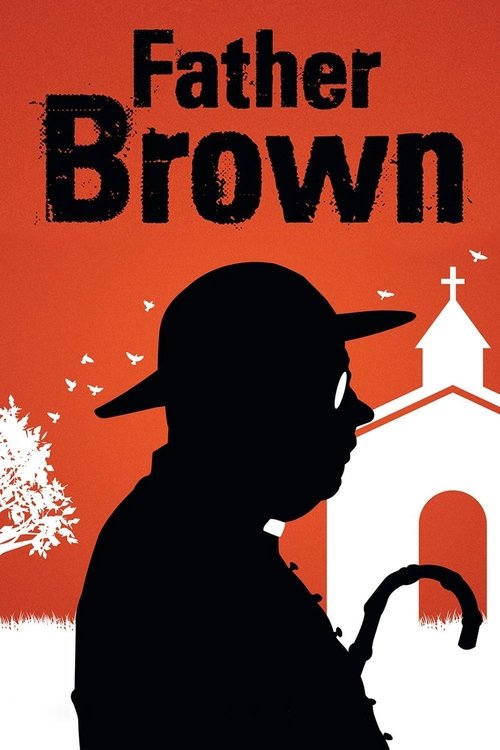
Father Brown is based on G. K. Chesterton's detective stories about a Catholic priest who doubles as an amateur detective in order to try and solve mysteries.
Father Brown
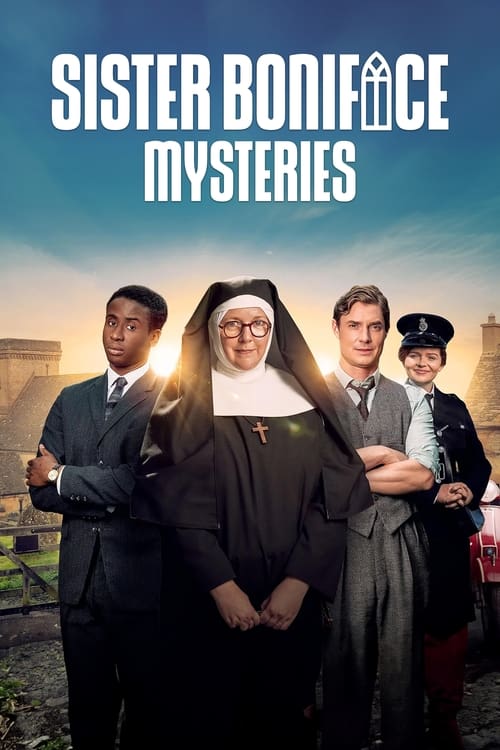
First there was Father Brown. Now, say hello to Sister Boniface. This clever, moped-riding nun is the police's secret weapon for solving murders in this divine Father Brown spin-off.
Sister Boniface Mysteries

A strand of annual British short television adaptations of classic ghost stories, referencing the oral tradition of telling supernatural tales at Christmas. First broadcast on BBC One from 1971 to 1978, and revived in 2005 on BBC Four.
A Ghost Story for Christmas
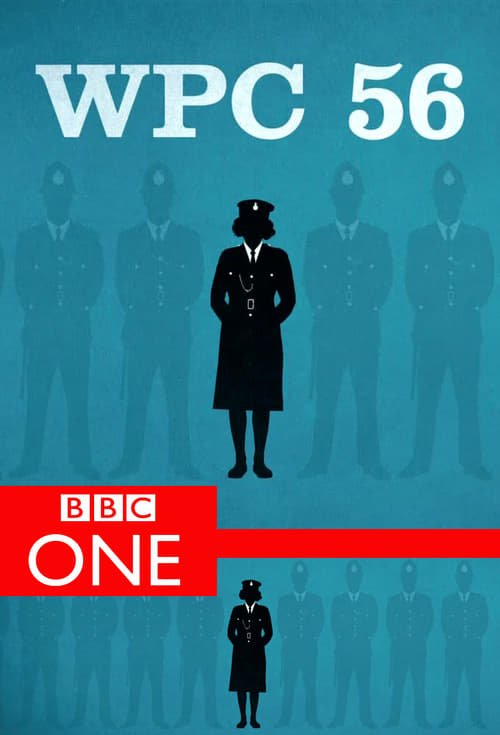
Drama following WPC Gina Dawson, the first Woman Police Constable to join Brinford Constabulary, a fictional police force in the West Midlands, in 1956. The show focuses on WPC Gina Dawson's struggle to gain acceptance in the male-dominated police station whilst having to deal with the sexist attitudes that were commonplace at the time.
WPC 56
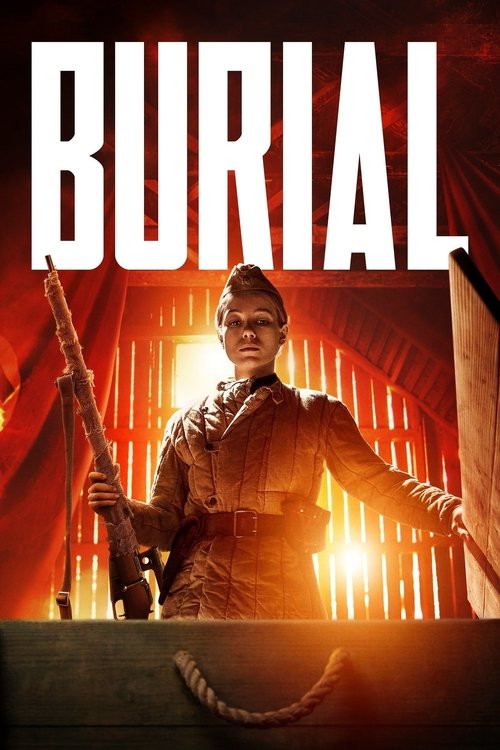
Set in the last days of World War II, a small band of Russian soldiers led by intelligence officer Brana Vasilyeva, who is tasked with trafficking the remains of Hitler back to Stalin in Russia. En route, the unit is attacked by German ‘Werewolf’ partisans and picked off one-by-one. Brana leads her surviving comrades in a last stand to ensure their ‘cargo’ doesn’t fall into the hands of those who would see it buried in order to hide the truth forever.
Burial
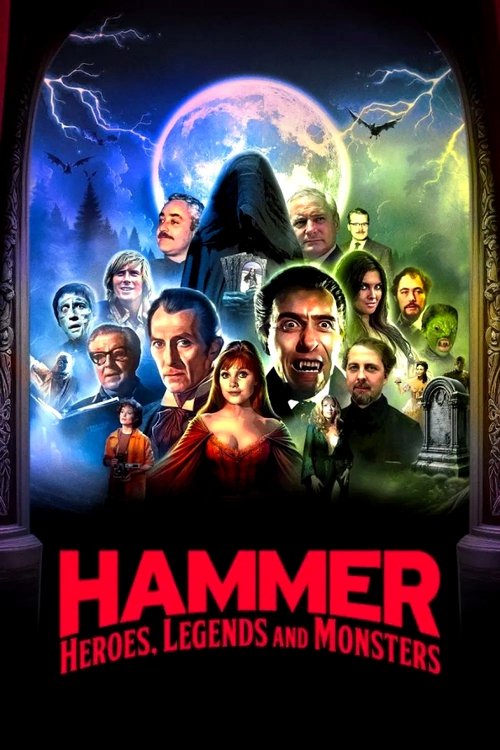
A look at Hammer’s progression from a back office in London’s Regent Street to its iconic status within the horror film genre. The company, started by comedian and businessman William Hinds in 1934, made films such as The Curse of Frankenstein, Dracula, and The Quatermass Xperiment during the period for which it is best known, making stars out of the likes of Christopher Lee and Peter Cushing.
Hammer: Heroes, Legends and Monsters
Down Place will forever be associated with the company that turned a quiet English countryside mansion into a film making powerhouse, responsible for countless stomach churning, skin crawling, jump out of your seat horror greats. Hammer re-christened Down Place as Bray Studios. The community that developed amongst the crew was unique, facilitated by the fact that at its height a film was completed every six weeks. Watch as many of the most prominent members of the crew recall their time at Bray in this remarkable five part series.
The House of Horror - Memories of Bray

An animated documentary chronicling famed paranormal investigator Harry Price’s research at Borley Rectory, renowned as the ‘most haunted house in England’.
Borley Rectory
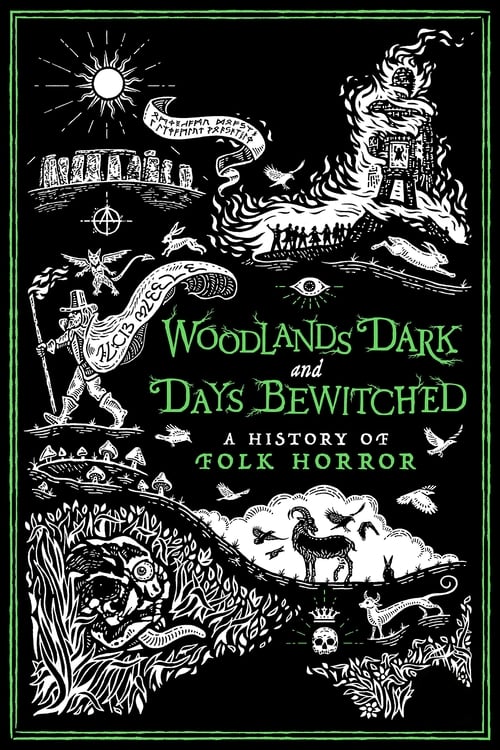
An exploration of the cinematic history of the folk horror, from its beginnings in the UK in the late sixties; through its proliferation on British television in the seventies and its many manifestations, culturally specific, in other countries; to its resurgence in the last decade.
Woodlands Dark and Days Bewitched: A History of Folk Horror
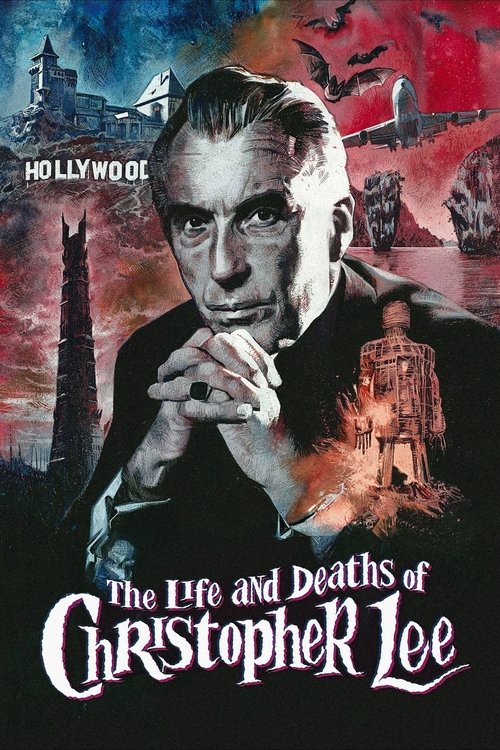
Aristocratic Italian roots, a close family connection to James Bond novelist Ian Fleming, wartime experiences in the British and Finnish military, post-war Nazi-hunting adventures and a side career as a heavy metal rock singer. And one of the most iconic actors of all time.
The Life and Deaths of Christopher Lee
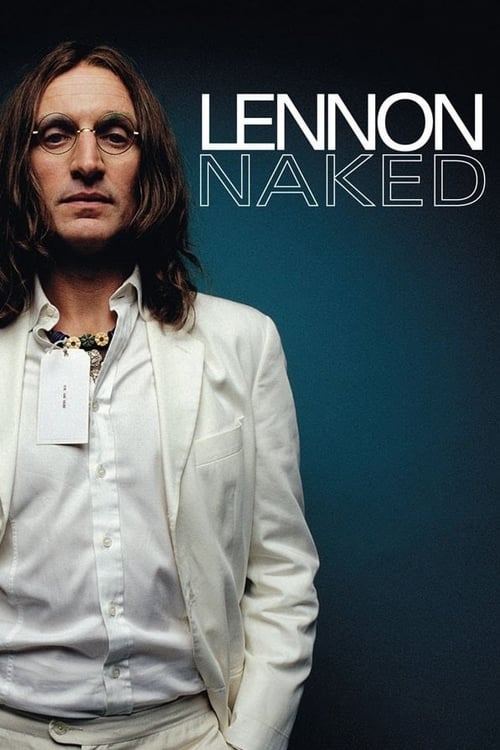
A profile of John Lennon in the late 1960s as the Beatles are set to fall apart.
Lennon Naked
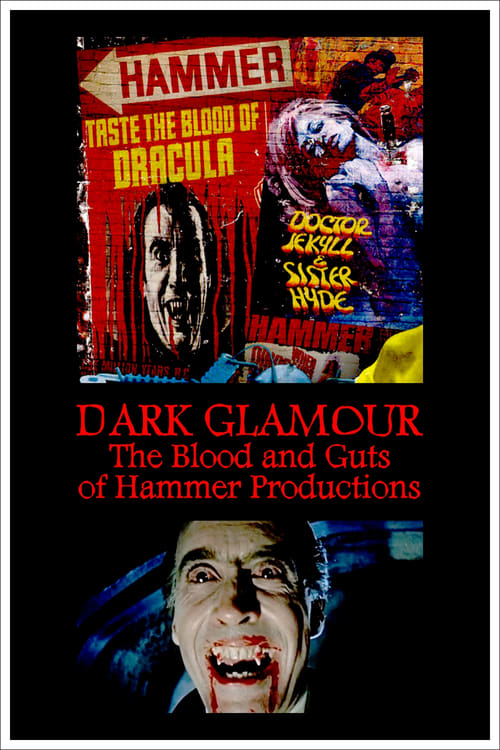
The greatness, fall and renaissance of Hammer, the flagship company of British popular cinema, mainly from 1955 to 1968. Tortured women and sadistic monsters populated oppressive scenarios in provocative productions that shocked censorship and disgusted critics but fascinated the public. Movies in which horror was shown in offensive colors: dreadful stories, told without prejudices, that offered fear, blood, sex and stunning performances.
Dark Glamour: The Blood and Guts of Hammer Productions
When P.R.O.B.E. is summoned to investigate the savage murder of a retired headmaster, Liz Shaw is disturbed to find evidence of satanic rite near the scene of the crime. She soon discovers a web of deceit and corruption that extends back in time, threatening the current occupants of nearby Winterborne School. With P.R.O.B.E. under threat from within and the death toll mounting, Liz finds herself under increasing pressure from all sides to produce results... The Devil of Winterborne is at large and only Liz can stop it!
PROBE: The Devil of Winterborne
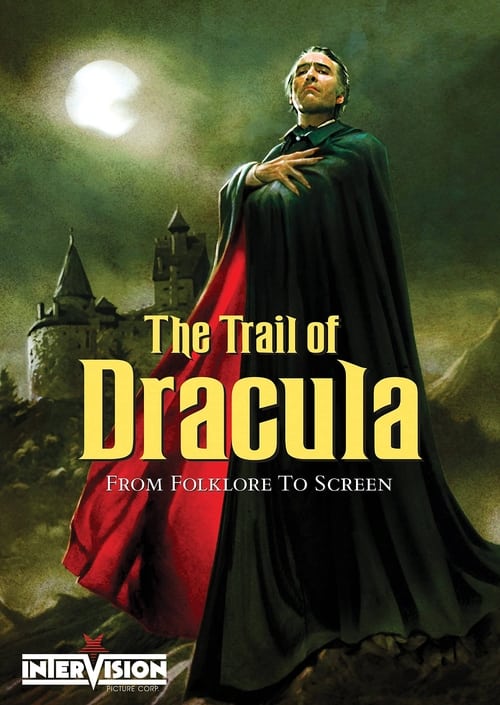
Diabolical. Seductive. Immortal. Vampires have been an icon of evil in folklore and popular culture for more than three centuries, yet only one name still personifies the ultimate aristocrat of bloodlust. Now join the world’s foremost experts on Dracula – including academics, authors and horror historians – as they explore the untold story of the Transylvanian Count, from the legend of Vlad The Impaler and Bram Stoker’s celebrated novel through its landmark stage productions and classic movie adaptations.
The Trail of Dracula
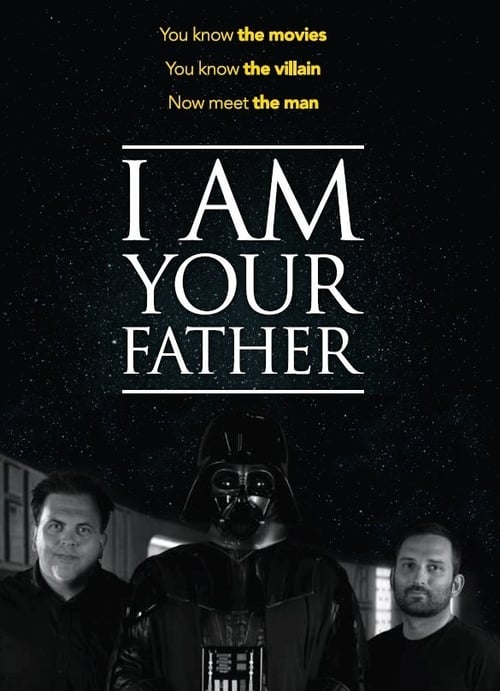
David Prowse is an eighty years old actor, who has lived behind Darth Vader's mask during three decades. A group of Star Wars fans find out why he has been apparently forgotten by Lucasfilm during thirty years, and decide to give him back the glory he never had. This is their last opportunity.
I Am Your Father
Cast, crew and critics discuss the BBC's 2005 remake of 'The Quatermass Experiment'.
Bring Something Back: The Making of 'The Quatermass Experiment'
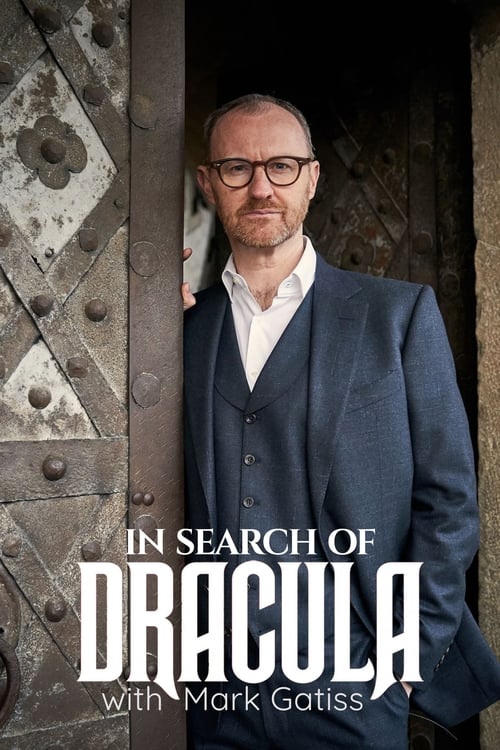
Mark Gatiss explores and celebrates Dracula, an icon of popular culture, asking just why we keep coming back to the count.
In Search of Dracula
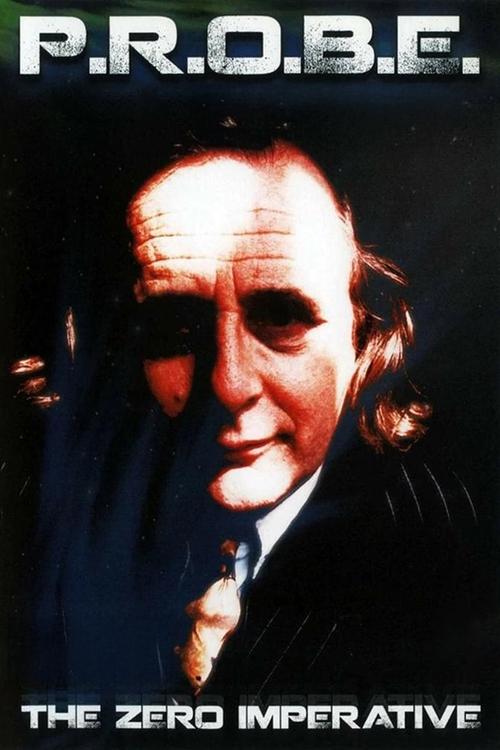
Former UNIT luminary Liz Shaw and her assistant Bayliss are investigating a series of bizarre murders, all committed near a soon-to-be-closed psychiatric hospital. When the hospital is unexpectedly reprieved by rich Industrialist Peter Russell events seem to move out of Liz's control. Are the incumbent director of the clinic, Doctor Dove and his predecessor Doctor O'Kane harboring the killer? What is the centuries-old horror hidden in the grounds? And what exactly is the secret of room zero?
PROBE: The Zero Imperative
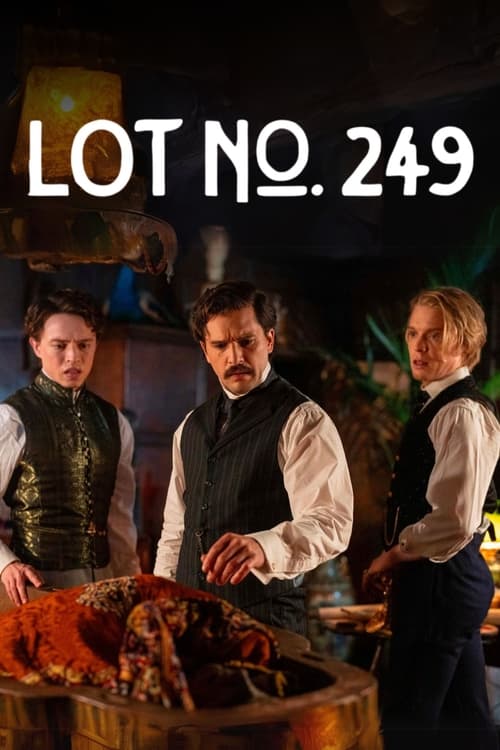
It’s 1881, and Old College, Oxford plays host to three very different academics. Abercrombie Smith is a model of Victorian manhood, clean of limb and sound of mind. Monkhouse Lee is a delicate and unworldly student from Thailand. And occupying the rooms between them is the strange and exotic Edward Bellingham, whose unnatural researches into the secrets of ancient Egypt are the talk of the college. Can Bellingham’s experiments truly bring the breath of life to the horrifying bag of bones that is the mysterious Lot No 249?
A Ghost Story for Christmas: Lot No. 249

A documentary produced for Universal about their early Wolf Man film(s)