Carlos Bustamante
Directing
Known For
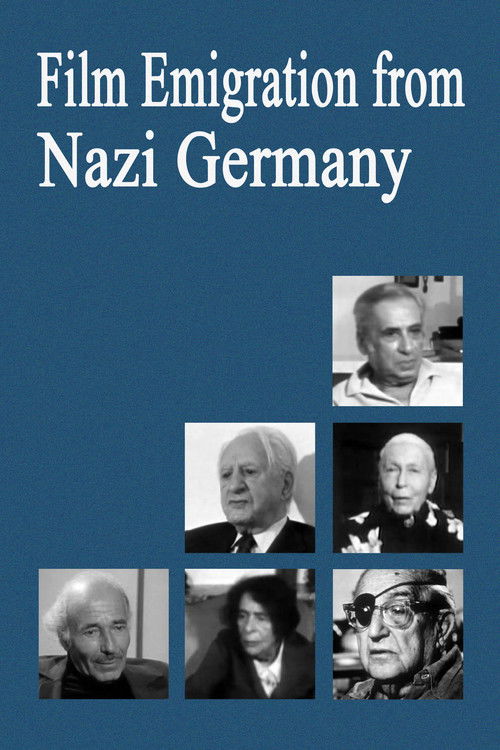
Based on extensive interviews, shot on 16mm in a series of static long takes, Filmemigration aus Nazideutschland, is one of the most fascinating examples of "Film history on film" ever produced. Straschek devoted years to researching the topic and accumulating both film and non-film materials. Apart from some radio features and articles, however, this 290-minute TV programme remains the only published trace of Straschek's lifelong work on the emigration of film personnel. He had intended to publish a three-volume book, encompassing all available data about 3,000 emigrants originating from the centre and peripheries of film production, but the book never materialised.
Film Emigration from Nazi Germany

People are dying mysteriously and gruesomely, and nobody has a clue what the cause is. Only health worker Mike Brady has a possible solution, but his theory of killer slugs is laughed at by the authorities. Only when the body count begins to rise and a slug expert from England begins snooping around does it begin to look like Mike had the right idea after all.
Slugs
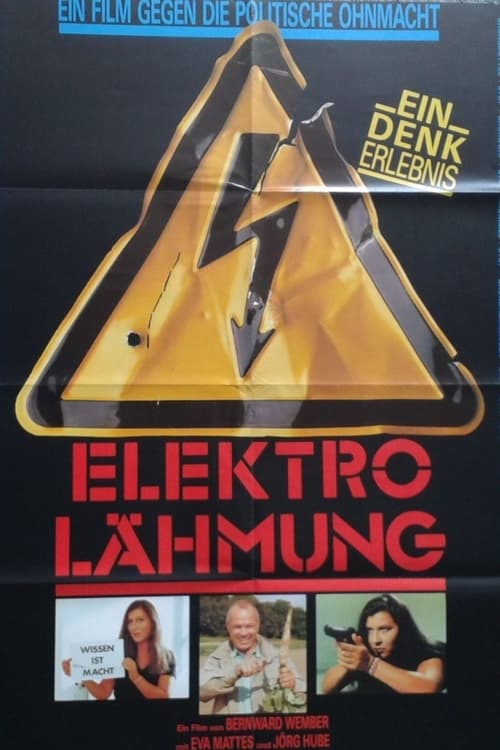
An initiative discusses a videotape in which a group of activists portrays themselves and their work against the "nuclear power mafia." After argumentatively and polemically confronting the economic and political power of the energy industry, the activists call for the shutdown of escalators to counteract people's electro-paralysis.
Elektro-Lähmung - Ein Film gegen die politische Ohnmacht

A beautiful woman, Supergirl Francesca Farnese, appears out of nowhere on a Bavarian highway. She wears only an orange jumpsuit and wants to go to Washington. Playboy Charly first takes her to Lake Starnberg, where she meets best-selling author Evers. He immediately leaves his wife and travels with Francesca to Spain, where he negotiates a project with the American film producer Polonsky. No one remains unimpressed by the mysterious beauty. Supergirl remains elusive— she quickly disappears again, leaving behind a warning to the inhabitants of Earth that an attack from outer space is imminent...
Supergirl

While working on "Deutschlandbilder" (1983), Hartmut Bitomsky was examining film material produced by the Nazi regime when he came across an abundance of footage documenting the planning and construction of motorways. In this found footage documentary he investigates what this material actually says: the motorway is stylized within it as a promise of progress and modernity, a "lifeline of the nation", less a straightforward piece of infrastructure than a prestige object, a work of art.
Reichsautobahn

The story of the dog from the title, who in a frame narrative explains how he came to be transformed from an unemployed communist filmmaker into a canine with a philosophical bent. Unable to finance his new project, young Berlin-based director Julian tells foreign exchange student Camille that his job in the countryside is research for an upcoming film. When Camille offers to help, he is forced to uphold the lie. The plantation isn’t the proletarian idyll he had hoped for, but fortunately the reincarnation of Francis of Assisi provides spiritual insight and a new aim in life.
Self-Criticism of a Bourgeois Dog
The revolution is as good as over, but the captain wants to send his crew into one last battle. Before this can happen, however, he is murdered. The crew is finally free. Meanwhile, the revolutionary Snow White has hidden on the ship, but she is discovered.
Navy Cut
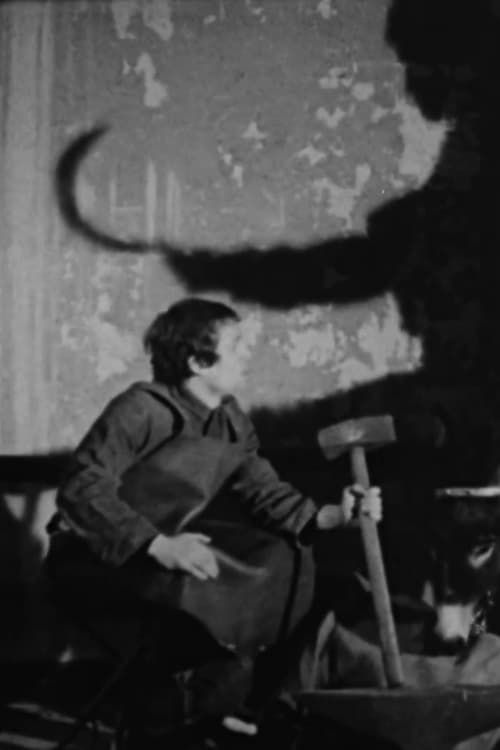
An educational film about an aspect of political economy. The concepts of use value, barter value and labor as a commodity are the subjects; they are intended to introduce the process of understanding the theory of value of work and the law of values, alienation and fetish.
Something Self Explanatory (15x)
“Why does cinema need death, when it can’t show it?” The filmmaker’s monologue and the discourse of images meet
Cinema and Death

A worker is sitting at a conveyor belt on which light bulbs are coming in at regular intervals. He takes the light bulbs from the conveyor belt and inserts them into a testing device. The light bulbs light up briefly and bathe the scene in glistening light. The worker puts the light bulb back on the conveyor belt, looks directly into the camera and shouts against the noise of the machines: "We create wealth."
Die Teilung aller Tage
Documentary by Helma Sanders-Brahms.
Die Maschine
Men playing a card game and stripping.
Am Ende der Krankheit
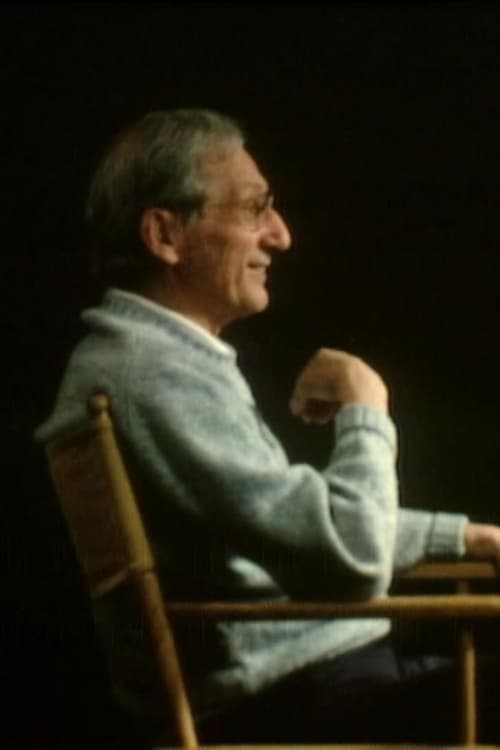
Documentary about American filmmaker Abraham Polonsky.
Innere Sicherheit: Abraham Polonsky

Atmospheric short based on the aesthetics of Dreyer.
Der einsame Wanderer
Straschek's film points to the gap between workers and intellectuals and describes the "difficulties of the revolution" in a biting and witty way.
Zum Begriff des 'kritischen Kommunismus' bei Antonio Labriola (1843-1904)

Hans Magnus Enzensberger's film about Spanish anarchist Buenaventura Durruti (1896-1936).
Durruti - Biography of a Legend
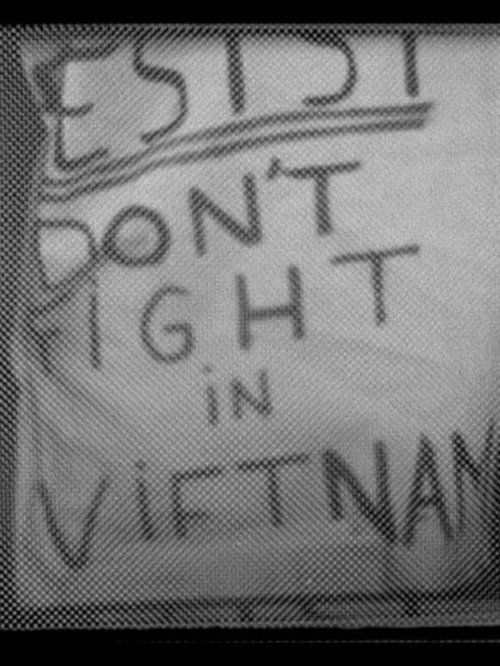
Activist short about the Vietnam war.
De Oppresso Liber

A film about the feeling of beeing under attack.
The Green Beret

Short experimental film by (and starring) Skip Norman dealing with racism, black/white relations, the blues.
Blues People
In September 1983, a sword is forged into a ploughshare in Wittenberg. It is the most spectacular action of the peace movement in the GDR. Its initiator was the Wittenberg theologian Friedrich Schorlemmer.