Franz Welser-Möst
Acting
Known For
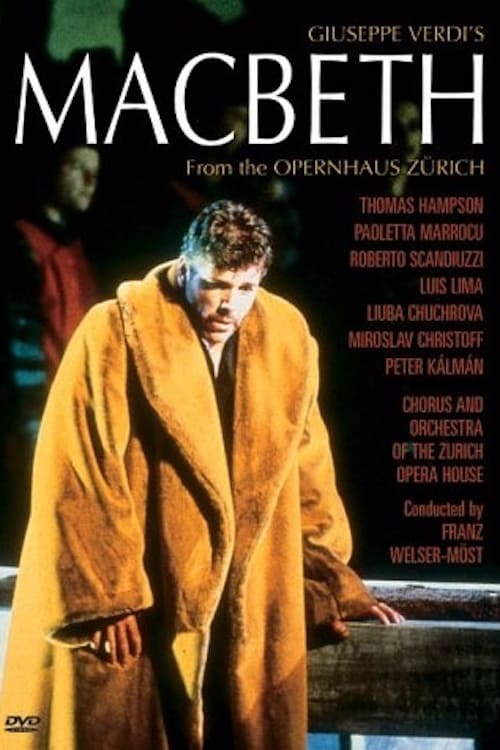
This hard-edged postmodern production of Giuseppe Verdi's haunting masterpiece brings the story of Shakespeare's bloody tragedy to vivid life, characterized by spine-tingling atmospherics and a triumphant debut by American baritone Thomas Hampson in the title role. This Zurich Opera House production also features a mesmerizing turn by Paoletta Marrocu as the beautiful, power-hungry Lady Macbeth, while striking sets and costumes further enhance the duality of the main character whose rise and fall mirror the darkest impulses of man. Replete with supernatural mystery, sexual tension, and violent power plays, this timeless story remains gripping and chilling for today's audiences and boasts some of the most astonishing music of Verdi's legendary body of work.
Macbeth
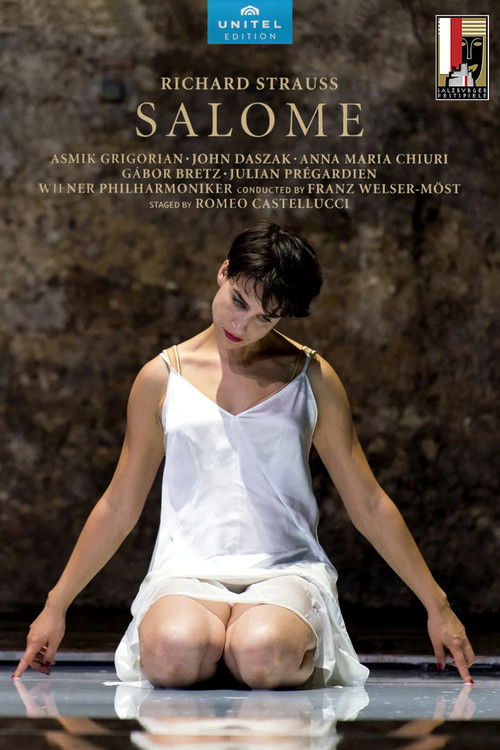
The story is set at the beginning of the Christian era on a large terrace of Herod’s palace, during the reign of Herod Antipas. At night, on a terrace of the palace, Salome, Herod’s stepdaughter, is gazed at passionately by Narraboth, captain of the guard. Jochanaan, a prophet, is imprisoned in a cistern for having slandered Herod. He proclaims the coming of Jesus, but his message is met with incomprehension by the guards. Salome hears the prophet. She manages to convince the guards to bring Jochanaan out so she can see him. Both fascinated and frightened by his prophecies, Salome falls passionately in love with this man. Richard Strauss’s opera at the 2018 Salzburg Festival, directed by Romeo Castellucci at the Felsenreitschule. In her debut in the title role, Asmik Grigorian distinguished herself with her talents as a singer and actress.
Strauss: Salome
Live production of the Mozart opera Die Zauberflöte.
Die Zauberflöte
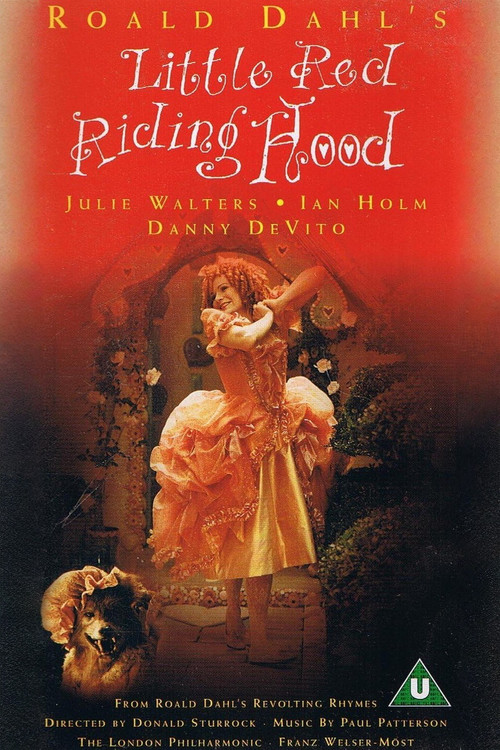
Roald Dahl's version of Little Red Riding Hood
Little Red Riding Hood
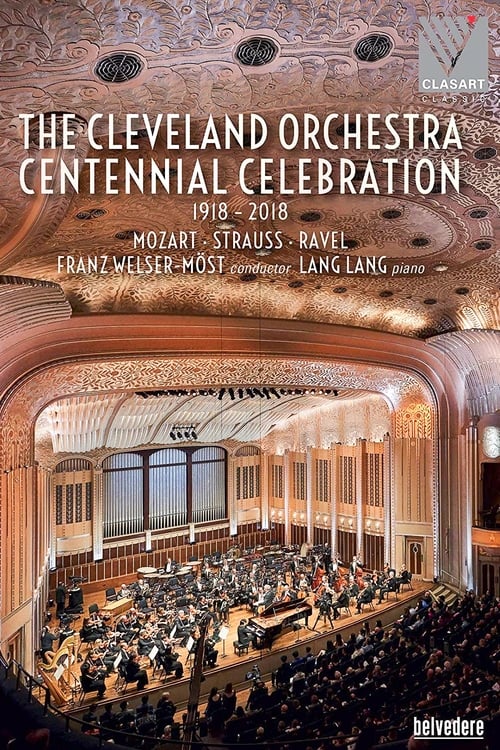
No description available.
The Cleveland Orchestra Centennial Celebration
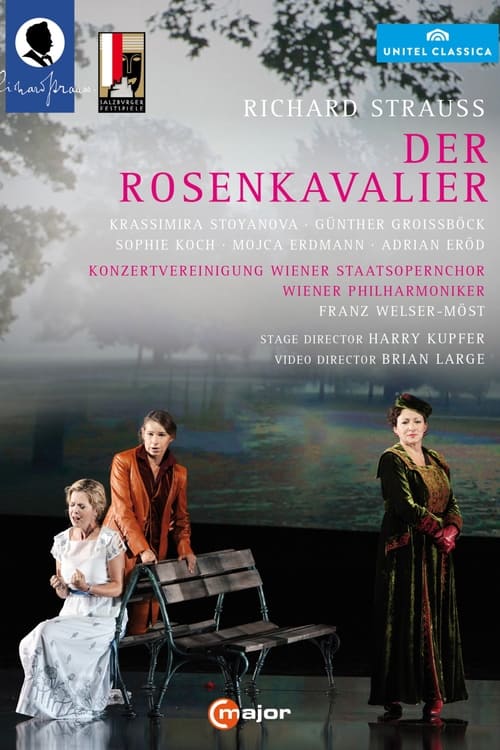
With their “musical comedy” in the spirit of Mozart, Richard Strauss and his brilliant librettist Hugo von Hofmannsthal created the most popular of all their works and one of the most frequently performed operas of all time. Disguised as a refined comedy, light as a feather and extremely entertaining, “Der Rosenkavalier” tackles universal themes such as love, sexuality, marital fidelity, and the changes that human relationships undergo over time. All set to music of the most sumptuous kind. With its prestigious cast under the inspired direction of Harry Kupfer, the 2014 Salzburg Festival production of *Der Rosenkavalier* was one of the most internationally acclaimed interpretations of the work since the start of the new millennium.
Strauss: Der Rosenkavalier
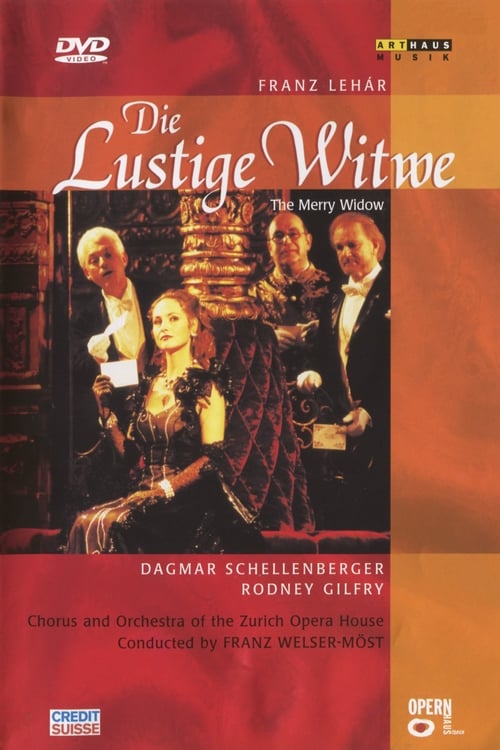
Zurich Opera House production of Franz Léhar's operetta, with Dagmar Schellenberger, Rodney Gilfry, and Ute Gfrerer in lead roles. Baron Zeta is desperate that the fabulously wealthy widow Hanna Glavari marry a Pontevedrian man so that her fortune remains in the country. He attempts to match her and his handsome attaché, Danilo. It turns out that Danilo and Hanna had had a love affair in years past. Nevertheless, Danilo now refuses to love her because he doesn't want to appear like he is only interested in her money...
The Merry Widow
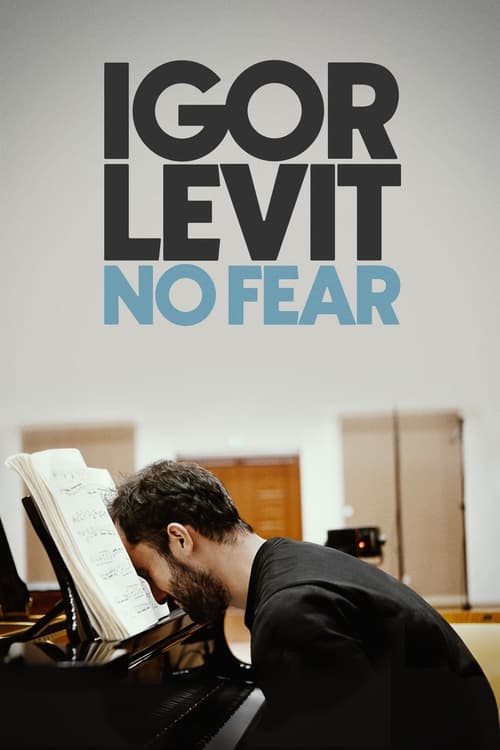
Follows the artist over two years as he explores his „life after Beethoven“, as he searches for his next challenge, his identity as an artist.
Igor Levit: No Fear
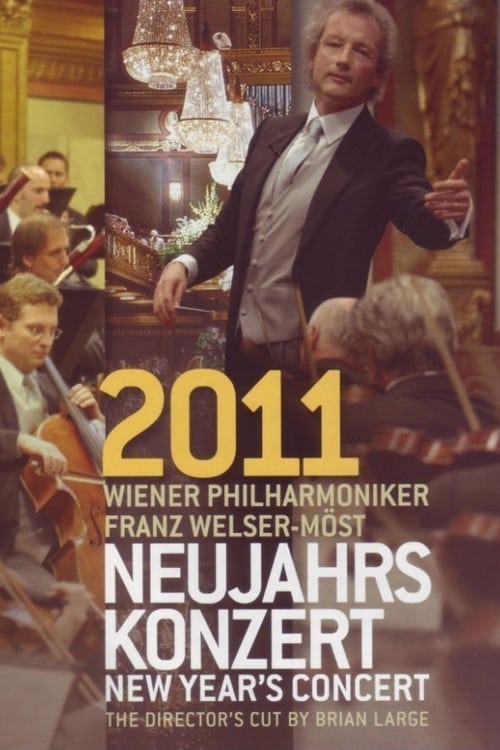
Wiener Philharmoniker, conductor Franz Welser-Most
New Year's Concert 2011
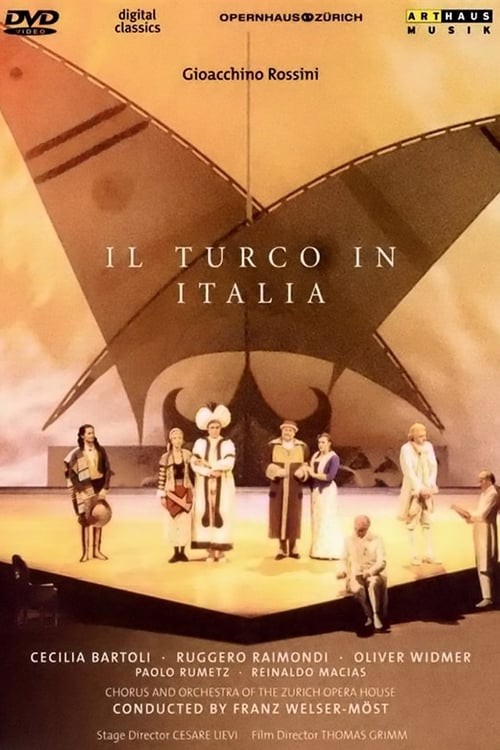
When a wealthy Turkish aristocrat arrives in a humble Italian town, the married women roll their eyes in delight, their rival lovers lose out, and the husbands rage with jealousy. These may be silly clichés, but they are the subject of IL TURCO IN ITALIA and the composer plays with them – quite deliberately. He knows that he is putting archetypes of Italian comedy on stage with figures such as the exotic lady-killer Selim, the young woman Fiorilla, who is chained to the stove at home, but adventurous, and her husband Geronio, who is ridiculous because he is much too old – and relishes the ironic exaggeration. Franz Welser-Most conducts the Zurich Opera House Chorus and Orchestra in this performance of Rossini's opera buffa.
Rossini: Il turco in Italia (Opernhaus Zurich)

This DVD of a live 2005 performance from the Zürich Opera under the musical direction of Franz Welser-Möst has many things to recommend it -- the young tenor Piotr Beczala as Alfredo, the marvelous Thomas Hampson as Giorgio Germont, the playing of the Zurich Opera orchestra, the simple but effective sets by by Erich Wonder, the uncluttered stage direction by Jürgen Flimm. It also has some flaws: strangely variable volume level of the recorded sound sometimes coming on so loud as to make one reach for the volume control, and the uneven performance of the Violetta, Eva Mei who, for all her merits, gives a dramatically effective performance marred by occasional difficulties with vocal production. Still, overall I felt this was a moving production, one that I would recommend, although perhaps not as an only DVD of one of Verdi's most popular operas.
Verdi La Traviata
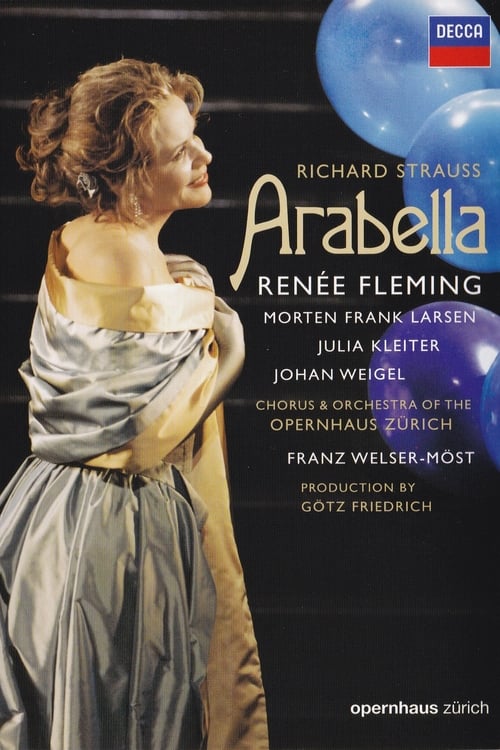
Arabella, Op. 79, is a lyric comedy or opera in three acts by Richard Strauss to a German libretto by Hugo von Hofmannsthal, their sixth and last operatic collaboration. Arabella is determined to marry for love, not wealth - against the wishes of her impoverished aristocratic parents. When she gives her heart to the mysterious Mandryka, a series of misunderstandings puts their love to the test.
Arabella
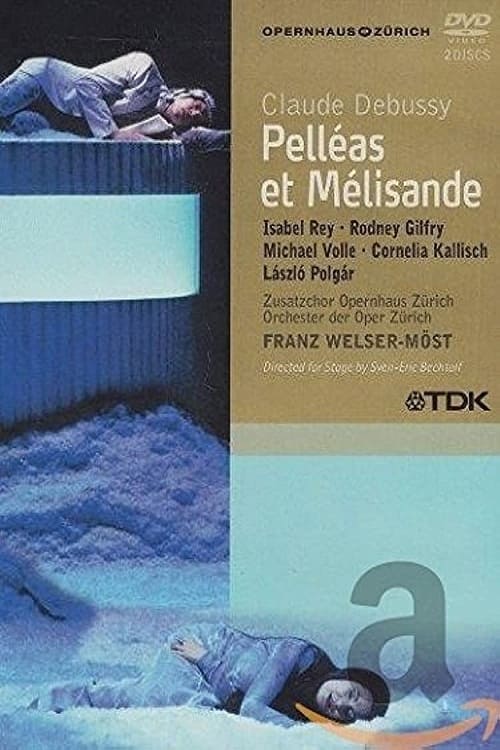
Claude Debussy's fairy tale-based opera Pelléas et Mélisande is by now well known; at once a tale of doomed love and a meditation on the cycle of creation and destruction (adapted from Maurice Maeterlinck's 1893 symbolist play), it originally premiered in 1902 to mixed critical reception, but has since become a staple of the operatic repertory and one of the most popular works from Debussy's canon. This particular production emerged from the Opernhaus Zürich in 2004. It stars Rodney Gilfry as Pelléas, Isabel Rey as Mélisande and Michael Volle as Golaud. Franz Welser-Möst conducts the Zurich Opera Orchestra; Sven-Eric Bectholf directs for the stage.
Pelléas et Mélisande
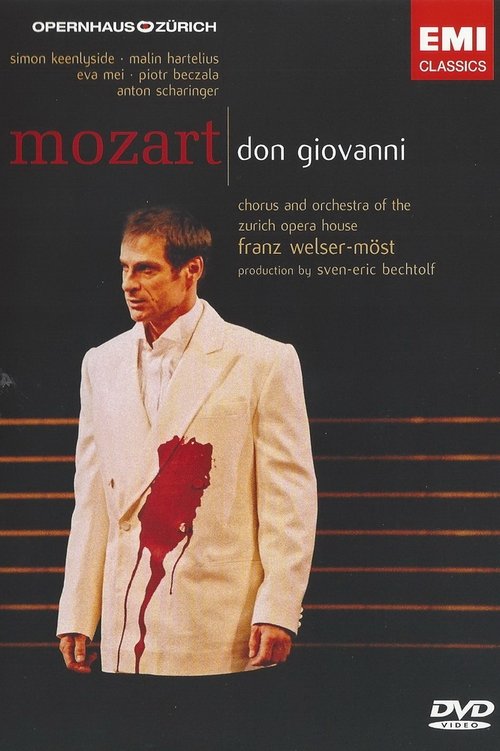
No description available.
W.A. Mozart, Don Giovanni. Opernhaus Zürich

For the 65 time Live traditional New Year's concert from the beautiful Musikverein in Vienna. The concert, broadcast in 90 countries and reaching an audience of over 40 million people, features, as usual, polkas, waltzes and overtures from the Strauss clan and their contemporaries. For the third time, the Vienna Philharmonic Orchestra is led by the conductor Franz Welser-Möst and the Vienna Children's Choir also participates. Swedish commentator: Camilla Lundberg.
New Year's Concert 2023
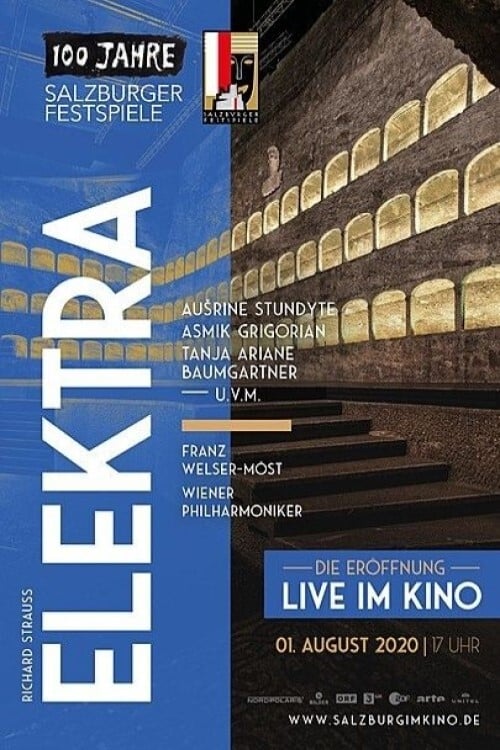
Celebrate the triumphant return of the famed Salzburg Festival with this extraordinary production of Richard Strauss’s Elektra, live from the spectacular Felsenreitschule! Lithuanian soprano Aušrinė Stundytė makes her grand debut on the mythical festival stage in the title role, accompanied by the marvelous Ariane Baumgartner and Asmik Grigorian in the roles of Klytaemnestra and Chrysothemis, respectively.
Elektra
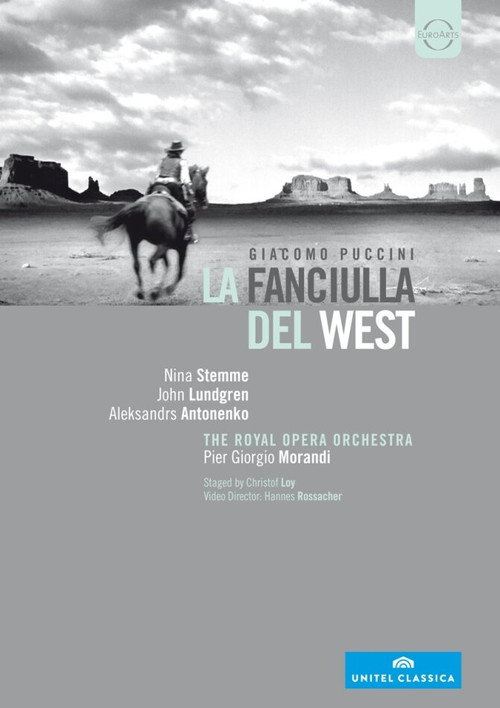
No description available.
Puccini - La Fanciulla del West
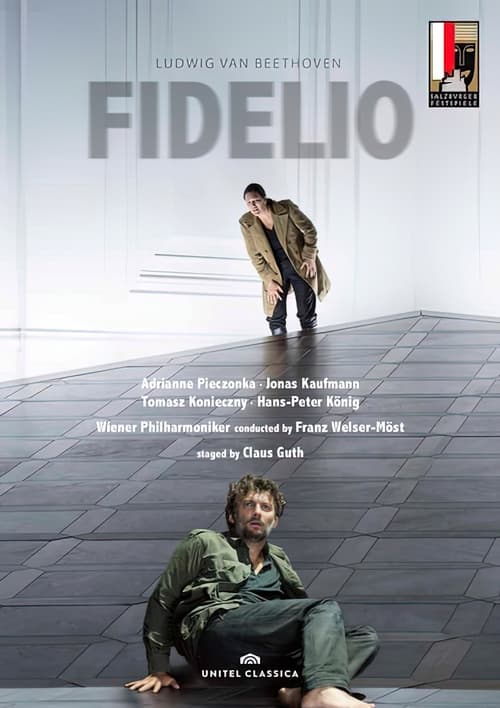
No description available.
Beethoven: Fidelio - Salzburg Festival
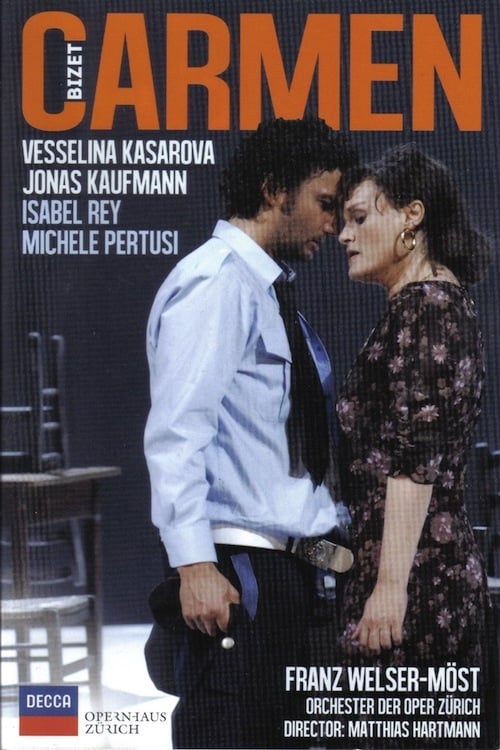
Live recording from Oper Zurich, 2008, DVD release 2014. Jonas Kaufmann, 'the Prince of Tenors', appears with international star Vesselina Kasarova in Zürich Opera's starkly palpable staging of Bizet's ever-popular Carmen. The production sees Don José (Kaufmann) abandon his teenage attitudes in pursuit of Kasarova's free and independent Carmen - realising too late that his self-control has vanished, along with his youth.
Bizet Carmen
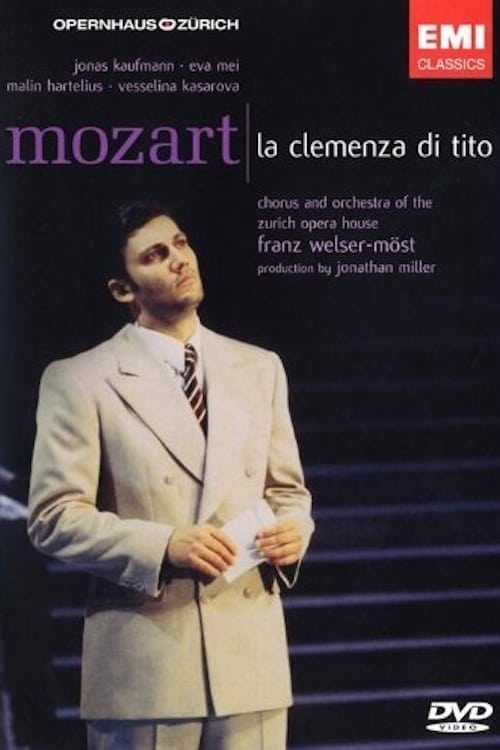
This is an effective staging, though the set looks medieval and the costumes are modern. It’s well paced, well played, well sung. Jonas Kaufmann is an ideal Tito. His voice is not only beautiful and flexible, it’s also ample, retaining warmth and sweetness when he sings out. The character of Tito is too good to be true, but Kaufmann makes him intense, noble, and beliveable. Vesselina Kasarova is riviting as Sesto. Her voice is gorgeous and multi-colored, her technique exquisite, her immersion in the role complete.