
Joana Collier
Editing
Known For
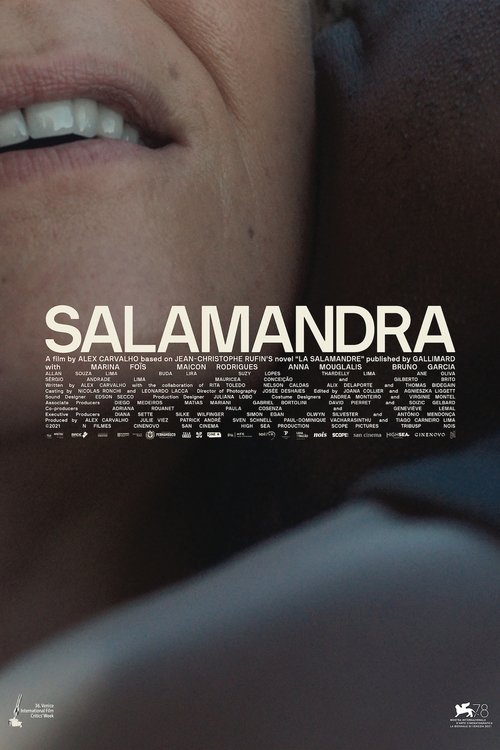
Paralysed by fear of the future, a middle aged French bureaucrat escapes to Brazil where a destructive affair with a boy forces her to learn to live in the present.
The Salamander
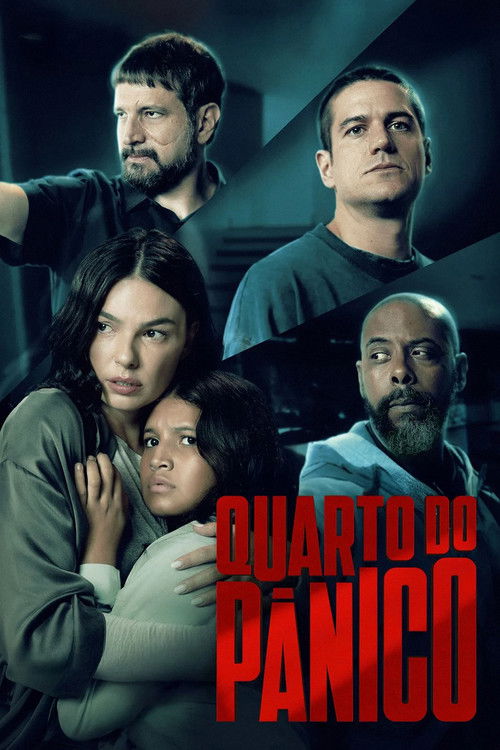
A woman and her daughter move into a house with a panic room, a secret space where residents can hide in case of danger. When alleged burglars break into the house, they take refuge in the room, until they discover that it is precisely there that the trio of intruders are looking for.
Quarto do Pânico

Hebe Camargo is one of the most emblematic entertainments in Brazil. At her 60s, she went on to control her own career and, despite the criticism, the dreadful husband and the powerful and sexist bosses, she revealed herself to the public as an extraordinary woman, capable of overcoming any personal or professional crisis.
Hebe

Chinese filmmaker Jia Zhangke returns to the shooting locations of his films, along with his actors, friends and close collaborators. Jia recalls the inspiration sources for his movies, such as Platform, Still Life and A Touch of Sin. The film is the memory of a filmmaker and of a country in convulsion, China, which reveals itself little by little.
Jia Zhangke, A Guy from Fenyang

Russas, a small town in northeastern Brazil, is the home of Pacarrete, a grumpy retired dance teacher who dreams of getting a big shot and starring at a dance spectacle for the whole town to see. She's close to fulfilling that dream, but not without overcoming a few impediments along the way.
Pacarrete

Lúcia is a renowned police investigator. At age 50, has dedicated her entire life to her profession and is a respected name among her peers. Everything changes during an investigation, a writer that was writing the memoir of one of the drug trafficking lord, and had his phone tapped illegally by Lúcia, is assassinated and she is under investigation by her superiors. At the same time, she finds out she has Alzheimer.
A Suspeita
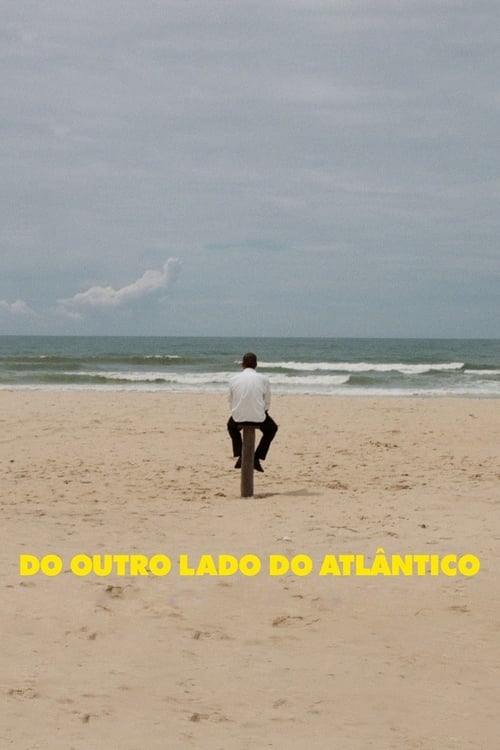
The Other Side of the Atlantic is a documentary that builts a bridge in the ocean that separates Brazil and Africa. The film tackles the cultural exchanges, the imaginary created through the mirroring, the prejudice and dreams built in both sides of the atlantic through the life stories of the students of african countries in transit through Brazil.
The Other Side of the Atlantic
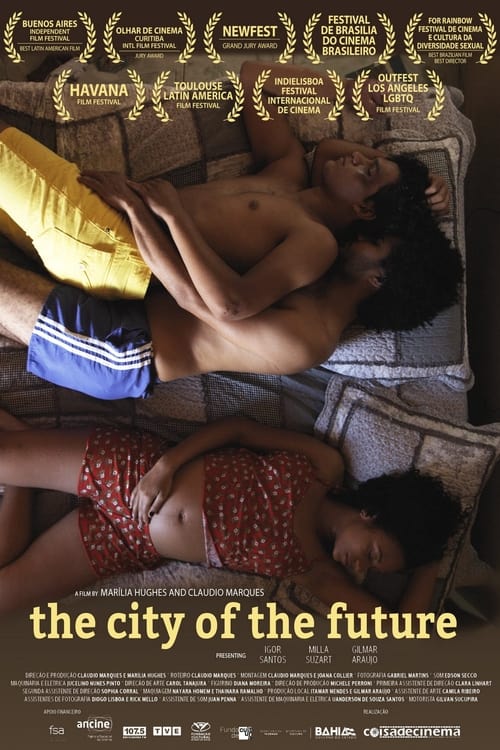
In Serra do Ramalho, in the drylands of Bahia, Milla, Gilmar and Igor will form an unconventional family that shuns convention and instead embraces love in all its dazzling iterations.
The City of the Future

When Max, a former MMA world champion about to retire, discovers he has an 8-year-old autistic son, his life is turned upside down. Now, as he trains for one last opportunity to regain his world champion title, Max must deal with his new family and his father, from whom he has long been estranged.
MMA - A Fathers Fight

The narrative takes place in 1888 and tells the story of Lenita, a young woman, raised by her father, with an educated background, who disregards the existence of a man at his intellectual height. The film exposes the character's internal conflicts and the conventions of the time.
Natureza Morta

In Justiça, Maria Ramos puts a camera where many Brazilians have never been – a criminal courtroom in Rio de Janeiro, following the daily routine of several characters. There are those that work there every day (public attorneys, judges, and prosecutors) and those that are merely passing through (the accused).
Justice

Vicente is a retired widower teacher who lives between lucid dreams and everyday life in the Alecrim neighborhood.
The Cage and the Dream

Rejane returns to her hometown, Paraíso, in search of answers to her brother's murder.
Fim de Semana no Paraíso Selvagem
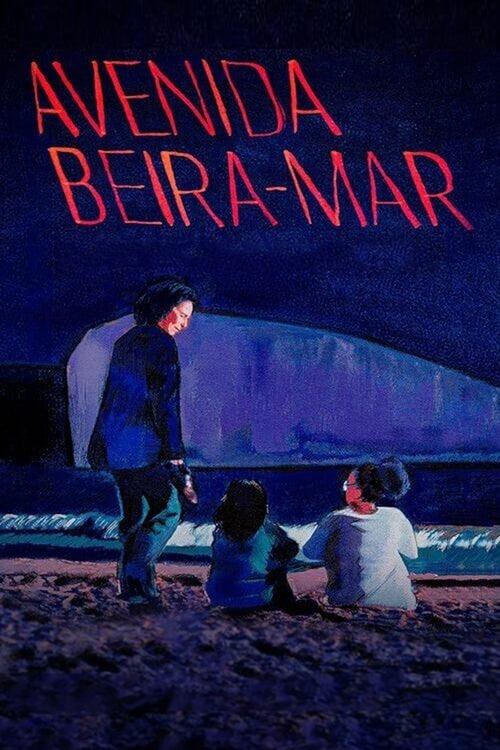
Rebeca is a shy 13-year old girl. She has just moved with her mother to an isolated neighborhood in a small town, near Rio de Janeiro. Since someone is breaking into empty houses, Rebeca is forbidden to go out and spends her days alone, watching from above the wall the street where she lives. Until she sees Mika, a girl of her age, skating down her street. Soon Rebecca finds out that Mika is a trans girl. All this time, she’s been stealing small feminine objects from the local houses. The girls are bound together. Their worlds collide.
Seaside Avenue
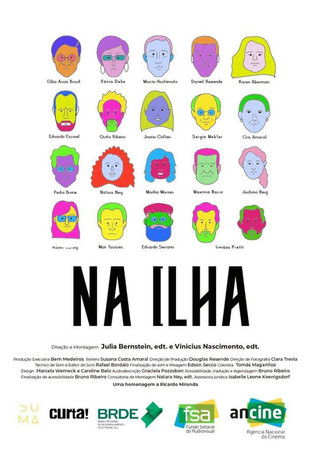
Immersive documentary in the film editing process. Twenty Brazilian cinema editors expose the nuances of this art, its secrets and processes.
Na Ilha
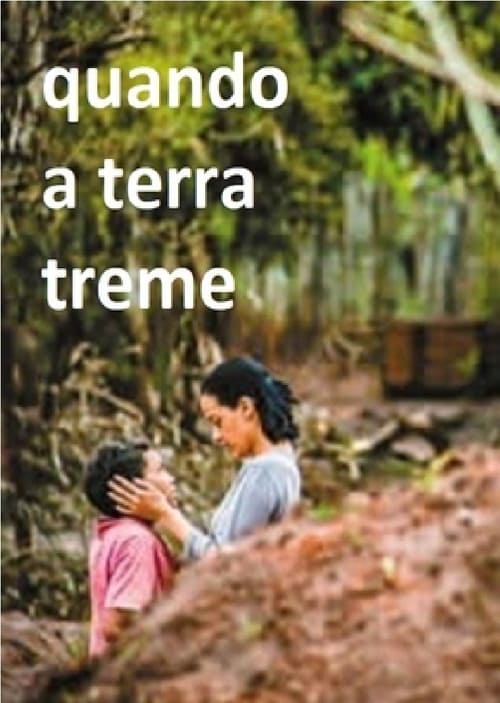
The story of a family who has their lives crushed by the tragedy of the floods in Mariana (Minas Gerais, Brazil)
When the Earth Trembles

In Rio de Janeiro, over many days, the director Maria Ramos witnesses and films the judgment of several teenagers accused of stealing, trafficking and murdering. Underage youths are protected by the Brazilian laws and their faces can not be exposed; therefore, they are replaced by teenagers from poor communities.
Behave
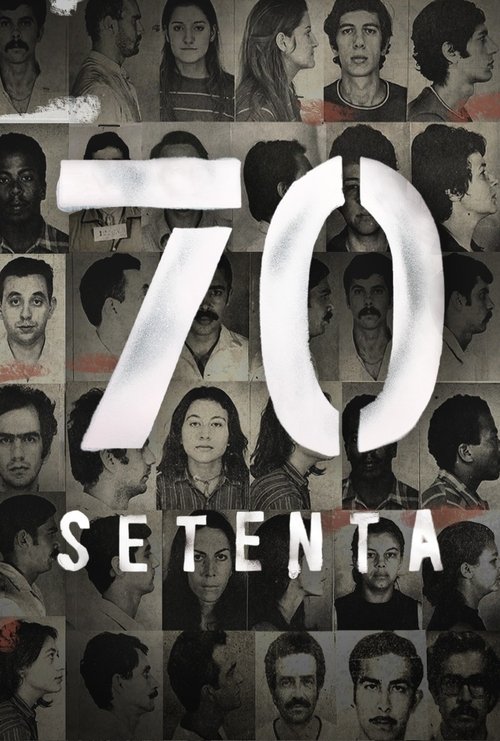
In 1970, Brazil was in the throes of a military dictatorship that lasted 20 years. Persecutions, arrests, killings, kidnappings. The film Seventy rejoins 18 characters of this story, forty years later. The film mixes the excitement of revisiting the past with a vision, sometimes even good humored of everything they lived. Many years afterwards they relive their experience of pain, violence and survival, of rebuilding their own story and continuing to believe in the possibility of improving the world.
Seventy
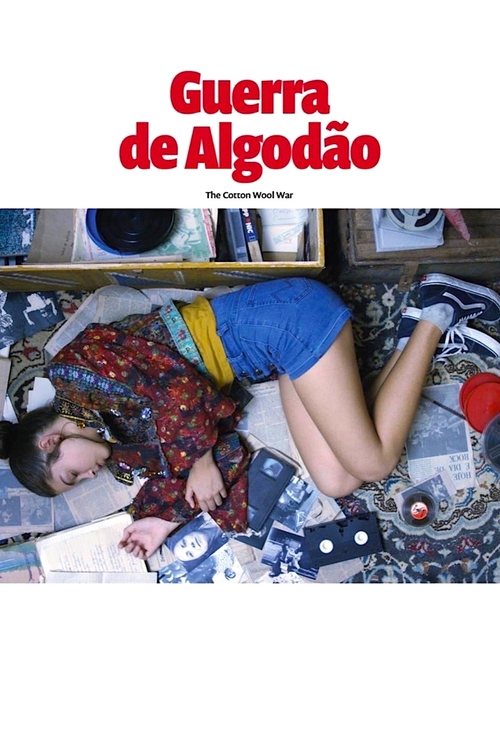
Dora is a German-raised teenager visiting her enigmatic Brazilian grandmother for the first time. While trying to return to Germany at all costs, she discovers the incredible history behind the women of her family.
The Cotton Wool War

Julia, a thirty-year-old newly separated and in search of a life change, finds two new friends. The three begin to live an intense friendship that turns into a love triangle in which their frustrations and fears of not knowing if they will manage to be who they dreamed to be when they were younger.