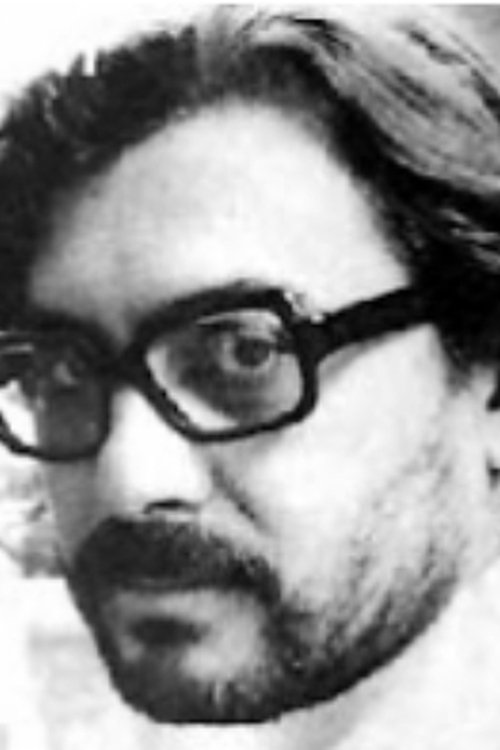
Alberto Bojórquez Patrón
Directing
Biography
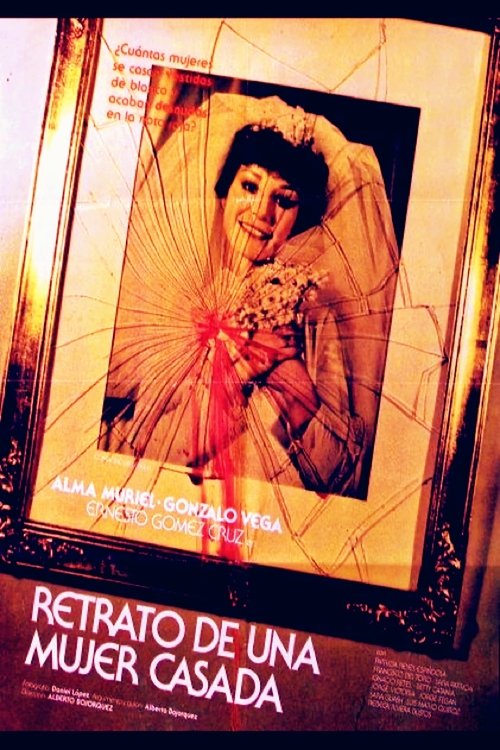
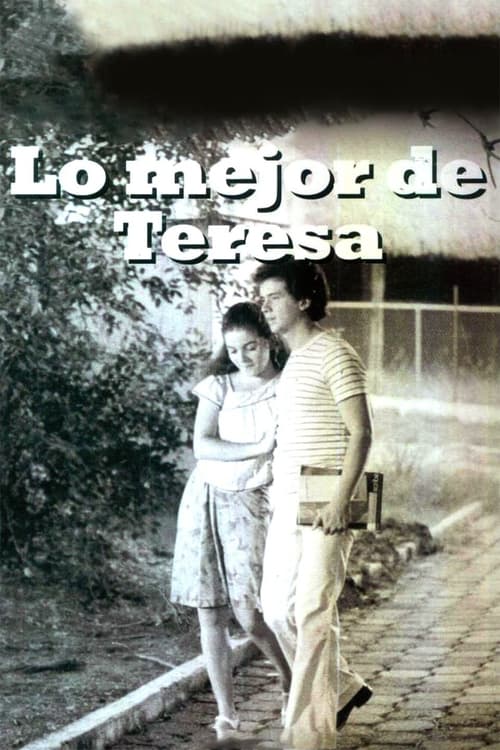
He studied sociology at UNAM, but dropped out in 1965, before studying cinematography at the University Center for Cinematographic Studies (CUEC). Of the first two generations of students of said institution, Raúl Kamffer, Jorge Fons, Marcela Fernández Violante, Juan Guerrero, Alfredo Joskowicz, Jaime Humberto Hermosillo and Bojórquez began to direct. He graduated in 1970. Like other filmmakers of his generation, he began by making short documentaries for public institutions and corporate capsules for companies. He held the direction of the Cine Club of the Faculty of Political Sciences of the UNAM and collaborated in several student newspapers. From 1965 to 1970 he was coordinator of the Film Clubs of the National Polytechnic Institute. In 1990 he was a commentator for Radio 690 on film and opera topics on the program Qué hay de bueno. He joined the SOGEM (General Society of Writers of Mexico) on July 31, 1972. In 1983 he was a script teacher at the Latin American Institute of Educational Communication (ILCE). In 1993 he was part of the Jury in the National System of Scholarships for Art Creators of the National Council for Culture and the Arts (CNCA). He was a Fellow of the National System of Art Creators of the National Council for Culture and the Arts (1994-1997). Between 1995 and 1996 he was President of the Award Commission of the Mexican Academy of Cinematographic Sciences and Arts; Secretary of Finance for the Union of Film Production Workers and Secretary of the Interior in the Union of Film Directors. With the feature film The months and the days (1971), produced independently, he won the Ariel in the category of Best First Feature; obtained the 2nd place in the First National Contest of Scripts and Arguments of the SOGEM; and the Goddess Francisco Pina of PECIME for his contribution to Mexican cinema. In 1977 he was awarded the Silver Ariel for the best script of the year for The Best of Teresa. In 1980 the Silver Goddess of PECIME for the best script of the year for the film Portrait of a married woman. In 1983 he achieved second place in the SOGEM National Script and Plot Contest for Carlota. He was awarded the 1993 Yucatan Medal for his contribution, as a native of that State, to the cultural prestige in the country. In 1995, the Directors Section of the Film Production Workers' Union presented him with a Medal for his 25 years as director, among other recognitions.